 Preview
 Send
Send Share
Share
 Details

 Download
 Similars
 X-Ray
X-Ray Diaporama
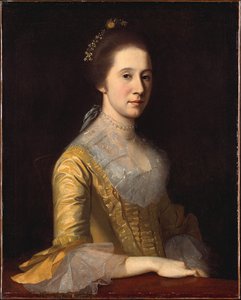
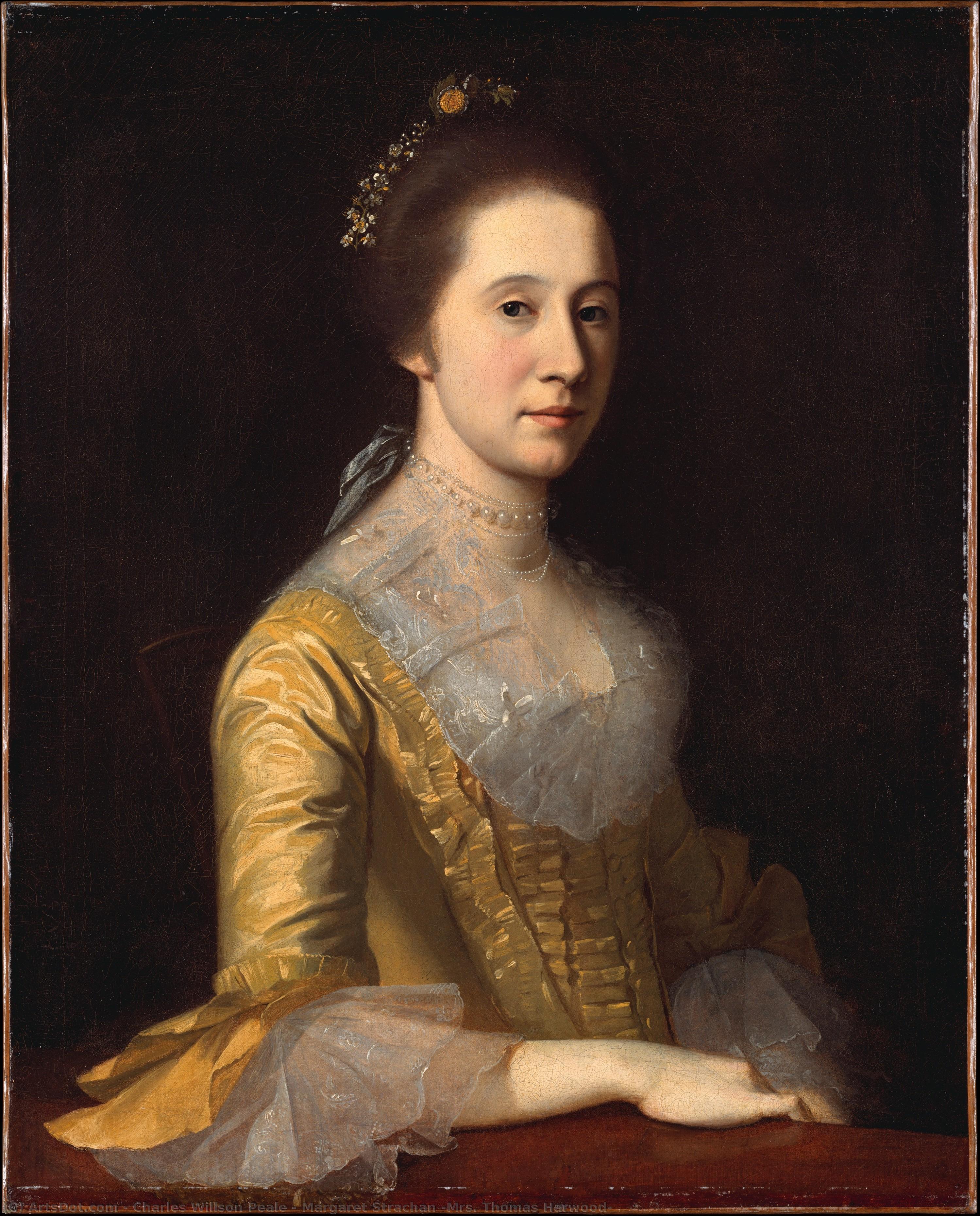
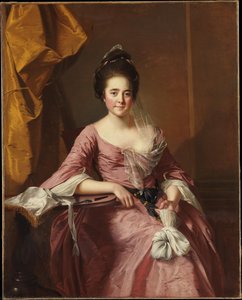
Margaret Strachan (Mrs. Thomas Harwood)
 Oil
Oil- WallArt
- Neoclassical
 1771
1771- Early Modern
 79.0 x 62.0 cm
 Metropolitan Museum of Art
 Read More
Hand Made Oil Reproduction
Hand-painted oil on canvas in your size and frame, made to order by our artists. ( Buy Print Buy Image)




P118B $10

P118H $10

P118W $10

P438Z $10

P508JH $12

P508YH $12

P805H $10

P805Z $10

P919BZ $10

P919G $10

P919XJ $10

P959ZH $10

P968JZ $12

W106C $8

W218G $10

W218JH $8

W218Y $10

W307PJ $10

W316G $10

W316PJ $8

W316Y $10

W398PJ $8

W4111J $10

W500HY $15

W500JH $15

W692G $12

W849H $8

W940BG $15

W953PJ $8




Pick from our preset sizes that match the artwork's original proportions.

You may enter your own dimensions to fit a specific frame or space. If your selected size does not match the original image's proportions, we will either crop the artwork or extend the painting with additional hand-painted elements. A digital mockup will be sent for your approval before production begins.
Please note that the on-screen preview does not reflect the actual cropping or extension. Only the mockup will accurately show the final composition.
While custom sizes are available, we recommend selecting a dimension from the predefined list to preserve the original proportions.
After order, ArtsDot.com team will email client for instructions and provide a mockup preview
Worldwide Delivery () in 3/4 weeks instead of standard 5 weeks. (22 August). No compromise on quality.

Free Worldwide Express Shipping

High-Quality Linen Canvas

Full Shipping Insurance

Customs Tax Refund Guarantee

True Color Matching Guarantee

60-Day Return Policy (Defects Only)

100% Money-Back Guarantee

Bulk Discount Offer
 Glass option is only available in size under 110 CM

Margaret Strachan (Mrs. Thomas Harwood)
Reproduction Medium
Reproduction Size
-


Total Price
$ 263
Artwork Description
A Portrait of Grace: The Timeless Elegance of Margaret Strachan
In the soft, luminous glow of 1771, Charles Willson Peale captured more than just a likeness; he immortalized an era of burgeoning American identity. His portrait of Margaret Strachan, also known as Mrs. Thomas Harwood, serves as a breathtaking window into the late 18th century, where the refined aesthetics of the European tradition met the rising spirit of the New World. As one gazes upon this masterpiece, the viewer is immediately struck by the subject's profound dignity. Draped in a vibrant yellow dress that seems to radiate its own internal light, Margaret sits with a poised composure that speaks of both her high social standing and an underlying intellectual depth. The delicate white lace collar framing her face acts as a brilliant highlight, drawing the eye toward a countenance that balances aristocratic grace with a warm, approachable humanity.
The artistry of Peale is on full display through his masterful command of texture and light. Every brushstroke contributes to a tactile reality that invites the observer to reach out and feel the weight of the silk or the intricate smoothness of the pearls adorning her neck. This work, executed in a style reminiscent of the Rococo elegance he absorbed during his studies in London, utilizes a sophisticated palette to create depth and dimension. The subtle interplay of shadows within the folds of her gown and the meticulous rendering of the background elements—such as the quiet presence of chairs and the steadying silhouette of a wall clock—create a domestic sanctuary that feels both intimate and eternal. For the discerning collector or interior designer, this painting offers a sense of historical weight and classical sophistication that can anchor any room with unparalleled prestige.
Symbolism and the Spirit of an Age
Beyond the surface beauty of the subject, Peale’s portrait is rich with the symbolic language of the Enlightenment. The inclusion of fine jewelry and luxurious fabrics serves as a testament to the prosperity of the Strachan family and the growing economic stability of the American colonies. Yet, there is a deeper narrative at play; the portrait embodies the idealized feminine virtues of the period—devotion, refinement, and a quiet strength. The composition, while formal, avoids the coldness often found in purely ceremonial portraiture, instead opting for an emotional resonance that connects the 18th-century subject to the modern viewer. It is a celebration of legacy, capturing a moment in time when the foundations of a new nation were being laid by individuals of character and vision.
To possess a reproduction of this work is to bring a piece of American history into the contemporary home. Whether placed in a sunlit library or a formal dining hall, the painting acts as a conversation piece that transcends time. It offers an atmosphere of cultured tranquility, making it an ideal choice for those looking to infuse their living spaces with a sense of heritage, artistry, and enduring beauty. Through Peale's brush, Margaret Strachan remains not merely a figure of the past, but a living embodiment of grace that continues to inspire awe in all who behold her.
Related Artworks
Artist Biography
Charles Willson Peale: A Life of Art, Science, and Patriotism
- Born: April 15, 1741, Chester, Queen Anne's County, Maryland
- Died: February 22, 1827, Philadelphia, Pennsylvania
Early Life and Artistic Training
- Peale’s early life was marked by financial hardship following his father’s death. He apprenticed as a saddler before discovering his passion for art.
- He received initial training from John Hesselius and briefly studied with John Singleton Copley, demonstrating an early aptitude for portraiture.
- A crucial period in his development was his time studying under Benjamin West in London (1767-1770). This exposure to European artistic trends significantly influenced his style.
Artistic Career and Major Works
- Portraiture: Peale is best known for his portraits of prominent figures from the American Revolution, including numerous depictions of George Washington (nearly sixty in total). These portraits are valuable historical documents as well as artistic achievements.
- Style: His style evolved over time, initially influenced by West’s Neoclassical approach but later incorporating elements of realism and a desire to capture likeness accurately.
- Notable Works:
- George Washington (1772): Marked the beginning of his long association with Washington.
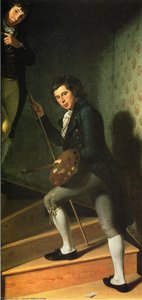
- The Staircase Group (c. 1795): A striking example of trompe l'oeil, depicting his sons Raphael and Titian as if they were part of the architectural setting.
Scientific Pursuits and Peale’s American Museum
- Peale was a passionate naturalist and scientist, organizing expeditions to study natural history.
- He founded Peale's American Museum in Philadelphia (1784), one of the first museums in the United States. It housed botanical, biological, and archaeological specimens.
- The museum played a significant role in popularizing science and education in America. He was particularly known for his displays of mastodon bones, acquired through an expedition in 1801.
- He taught himself taxidermy to preserve specimens for the museum, demonstrating his diverse skills.
Legacy and Historical Significance
- Peale’s work bridges the gap between art and science, reflecting the Enlightenment ideals of his time.
- His portraits provide invaluable visual records of key figures in American history.
- The founding of Peale's American Museum was a pioneering effort that helped establish the museum as an important institution for education and scientific exploration.
- He influenced subsequent generations of artists and scientists, contributing significantly to the development of American culture.
- His family legacy continued through his sons, including James Peale and Rubens Peale, who also became accomplished artists and contributed to the museum's collection.
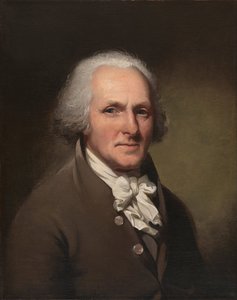
Charles Willson Peale
1741 - 1827 , United Kingdom
Quick Facts
- Artistic Movement Or Style: Neoclassical painting
- Artists Who Influenced This Artist:
- John Hesselius
- John Singleton Copley
- Benjamin West
- Date Of Birth: April 15, 1741
- Date Of Death: February 22, 1827
- Full Name: Charles Willson Peale
- Nationality: American
- Notable Artworks:
- Staircase Group
- George Washington portraits
- Place Of Birth: Chester, United Kingdom
Related Articles
Charles Willson Peale: Portraiture, Enlightenment Ideals & Shaping American Identity
Explore the life & art of Charles Willson Peale – Revolutionary portraitist, scientist, and founder of America’s first museum. Discover his iconic paintings of Washington & the Enlightenment ideals that shaped a nation.

Titian Ramsay Peale II: A Legacy of Botanical Precision & Artistic Innovation
Explore the life & art of Titian Ramsay Peale II, a master of botanical precision and wildlife painting. Discover his legacy bridging art & natural history at ArtsDot.
Grant Wood & American Regionalism: Identity, Myth & the Rural Landscape
Explore the world of Grant Wood & American Regionalism with ArtsDot. Discover the symbolism behind 'American Gothic', recurring themes, and the movement's lasting impact on art history. High-quality reproductions available.
Charles Marion Russell: Capturing the American West Through a Romantic Lens
Explore the captivating world of Charles Marion Russell, 'the cowboy artist.' Discover his life, iconic paintings, advocacy for Native Americans, and investment potential. A guide for discerning art collectors.
Charles Bird King: Capturing Native American Dignity Through Portraiture & Cultural Exchange
Explore the captivating portraits of Charles Bird King, renowned for his depictions of Native American leaders. Discover the historical context, artistic techniques, and collecting value of these significant 19th-century artworks.