 Preview
 Send
Send Share
Share
 Details

 Download
 Similars
 X-Ray
X-Ray Diaporama
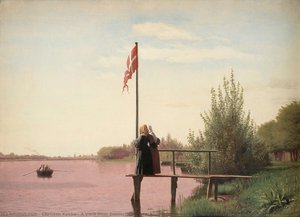
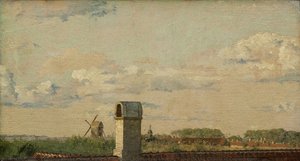
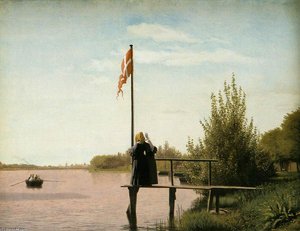
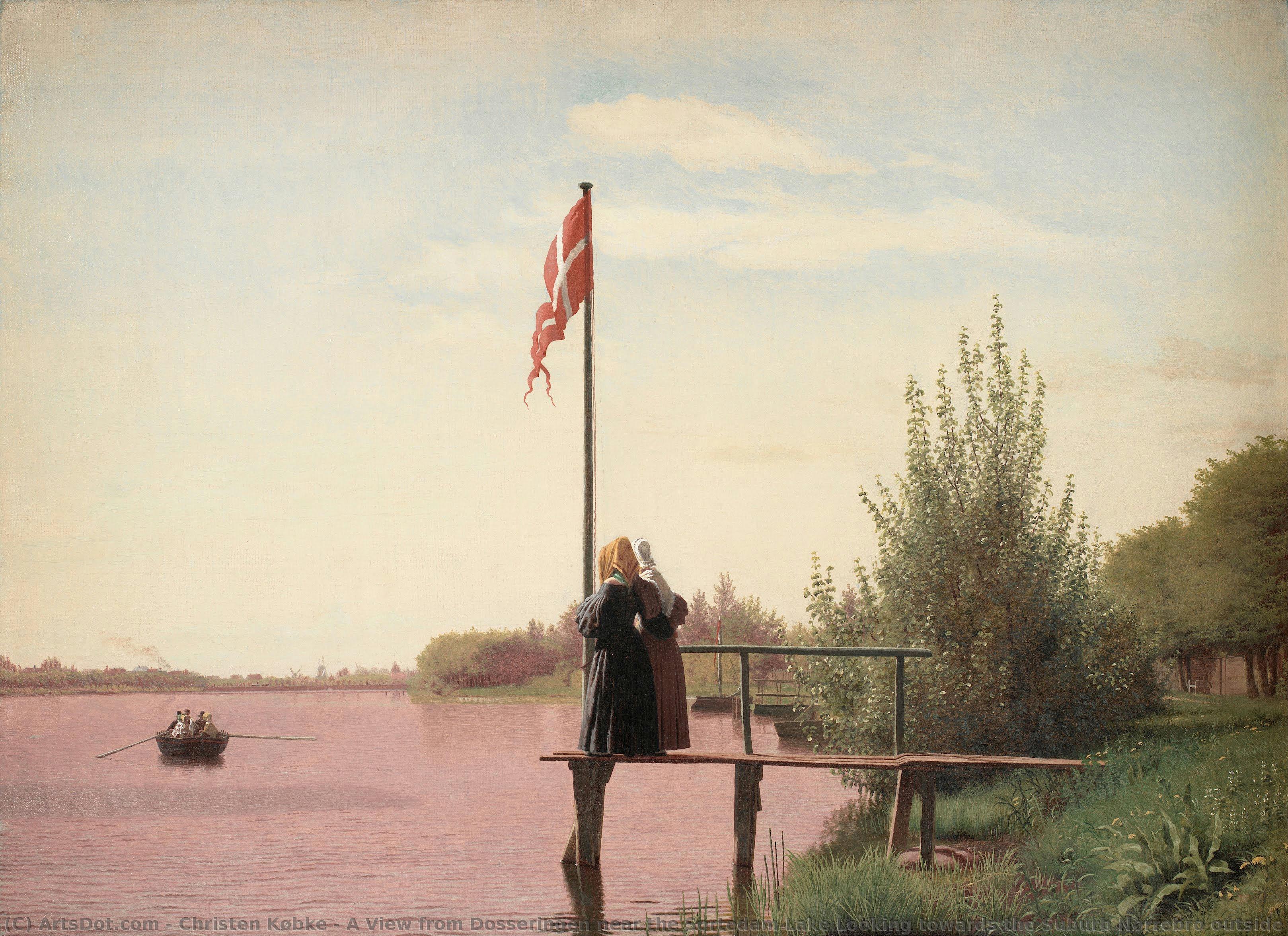
A View from Dosseringen near the Sortedam Lake Looking towards the Suburb Nørrebro outside Copenhagen
 Oil On Canvas
- WallArt
- Danish Golden Age
 1838
1838 71.0 x 53.0 cm
 National Gallery of Denmark
 Read More
Hand Made Oil Reproduction
Hand-painted oil on canvas in your size and frame, made to order by our artists. ( Buy Print Buy Image)




P118B $10

P118H $10

P118W $10

P438Z $10

P508JH $12

P508YH $12

P805H $10

P805Z $10

P919BZ $10

P919G $10

P919XJ $10

P959ZH $10

P968JZ $12

W106C $8

W218G $10

W218JH $8

W218Y $10

W307PJ $10

W316G $10

W316PJ $8

W316Y $10

W398PJ $8

W4111J $10

W500HY $15

W500JH $15

W692G $12

W849H $8

W940BG $15

W953PJ $8




Pick from our preset sizes that match the artwork's original proportions.

You may enter your own dimensions to fit a specific frame or space. If your selected size does not match the original image's proportions, we will either crop the artwork or extend the painting with additional hand-painted elements. A digital mockup will be sent for your approval before production begins.
Please note that the on-screen preview does not reflect the actual cropping or extension. Only the mockup will accurately show the final composition.
While custom sizes are available, we recommend selecting a dimension from the predefined list to preserve the original proportions.
After order, ArtsDot.com team will email client for instructions and provide a mockup preview
Worldwide Delivery () in 3/4 weeks instead of standard 5 weeks. (22 August). No compromise on quality.

Free Worldwide Express Shipping

High-Quality Linen Canvas

Full Shipping Insurance

Customs Tax Refund Guarantee

True Color Matching Guarantee

60-Day Return Policy (Defects Only)

100% Money-Back Guarantee

Bulk Discount Offer
 Glass option is only available in size under 110 CM

A View from Dosseringen near the Sortedam Lake Looking towards the Suburb Nørrebro outside Copenhagen
Reproduction Medium
Reproduction Size
-


Total Price
$ 263
Artwork Description
A Window into Copenhagen’s Golden Age: Christen Købke's "A View from Dosseringen"
Christen Købke’s “A View from Dosseringen near the Sortedam Lake Looking towards the Suburb Nørrebro outside Copenhagen,” painted in 1838, is more than just a picturesque landscape; it’s a meticulously crafted snapshot of Danish identity and a poignant reflection on the evolving relationship between urban life and the natural world. Born into a modest family in Copenhagen Harbour in 1810, Købke’s artistic journey was deeply rooted in his local surroundings – specifically, the area around Dosseringen, a small district near the Sortedam Lake, which served as his lifelong studio and inspiration.
The painting immediately draws the eye with its remarkable clarity and precision. Købke, a master of capturing light and atmosphere, employs a technique reminiscent of Dutch Golden Age painters, yet imbued with a distinctly Danish sensibility. The composition is carefully balanced, guiding the viewer’s gaze across the scene – from the modest dwelling nestled amongst the trees to the distant silhouette of Nørrebro, Copenhagen's burgeoning suburb. Notice the subtle gradations of color, particularly in the depiction of the water and sky, achieved through a layering of thin glazes that create an almost luminous effect. The brushstrokes are controlled yet expressive, conveying both the stillness of the scene and the dynamism of light upon the landscape.
A Scene of Everyday Life and National Identity
More than simply documenting a view, Købke’s painting is a celebration of everyday life in 19th-century Denmark. The central figure – a woman standing on a pier – isn't merely an observer; she embodies the spirit of quiet contemplation and connection to nature. Her posture, her gaze directed towards the distant water, suggests a moment of reflection, inviting the viewer to share in her peaceful solitude. The presence of the small rowing boat adds another layer of narrative, hinting at journeys both literal and metaphorical – perhaps representing the aspirations and ambitions of the Danish people.
Crucially, Købke’s work reflects the burgeoning sense of national identity that was taking shape in Denmark during this period. The inclusion of the Danish flag, subtly displayed, speaks to a growing pride in Danish culture and heritage. Købke's decision to set the scene within his own backyard at Dosseringen is significant; it’s a deliberate act of grounding the painting in a specific place and time, anchoring it firmly within the context of Danish history and tradition. The artist wasn’t simply depicting a landscape; he was constructing a visual narrative of Denmark itself.
Decoding Symbolism and Recent Interpretations
Interestingly, recent scholarship has challenged some long-held interpretations of the painting. Initially perceived as a romantic sunset scene, conservators have revealed that Købke employed Prussian blue pigment – a color known to shift towards red over time. This discovery suggests that the artist intentionally depicted the water in its true, cooler hue, subtly undermining the initial impression of a dramatic evening glow. Furthermore, the position of the oars in the boat has been re-examined, leading some to believe that it’s not heading out to sea but rather returning from a journey – adding another layer of complexity to the scene.
The painting's enduring appeal lies in its ability to evoke a sense of nostalgia and sentimentality. It captures a fleeting moment in time, imbued with a profound appreciation for the beauty of the natural world and the rhythms of everyday life. “A View from Dosseringen” is not just a beautiful painting; it’s a window into Copenhagen's Golden Age – a testament to the artistic vision and cultural consciousness of Christen Købke.
Technical Details & Dimensions
Size: 71 x 53 cm (approximately 28 x 21 inches)
Date: 1838
Artist: Christen Købke
Birth Year: 1810
Death Year: 1848
Birth City: Copenhagen Harbour
Birth Country: Denmark
Further Research & Resources
- Morning View of Østerbro, 1836 | SMK - Statens Museum for Kunst
- A View from Dosseringen near the Sortedam Lake Looking towards the Suburb Nørrebro outside Copenhagen - Christen Købke - Google Arts & Culture
- File:Christen Købke - A View from Dosseringen near the Sortedam Lake Looking towards the Suburb Nørrebro outside Copenhage... - Google Art Project
Related Artworks

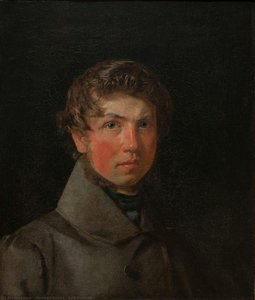
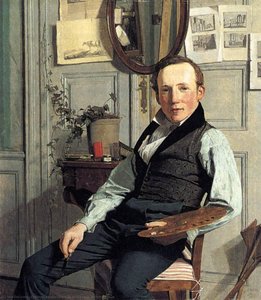
Artist Biography
Early Life and Training
- Born: May 26, 1810, Copenhagen Harbour, Denmark
- Died: February 7, 1848
- Christen Købke was born into a family of modest means; his father worked as a baker.
- His artistic talents were encouraged from an early age.
- He began formal training at the Royal Danish Academy of Fine Arts in Copenhagen.
- Studied under Christoffer Wilhelm Eckersberg, a renowned artist, which laid the foundation for his future success.
Artistic Career and Style
- Købke's work focused on capturing everyday life and landscapes of Denmark.
- Paintings often featured landscapes, portraits, and architectural scenes.
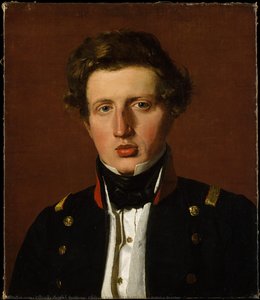
- Notable works include "Valdemar Hjartvar Købke (1813–1893), the artist’s brother" at the Metropolitan Museum of Art.
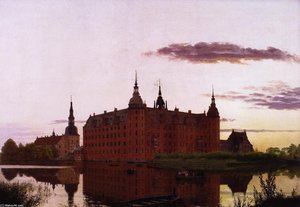
- Known for a nationalistic approach to art, emphasizing Danish culture and landscapes. Examples: “Frederiksborg Slot ved Aften”.
- His style is characterized by precise treatment of light and atmosphere, balanced compositions, and detailed depictions of natural elements.
Influences and Development
- Strongly influenced by Christoffer Wilhelm Eckersberg's emphasis on observing nature.
- Niels Lauritz Høyen’s promotion of nationalistic art encouraged Købke to depict Danish culture and landscapes.
- Early works showed the influence of classical landscape painting, particularly from Dresden and Italy.
- His travels to Germany and Italy (1838-1840) exposed him to new artistic perspectives but his later studio works based on these sketches were not well received.
Major Achievements and Historical Significance
- Considered one of the most talented artists of the Danish Golden Age.
- His focus on everyday life and landscapes influenced a generation of Danish artists, including Wilhelm Marstrand.
- His paintings are now held in various museums and collections worldwide, including the National Gallery of Denmark, J. Paul Getty Museum, Louvre Museum, and Metropolitan Museum of Art.
- Købke’s legacy lies in his ability to capture the essence of Danish culture and identity through realistic depictions of landscapes and everyday scenes.
Later Life and Legacy
- In 1846, Købke's application for admission to the Academy was rejected.
- He died of pneumonia in 1848 at the age of 37.
- Initially overlooked after his death, Købke’s work gained recognition and appreciation towards the end of the 19th century.
- Today, he is celebrated for his beauty, simplicity, and ability to capture the essence of everyday life in 19th-century Denmark.
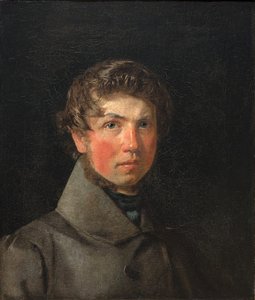
christen købke
1810 - 1848 , Denmark
Quick Facts
- Artistic Movement Or Style: Golden Age of Danish Painting
- Artists Or Movements Influenced By This Artist: ['Wilhelm Marstrand']
- Artists Who Influenced This Artist: ['Christoffer Wilhelm Eckersberg']
- Date Of Birth: May 26, 1810
- Date Of Death: February 7, 1848
- Full Name: Christen Schiellerup Købke
- Nationality: Danish
- Notable Artworks:
- Valdemar Hjartvar Købke
- Frederiksborg Slot ved aften
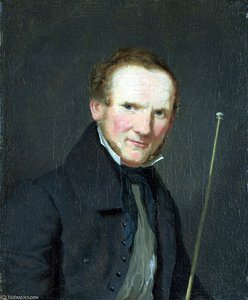
- Portrait of Frederik Sødring
- Place Of Birth: Copenhagen, Denmark
Related Articles

Dutch Masters: 10 Golden Age Paintings That Still Inspire |
Journey into the Dutch Golden Age! Explore 10 iconic paintings by Rembrandt, Vermeer & Hals. Discover the stories behind these Baroque masterpieces and find museum-quality art reproductions to elevate your home decor on .
Peder Mørk Mønsted: Capturing the Danish Golden Age Landscape – A Study in Atmospheric Realism
Explore the captivating landscapes of Peder Mørk Mønsted, a master of Danish Golden Age realism. Discover his atmospheric techniques, influences, and enduring legacy in our expert analysis.

Illuminating Innovation: Exploring the Dutch Golden Age of Painting
Explore the Dutch Golden Age of painting with ArtsDot. Discover Rembrandt, Vermeer & other Masters. Learn about key characteristics, iconic artworks, and lasting influence. Expert insights for collectors & enthusiasts.

Golden Age Reflections: Dutch Baroque Painting & Cultural Innovation
Explore the Dutch Golden Age of painting! Discover key artists like Vermeer & ter Borch, their innovative techniques, and the rich cultural context behind these Baroque masterpieces. Learn about collecting & appreciating this iconic art period.
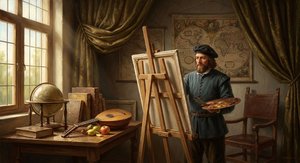
Illuminating Realism: Exploring the Dutch Golden Age of Painting (1600-1700)
Explore the Dutch Golden Age of painting (1600-1700) with ArtsDot. Discover Rembrandt, Vermeer & other masters. Learn about techniques, history & find museum-quality reproductions.