 Preview
 Send
Send Share
Share
 Details

 Download
 Similars
 X-Ray
X-Ray Diaporama
Pàgina 4

 Read More
Hand Made Oil Reproduction
Hand-painted oil on canvas in your size and frame, made to order by our artists. ( Buy Print Buy Image)




































Pick from our preset sizes that match the artwork's original proportions.

You may enter your own dimensions to fit a specific frame or space. If your selected size does not match the original image's proportions, we will either crop the artwork or extend the painting with additional hand-painted elements. A digital mockup will be sent for your approval before production begins.
Please note that the on-screen preview does not reflect the actual cropping or extension. Only the mockup will accurately show the final composition.
While custom sizes are available, we recommend selecting a dimension from the predefined list to preserve the original proportions.
After order, ArtsDot.com team will email client for instructions and provide a mockup preview
Worldwide Delivery () in 3/4 weeks instead of standard 5 weeks. (21 August). No compromise on quality.

Free Worldwide Express Shipping

High-Quality Linen Canvas

Full Shipping Insurance

Customs Tax Refund Guarantee

True Color Matching Guarantee

60-Day Return Policy (Defects Only)

100% Money-Back Guarantee

Bulk Discount Offer
 Glass option is only available in size under 110 CM

Pàgina 4
Reproduction Medium
Reproduction Size
-


Total Price
$ 263
Artwork Description
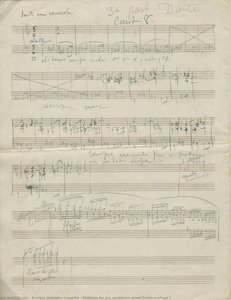
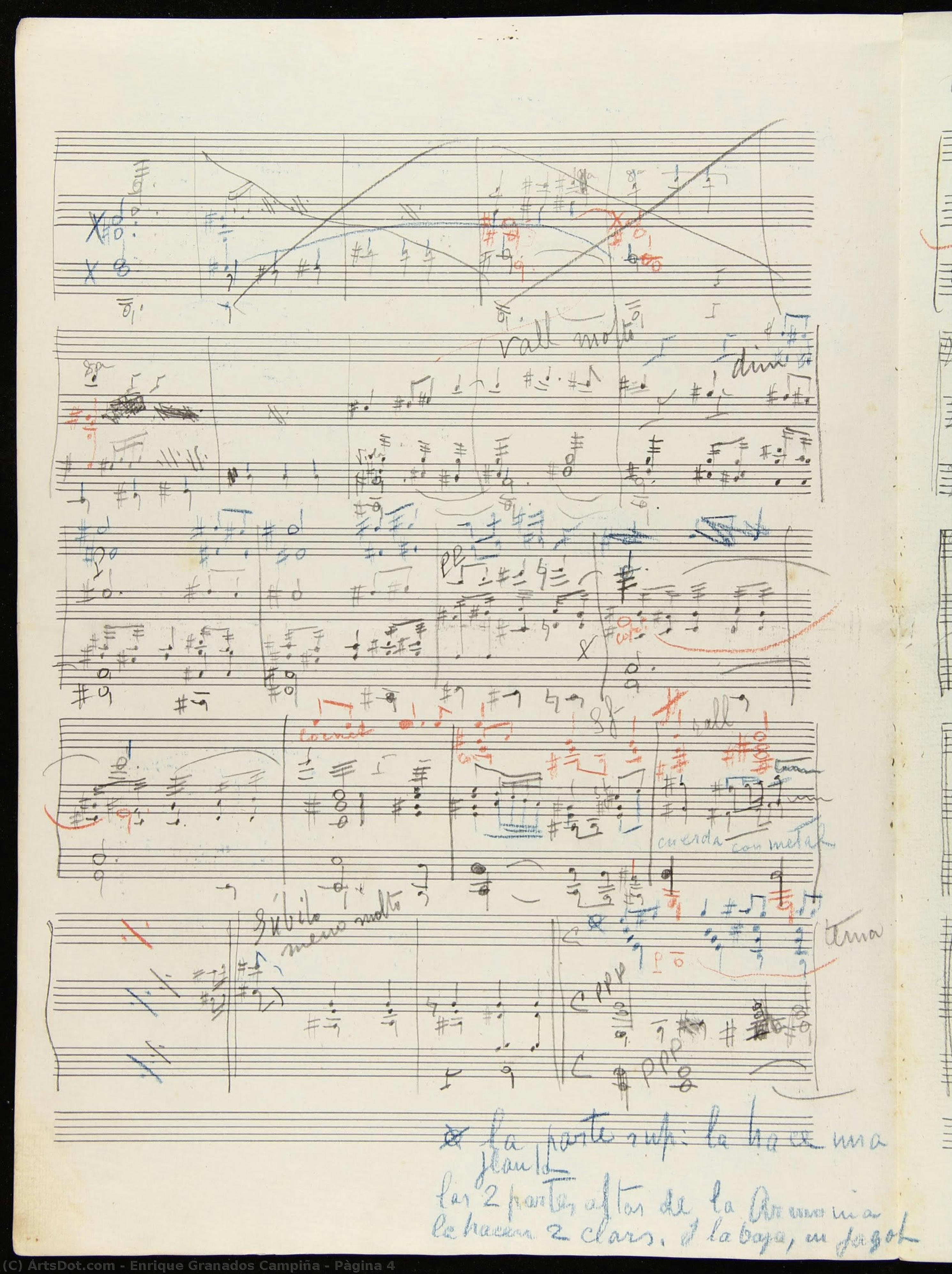
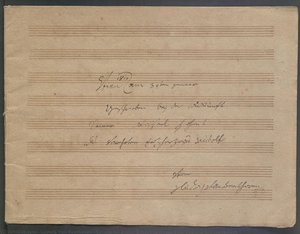
A Glimpse into Granados' Creative Process: "Pàgina 4"
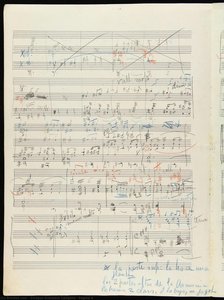
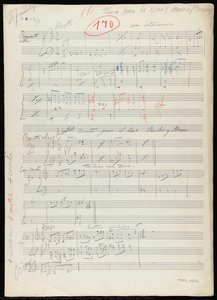
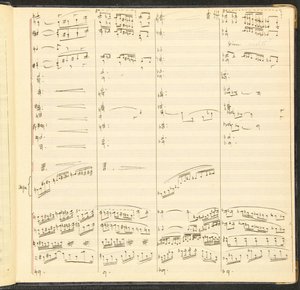
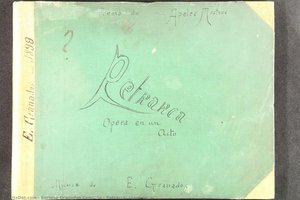
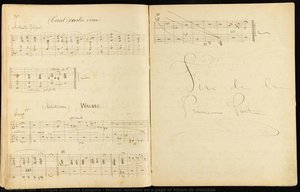
This intriguing artwork, titled “Pàgina 4,” offers a rare and intimate look into the creative world of Enrique Granados Campiña (1867-1916), one of Spain’s most celebrated composers and pianists. The image presents a close-up view of a handwritten musical score, likely a page from his personal notebook or working manuscript. It's not a finished composition intended for performance, but rather a snapshot of the composer in action – experimenting with melodies, harmonies, and rhythms. The presence of what appears to be foreign language notations hints at Granados’ broader musical influences and perhaps even travels that informed his unique style. The accompanying book suggests a deeper study or reference material used during the composition process, further enriching the narrative surrounding this piece.Style & Technique: A Window into Musical Thought
While not a traditional artwork in the visual sense, "Pàgina 4" possesses an undeniable aesthetic quality. The handwritten script itself is expressive and dynamic, conveying a sense of immediacy and passion. The arrangement of notes on the page—the density, spacing, and varied symbols—creates a visually engaging pattern that mirrors the complexity of musical thought. This isn't about perfect presentation; it’s about capturing the raw energy of creation. The technique is inherently personal – the composer’s own hand directly translating his ideas onto paper. It evokes the feeling of witnessing a private moment, a glimpse behind the curtain of artistic genius.Historical Context: Spanish Musical Nationalism
Granados emerged during a period of significant cultural revival in Spain, known as the *Generación del 98*. This movement sought to redefine Spanish identity and celebrate its rich heritage. Granados was at the forefront of this musical nationalism, blending traditional Spanish folk melodies and rhythms with Romantic compositional techniques. His most famous works, such as "Goyescas" (inspired by Goya's paintings) and his collection of “Spanish Dances,” are testaments to this fusion. “Pàgina 4” provides a tangible link to this historical context, offering insight into the process behind these iconic compositions. It reflects a time when Spanish composers were actively seeking to create a distinct national musical voice.Symbolism & Emotional Impact
Beyond its literal depiction of a music sheet, "Pàgina 4" carries symbolic weight. The incomplete nature of the page suggests ongoing exploration and refinement – the perpetual pursuit of artistic perfection. The handwritten quality imbues it with a sense of intimacy and vulnerability, inviting viewers to connect with Granados on a personal level. It evokes feelings of creativity, dedication, and the often-unseen labor involved in bringing art into existence. The image resonates with anyone who appreciates the power of music and the passion that fuels its creation – a testament to the enduring legacy of Enrique Granados Campiña.Why Acquire a Reproduction?
A reproduction of "Pàgina 4" offers a unique opportunity to own a piece of musical history. It's not just an image; it’s a portal into the mind of a master composer. Ideal for music rooms, libraries, or any space where creativity and artistic inspiration are valued, this artwork serves as a captivating conversation starter and a beautiful tribute to Granados’ enduring contribution to classical music. Its understated elegance makes it suitable for both traditional and contemporary interior design schemes.Related Artworks
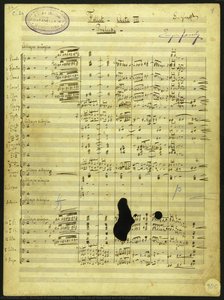
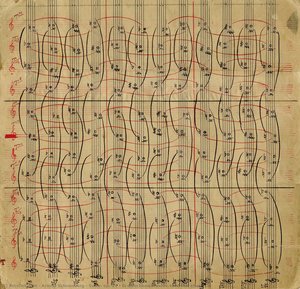

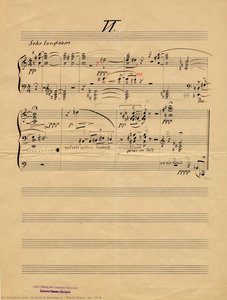
Artist Biography
The Soul of Spanish Romanticism: The Life and Legacy of Enrique Granados
Enrique Granados (1867-1916) stands as a monumental figure in the annals of Spanish classical music, recognized for his singular ability to fuse the soulful traditions of flamenco with the expressive grandeur of Romanticism. Born in Lleida, Catalonia, Granados’s musical journey began amidst a family steeped in artistic heritage and propelled him toward a career that would reshape perceptions of Spanish musical identity. His legacy continues to resonate globally through performances of his celebrated compositions—particularly Goyescas and Spanish Dances—which cemented his place as one of the foremost composers of his era.
Granados's formative years were marked by intensive study at Barcelona’s Museo de Música, where he honed his skills as both pianist and composer under the tutelage of influential educators. This rigorous training instilled in him a deep understanding of musical theory and technique while simultaneously nurturing an innate sensitivity to Spanish folk music—a cornerstone of Granados's distinctive artistic vision. His fascination with flamenco, specifically its rhythmic complexity and emotive vocal delivery, profoundly impacted his compositional style, resulting in works that captured the very spirit of Catalan culture.
A Masterful Blend of Tradition and Innovation
The musical language of Granados is characterized by a masterful blend of Romantic melodic contours and harmonic richness with elements derived from deep-seated Spanish traditions. He skillfully incorporated flamenco rhythms into orchestral pieces, creating evocative soundscapes that transported listeners to the Andalusian countryside. His compositions often feel like living tapestries, where the delicate, lyrical beauty of the piano meets the rhythmic pulse of the Iberian Peninsula.
< andp>Beyond his native influences, Granados drew inspiration from the giants of European music, such as Frédéric Chopin and Johannes Brahms. By absorbing their stylistic innovations—particularly their approach to rubato and harmonic depth—he was able to elevate Spanish folk motifs into the realm of high art. This synthesis allowed him to create works that were simultaneously nationalistic in spirit and universal in appeal, bridging the gap between regional identity and the broader European classical tradition.Enduring Achievements and Historical Significance
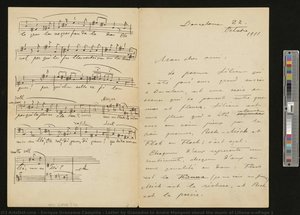
The historical significance of Enrique Granados lies in his pivotal role in the rise of musical nationalism. Through his meticulous craftsmanship, he provided a voice for Spanish identity during a period of profound cultural evolution. His manuscripts and scores, such as the hauntingly beautiful Prelude of the third act of Follet, serve as rare windows into a creative process that sought to capture nostalgia and grandeur in equal measure.
The impact of his work can be summarized through several key contributions:
- Cultural Synthesis: The seamless integration of flamenco rhythms and Spanish folk melodies with the sophisticated structures of Romanticism.
- Iconic Repertoire: The creation of timeless masterpieces like Goyescas, which remain staples of the piano repertoire worldwide.
- National Identity: His role as a pioneer in establishing a distinct Spanish musical voice that moved beyond mere imitation of Northern European styles.
Though his life was tragically cut short, the echoes of Granados's compositions continue to inspire musicians and listeners alike. He remains a symbol of an era where music served as both a personal expression of beauty and a powerful vessel for national pride.
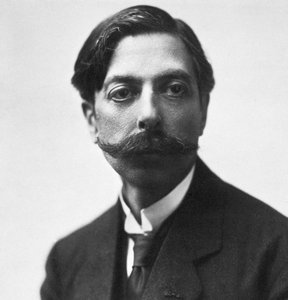
enrique granados campiña
1867 - 1916 , Spain
Quick Facts
- Artistic Movement Or Style: Romantic music; Musical nationalism
- Artists Or Movements Influenced By This Artist: ['Liszt']
- Artists Who Influenced This Artist: ['Johannes Brahms']
- Date Of Birth: 1867
- Full Name: Enrique Granados Campiña
- Nationality: Spanish
- Notable Artworks:
- Goyescas
- Spanish Dances
- Place Of Birth: Lleida, Spain
Related Articles
Harmonies on Canvas: Exploring the Visual Representation of Music in Art History
Explore the fascinating history of music's visual representation in art! From ancient symbolism to modern abstraction, discover how artists have captured sound and emotion on canvas. Expert insights & stunning examples.

The Golden Age Reforged: Dramatic Realism & Religious Zeal in Spanish Baroque Art
Explore the dramatic world of Spanish Baroque art! Discover masters like Zurbarán & the powerful influence of religious zeal on painting techniques – a guide for collectors and enthusiasts.
The Eloquence of Arrangement: Compositional Strategies in Western Art from the Renaissance to Modernism
Explore the evolution of compositional strategies in Western art! Discover how masters like Raphael & Zurbaran used perspective, proportion, and dynamic arrangement to create timeless masterpieces. Enhance your art appreciation today!
Rafael de Penagos: A Study in Spanish Portraiture & Artistic Identity
Explore the life & art of Rafael de Penagos, a leading Spanish Art Deco illustrator. Discover his iconic 'Penagos Woman', commercial work, and lasting legacy. Learn about this pivotal figure in 20th-century Spanish art history.

Prado Masterpieces: Explore 25 Iconic Artworks & Bring Spanish Beauty Home
Journey through 25 Prado Museum masterpieces! Explore Velázquez, Goya & El Greco's iconic Spanish art. Discover the stories behind these timeless paintings and find museum-quality reproductions for your home at ArtsDot.com.