Preview
 Send
Send Share
Share
 Details

 Download
 Similars
 X-Ray
X-Ray Diaporama
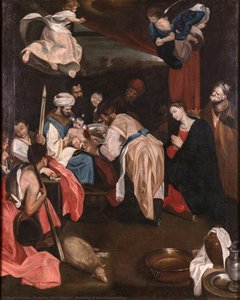
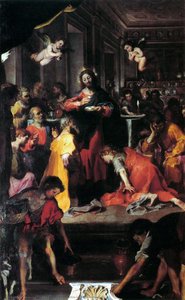
The Nativity
 Oil On Canvas
- WallArt
- Baroque
 1597
1597 134.0 x 105.0 cm
 Museo del Prado
 Read More
Hand Made Oil Reproduction
Hand-painted oil on canvas in your size and frame, made to order by our artists. ( Buy Print Buy Image)




P118B $10

P118H $10

P118W $10

P438Z $10

P508JH $12

P508YH $12

P805H $10

P805Z $10

P919BZ $10

P919G $10

P919XJ $10

P959ZH $10

P968JZ $12

W106C $8

W218G $10

W218JH $8

W218Y $10

W307PJ $10

W316G $10

W316PJ $8

W316Y $10

W398PJ $8

W4111J $10

W500HY $15

W500JH $15

W692G $12

W849H $8

W940BG $15

W953PJ $8




Pick from our preset sizes that match the artwork's original proportions.

You may enter your own dimensions to fit a specific frame or space. If your selected size does not match the original image's proportions, we will either crop the artwork or extend the painting with additional hand-painted elements. A digital mockup will be sent for your approval before production begins.
Please note that the on-screen preview does not reflect the actual cropping or extension. Only the mockup will accurately show the final composition.
While custom sizes are available, we recommend selecting a dimension from the predefined list to preserve the original proportions.
After order, ArtsDot.com team will email client for instructions and provide a mockup preview
Worldwide Delivery () in 3/4 weeks instead of standard 5 weeks. (17 August). No compromise on quality.

Free Worldwide Express Shipping

High-Quality Linen Canvas

Full Shipping Insurance

Customs Tax Refund Guarantee

True Color Matching Guarantee

60-Day Return Policy (Defects Only)

100% Money-Back Guarantee

Bulk Discount Offer
 Glass option is only available in size under 110 CM

The Nativity
Reproduction Medium
Reproduction Size
-


Total Price
$ 263
Artwork Description
Federico Barocci’s “The Nativity”: A Symphony of Light and Devotion
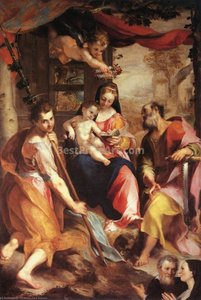
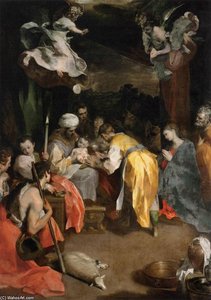
Federico Fiori Barocci's "The Nativity," painted in 1597, is more than just a depiction of a biblical scene; it’s a profound meditation on faith, intimacy, and the divine. Housed within the hallowed halls of the Museo del Prado in Madrid, this oil-on-canvas masterpiece transcends mere representation, offering viewers an immersive experience of serenity and spiritual contemplation. Barocci, a pivotal figure bridging the Mannerist and Baroque periods, masterfully employed light, color, and composition to evoke a deeply emotional response – a testament to his skill as both a painter and a storyteller.
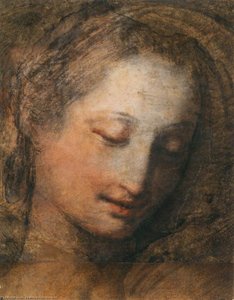
The painting immediately draws the eye to the central focus: the infant Jesus Christ nestled within the humble manger. Bathed in an ethereal glow, he is not presented as a regal figure of power but rather as a vulnerable newborn, radiating innocence and divine grace. Barocci’s technique—a hallmark of his style—is characterized by a delicate sfumato, a subtle blurring of lines and edges that creates a sense of atmospheric depth and softens the forms. This is particularly evident in the rendering of Mary's face, which appears almost translucent, conveying her profound love and devotion. The use of pastel tones – soft blues, pinks, and yellows – contributes to the painting’s intimate atmosphere, fostering a feeling of closeness and familiarity as if we are witnesses to this sacred moment.
A Composition Steeped in Symbolism
Beyond its technical brilliance, “The Nativity” is rich with symbolic meaning. The diagonal composition, a deliberate choice by Barocci, injects dynamism into the scene while simultaneously grounding it within the stable setting of the stable. Notice the carefully placed elements: the metal ring beneath Jesus and Mary, adorned with the zodiac signs, subtly referencing the cosmological significance of Christ’s birth – aligning it with the grand design of the universe. The presence of the ox and donkey, traditional symbols associated with humility and service, further emphasizes the narrative's core themes of sacrifice and redemption. Even the loaf of bread and corn of wheat within the basket serve as potent reminders of Christ as the “bread of life,” a central tenet of Christian theology.
Historical Context and Artistic Influence
Created during the late Renaissance, "The Nativity" reflects the evolving artistic sensibilities of the time. Barocci’s work foreshadowed the dramatic intensity and emotional depth characteristic of the Baroque style, particularly as championed by Peter Paul Rubens. Commissioned by Francesco Maria II Della Rovere, Duke of Urbino, and later gifted to Queen Margaret of Austria, who famously described it as “very cheerful and devout,” the painting quickly gained recognition for its beauty and spiritual resonance. It stands as one of the most celebrated Nativity scenes from the 16th century, showcasing Barocci’s ability to capture the emotional core of religious subjects with remarkable sensitivity.
Reproductions: Bringing Baroque Beauty Home
ArtsDot is proud to offer meticulously crafted, handmade oil painting reproductions of Federico Barocci's "The Nativity." Each reproduction strives to faithfully recreate the original’s luminous quality, nuanced color palette, and intricate details. Utilizing traditional techniques and archival-quality materials, our artisans ensure that the essence of Barocci’s masterpiece is preserved for generations to come. Whether adorning a grand salon or adding a touch of serenity to a smaller space, this reproduction offers an exceptional opportunity to experience the timeless beauty and profound spirituality of this iconic work of art.
Size: 134 x 105 cm
Date: 1597
Related Artworks

Artist Biography
Early Life and Training
- Born: Urbino, Italy (1535)
- Died: 1612
- Federico Fiori Barocci, an Italian Renaissance painter and printmaker, was born in 1535 in Urbino, Italy.
- His original name was Federico Fiori, and he was nicknamed "il Baroccio," which means a two-wheel cart drawn by oxen in northwestern Italian dialects.
- Barocci received his earliest apprenticeship with his father, Ambrogio Barocci, a sculptor of some local eminence.
- He was then apprenticed with the painter Battista Franco in Urbino. This training laid the foundation for his future success.
Artistic Career and Influences
- Barocci's work was highly esteemed and influential, foreshadowing the Baroque style of Peter Paul Rubens.
- He worked in the pre-eminent studio of Taddeo and Federico Zuccari in Rome, where he was exposed to various artistic influences.
- His first notable work was a "St. Margaret" executed for the confraternity of the Holy Sacrament.
- He was invited by Pope Pius IV to assist in the decoration of the Vatican Belvedere Palace at Rome, where he painted the Virgin Mary and infant, with several saints and a ceiling in fresco, representing the Annunciation.
- Barocci's style was characterized by a mix of Mannerism and Baroque elements.
Notable Works and Legacy
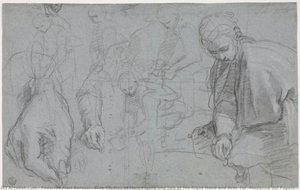
- Five Studies of Male Figure and two of His Right Hand and Arm (Uffizi Gallery, Florence, Italy) - A testament to Barocci’s skill in capturing the human form.
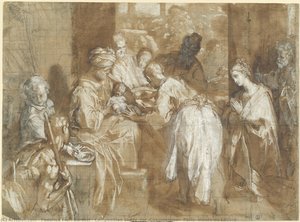
- Composition Study (for “Circumcision”, Paris, Musée du Louvre) – Demonstrates his ability to balance composition and emotion.
- Man’s Head (for “Calling of Saint Andrew”, Bruxelles, Musées Royaux des Beaux-Arts de Belgique) - Showcases Barocci's attention to detail and expression.
- The Nativity (1597 oil painting at the Prado).
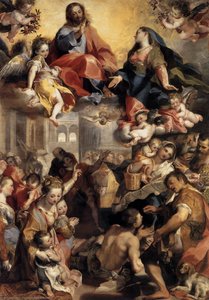
- Madonna del Popolo (Uffizi Gallery, Florence, Italy).
- The Madonna of the Cat (La Madonna del Gatto)
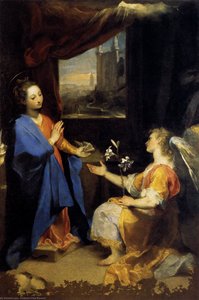
- Annunciation (1582)
Artistic Impact and Followers
- Barocci's influence can be seen in the work of various artists, including Peter Paul Rubens, who was inspired by Barocci’s dramatic and emotive brushwork.
- His legacy continues to be celebrated through his numerous works, now housed in museums such as the Uffizi Gallery (Florence, Italy) and the Musée du Louvre (Paris, France).
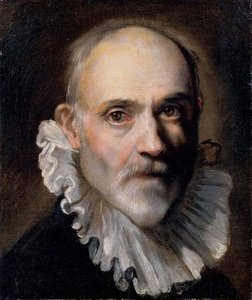
Federico Fiori Barocci
1535 - 1612 , Italy
Quick Facts
- Artistic Movement Or Style: Renaissance, Baroque
- Artists Or Movements Influenced By This Artist: ['Peter Paul Rubens']
- Artists Who Influenced This Artist: ['Battista Franco']
- Date Of Birth: 1535
- Date Of Death: 1612
- Full Name: Federico Fiori Barocci
- Nationality: Italian
- Notable Artworks:
- The Nativity
- Madonna del Popolo
- Annunciation
- Stigmatization of Saint Francis
- Rest on the Flight to Egypt
- Place Of Birth: Urbino, Italy
Related Articles
Federico Barocci: A Master of Emotive Spirituality & the Transition from Mannerism
Explore the captivating world of Federico Barocci, a pivotal figure bridging Mannerism & Baroque art. Discover his emotive spirituality, innovative techniques, and lasting influence on Italian Renaissance painting.

The Enduring Power of Painting: A Historical & Contemporary Exploration of Form and Emotion
Explore the rich history & enduring techniques of oil painting with ArtsDot. Discover masterpieces, learn about art collecting, and find authentic handmade reproductions crafted by skilled artists.

Baroque Drama: Bringing Opulence & Emotion into Contemporary Interiors
Explore the opulent world of Baroque interior design! Discover key elements, modern applications & how to bring dramatic elegance into your home with 's authentic reproductions.

The Enduring Legacy of Oil on Canvas: Technique, History & Aesthetic Impact
Explore the rich history & techniques of oil painting – from Renaissance masters to Impressionism. Discover pigments, layering methods, and why this timeless medium endures. Expert insights for artists & art enthusiasts.

Baroque Masterpieces: 10 Paintings That Defined an Era |
Journey through the drama & grandeur of Baroque art! Explore 10 masterpieces by Caravaggio, Rembrandt, Rubens & more. Discover stunning oil paintings, rich colors & timeless stories. Find museum-quality reproductions at .