 Preview
 Send
Send Share
Share
 Details

 Download
 Similars
 X-Ray
X-Ray Diaporama
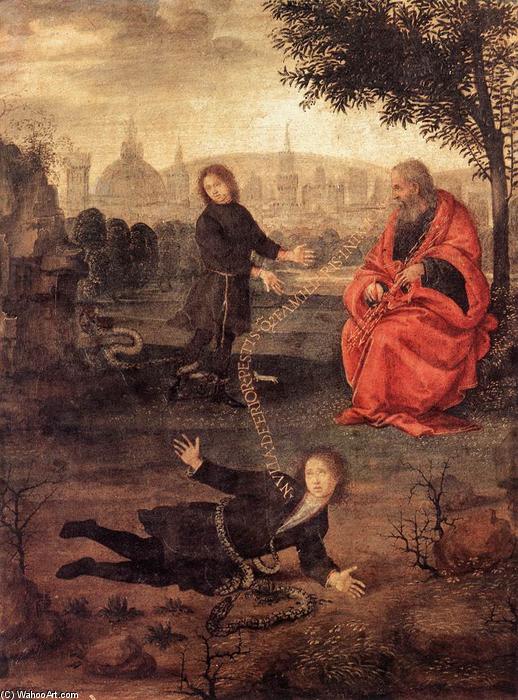
Allegory
 Acrylic On Canvas
- WallArt
- Renaissance
 1498
1498 29.0 x 22.0 cm
 Galleria degli Uffizi
 Read More
Hand Made Oil Reproduction
Hand-painted oil on canvas in your size and frame, made to order by our artists. ( Buy Print Buy Image)




































Pick from our preset sizes that match the artwork's original proportions.

You may enter your own dimensions to fit a specific frame or space. If your selected size does not match the original image's proportions, we will either crop the artwork or extend the painting with additional hand-painted elements. A digital mockup will be sent for your approval before production begins.
Please note that the on-screen preview does not reflect the actual cropping or extension. Only the mockup will accurately show the final composition.
While custom sizes are available, we recommend selecting a dimension from the predefined list to preserve the original proportions.
After order, ArtsDot.com team will email client for instructions and provide a mockup preview
Worldwide Delivery () in 3/4 weeks instead of standard 5 weeks. (17 August). No compromise on quality.

Free Worldwide Express Shipping

High-Quality Linen Canvas

Full Shipping Insurance

Customs Tax Refund Guarantee

True Color Matching Guarantee

60-Day Return Policy (Defects Only)

100% Money-Back Guarantee

Bulk Discount Offer
 Glass option is only available in size under 110 CM

Allegory
Reproduction Medium
Reproduction Size
-


Total Price
$ 263
Artwork Description
A Window Into Renaissance Thought: Exploring Filippino Lippi’s Allegory
The Allegory by Filippino Lippi stands as a testament to the intellectual fervor and artistic innovation of the High Renaissance, capturing not merely visual beauty but also profound philosophical ideas within its meticulously crafted frame. Completed in 1498 for Lorenzo de' Medici’s villa in Florence, this oil painting transcends mere decoration; it’s an invitation into a complex tapestry of symbolism designed to illuminate humanist principles and grapple with questions of virtue and divine grace.Composition and Technique: Renaissance Precision
Lippi’s masterful technique exemplifies the prevailing stylistic trends of his era. Employing glazing – layering thin translucent washes of pigment over underlying colors – he achieves remarkable luminosity and depth, mirroring the idealized beauty championed by artists like Leonardo da Vinci and Michelangelo. The painting's central figure, seated on a bench and holding a book, dominates the composition, reflecting the humanist preoccupation with reason and erudition that characterized Florentine culture during Medici patronage. Careful attention to anatomical accuracy—a hallmark of Renaissance art—contributes to the realism of the depiction, grounding the allegorical narrative in observable reality. The cityscape backdrop serves as more than just scenery; it symbolizes the earthly realm against which the figure’s contemplative stance is contrasted.Symbolism: Layers of Meaning Beneath the Surface
The Allegory's power resides largely in its symbolic vocabulary. The book itself represents knowledge and wisdom—a cornerstone of humanist thought, advocating for education as a path to moral virtue. Simultaneously, the chain encircling one of the figures embodies bondage and restraint, symbolizing the struggle against temptation and the pursuit of spiritual liberation. These interwoven symbols speak to the broader Renaissance concern with reconciling faith and reason – an ongoing debate that fueled artistic exploration and intellectual discourse. The vibrant red robe worn by the central figure is significant; it signifies nobility and divine grace—a visual affirmation of humanist ideals.Historical Context: Florence Under Medici Rule
Florence during Lorenzo de' Medici’s reign was a crucible of artistic creativity, driven by patronage and fuelled by a renewed interest in classical learning. The Allegory reflects this cultural climate, aligning with the humanist movement’s emphasis on human dignity and moral responsibility. Lippi’s work stands alongside other monumental frescoes commissioned by the Medicis—a collective effort to elevate Florentine art and culture to new heights of sophistication. It's a product of its time, embodying the aspirations of an elite society determined to express its values through visual splendor.Emotional Impact: Contemplation and Virtue
Ultimately, Filippino Lippi’s Allegory seeks to inspire contemplation and promote moral virtue. The serene posture of the central figure invites viewers to consider questions of ethical conduct and spiritual aspiration—themes that resonated deeply with Renaissance audiences. More than just a beautiful painting, it's a carefully constructed intellectual statement, demonstrating how art could serve as a vehicle for conveying profound philosophical ideas. Its enduring appeal lies in its ability to capture the essence of humanist thought and invite viewers into a dialogue about what constitutes a fulfilling human life—a legacy that continues to inspire admiration centuries later.Related Artworks



Artist Biography
Early Life and Training
- Born: April 1457, Prato, Italy
- Died: April 1504
- Parents: Fra Filippo Lippi (painter) and Lucrezia Buti
- Filippino was the illegitimate son of a renowned painter.
- Early training under his father laid the foundation for his artistic career.
Artistic Career and Development
- Early Period (1475-1480): Initial works, such as Madonnas, showed a less refined style. These were initially attributed to an anonymous artist known as "amico di Sandro."
- Evolution (1480-1485): Development of a more personal and effective approach in works like the *Journeys of Tobias*.
- Maturity (1485-1504): Mastery of the High Renaissance style, exemplified by *The Apparition of Christ to the Virgin*.
Major Works and Collaborations
- Collaboration with Perugino, Ghirlandaio, and Botticelli on frescoes at Lorenzo de' Medici’s villa.
- Completion of Masaccio's unfinished decoration in the Brancacci Chapel alongside Masolino.
- Notable works include: *The Coronation of the Virgin*, *Tobias and the Angel*, *St Jerome*, and *Scene from the Life of St Thomas Aquinas*.
Influences and Artistic Style
- Early Influences: Sandro Botticelli, Fra Filippo Lippi.
- Style Characteristics: Animated form and line, warm colorism, detailed landscapes, expressive figures, and a blend of perspective geometry with intimate interiors.
- Roman Antiquities: Studies after Roman antiquities during his time in Rome influenced his work, incorporating an antique vocabulary into his art.
Historical Significance and Legacy
- A leading Florentine exponent of the tradition of great fresco cycles.
- His influence on the High Renaissance is undeniable.
- Works are found in museums worldwide, including the Uffizi Gallery in Florence.
- Known for bridging the gap between earlier Renaissance styles and the emerging High Renaissance aesthetic.
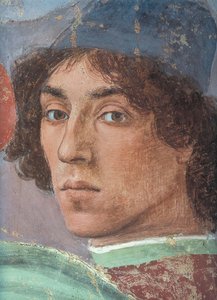
Filippino Lippi
1457 - 1504 , Italy
Quick Facts
- Artistic Movement Or Style: High Renaissance
- Artists Or Movements Influenced By This Artist: ['Raffaellino del Garbo']
- Artists Who Influenced This Artist:
- Fra Filippo Lippi
- Sandro Botticelli
- Date Of Birth: April 1457
- Date Of Death: April 1504
- Full Name: Filippino Lippi
- Nationality: Italian
- Notable Artworks:
- The Coronation of the Virgin
- Tobias and the Angel
- Scene from the Life of St Thomas Aquinas
- St Jerome
- Place Of Birth: Prato, Italy
Related Articles
Uffizi's 25 Masterpieces: Renaissance Art & Timeless Decor Inspiration
Journey through the Uffizi Gallery's 25 most iconic Renaissance artworks! Explore Botticelli, Leonardo da Vinci & Michelangelo’s masterpieces. Find museum-quality art reproductions and curated decor ideas to bring timeless Italian beauty into your home. Discover all masterpieces on ArtsDot.com
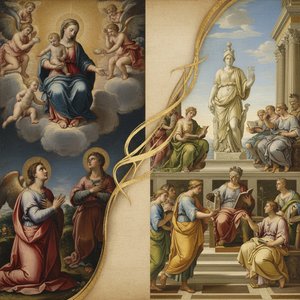
Filippino Lippi: Renaissance Innovation Bridging Faith & Humanism
Explore the captivating world of Filippino Lippi, a Renaissance master bridging faith & humanism through innovative art. Discover his key works, influences, and lasting legacy with ArtsDot.

Filippo Lippi: Bridging Renaissance Devotion & Artistic Innovation
Explore the life & revolutionary art of Filippo Lippi, a pivotal Renaissance painter. Discover his masterpieces, influence on Botticelli, and investment potential. Expert analysis at ArtsDot.
Unveiling Hidden Meanings: Allegory in Western Art History
Explore the rich history of allegory in Western art! Discover hidden meanings in masterpieces from Giotto to Bosch & beyond. Expert insights for collectors and enthusiasts at ArtsDot.
The Weight of Virtue and Vice: Exploring Moral Themes in Art History
Explore the captivating world of moral allegory in art history! Discover how Renaissance masters like Bosch, Botticelli & Lotto depicted virtue & vice. Expert analysis and stunning reproductions at ArtsDot.