 Send
Send Share
Share
 Details

 Download
 Similars
 Diaporama
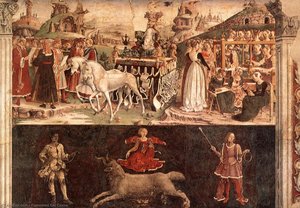
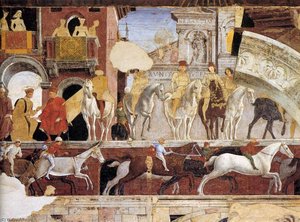
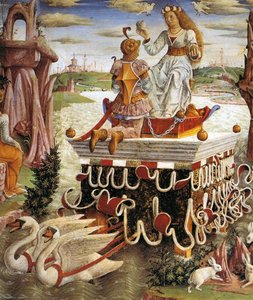
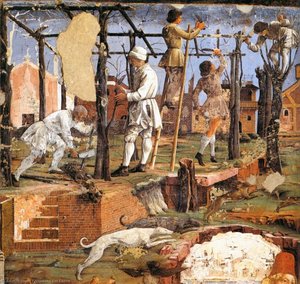
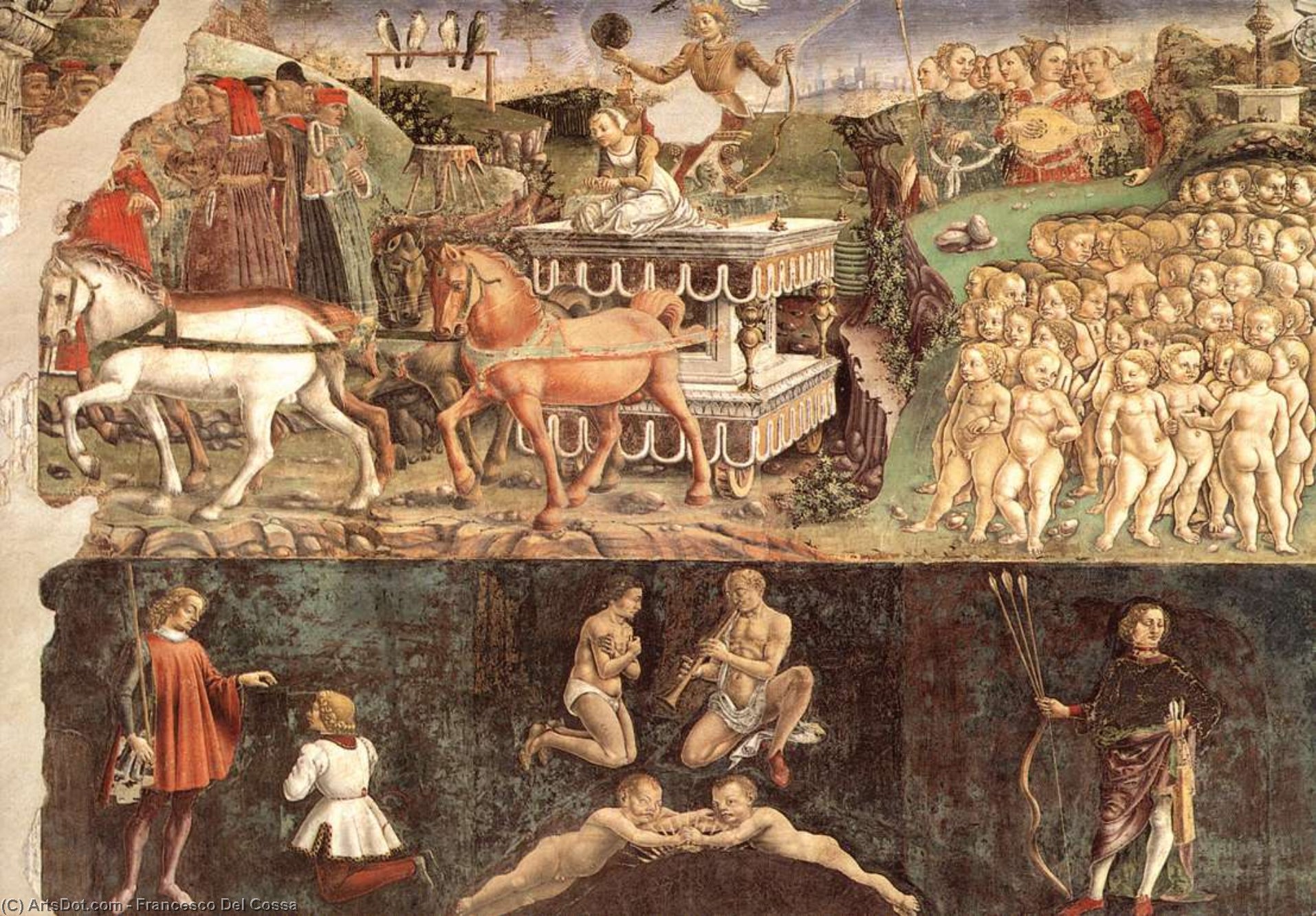
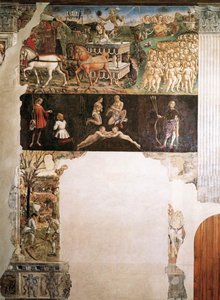
Allegory of May: Triumph of Apollo (detail)
 Fresco
- Renaissance
 1476
1476- Renaissance
 216.0 x 320.0 cm
 Palazzo Schifanoia
 Read More
Hand Made Oil Reproduction
Hand-painted oil on canvas in your size and frame, made to order by our artists. ( Buy Print Buy Image)




































Pick from our preset sizes that match the artwork's original proportions.

You may enter your own dimensions to fit a specific frame or space. If your selected size does not match the original image's proportions, we will either crop the artwork or extend the painting with additional hand-painted elements. A digital mockup will be sent for your approval before production begins.
Please note that the on-screen preview does not reflect the actual cropping or extension. Only the mockup will accurately show the final composition.
While custom sizes are available, we recommend selecting a dimension from the predefined list to preserve the original proportions.
After order, ArtsDot.com team will email client for instructions and provide a mockup preview
Worldwide Delivery () in 3/4 weeks instead of standard 5 weeks. (31 August). No compromise on quality.

Free Worldwide Express Shipping

High-Quality Linen Canvas

Full Shipping Insurance

Customs Tax Refund Guarantee

True Color Matching Guarantee

60-Day Return Policy (Defects Only)

100% Money-Back Guarantee

Bulk Discount Offer
 Glass option is only available in size under 110 CM

Allegory of May: Triumph of Apollo (detail)
Reproduction Medium
Reproduction Size
-


Total Price
$ 263
A Renaissance Vision: The Triumph of Apollo
In the delicate detail of Allegory of May: Triumph of Apollo, we are transported back to the vibrant, intellectual atmosphere of the Italian Quattrocento. Created in 1476 by the Ferrarese master Francesco del Cossa, this fresco fragment serves as a window into a world where myth and seasonal transition intertwine with breathtaking grace. The scene captures a moment of celestial and earthly celebration, centered around the powerful imagery of a man astride a horse, moving through a landscape teeming with life. As the eye wanders across the composition, it encounters a rhythmic dance of horses and figures, each element meticulously placed to evoke the burgeoning energy of spring. This is not merely a depiction of a season; it is a choreographed movement of light, motion, and classical grandeur.
The technique employed by Del Cossa showcases the distinctive Ferrarese school's penchant for sculptural clarity and intense, almost metallic brilliance. Even in this detailed view, one can sense the artist's mastery over form and texture. The horses are rendered with a muscular vitality that suggests both strength and elegance, while the surrounding figures possess a quiet, observational dignity. The interplay of light across the fresco creates a sense of depth, pulling the viewer into a space where birds take flight and human interactions feel caught in a timeless amber. For the discerning collector or interior designer, this piece offers a sophisticated layer of historical narrative, providing a focal point that commands attention through its intricate detail and classical poise.
Symbolism and the Spirit of the Renaissance
Beyond its visual splendor, the artwork is steeped in the complex symbolism characteristic of the late 15th century. The allegory of May serves as a metaphor for rebirth, fertility, and the cyclical nature of time, overseen by the triumphant presence of Apollo. The movement of the horses and the scattered groups of people represent the harmonious order of the natural world under divine influence. Every bird in flight and every subtle gesture among the crowd contributes to a larger narrative of prosperity and peace. This piece resonates with an emotional depth that speaks to the human desire for renewal and the celebration of life's most vibrant cycles.
Integrating a high-quality reproduction of this masterpiece into a contemporary space allows for a profound connection to the Renaissance spirit. Whether placed in a grand salon or a curated study, the Allegory of May brings an air of intellectual sophistication and timeless beauty. It serves as more than decoration; it is an invitation to contemplate the enduring legacy of Italian art history and the eternal triumph of light over darkness.
Related Artworks
Artist Biography
Francesco del Cossa: A Renaissance Master of Ferrara
Francesco del Cossa (c. 1436 – 1477) was a pivotal Italian Renaissance painter associated with the Ferrarese school. Born in Ferrara, Italy, he remains an intriguing figure whose life and career are somewhat shrouded in historical detail, yet his artistic contributions, particularly his frescoes, stand as testaments to his skill and innovative approach within the burgeoning Renaissance style.
Early Life and Training
Del Cossa was the son of a stonemason, Cristofano del Cossa, who also worked as an artist. Little is definitively known about Francesco’s early artistic training, but it's believed he assisted his father in painting decorations for the chapel of the Bishop's Palace in Ferrara around 1456. This early exposure to artistic practice undoubtedly shaped his initial development. He appears to have travelled outside of Ferrara during his late twenties or early thirties, gaining experience and potentially encountering new artistic influences.
Major Works and Artistic Style
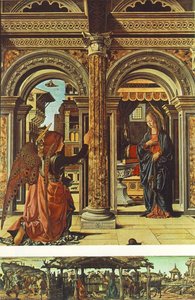
Del Cossa is primarily celebrated for his fresco cycles, most notably those adorning the Palazzo Schifanoia, a summer palace just outside the city gates of Ferrara. In collaboration with Cosimo Tura, he contributed to elaborate allegorical decorations depicting zodiacal signs and months of the year. Specific frescoes attributed to del Cossa include the "Allegory of May – Triumph of Apollo," notable for its striking depiction of a multitude of naked toddlers arranged in a visually arresting formation, and the “Allegory of April,” which features an early representation of the Three Graces, predating Botticelli’s famous version. These frescoes demonstrate his mastery of perspective, detail, and narrative storytelling.
- Palazzo Schifanoia Frescoes: Zodiacal allegories showcasing a blend of classical mythology and Renaissance realism.
- Allegory of May – Triumph of Apollo: Renowned for its unique portrayal of numerous naked children.
- Allegory of April: Features an early depiction of the Three Graces, demonstrating his understanding of classical themes.
Beyond the Palazzo Schifanoia, del Cossa produced other significant works:
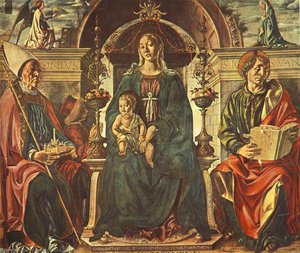
- Virgin and Child with Two Saints (Bologna)
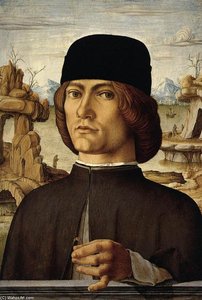
- Portrait of Alberto de' Catanei (Bologna)
- Fresco of Madonna del Baracano (Bologna), depicting the Virgin Mary and Child with portraits of Giovanni Bentivoglio and Maria Vinziguerra.
- Stained glass window at San Giovanni in Monte, Bologna (signed).
Development and Influences
Del Cossa’s style reflects a blend of influences characteristic of the Ferrarese Renaissance. While rooted in earlier Gothic traditions, his work demonstrates an increasing engagement with classical forms and humanist ideals. His attention to detail, particularly in depicting fabrics and textures, reveals a keen observational skill. The influence of early Netherlandish painting can also be detected in his meticulous rendering of details. His brief but impactful period in Bologna under the patronage of the Bentivoglio family further refined his style, leading to some of his most celebrated portraits.
Historical Significance
Francesco del Cossa’s legacy rests on his contributions to Ferrarese Renaissance art and his unique artistic vision. Though his career was relatively short, he left behind a body of work that showcases the dynamism and innovation of the period. His frescoes at Palazzo Schifanoia are invaluable documents of 15th-century courtly life and artistic patronage. His depictions of classical themes, such as the Three Graces, demonstrate an early engagement with humanist ideals. Del Cossa’s recent recognition in Ali Smith's novel "How to Be Both" and his connection to a Google Earth treasure hunt have further brought attention to this often-overlooked Renaissance master.
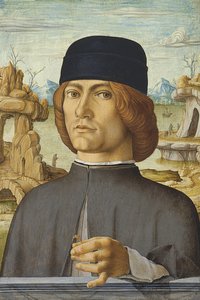
Francesco del Cossa
1436 - 1477 , Italy
Quick Facts
- Artistic Movement Or Style: Italian Renaissance
- Artists Or Movements Influenced By This Artist: ['Leonardo Scaletti']
- Date Of Birth: 1436
- Date Of Death: 1477
- Full Name: Francesco del Cossa
- Nationality: Italian
- Notable Artworks:
- Allegory of May
- Allegory of April
- Portrait of a Man
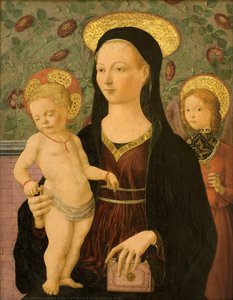
- Madonna with the Child
- St. Vincent Ferrer
- Place Of Birth (City And Country): Ferrara, Italy
Related Articles

The Fresco as Family Legacy: Preserving Heritage Through Wall Art
Explore the rich history & enduring legacy of fresco painting. Discover how to preserve family heritage through stunning wall art. Expert insights & restoration guidance.

The Enduring Legacy of Fresco Painting: Techniques, History & Contemporary Relevance
Explore the rich history & enduring artistry of fresco painting – from Giotto to Michelangelo! Discover techniques, conservation efforts, & modern applications. Learn how ArtsDot brings this timeless art form to your home.

The Enduring Legacy of Fresco: Technique, History & Artistic Expression Across Cultures
Explore the rich history & enduring legacy of fresco painting! Discover ancient techniques, Giotto's masterpieces, and modern applications. Expert insights for art lovers & professionals.

Art That Lives With You: The Emotional Power of a Custom Interior Fresco
Discover the emotional power & timeless beauty of custom interior frescoes. Explore history, design tips & expert guidance from – creating lasting legacies.
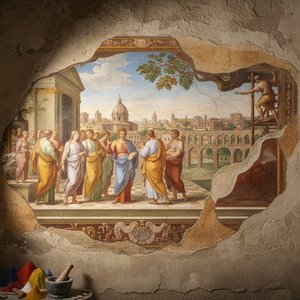
The Enduring Legacy of Fresco: Technique, History & Artistic Expression
Explore the rich history & enduring artistry of fresco painting. Discover techniques from Giotto to Michelangelo, conservation efforts, & modern applications. Learn how ArtsDot brings this timeless art form to your home.