 Preview
 Send
Send Share
Share
 Details

 Download
 Similars
 X-Ray
X-Ray Diaporama
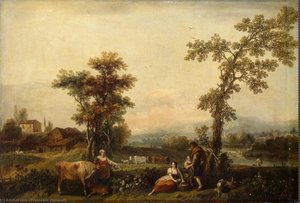
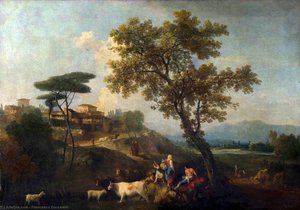
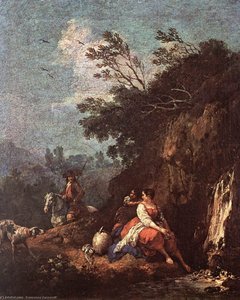
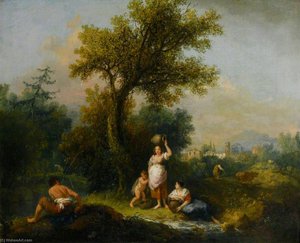
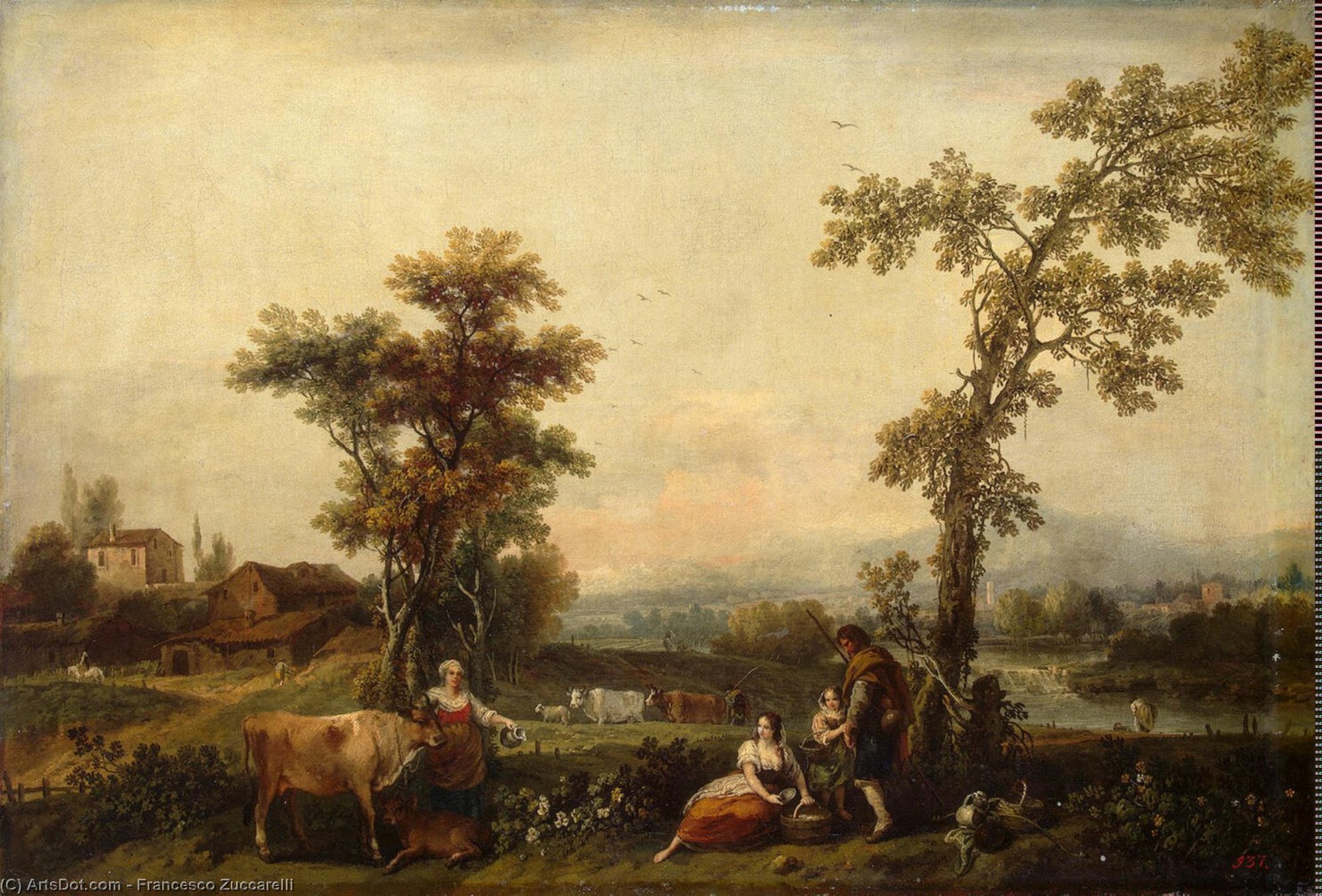
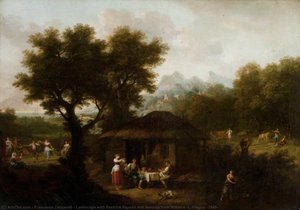
Landscape with a Woman Leading a Cow
 Acrylic On Canvas
- WallArt
- Late Baroque / Rococo
 60.0 x 88.0 cm
 Hermitage Museum
 Read More
Giclée / Art Print
Museum-quality giclée or canvas print with fast production and flexible finish options. ( Buy Hand Made Painting Buy Image)




P118B $10

P118H $10

P118W $10

P438Z $10

P508JH $12

P508YH $12

P805H $10

P805Z $10

P919BZ $10

P919G $10

P919XJ $10

P959ZH $10

P968JZ $12

W106C $8

W218G $10

W218JH $8

W218Y $10

W307PJ $10

W316G $10

W316PJ $8

W316Y $10

W398PJ $8

W4111J $10

W500HY $15

W500JH $15

W692G $12

W849H $8

W940BG $15

W953PJ $8




Pick from our preset sizes that match the artwork's original proportions.

You may enter your own dimensions to fit a specific frame or space. If your selected size does not match the original image's proportions, we will either crop the artwork or extend the image with a mirrored or solid-fill edge. A digital mockup will be sent for your approval before production begins.
Please note that the on-screen preview does not reflect the actual cropping or extension. Only the mockup will accurately show the final composition.
While custom sizes are available, we recommend selecting a dimension from the predefined list to preserve the original proportions.
Worldwide Delivery () in 2 weeks instead of standard 4/5 weeks. (26 August)

Free Worldwide Express Shipping

High-Quality Linen Canvas

Full Shipping Insurance

Customs Tax Refund Guarantee

True Color Matching Guarantee

60-Day Return Policy (Defects Only)

100% Money-Back Guarantee

Bulk Discount Offer
 Glass option is only available in size under 110 CM

Landscape with a Woman Leading a Cow
Giclée / Art Print
Reproduction Size
-


Total Price
$ 63
Collectible Description
Francesco Zuccarelli: Capturing Arcadia's Tranquility
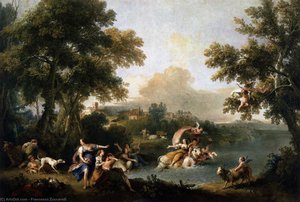
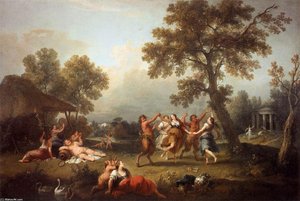
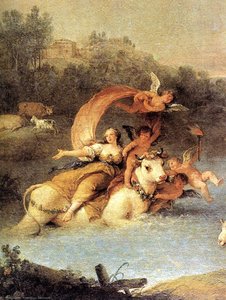
Francesco Zuccarelli (1702-1788), born in Pitigliano, Tuscany, stands as one of the most celebrated landscape painters hailing from Venice during the opulent mid-18th century. His artistic legacy resides primarily in his masterful depictions of idyllic landscapes—Arcadian scenes brimming with serene beauty and embodying the ideals of the Rococo movement. Zuccarelli’s canvases transported viewers to idealized realms mirroring classical pastoral poetry, reflecting a profound fascination with nature's restorative power and harmonious order. He achieved considerable renown throughout Europe, notably securing royal patronage in England where he resided for extended periods, cementing his position as a pivotal figure in Venetian art history. Early Training and Roman Influences Zuccarelli’s formative years were spent honing his skills under the tutelage of Giovanni Maria Morandi and Pietro Nelli in Rome. Initially drawn to portraiture, he swiftly transitioned towards engraving, demonstrating an exceptional aptitude for capturing nuanced detail—a characteristic that would permeate his subsequent artistic endeavors. His engagement with etching involved painstakingly recreating frescoes deteriorating within St Luke’s Church, showcasing not only technical prowess but also a deep appreciation for classical aesthetics and compositional principles. Luigi Lanzi further nurtured Zuccarelli's artistic sensibilities, shaping him into a true connoisseur of Roman art traditions. The Venetian Landscape Tradition Zuccarelli’s stylistic hallmark is undeniably his embrace of the Venetian landscape tradition—a movement that flourished during the Baroque era and continued to evolve into the Rococo period. Unlike earlier painters who prioritized dramatic vistas and turbulent skies, Zuccarelli favored softer palettes and delicately rendered foliage, prioritizing atmospheric perspective and capturing fleeting moments of natural grace. His compositions often featured figures engaged in pastoral activities – shepherds tending flocks, nymphs bathing in streams—creating scenes that resonated with humanist ideals emphasizing human connection to the natural world. These depictions weren’t merely aesthetically pleasing; they served as visual meditations on virtue, contemplation, and the pursuit of spiritual harmony. Technique and Materials Zuccarelli's technique involved meticulous layering of oil paints upon canvas, utilizing glazing techniques to achieve luminous colors and subtle tonal variations. He skillfully employed atmospheric perspective—a cornerstone of Venetian painting—to convey depth and realism while simultaneously conveying an ethereal quality characteristic of Rococo art. The artist’s careful attention to detail extended beyond mere representation; he sought to evoke emotion through nuanced brushstrokes and expressive color harmonies, mirroring the sensibilities of his time. Furthermore, Zuccarelli's use of pigments – primarily derived from mineral sources – contributed to the rich textures and luminous hues that define his landscapes. Symbolism and Emotional Impact Beyond its formal beauty, Zuccarelli’s work carries significant symbolic weight. The Arcadian landscapes he depicted served as emblems of moral virtue—representing innocence, tranquility, and spiritual contemplation. Recurring motifs such as flowering meadows, babbling brooks, and dappled sunlight symbolized rebirth, purity, and divine grace. By immersing viewers in these idealized environments, Zuccarelli aimed to inspire a sense of serenity and upliftment—a testament to the enduring power of art to transcend mere visual perception and engage the viewer’s intellect and emotions. His paintings continue to captivate audiences today with their timeless appeal and profound reflection on humanity's relationship with nature.Related Artworks

Artist Biography
Francesco Zuccarelli: A Life in Landscape
- Born: Pitigliano, Italy (1702)
- Died: 1788
- Movement: Late Baroque / Rococo
Giacomo Francesco Zuccarelli, known primarily as Francesco Zuccarelli, was a pivotal Italian artist renowned for his idyllic landscapes and Arcadian scenes. Born in Pitigliano, Tuscany, in 1702, he emerged as the most significant landscape painter from Venice during the mid-18th century. His work resonated deeply across Europe, particularly in England, where he spent considerable periods under royal patronage.
Early Training and Roman Influences
- Apprenticeship: Zuccarelli began his artistic journey as an apprentice to Giovanni Maria Morandi and Pietro Nelli in Rome, focusing initially on portraiture.
- Engravings & Frescoes: From 1728-1731, he dedicated himself largely to engraving the deteriorating frescoes of Giovanni da San Giovanni and Andrea del Sarto, demonstrating a keen eye for detail and classical influences.
- Paolo Anesi's Guidance: Luigi Lanzi noted that Paolo Anesi was instrumental in guiding Zuccarelli towards landscape painting, shaping his artistic direction.
His early works reveal the influence of Roman classicism and a developing interest in capturing the beauty of the Italian countryside.
Venetian Period and Rise to Prominence
- Arrival in Venice: Around 1732, Zuccarelli relocated to Venice, capitalizing on an opening in landscape painting.
- Distinctive Style: He developed a distinctive style characterized by a mellow palette, airy compositions, and figures brought to life with luminous tonal values—a departure from the typical Venetian colors of his predecessors.
- Patronage & Collaborations: Zuccarelli quickly gained patronage from influential figures like Marshal Schulenburg, Joseph Smith (British Consul), and Francesco Algarotti. He frequently collaborated with artists such as Antonio Visentini and Bernardo Bellotto. Notable collaborations include the creation of neo-Palladian architecture series and a set of Old Testament playing cards featuring hand-colored scenes.
- Royal Academy Membership: In 1768, he became a founding member of the Royal Academy of Arts in London, solidifying his reputation on an international stage.
This period marked Zuccarelli's ascent to fame, with his landscapes captivating audiences across Europe and establishing him as a leading figure in the Rococo movement.
Later Years, Decline & Renewed Appreciation
- Critical Reception: Despite initial acclaim, Zuccarelli’s reputation waned in the early 19th century as naturalism gained prominence. Critics like Turner offered tempered praise, acknowledging his figures' beauty while questioning his overall style.
- Michael Levey's Analysis: Art historian Michael Levey later attributed Zuccarelli's widespread appeal to the decorative nature of his work, particularly among English audiences.
- Modern Reassessment: Since the 1990s, Italian scholars have spearheaded a renewed appreciation for Zuccarelli’s contributions, highlighting his significance in landscape painting and showcasing his works in numerous exhibitions.
Today, Francesco Zuccarelli is recognized as a master of the Rococo period, celebrated for his idyllic landscapes that evoke a sense of tranquility and classical beauty. His legacy continues to inspire artists and captivate audiences worldwide.
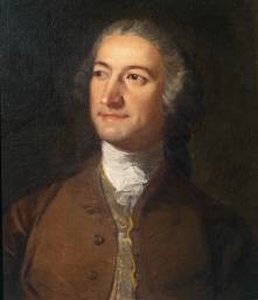
Francesco Zuccarelli
1702 - 1788 , Italy
Quick Facts
- Artistic Movement Or Style: Rococo, Baroque
- Artists Who Influenced This Artist:
- Paolo Anesi
- Claude Lorrain
- Andrea del Sarto
- Date Of Birth: August 15, 1702
- Date Of Death: December 30, 1788
- Full Name: Giacomo Francesco Zuccarelli
- Nationality: Italian
- Notable Artworks:
- Capriccio with San Giorgio Maggiore
- Classical Landscape
- Landscape with Girls at the River
- Bacchanal
- Place Of Birth (City And Country): Pitigliano, Italy
Related Articles
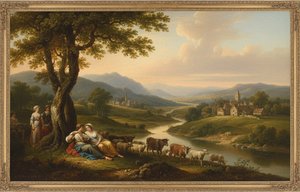
Idyllic Visions: Exploring the Pastoral Scene in Art History – From Arcadia to Modern Interpretations
Explore the captivating history of pastoral art from classical Arcadia to modern masterpieces. Discover key artists like Millet & Cole at ArtsDot. Find serene landscape paintings for your home.
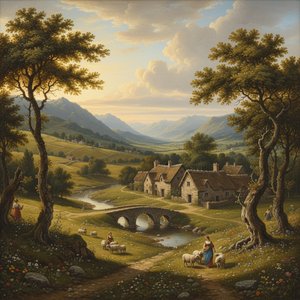
Idyllic Visions: Exploring the Pastoral Tradition in Western Art – Themes, Techniques & Enduring Appeal
Explore the rich history of pastoral art from classical Arcadia to contemporary interpretations. Discover key artists, themes & collecting tips at ArtsDot.
Evoking Arcadia: A Historical & Aesthetic Exploration of Rural Landscape Art
Explore the rich history of pastoral landscape art, from classical Arcadia to Impressionism & beyond. Discover key artists, movements, and how to collect serene rural scenes for your home. Expert insights at ArtsDot.
Idyllic Visions: Exploring Pastoral Scenes in Art History – From Arcadia to Modern Interpretations
Explore the captivating history of pastoral art, from classical Arcadia to 19th-century masterpieces. Discover key artists like Millet & Cole and find serene landscape paintings for your home at ArtsDot.
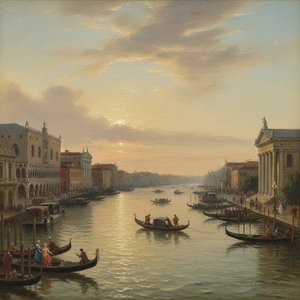
Francesco Guardi: Venetian Light, Atmospheric Perspective & the Rococo to Neoclassical Transition
Explore the captivating world of Francesco Guardi, master of Venetian light and atmosphere. Discover his transition from Rococo to Neoclassicism, influence on Impressionism & investment potential with ArtsDot.