 Preview
 Send
Send Share
Share
 Details

 Download
 Similars
 X-Ray
X-Ray Diaporama
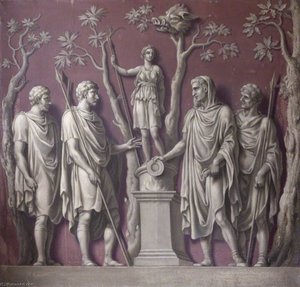
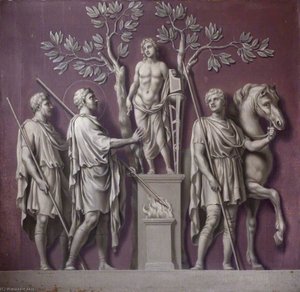
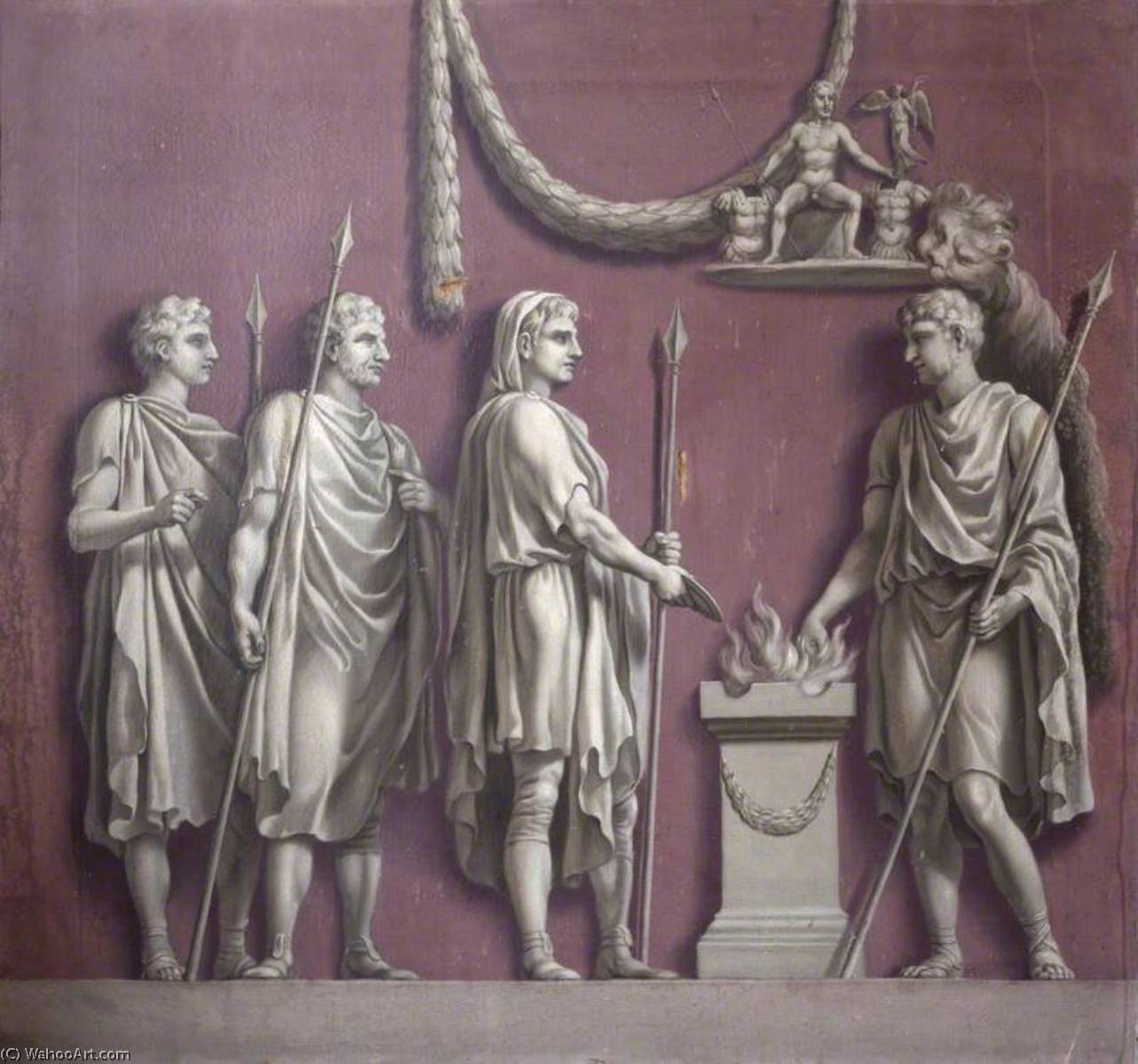
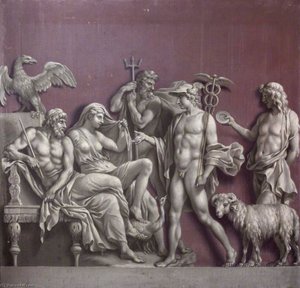
The Emperor Trajan Sacrificing to Mars Victorious (from the Arch of Constantine)
 Oil On Panel
- Rococo
 92.0 x 92.0 cm
 National Trust
 Read More
Hand Made Oil Reproduction
Hand-painted oil on canvas in your size and frame, made to order by our artists. ( Buy Print Buy Image)




P118B $10

P118H $10

P118W $10

P438Z $10

P508JH $12

P508YH $12

P805H $10

P805Z $10

P919BZ $10

P919G $10

P919XJ $10

P959ZH $10

P968JZ $12

W106C $8

W218G $10

W218JH $8

W218Y $10

W307PJ $10

W316G $10

W316PJ $8

W316Y $10

W398PJ $8

W4111J $10

W500HY $15

W500JH $15

W692G $12

W849H $8

W940BG $15

W953PJ $8




Pick from our preset sizes that match the artwork's original proportions.

You may enter your own dimensions to fit a specific frame or space. If your selected size does not match the original image's proportions, we will either crop the artwork or extend the painting with additional hand-painted elements. A digital mockup will be sent for your approval before production begins.
Please note that the on-screen preview does not reflect the actual cropping or extension. Only the mockup will accurately show the final composition.
While custom sizes are available, we recommend selecting a dimension from the predefined list to preserve the original proportions.
After order, ArtsDot.com team will email client for instructions and provide a mockup preview
Worldwide Delivery () in 3/4 weeks instead of standard 5 weeks. (26 August). No compromise on quality.

Free Worldwide Express Shipping

High-Quality Linen Canvas

Full Shipping Insurance

Customs Tax Refund Guarantee

True Color Matching Guarantee

60-Day Return Policy (Defects Only)

100% Money-Back Guarantee

Bulk Discount Offer
 Glass option is only available in size under 110 CM

The Emperor Trajan Sacrificing to Mars Victorious (from the Arch of Constantine)
Reproduction Medium
Reproduction Size
-


Total Price
$ 263
Artwork Description
The Emperor Trajan Sacrificing to Mars Victorious (from the Arch of Constantine)
Francis Hayman’s “The Emperor Trajan Sacrificing to Mars Victorious” stands as a monumental achievement in Rococo portraiture and embodies the grandeur of the Royal Academy's formative years. Executed around 1720-1776, this oil painting on panel captures a pivotal moment in Roman history—the symbolic offering made by Emperor Trajan to Mars Victorius, protector of Rome and military triumph—a scene meticulously rendered against the backdrop of a temple adorned with statues. More than just an image, it’s a carefully constructed narrative designed to convey power, piety, and imperial ambition. ### Artistic Style and Technique: Rococo Elegance Hayman's mastery lies in his adeptness at embodying the stylistic hallmarks of Rococo art. Unlike the solemn grandeur of Baroque painting, Rococo prioritizes delicate ornamentation, pastel hues, and asymmetrical compositions—elements skillfully deployed here to create an atmosphere of refined beauty and aristocratic sophistication. The artist’s brushstrokes are fluid and expressive, capturing subtle nuances of light and shadow that imbue the scene with a palpable sense of drama. Notice how Hayman utilizes chiaroscuro – the dramatic interplay between light and dark – to sculpt the figures and emphasize Trajan's regal posture and Mars Victorious’ commanding presence. The meticulous attention to detail—from the folds of Trajan’s robes to the flickering flames of the altar—demonstrates Hayman’s unwavering commitment to realism within a stylized framework. ### Historical Context: Triumph and Divine Favor The painting draws inspiration from the Arch of Constantine, erected in Rome after Emperor Constantine's decisive victory over Maxentius in 312 AD. This monumental triumphal arch commemorated Constantine’s triumph over pagan rivals and solidified Christianity’s ascendancy as the dominant religion within the empire. Hayman skillfully translates this historical narrative into visual form, portraying Trajan as actively seeking divine favor—specifically Mars Victorius—to secure Rome's continued prosperity and safeguard its military strength. The temple setting serves as a powerful symbol of imperial authority and religious devotion, reinforcing the idea that rulers must rely on divine guidance to maintain stability and achieve greatness. ### Symbolism: Sacrifice and Divine Protection Beyond its historical context, “The Emperor Trajan Sacrificing to Mars Victorious” is rich in symbolic meaning. The sacrificial altar represents a solemn acknowledgment of piety and submission to the gods—a cornerstone of Roman religious belief. Trajan’s gesture embodies humility before divine power, recognizing that even emperors are ultimately dependent on celestial intervention for success. Mars Victorius, depicted as a warrior god wielding his spear, symbolizes military prowess and protection against enemies—themes central to Constantine's reign and crucial to Rome’s defense during the turbulent years following 312 AD. The overall composition reinforces this message of divine guardianship, suggesting that Trajan’s offering ensures Rome’s continued triumph over adversity. ### Emotional Impact: Majesty and Reverence The painting evokes a profound sense of majesty and reverence—capturing not merely the visual splendor of the scene but also its emotional resonance. Hayman's masterful use of color contributes to this effect, employing muted pastel shades that convey tranquility and solemnity. The figures themselves are rendered with expressive faces conveying dignity and contemplation—reflecting the seriousness of the ritual depicted. Viewing “The Emperor Trajan Sacrificing to Mars Victorious” inspires a feeling of awe at the scale of imperial ambition and the enduring influence of Roman religious tradition. It remains an unforgettable testament to Hayman’s artistic genius and his ability to transform historical narrative into emotionally compelling art.Related Artworks
Artist Biography
The Dramatic Vision of Francis Hayman
In the vibrant, shifting landscape of eighteenth-century British art, few figures possessed the versatile brilliance of Francis Hayman. Born in Exeter in 1708, Hayman did not merely observe the cultural evolution of his era; he actively shaped its visual language. His journey began far from the refined galleries of London, rooted instead in the ephemeral and high-stakes world of theatrical scenery. This early immersion in the dramatic arts provided him with a unique advantage, instilling a profound understanding of composition, light, and narrative tension that would later define his mastery of the Rococo style. As he transitioned from a scenic painter to an independent artist in St Martin's Lane, Hayman brought with him a storyteller’s soul, capable of transforming a static canvas into a window onto a theatrical moment.
The aesthetic essence of Hayman’s work is deeply intertwined with the Rococo movement, an era characterized by grace, ornament, and a certain lighthearted elegance. Drawing inspiration from the opulent French masters such as François Boucher, Hayman embraced a palette of delicate pastels and fluid, rhythmic brushstrokes. Yet, his work was never purely decorative; it possessed a structural integrity informed by classical ideals. Through his connection to the burgeoning intellectual circles of London, he integrated a sense of proportion and form that allowed his portraits to transcend mere likeness, capturing instead the very essence of character and social standing.
A Legacy of Royal Academy and Narrative Mastery
Hayman’s historical significance is anchored by his foundational role in the establishment of the Royal Academy. As a founding member and the institution's inaugural librarian, he helped lay the groundwork for professional artistic standards in Britain. This position of influence allowed him to bridge the gap between the popular, often boisterous, entertainment of the masses and the high-minded pursuits of the academic elite. His ability to navigate these different worlds is perhaps best seen in his diverse body of work, which ranges from the monumental to the intimate.
His artistic repertoire was remarkably expansive, showcasing a talent that could pivot between genres with seamless ease:
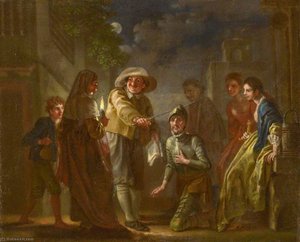
- Theatrical and Literary Scenes: Hayman possessed a rare ability to breathe life into literature, creating evocative depictions of Shakespearean drama and lively scenes from Don Quixote, such as the spirited moment of the innkeeper knighting the knight.
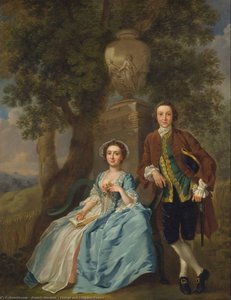
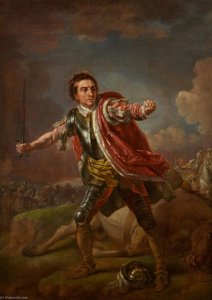
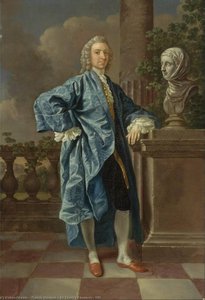
- Portraiture: He became a sought-after chronicler of his age, capturing the charisma of legendary actors like David Garrick and the aristocratic elegance of figures such as Dr. Charles Chauncey, MD.
- Decorative Commissions: His work for the Vauxhall Pleasure Gardens demonstrated his skill in large-scale storytelling, where he used art to enhance the public's sensory experience of leisure and joy.
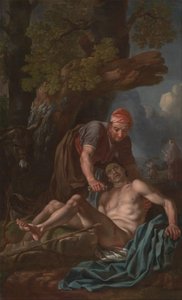
- Biblical and Mythological Themes: Through works like The Good Samaritan, Hayman utilized his Rococo sensibilities to explore profound themes of compassion, charity, and divine interaction.
Ultimately, the life of Francis Hayman was a testament to the power of visual storytelling. By blending the theatricality of the stage with the refined elegance of the Rococo, he created a body of work that remains a vital window into the Enlightenment era. His legacy persists not only in the canvases that bear his name but in the very structure of British art history, marking him as a true pioneer who helped elevate the status of the painter from craftsman to academic master.
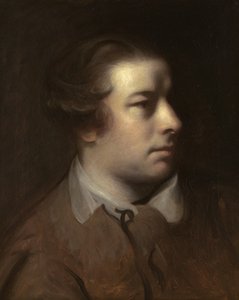
Francis Hayman
1708 - 1776 , United Kingdom
Quick Facts
- Artistic Movement Or Style: Rococo, Portraiture
- Artists Or Movements Influenced By This Artist: ['Gainsborough']
- Artists Who Influenced This Artist: ['Joshua Reynolds']
- Date Of Birth: 1708, Exeter
- Date Of Death: 1776, London
- Full Name: Francis Hayman
- Nationality: English
- Notable Artworks:
- Hamlet Scene
- Dancing Milkmaids
- Wapping Landlady
- Place Of Birth: Exeter, UK
Related Articles
From Grandeur to Grace: Exploring the Evolution of Baroque & Rococo Art
Explore the captivating evolution from Baroque's drama to Rococo's grace! Discover key artists, characteristics & lasting influence of these art movements with expert insights at ArtsDot.

Baroque Masterpieces: 10 Paintings That Defined an Era |
Journey through the drama & grandeur of Baroque art! Explore 10 masterpieces by Caravaggio, Rembrandt, Rubens & more. Discover stunning oil paintings, rich colors & timeless stories. Find museum-quality reproductions at .

Rococo's Radiant Legacy: 10 Masterpieces for Your Home |
Indulge in the elegance of Rococo! Explore 10 masterpieces by Fragonard, Boucher & Watteau. Discover the stories behind these iconic paintings and bring timeless art to your home with museum-quality reproductions from .
The Enduring Legacy of Hand-Painted Oil Paintings: Aesthetic Value, Longevity & Emotional Resonance
Explore the enduring legacy of hand-painted oil paintings. Discover the aesthetic value, material longevity & emotional resonance that sets original art—and expertly crafted reproductions—apart. Invest in timeless beauty.

From Initial Sketch to Enduring Legacy: A Comprehensive Exploration of the Oil Painting Reproduction Process
Discover the art of museum-quality oil painting reproduction. Explore our expert process, skilled artists & authentic replicas. Elevate your home with timeless beauty – handcrafted and customized to your vision.