 Preview
 Send
Send Share
Share
 Details

 Download
 Similars
 X-Ray
X-Ray Diaporama
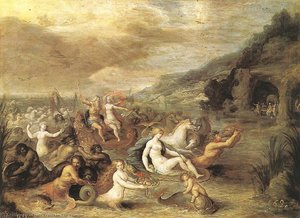
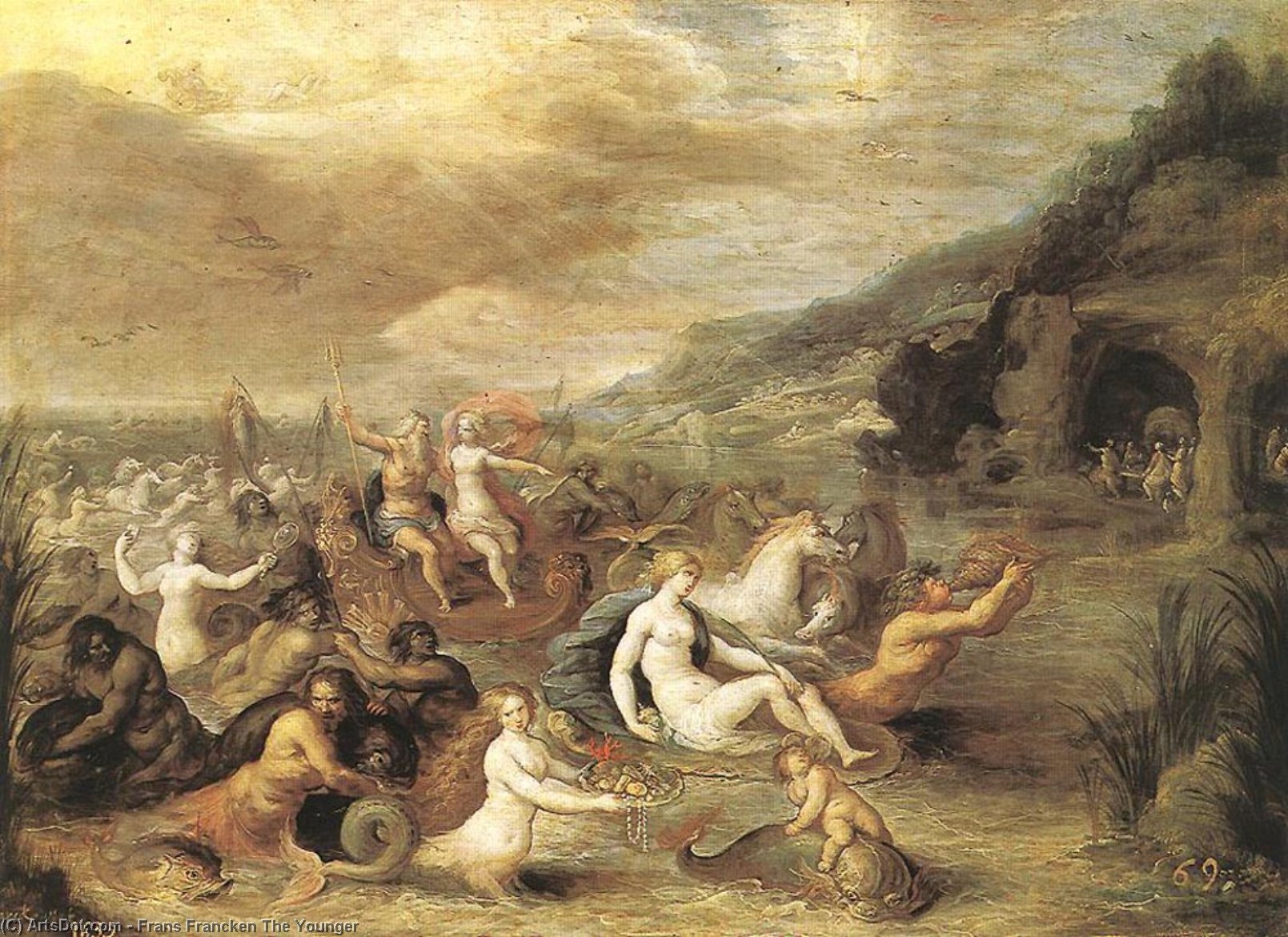
Triumph of Amphitrite
 Oil On Copper
- Baroque
 30.0 x 41.0 cm
 Museo del Prado
 Read More
Giclée / Art Print
Museum-quality giclée or canvas print with fast production and flexible finish options. ( Buy Hand Made Painting Buy Image)




P118B $10

P118H $10

P118W $10

P438Z $10

P508JH $12

P508YH $12

P805H $10

P805Z $10

P919BZ $10

P919G $10

P919XJ $10

P959ZH $10

P968JZ $12

W106C $8

W218G $10

W218JH $8

W218Y $10

W307PJ $10

W316G $10

W316PJ $8

W316Y $10

W398PJ $8

W4111J $10

W500HY $15

W500JH $15

W692G $12

W849H $8

W940BG $15

W953PJ $8




Pick from our preset sizes that match the artwork's original proportions.

You may enter your own dimensions to fit a specific frame or space. If your selected size does not match the original image's proportions, we will either crop the artwork or extend the image with a mirrored or solid-fill edge. A digital mockup will be sent for your approval before production begins.
Please note that the on-screen preview does not reflect the actual cropping or extension. Only the mockup will accurately show the final composition.
While custom sizes are available, we recommend selecting a dimension from the predefined list to preserve the original proportions.
Worldwide Delivery () in 2 weeks instead of standard 4/5 weeks. (27 August)

Free Worldwide Express Shipping

High-Quality Linen Canvas

Full Shipping Insurance

Customs Tax Refund Guarantee

True Color Matching Guarantee

60-Day Return Policy (Defects Only)

100% Money-Back Guarantee

Bulk Discount Offer
 Glass option is only available in size under 110 CM

Triumph of Amphitrite
Giclée / Art Print
Reproduction Size
-


Total Price
$ 63
Collectible Description
The Grandeur of Poseidon’s Realm
Frans Francken the Younger's "Triumph of Amphitrite," painted circa 1625-30, is more than just a depiction of a mythological scene; it’s an immersive journey into the heart of ancient Greek power and divine beauty. The painting, now residing in the Museo del Prado in Madrid, captures a pivotal moment – the celebration of Poseidon, god of the sea, and his queen, Amphitrite. Francken masterfully transports us to a realm where the boundaries between terrestrial and aquatic worlds blur, creating an atmosphere of both regal authority and captivating serenity.

A Symphony of Baroque Detail
Executed in oil on copper, a technique favored for its luminosity and durability, "Triumph of Amphitrite" exemplifies the height of Flemish Baroque artistry. Francken’s meticulous attention to detail is immediately apparent – from the intricate folds of the drapery adorning the gods and goddesses to the subtle play of light and shadow across their faces and garments. The composition is a carefully orchestrated dance of figures, each rendered with remarkable realism and imbued with an air of dignified importance. Notice particularly the way he captures the texture of the seafoam, the shimmer of the water, and the weight of the bronze armor worn by some of the figures – all hallmarks of his skill.
The painting’s palette is rich and vibrant, dominated by deep blues and greens that evoke the depths of the ocean. Golds and reds are strategically employed to highlight key elements, such as Amphitrite's crown and the opulent decorations surrounding Poseidon. This masterful use of color not only enhances the visual impact of the artwork but also contributes to its overall sense of grandeur and majesty.
Mythological Narrative and Symbolic Resonance
The scene unfolds with a carefully constructed narrative, drawing upon well-established Greek myths. Poseidon, seated on a magnificent throne, commands attention as he celebrates his dominion over the seas. Around him gather a host of deities – including Neptune, Triton, and various nymphs – all participating in this lavish tribute. The presence of Amphitrite, depicted with an air of serene grace, underscores her role as the queen of the ocean and the embodiment of its power. The inclusion of symbols like tridents, laurel wreaths, and seashells further reinforces the painting’s mythological context.
Beyond the literal depiction of a mythological event, "Triumph of Amphitrite" is laden with symbolic meaning. The sea itself represents both chaos and order, abundance and danger – forces that Poseidon controls with his divine authority. The painting can be interpreted as an allegory for the balance between these opposing forces, suggesting that only through the guidance of a strong leader—in this case, Poseidon—can humanity navigate the complexities of life.
A Legacy in Art and Reproduction
Frans Francken the Younger’s “Triumph of Amphitrite” stands as a testament to his artistic prowess and his ability to capture the spirit of the Baroque era. His work has been admired by collectors and art historians alike for its technical brilliance, dramatic composition, and evocative imagery. Today, high-quality reproductions offer an accessible way to experience the beauty and power of this remarkable painting. When commissioning a hand-painted reproduction, consider the meticulous detail and vibrant colors that characterize Francken’s original – ensuring that you bring a piece of Baroque history into your home or office.
Related Artworks

Artist Biography
Bernardo Strozzi: A Venetian Baroque Visionary
Bernardo Strozzi, a name synonymous with the dramatic intensity and luminous color of 17th-century Venice, was more than just an artist; he was a pivotal figure in shaping the city’s distinctive Baroque style. Born in Genoa around 1581 and tragically dying in Venice in 1644, Strozzi's life was marked by both artistic brilliance and spiritual transformation. Initially trained under Cesare Corte and later Pietro Sorri – artists who steered him away from the rigid Mannerism of Luca Cambiaso towards a more naturalistic approach – he quickly established himself as a master painter whose works resonated deeply with Venetian sensibilities. His career unfolded across two key cities, Genoa and Venice, each leaving an indelible mark on his artistic development. Strozzi’s early years were spent in Genoa, where he honed his skills and gained recognition for his ability to capture human emotion with remarkable immediacy. He was a prolific painter of history, allegorical scenes, genre works depicting musicians, and portraits – all rendered with a captivating blend of realism and theatricality. His subjects weren't merely depicted; they were imbued with a palpable sense of drama and psychological depth. Crucially, Strozzi’s artistic journey took an unexpected turn when he embraced the Capuchin monastic order in 1598. This decision profoundly influenced his work, imbuing it with a spiritual intensity and a focus on religious themes. The nickname “Il Prete Genovese” (the Genoese Priest) reflected this transformation, highlighting his dual identity as both an artist and a devout monk. This period saw him producing numerous devotional paintings, often featuring scenes from the life of St. Francis of Assisi – a testament to the order’s core values. The shift to Venice in 1630 marked a new chapter in Strozzi's career. The Venetian atmosphere, with its vibrant artistic community and patronage system, provided fertile ground for his continued development. He quickly established himself as a leading figure in the city’s art scene, attracting commissions from prominent families like the Doria and Centurione. His Venetian works are characterized by an even greater emphasis on color, light, and dramatic composition – hallmarks of the Venetian Baroque style. Strozzi's palette was rich and luminous, drawing inspiration from the work of both Caravaggio, known for his masterful use of chiaroscuro, and Gentileschi, whose dynamic brushwork and emotional intensity resonated with Strozzi’s own artistic vision. He skillfully blended these influences, creating a unique style that was simultaneously powerful and deeply moving.Key Artistic Characteristics & Techniques
Strozzi's art is immediately recognizable by several distinctive features. Firstly, his use of color is extraordinarily vibrant – deep reds, rich blues, and luminous yellows dominate his canvases, creating an atmosphere of intense drama and emotional resonance. Secondly, he employed a dynamic brushstroke technique, characterized by broad, energetic strokes that convey movement and vitality. This approach was particularly evident in his depictions of figures in motion, such as those found in his celebrated “Recapture of Bahía” painting for the Royal Buen Retiro Palace in Madrid. Furthermore, Strozzi masterfully utilized *chiaroscuro*, a technique involving strong contrasts between light and dark, to heighten the dramatic impact of his compositions. This was not merely a stylistic choice; it served to draw the viewer’s eye to key elements within the scene and to evoke specific emotions. His ability to capture fleeting expressions of emotion – joy, sorrow, fear – is truly remarkable, making his portraits particularly compelling.Influences & Artistic Connections
Strozzi's artistic development was shaped by a diverse range of influences. His early training under Cesare Corte and Pietro Sorri exposed him to the late Mannerist style of Luca Cambiaso, but Sorri encouraged him to move towards a more naturalistic approach. The work of Rubens, who spent time in Genoa during Strozzi’s formative years, undoubtedly influenced his use of color and composition. However, Strozzi's style was distinctly Venetian, drawing inspiration from the works of Caravaggio and Gentileschi – artists who were instrumental in shaping the city’s Baroque aesthetic. He also maintained close relationships with other prominent Venetian painters, including Guido Reni and Annibale Carracci, whom he knew personally. His collaborations with artists like Tobias Verhaecht and Abraham Govaerts further enriched his artistic practice.Legacy & Historical Significance
Despite a relatively short career, Bernardo Strozzi left an enduring legacy on the art of Venice. He is considered one of the founding fathers of Venetian Baroque painting, alongside artists like Titian and Veronese. His innovative use of color, dramatic composition, and psychological insight profoundly influenced subsequent generations of Venetian painters. His work continues to be admired for its emotional intensity, technical virtuosity, and captivating beauty. Strozzi’s story is a testament to the transformative power of art and faith, demonstrating how an artist's spiritual journey can shape his creative vision and leave a lasting impact on the world. His paintings offer a poignant glimpse into the turbulent yet vibrant cultural landscape of 17th-century Venice – a city that nurtured his talent and ultimately became the stage for his tragic demise in 1644.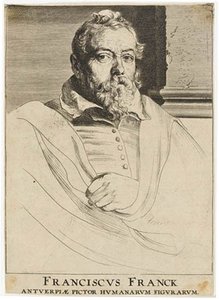
frans francken the younger
1581 - 1642 , Belgium
Quick Facts
- Artistic Movement Or Style: Baroque
- Artists Or Movements Influenced By This Artist: ['Venetian painting']
- Artists Who Influenced This Artist:
- Caravaggio
- Gentileschi
- Rubens
- Date Of Birth: c. 1581
- Date Of Death: 1642
- Full Name: Bernardo Strozzi
- Nationality: Italian
- Notable Artworks:
- Recapture Bahía
- Allegorical paintings
- History paintings
- Place Of Birth: Genoa, Italy
Related Articles

Baroque Classicism: Reconciling Drama & Order in 17th-Century Art
Explore the captivating world of Baroque Classicism! Discover its history, key artists like Caravaggio & Rubens, and defining characteristics. Expert insights & high-quality reproductions at ArtsDot.
Echoes of Olympus: Mythological Narratives in Western Art Through the Ages
Explore the captivating history of mythological narratives in Western art! From ancient Greece to modern masterpieces, discover iconic artworks & symbolism. Expert analysis and high-quality reproductions at ArtsDot.

Baroque Drama: Bringing Opulence & Emotion into Contemporary Interiors
Explore the opulent world of Baroque interior design! Discover key elements, modern applications & how to bring dramatic elegance into your home with 's authentic reproductions.
Guido Reni: A Study in Baroque Classicism & Artistic Perfection
Explore the life & work of Guido Reni, a master of Baroque classicism. Discover his iconic religious & mythological paintings, and understand his enduring influence on art history. Expert analysis for collectors.
Decoding Baroque Grandeur: A Guide to the Drama and Emotion of 17th-Century Art
Explore the breathtaking drama of 17th-century Baroque art. Our expert guide decodes the use of chiaroscuro, emotional intensity, and historical grandeur to help you appreciate and curate timeless masterpieces for your collection.