 Preview
 Send
Send Share
Share
 Details

 Download
 Similars
 X-Ray
X-Ray Diaporama
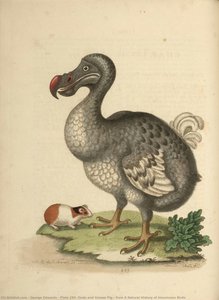
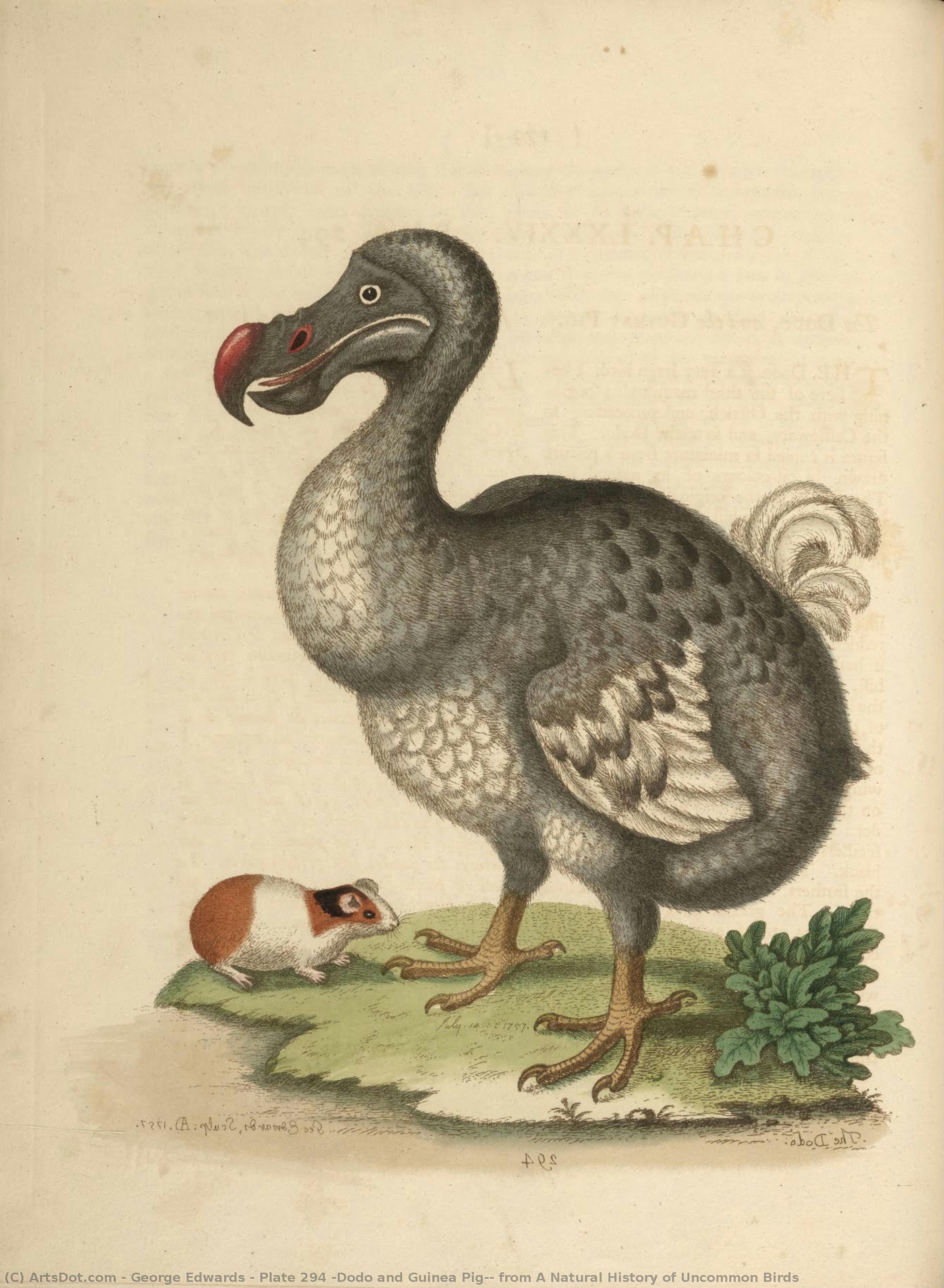
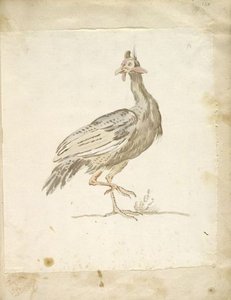
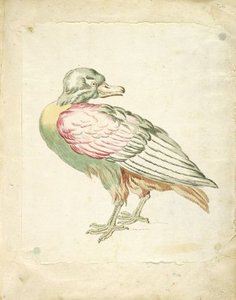
Plate 294 (Dodo and Guinea Pig), from A Natural History of Uncommon Birds


 Read More
Hand Made Oil Reproduction
Hand-painted oil on canvas in your size and frame, made to order by our artists. ( Buy Print Buy Image)




P118B $10

P118H $10

P118W $10

P438Z $10

P508JH $12

P508YH $12

P805H $10

P805Z $10

P919BZ $10

P919G $10

P919XJ $10

P959ZH $10

P968JZ $12

W106C $8

W218G $10

W218JH $8

W218Y $10

W307PJ $10

W316G $10

W316PJ $8

W316Y $10

W398PJ $8

W4111J $10

W500HY $15

W500JH $15

W692G $12

W849H $8

W940BG $15

W953PJ $8




Pick from our preset sizes that match the artwork's original proportions.

You may enter your own dimensions to fit a specific frame or space. If your selected size does not match the original image's proportions, we will either crop the artwork or extend the painting with additional hand-painted elements. A digital mockup will be sent for your approval before production begins.
Please note that the on-screen preview does not reflect the actual cropping or extension. Only the mockup will accurately show the final composition.
While custom sizes are available, we recommend selecting a dimension from the predefined list to preserve the original proportions.
After order, ArtsDot.com team will email client for instructions and provide a mockup preview
Worldwide Delivery () in 3/4 weeks instead of standard 5 weeks. (16 August). No compromise on quality.

Free Worldwide Express Shipping

High-Quality Linen Canvas

Full Shipping Insurance

Customs Tax Refund Guarantee

True Color Matching Guarantee

60-Day Return Policy (Defects Only)

100% Money-Back Guarantee

Bulk Discount Offer
 Glass option is only available in size under 110 CM

Plate 294 (Dodo and Guinea Pig), from A Natural History of Uncommon Birds
Reproduction Medium
Reproduction Size
-


Total Price
$ 263
Artwork Description
A Window into a Lost World
In the quiet, meticulous strokes of George Edwards’ 1764 masterpiece, Plate 294, we are invited to witness a moment frozen in time—a window into an era when the boundaries between scientific discovery and artistic wonder were beautifully blurred. The illustration presents a poignant encounter between two creatures: the iconic, flightless Dodo and a small, curious guinea pig, set against a soft tapestry of verdant foliage. There is an immediate, profound stillness to the composition, a sense of observational reverence that captures the viewer in a state of quiet contemplation. As we gaze upon the heavy, rounded form of the Dodo, we are not merely looking at a biological specimen, but at a ghost from the past, rendered with such lifelike precision that its presence feels almost tangible within the room.
The artistry of Edwards lies in his ability to marry the rigid requirements of scientific accuracy with a soulful, painterly grace. Utilizing the delicate technique of hand-colored engraving, the artist employs intricate hatching and cross-hatching to sculpt the bird’s plumage, giving weight to its thick feathers and volume to its unmistakable beak. The application of soft watercolor washes provides a gentle luminosity, creating a diffused light that suggests an intimate, indoor study. For the discerning collector or interior designer, this piece offers a sophisticated texture; the organic shapes and fine linework provide a rhythmic complexity that complements both classical and contemporary decor, acting as a focal point that commands attention through subtlety rather than spectacle.
The Elegance of Natural History
Beyond its aesthetic charm, Plate 294 carries a heavy symbolic weight that resonates deeply with the modern consciousness. The Dodo, an emblem of extinction, serves as a haunting memento mori—a reminder of the fragility of life and the irreversible impact of human presence on our planet's biodiversity. This layer of melancholy is balanced by the charming, grounded presence of the guinea pig, creating a narrative tension between the lost wonders of the wild and the familiar companions of our domestic lives. It is this emotional duality—the celebration of life alongside the mourning of what has been lost—that gives the work its enduring power.
To possess a reproduction of this work is to bring a piece of Enlightenment history into one's personal sanctuary. It is an invitation to slow down, to observe the minute details of the natural world, and to appreciate the legacy of George Edwards, the father of British ornithology. Whether placed in a sunlit library or a curated gallery wall, this illustration serves as more than mere decoration; it is a conversation piece that bridges the gap between the scientific intellect and the artistic heart, offering a timeless elegance that transcends the centuries.
Related Artworks
Artist Biography
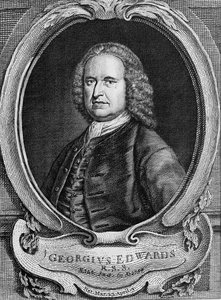
George Edwards (1694-1773): The Father of British Ornithology
The name George Edwards might not immediately conjure images of grand artistic movements or revolutionary techniques, yet his legacy is profoundly significant within the history of both art and science. Born in Stratford, Essex, in 1694 – a small village then on the fringes of London – Edwards’ life was one of relentless curiosity, meticulous observation, and an unwavering dedication to documenting the natural world. He wasn't merely an artist; he was a naturalist, an ornithologist, and a pioneer who fundamentally reshaped how Europeans understood and represented birds.
Edwards’ early years were marked by a pragmatic apprenticeship in London’s merchant trade, a path deemed suitable for his social standing. However, the burgeoning world of books and natural history ignited within him a passion that quickly eclipsed any ambition for mercantile success. He devoured texts on botany, zoology, and exploration, fueled by an insatiable desire to understand the intricacies of the animal kingdom. This intellectual awakening led him to embark on extensive travels throughout Europe – Holland, France, and Scandinavia – where he honed his artistic skills while immersing himself in the study of diverse species. Crucially, Edwards’s artistic training wasn't confined to formal instruction; it was deeply intertwined with his scientific pursuits, demanding a level of accuracy and detail previously unseen in depictions of animals.
The Rise of the Ornithological Illustrator
Edwards’ career truly took flight when he secured a position as beadle – essentially an administrator and librarian – to the Royal College of Physicians in 1733. This role afforded him invaluable access to the college's extensive library, providing him with the resources and time necessary to pursue his artistic and scientific endeavors. It was during this period that he began publishing his monumental *Natural History of Uncommon Birds*, a seven-volume work that would cement his place in ornithological history. These volumes weren’t simply collections of illustrations; they were meticulously researched accounts, incorporating detailed descriptions of each species' habitat, behavior, and plumage – information painstakingly gathered through observation and correspondence with fellow naturalists across Europe.
Edwards’s artistic style was characterized by a remarkable blend of scientific accuracy and elegant draughtsmanship. He employed hand-coloured etchings, a technique that allowed him to capture the subtle nuances of colour and texture with astonishing precision. Unlike earlier depictions of birds, which often relied on idealized representations, Edwards strived for realism, meticulously rendering every feather, scale, and detail. His work wasn’t merely decorative; it was a testament to his deep understanding of avian anatomy and behaviour. The first four volumes, published between 1743 and 1751, established him as the leading ornithological illustrator of his time, while the subsequent three volumes (1758-1764) further solidified his reputation.
Influences and Techniques
Edwards’s artistic development was undoubtedly influenced by several key figures. The meticulous illustrations of Flemish artists like Jan van Hoegaerden, who specialized in depicting animals with remarkable realism, served as a model for Edwards' approach. Furthermore, the work of Carl Linnaeus, the Swedish botanist and naturalist, played a crucial role. Linnaeus’s *Systema Naturae*, a comprehensive taxonomic guide to the natural world, provided Edwards with a framework for classifying and describing birds, which he then meticulously illustrated. Edwards’s use of watercolour was particularly innovative; he combined it with meticulous black-and-white etching to achieve a vibrant and lifelike effect.
It's important to note that Edwards’s work wasn’t entirely devoid of controversy. Some critics questioned the accuracy of his depictions, arguing that they were overly embellished or idealized. However, Edwards consistently defended his methods, emphasizing his commitment to scientific observation and rigorous documentation. His dedication to detail and his willingness to challenge conventional artistic norms ultimately established him as a groundbreaking figure in both art and science.
Legacy and Historical Significance
George Edwards’s contribution to the field of ornithology is immeasurable. He not only produced some of the most beautiful and scientifically accurate illustrations of birds ever created but also pioneered a new approach to natural history illustration – one that prioritized observation, documentation, and artistic skill. His *Natural History of Uncommon Birds* remains a valuable resource for scholars and enthusiasts alike, offering a unique window into the world of 18th-century science and art.
Beyond his specific achievements, Edwards’s life exemplifies the burgeoning spirit of Enlightenment inquiry – a period characterized by a renewed interest in reason, observation, and the pursuit of knowledge. He represents a pivotal moment in the history of scientific illustration, demonstrating how artistic skill can be harnessed to advance our understanding of the natural world. His legacy continues to inspire artists and scientists today, reminding us of the enduring power of curiosity and meticulous observation.
george edwards
1694 - 1773 , Australia
Quick Facts
- Artistic Movement Or Style: Naturalist, Ornithologist
- Artists Or Movements Influenced By This Artist: ['Linnaeus']
- Artists Who Influenced This Artist: ['Hans Sloane']
- Date Of Birth: April 3, 1694
- Date Of Death: July 23, 1773
- Full Name: George Edwards
- Nationality: British
- Notable Artworks: ['A Natural History of Uncommon Birds']
- Place Of Birth: West Ham, Essex, England
Related Articles
Georges Braque's Masterpieces: 25 Paintings That Defined Cubism & Modern Art | ArtsDot
Explore 25 iconic Georges Braque paintings that revolutionized Cubism & modern art. Discover the stories behind his masterpieces, from Fauvism to Analytical Cubism. Find museum-quality reproductions & elevate your home decor with ArtsDot.com.
Georges Seurat's Masterpieces: 25 Paintings That Defined Pointillism | ArtsDot
Explore 25 iconic Georges Seurat paintings & discover the brilliance of Pointillism. From 'La Grande Jatte' to his harbor scenes, delve into art history with ArtsDot.com. Find museum-quality reproductions for your home decor. Explore the full collection online!
Edward Hopper's Masterpieces: 25 Iconic Paintings & Their Enduring Legacy | ArtsDot
Explore 25 iconic Edward Hopper paintings & their stories. Discover American realism, urban loneliness, and timeless beauty through his masterpieces. Find museum-quality art reproductions & curated decor ideas at ArtsDot.com.
George Roux: Pioneering Symbolism & Enduring Legacy in Verne's Illustrations
Explore the captivating world of George Roux, a pioneer of French Symbolist illustration renowned for his iconic work with Jules Verne. Discover his artistic techniques, enduring legacy, and how to collect his timeless masterpieces.
Georges Barbier: A Synthesis of Art Nouveau Elegance & Early 20th-Century Fashion Illustration
Explore the exquisite world of Georges Barbier, a leading Art Nouveau illustrator celebrated for his opulent fashion designs & masterful pochoir technique. Discover his legacy and find collectible art at ArtsDot.