 Preview
 Send
Send Share
Share
 Details

 Download
 Similars
 X-Ray
X-Ray Diaporama
Untitled (D2X7FN)
 Oil On Canvas
- WallArt
- Rococo
 1740
1740- Early Modern
 81.0 x 63.0 cm
 Metropolitan Museum of Art
 Read More
Giclée / Art Print
Museum-quality giclée or canvas print with fast production and flexible finish options. ( Buy Hand Made Painting Buy Image)




P118B $10

P118H $10

P118W $10

P438Z $10

P508JH $12

P508YH $12

P805H $10

P805Z $10

P919BZ $10

P919G $10

P919XJ $10

P959ZH $10

P968JZ $12

W106C $8

W218G $10

W218JH $8

W218Y $10

W307PJ $10

W316G $10

W316PJ $8

W316Y $10

W398PJ $8

W4111J $10

W500HY $15

W500JH $15

W692G $12

W849H $8

W940BG $15

W953PJ $8




Pick from our preset sizes that match the artwork's original proportions.

You may enter your own dimensions to fit a specific frame or space. If your selected size does not match the original image's proportions, we will either crop the artwork or extend the image with a mirrored or solid-fill edge. A digital mockup will be sent for your approval before production begins.
Please note that the on-screen preview does not reflect the actual cropping or extension. Only the mockup will accurately show the final composition.
While custom sizes are available, we recommend selecting a dimension from the predefined list to preserve the original proportions.
Worldwide Delivery () in 2 weeks instead of standard 4/5 weeks. (22 August)

Free Worldwide Express Shipping

High-Quality Linen Canvas

Full Shipping Insurance

Customs Tax Refund Guarantee

True Color Matching Guarantee

60-Day Return Policy (Defects Only)

100% Money-Back Guarantee

Bulk Discount Offer
 Glass option is only available in size under 110 CM

Untitled (D2X7FN)
Giclée / Art Print
Reproduction Size
-


Total Price
$ 63
Collectible Description
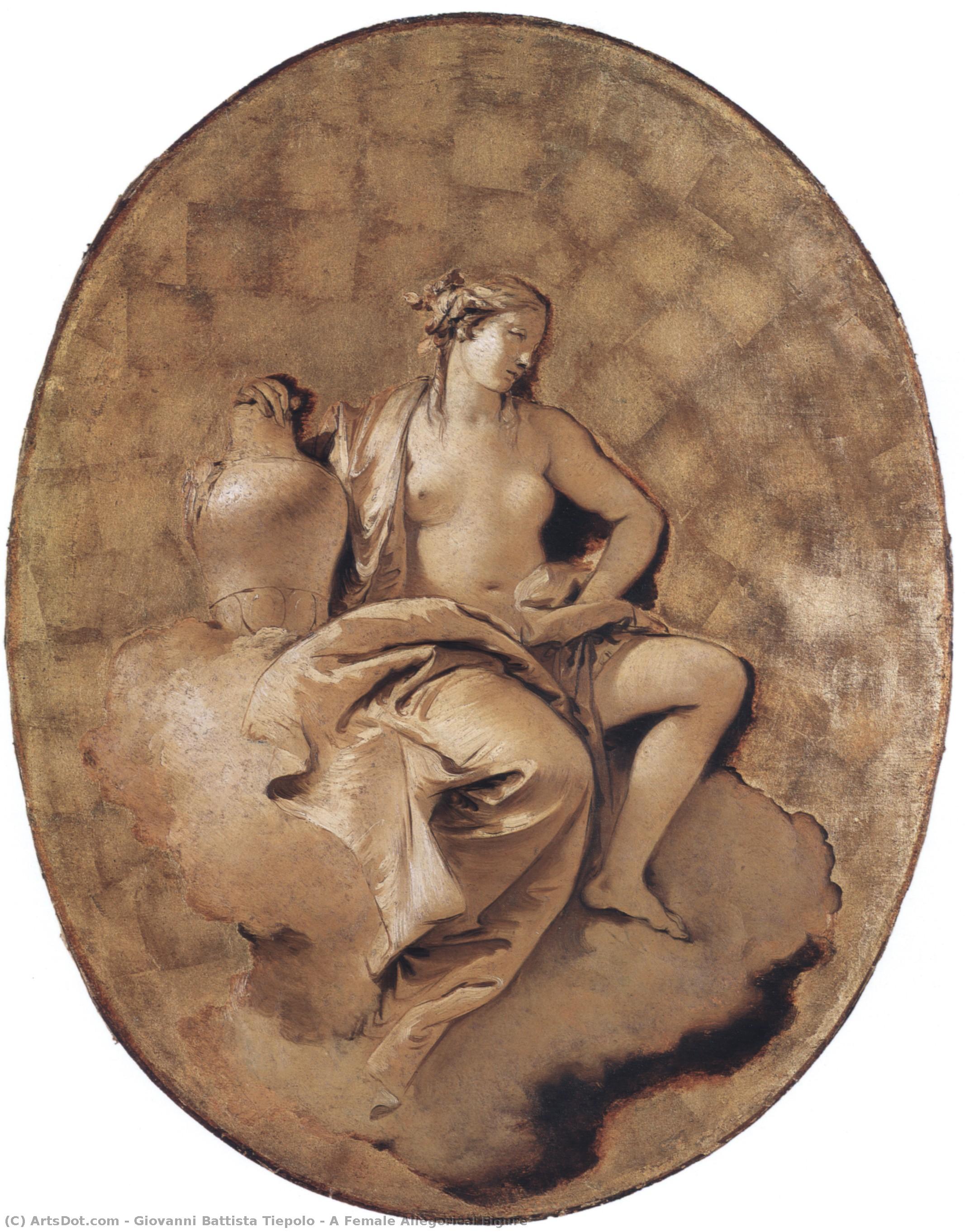
A Vision of Rococo Grace: The Ethereal Presence of Tiepolo
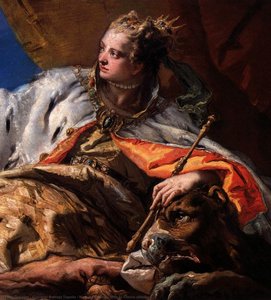
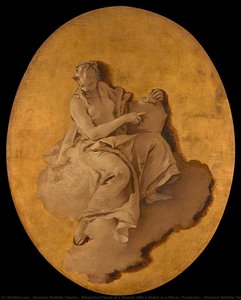
In the luminous realm of eighteenth-century Venetian art, few names evoke the sheer brilliance of light and movement quite like Giovanni Battista Tiepolo. His masterpiece, A Female Allegorical Figure, painted in 1740, serves as a breathtaking window into the heart of the Rococo era. The painting captures a moment of profound, quiet beauty, featuring a woman seated upon the earth, her form draped in a delicate interplay of shadow and light. While she appears caught in a state of natural vulnerability, the graceful way a dress is swept over her shoulders suggests a deliberate, poetic composition. As she holds a vase in one hand and a jug in the other, the viewer is invited into a scene that feels both intimate and monumental, embodying the very essence of Tiepolo’s ability to transform a single figure into a celestial event.
The technique employed in this work is a testament to Tiepolo's mastery of oil on canvas. He utilizes a palette that breathes with the vitality of the Venetian school, employing soft, pastel hues that dance across the skin of the subject, contrasted against deeper, more resonant tones in the background. His brushwork possesses a rhythmic fluidity, creating an illusionistic depth that makes the figure seem to emerge from the canvas itself. This mastery of disegno—the foundational Italian principle of design—is harmoniously blended with the airy, decorative elegance characteristic of the Rococo style. The result is a surface that does not merely depict a subject but radiates a sense of atmosphere and warmth, making it an irresistible centerpiece for any sophisticated collection.
Symbolism and the Language of Allegory
Beyond its immediate aesthetic splendor, the painting functions as a profound allegorical study. In the tradition of the great Venetian masters, Tiepolo often used the human form to represent abstract virtues or natural elements. The presence of the vase and the pitcher suggests themes of abundance, nourishment, and the cyclical nature of life—motifs that were deeply embedded in the cultural consciousness of the 1740s. The way the light catches the curve of the vessel and the soft texture of the woman's skin creates a symbolic dialogue between the earthly and the divine. For the discerning collector or interior designer, this piece offers more than just visual decoration; it provides a narrative depth that can anchor a room with intellectual and emotional weight.
To possess a reproduction of such a work is to invite the legacy of the Rococo Master into one's personal space. The painting’s ability to evoke a sense of timelessness makes it an ideal choice for high-end residential projects, where it can serve as a focal point in a classically inspired salon or a subtle, elegant accent in a contemporary setting. It carries with it the grandeur of the palaces of Venice and the quiet dignity of the Metropolitan Museum of Art, offering an unparalleled opportunity to surround oneself with the enduring magic of Tiepolo’s light and illusion.
Related Artworks


Artist Biography
Giambattista Tiepolo: The Architect of Venetian Light
Giovanni Battista Tiepolo (1696 – 1770) stands as a titan amongst the painters of his era, an undisputed master of Rococo and arguably the most influential fresco artist of the eighteenth century. Born in Venice, Italy—a city steeped in artistic tradition—Tiepolo ascended to unparalleled fame through his breathtaking canvases and monumental murals that transformed churches and palaces into immersive experiences of color, drama, and illusionistic grandeur. His legacy continues to inspire artists today, cementing his place as one of the foremost figures in Venetian art history.- Early Life & Training: Tiepolo’s artistic journey began under the tutelage of Giovanni Antonio Pellegrini, a respected Venetian painter who instilled in him a foundational understanding of disegno—the Italian term for drawing and design—a cornerstone of Baroque aesthetics. Recognizing his prodigious talent, Pellegrini encouraged Tiepolo to pursue studies at Bolognese academies, where he honed his skills alongside artists like Francesco Bartolomeo Rastrelli and Antonio Canaletto, absorbing influences from both Baroque grandeur and emerging Rococo elegance.
- The Venetian Workshop & Artistic Breakthrough: Returning to Venice in 1726, Tiepolo established a prolific workshop that quickly became synonymous with artistic excellence. He embraced the stylistic precepts of Rococo—characterized by delicate ornamentation, pastel hues, and asymmetrical compositions—yet retained a core commitment to classical principles of proportion and perspective. This harmonious blend resulted in works that captivated audiences and garnered critical acclaim, notably his frescoes adorning Palazzo Labia and Ca’ Rezzonico.
- Royal Patronage & Grand Commissions: Tiepolo's artistic reputation swiftly attracted the attention of European monarchs, securing him lucrative commissions from kings and princes across Italy, Spain, and Prussia. His monumental frescoes in Schönbrunn Palace near Vienna and Sanssouci Palace in Potsdam exemplify his mastery of scale and theatrical presentation—transforming spaces into opulent spectacles that celebrated royal power and artistic innovation.
- Technique & Innovation: Tiepolo’s distinctive technique involved meticulous preparation, utilizing grisaille underdrawings to establish precise spatial relationships before applying layers of vibrant color. He pioneered innovative methods of pigment mixing and glazing—creating luminous surfaces that seemed to emanate light itself—a hallmark of his unparalleled artistic vision. His frescoes are renowned for their masterful use of chiaroscuro—the interplay between light and shadow—generating a palpable sense of depth and dynamism.
- Legacy & Influence: Tiepolo’s influence extended far beyond his lifetime, shaping the aesthetic sensibilities of subsequent generations of artists. His emphasis on illusionistic painting profoundly impacted Baroque and Rococo styles, establishing him as an undisputed champion of theatrical grandeur and visual splendor. Today, Tiepolo's works continue to inspire awe and admiration, serving as enduring monuments to Venetian artistic genius.
Notable Works & Artistic Achievements
- Assumption of Mary at San Giorgio Maggiore: Considered Tiepolo’s masterpiece, this monumental fresco exemplifies his unparalleled skill in creating immersive environments and conveying profound spiritual emotion. Its soaring ceiling depicts the Virgin Mary ascending into heaven amidst a celestial procession—a breathtaking spectacle of color and movement that remains unsurpassed.
- The Triumph of Saint Peter: Located in St. Peter’s Basilica, Rome, this fresco commemorates the papal coronation ceremony—a grand celebration of papal authority rendered with meticulous detail and luminous vibrancy.
- Palazzo Labia Frescoes: Tiepolo's frescoes within Palazzo Labia showcase his mastery of illusionistic painting—creating a captivating panorama of Venetian life that transports viewers back to the eighteenth century.
Connections & Artistic Influences
Tiepolo’s artistic development was profoundly shaped by the prevailing stylistic currents of his time. He absorbed influences from Caravaggio’s dramatic chiaroscuro and Bernini’s sculptural virtuosity—embracing Baroque grandeur while simultaneously exploring the delicate aesthetic principles of Rococo. Furthermore, he collaborated closely with Antonio Canaletto, whose meticulous cityscape paintings served as inspiration for Tiepolo's own depictions of Venetian urban landscapes.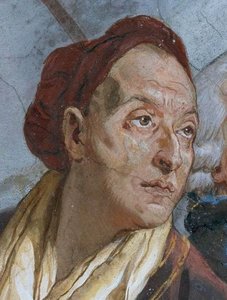
giambattista tiepolo
1696 - 1770 , Italy
Quick Facts
- Artistic Movement Or Style: Rococo
- Artists Or Movements Influenced By This Artist: ['Baroque']
- Artists Who Influenced This Artist: ['Nicolas Frémiet']
- Date Of Birth: Venice, Italy (1696)
- Date Of Death: Madrid, Spain (1770)
- Full Name: Giovanni Battista Tiepolo
- Nationality: Italian
- Notable Artworks:
- Assumption Tiepolo
- Young Man with Bow and large Quiver
- Place Of Birth: Venice
Related Articles
Giambattista Tiepolo: A Rococo Master's Legacy of Light & Illusion
Explore the captivating world of Giambattista Tiepolo, master of Rococo art. Discover his innovative techniques, iconic frescoes, and lasting influence on Italian painting. A guide for discerning collectors.

Giclée Prints: Archival Quality & Aesthetic Nuances for the Discerning Collector
Explore the world of giclée prints with ArtsDot. Learn about archival quality, aesthetic nuances & investment potential. Expert guidance for discerning art collectors seeking museum-quality reproductions and lasting value.

The Rococo Aesthetic: Opulence, Rebellion & the Pursuit of Pleasure in 18th-Century Art
Explore the opulent world of Rococo art! Discover its origins, key artists like Watteau & Boucher, and lasting influence on design. Expert insights for collectors & enthusiasts.

Rococo's Radiant Legacy: 10 Masterpieces for Your Home |
Indulge in the elegance of Rococo! Explore 10 masterpieces by Fragonard, Boucher & Watteau. Discover the stories behind these iconic paintings and bring timeless art to your home with museum-quality reproductions from .
Pietro Longhi's Venetian Scenes: A Study of Rococo Society & Domestic Life
Explore the captivating world of Pietro Longhi's Venetian scenes! Discover insightful analysis of his Rococo masterpieces & social commentary on 18th-century life. Learn about this 'Venetian Hogarth' and his lasting artistic legacy.