 Preview
 Send
Send Share
Share
 Details

 Download
 Similars
 X-Ray
X-Ray Diaporama
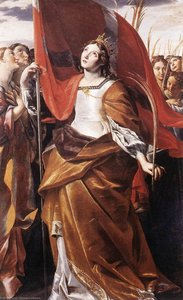
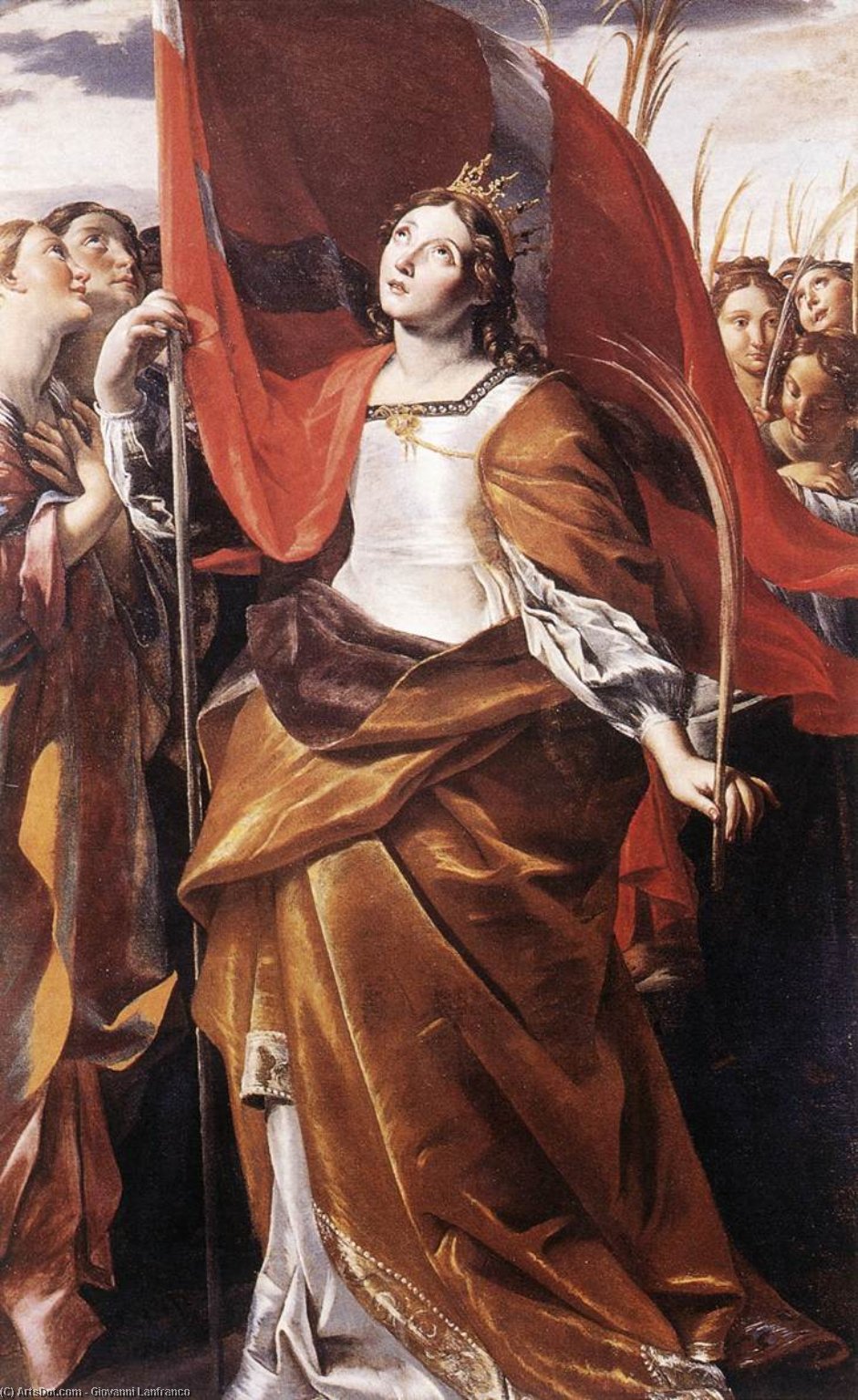
St Ursula and the Virgins
 Baroque Painting
 1622
1622 209.0 x 138.0 cm
 Galleria Nazional d Art Antica
 Read More
Hand Made Oil Reproduction
Hand-painted oil on canvas in your size and frame, made to order by our artists. ( Buy Print Buy Image)




P118B $10

P118H $10

P118W $10

P438Z $10

P508JH $12

P508YH $12

P805H $10

P805Z $10

P919BZ $10

P919G $10

P919XJ $10

P959ZH $10

P968JZ $12

W106C $8

W218G $10

W218JH $8

W218Y $10

W307PJ $10

W316G $10

W316PJ $8

W316Y $10

W398PJ $8

W4111J $10

W500HY $15

W500JH $15

W692G $12

W849H $8

W940BG $15

W953PJ $8




Pick from our preset sizes that match the artwork's original proportions.

You may enter your own dimensions to fit a specific frame or space. If your selected size does not match the original image's proportions, we will either crop the artwork or extend the painting with additional hand-painted elements. A digital mockup will be sent for your approval before production begins.
Please note that the on-screen preview does not reflect the actual cropping or extension. Only the mockup will accurately show the final composition.
While custom sizes are available, we recommend selecting a dimension from the predefined list to preserve the original proportions.
After order, ArtsDot.com team will email client for instructions and provide a mockup preview
Worldwide Delivery () in 3/4 weeks instead of standard 5 weeks. (17 August). No compromise on quality.

Free Worldwide Express Shipping

High-Quality Linen Canvas

Full Shipping Insurance

Customs Tax Refund Guarantee

True Color Matching Guarantee

60-Day Return Policy (Defects Only)

100% Money-Back Guarantee

Bulk Discount Offer
 Glass option is only available in size under 110 CM

St Ursula and the Virgins
Reproduction Medium
Reproduction Size
-


Total Price
$ 263
Artwork Description
Giovanni Lanfranco’s “St. Ursula and the Virgins” – A Tapestry of Faith and Tragedy
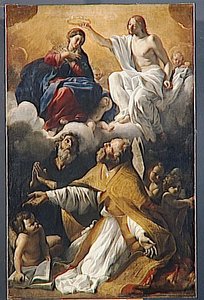
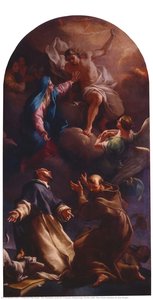
The painting "St. Ursula and the Virgins," attributed to Giovanni Lanfranco, is more than just a depiction of a saintly procession; it's a profound meditation on faith, sacrifice, and the enduring power of community. Completed in 1622, this monumental work, now meticulously reproduced by ArtsDot.com, transports us to a scene brimming with both solemnity and vibrant life – a visual narrative steeped in legend and imbued with the dramatic intensity characteristic of Baroque art. Lanfranco, a leading figure within the Bolognese school deeply influenced by the legacy of Annibale Carracci, masterfully blends classical composition with a heightened sense of theatricality, creating an image that resonates across centuries.- The Scene: The painting unfolds within a grand, open space, dominated by St. Ursula herself, positioned centrally and radiating authority. She holds aloft a red banner – a potent symbol of her martyrdom and the protection she offers to her devoted followers. Surrounding her are an astonishing number of virgins, their faces alight with devotion and a quiet acceptance of their fate. The composition is carefully orchestrated; Lanfranco employs diagonal lines to draw the eye through the scene, emphasizing the movement and flow of the procession.
- Baroque Drama: Lanfranco’s signature style shines through in his masterful use of light and shadow – *chiaroscuro* – which dramatically sculpts the figures and creates a sense of depth and atmosphere. The rich colors, particularly the deep reds and blues, contribute to the painting's overall intensity and emotional impact. Notice how Lanfranco uses color not just for representation but also to evoke specific moods and feelings.
Historical Context and Legendary Roots
The subject matter itself is rooted in a compelling, albeit complex, legend. St. Ursula was a Romano-British princess who, according to the medieval tradition, led a group of 1,000 virgins on a pilgrimage to Cologne in the late 4th century. They were tragically massacred by the Huns, their bodies buried beneath what is now the Basilica of St. Ursula in Cologne – a site that continues to hold immense significance for Catholics today. The story, passed down through generations, speaks to themes of unwavering faith, selfless devotion, and ultimate sacrifice. While historians debate the historical veracity of the legend, its enduring power lies in its ability to inspire awe and reverence. Lanfranco’s painting captures this legendary narrative with remarkable detail and emotional resonance.Symbolism and Artistic Devices
Beyond the immediate depiction of the scene, “St. Ursula and the Virgins” is rich in symbolic meaning. The red banner, as mentioned earlier, represents St. Ursula's martyrdom and her role as a protector. The virgins themselves symbolize purity, devotion, and selfless service to God. Lanfranco’s use of drapery – particularly the flowing robes worn by the figures – adds to the painting’s sense of movement and dynamism. The composition also subtly references classical ideals of beauty and harmony, reflecting Lanfranco's training under Annibale Carracci. The inclusion of a small, almost hidden, figure in the background—a detail often overlooked—suggests the presence of divine intervention and underscores the painting’s spiritual message.A Timeless Masterpiece – Reimagined for Today
Today, through ArtsDot.com's meticulous reproductions, “St. Ursula and the Virgins” remains a powerfully evocative work of art. The reproduction captures not only the visual details of Lanfranco’s original painting but also its emotional depth and dramatic intensity. Whether adorning a grand salon or a more intimate space, this artwork offers a glimpse into a world of faith, sacrifice, and timeless beauty—a testament to the enduring legacy of one of Baroque art's most gifted painters. The scale of 209 x 138 cm makes it an impressive statement piece, while its rich colors and dramatic composition will undoubtedly captivate viewers for generations to come. It’s a perfect addition to any collection seeking both artistic merit and historical significance.Related Artworks
Artist Biography
Giovanni Lanfranco: A Leading Figure of Baroque Painting
- Born: Parma, Italy (1582)
- Died: 1647
Early Life and Training
Giovanni Gaspare Lanfranco was born in Parma in 1582, the third son of Stefano and Cornelia Lanfranchi. His artistic talent was recognized early on, leading to an apprenticeship with Agostino Carracci, brother of Annibale Carracci, a prominent Bolognese artist. He also worked alongside Sisto Badalocchio in the Farnese palaces of Parma. Lanfranco's training continued within Annibale Carracci’s large workshop in Rome, where he contributed to projects like the Galleria Farnese, including work on the panel of Polyphemus and Galatea. This period exposed him to a vibrant artistic environment and laid the foundation for his future career.
Development and Artistic Style
Following Annibale Carracci's death in 1609, Lanfranco briefly returned to Parma before re-establishing himself in Rome by 1612. He developed a distinctive style characterized by dynamic compositions, theatrical lighting, and a visionary approach particularly suited for ceiling frescoes. While influenced by the late works of Ludovico Carracci and possibly Caravaggio, he also demonstrated a strong affinity for Correggio’s decorative style. His early works show an eclectic range, incorporating elements from various masters while gradually forging his own path. A key aspect of his development was his ability to create illusionistic effects in fresco painting, contributing significantly to the Baroque aesthetic.
Major Achievements and Commissions
Lanfranco’s career flourished under Pope Paul V, who commissioned numerous works from him. Some of his most significant achievements include:
- Frescoes at Palazzo Mattei: Demonstrating his growing mastery of perspective and illusionism.
- Villa Borghese Ceiling (Gods of Olympus): A monumental work showcasing a complex narrative and dynamic figures.
- Sala de' Corazzieri and Sala Regia at the Quirinale Palace: Further establishing his reputation as a leading fresco artist in Rome.
- The Assumption of the Virgin at Sant’Andrea della Valle: Considered his masterpiece, this ambitious dome fresco is renowned for its dramatic lighting, crowded composition, and innovative use of perspective. It exemplifies the Baroque style's emphasis on grandeur and emotional impact.
Influence and Historical Significance
Giovanni Lanfranco played a crucial role in shaping the artistic landscape of 17th-century Rome. He rivaled Domenichino for major commissions, contributing to a period of intense competition among leading artists. His innovative approach to fresco painting, particularly his mastery of illusionistic techniques and dramatic compositions, influenced subsequent generations of artists. Lanfranco’s work reflects the broader trends of the Baroque era—a focus on dynamism, emotion, and grandeur—and cemented his place as one of the most important painters of his time. His influence can be seen in later works by Francesco Solimena and other Italian artists.
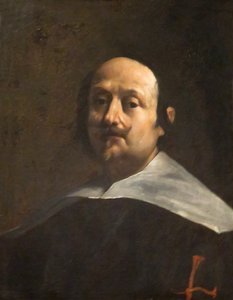
Giovanni Lanfranco
1582 - 1647 , Italy
Quick Facts
- Artistic Movement Or Style: Baroque painting
- Artists Or Movements Influenced By This Artist: ['Francesco Solimena']
- Artists Who Influenced This Artist:
- Correggio
- Annibale Carracci
- Ludovico Carracci
- Date Of Birth: January 26, 1582
- Date Of Death: November 30, 1647
- Full Name: Giovanni Lanfranco
- Nationality: Italian
- Notable Artworks:
- The Prophet Elijah Awakened
- Saint Luke
- Venus Playing the Harp
- Gods of Olympus fresco
- Place Of Birth (City And Country): Parma, Italy
Related Articles

The Dramatic Flourish: Exploring the Baroque Movement's Enduring Legacy in Art History
Explore the dramatic world of Baroque art! Discover iconic artists like Caravaggio & Rubens, defining techniques, and its lasting impact on art history. Expert insights for collectors & enthusiasts at ArtsDot.
The Dramatic Flourish: Exploring Themes of Power, Faith & Emotion in Baroque Artworks
Explore the dramatic world of Baroque art! Discover masters like Zurbarán & the powerful influence of religious zeal on painting techniques. Expert insights for collectors and enthusiasts.

The Visceral Stage: Exploring Dramatic Narratives & Emotional Intensity in Baroque Art
Explore the dramatic world of Baroque art! Discover iconic masters like Caravaggio & Rembrandt, their techniques, and the movement's lasting impact. Expert insights for collectors & enthusiasts at ArtsDot.
Theatricality & Triumph: Baroque Drama in Painting & Sculpture
Explore the dramatic world of Baroque art! Discover its history, defining characteristics, & lasting influence on painting & sculpture. Expert insights into Caravaggio, Zurbarán, and Bernini – plus high-quality reproductions at ArtsDot.

Baroque Drama: Bringing Opulence & Emotion into Contemporary Interiors
Explore the opulent world of Baroque interior design! Discover key elements, modern applications & how to bring dramatic elegance into your home with 's authentic reproductions.