Preview
 Send
Send Share
Share
 Details

 Download
 Similars
 X-Ray
X-Ray Diaporama
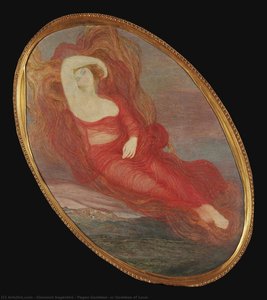
The Angel of Life
 Acrylic On Canvas
- WallArt
- Symbolism
 1895
1895 81.0 x 64.0 cm
 Museum of Fine Arts
 Read More
Hand Made Oil Reproduction
Hand-painted oil on canvas in your size and frame, made to order by our artists. ( Buy Print Buy Image)




P118B $10

P118H $10

P118W $10

P438Z $10

P508JH $12

P508YH $12

P805H $10

P805Z $10

P919BZ $10

P919G $10

P919XJ $10

P959ZH $10

P968JZ $12

W106C $8

W218G $10

W218JH $8

W218Y $10

W307PJ $10

W316G $10

W316PJ $8

W316Y $10

W398PJ $8

W4111J $10

W500HY $15

W500JH $15

W692G $12

W849H $8

W940BG $15

W953PJ $8




Pick from our preset sizes that match the artwork's original proportions.

You may enter your own dimensions to fit a specific frame or space. If your selected size does not match the original image's proportions, we will either crop the artwork or extend the painting with additional hand-painted elements. A digital mockup will be sent for your approval before production begins.
Please note that the on-screen preview does not reflect the actual cropping or extension. Only the mockup will accurately show the final composition.
While custom sizes are available, we recommend selecting a dimension from the predefined list to preserve the original proportions.
After order, ArtsDot.com team will email client for instructions and provide a mockup preview
Worldwide Delivery () in 3/4 weeks instead of standard 5 weeks. (26 August). No compromise on quality.

Free Worldwide Express Shipping

High-Quality Linen Canvas

Full Shipping Insurance

Customs Tax Refund Guarantee

True Color Matching Guarantee

60-Day Return Policy (Defects Only)

100% Money-Back Guarantee

Bulk Discount Offer
 Glass option is only available in size under 110 CM

The Angel of Life
Reproduction Medium
Reproduction Size
-


Total Price
$ 288
Artwork Description
Giovanni Segantini’s “The Angel of Life”: A Hymn to Maternal Grace Amidst Alpine Majesty
Giovanni Segantini (1858 – 1899) stands as one of Italy's most singular artistic voices, a painter whose unwavering devotion to the grandeur of the Alps yielded landscapes imbued with an ethereal beauty that continues to captivate audiences today. Born in Graz, Austria-Hungary, Segantini’s life was marked by considerable hardship—his father’s itinerant trade and his mother’s untimely passing instilled in him a resilience that would ultimately fuel his artistic ambition. Remarkably self-taught, he honed his skills through diligent study and observation, demonstrating an extraordinary spirit of perseverance despite limited formal schooling. It was a compassionate chaplain who recognized Segantini's latent talent within the Milanese reformatory, sparking a transformative journey toward mastering the craft of painting.- A Synthesis of Divisionism and Symbolism: Segantini’s artistic vision transcended mere representation; he sought to capture not just what he saw but what he felt—a profound connection to the natural world filtered through the lens of Symbolist aesthetics. He skillfully blended the techniques of Divisionism, pioneered by Georges Seurat and Paul Signac, with evocative imagery rooted in spiritual contemplation.
- The Maternité Series: “The Angel of Life” belongs to Segantini’s celebrated Maternité series—a quartet of paintings depicting pregnant women nestled amongst Alpine meadows. These canvases represent a pivotal moment in Segantini's oeuvre, cementing his reputation as a master of atmospheric landscapes and emotionally resonant narratives.
Detailed Analysis: Composition and Technique
The artwork’s central focus is a woman seated gracefully on a tree branch, tenderly cradling her infant child. Framed within an oval border adorned with intricate gilded detailing—a hallmark of Art Nouveau—the composition exudes serenity and invites contemplation. Segantini employed the meticulous pointillist technique, painstakingly applying tiny dots of pigment to create textured surfaces that shimmer with subtle luminosity. This method, reminiscent of Impressionism but executed with unparalleled precision, allowed him to achieve remarkable tonal gradations and capture the diffused light characteristic of Alpine mornings. The hazy landscape backdrop—distant hills bathed in pastel hues—further enhances the scene’s ethereal quality, establishing a harmonious dialogue between figure and environment.Symbolic Resonance: Motherhood, Innocence, and Transcendental Beauty
“The Angel of Life” is laden with symbolic significance. The tree branch symbolizes life's nurturing embrace, mirroring the mother’s role in safeguarding her child’s innocence. The woman’s posture—relaxed yet attentive—suggests a quiet communion with nature and an acceptance of divine grace. Segantini’s masterful use of color—warm yellows and greens juxtaposed against cool blues—evokes feelings of tranquility and spiritual upliftment. Furthermore, the overall impression is one of sublime beauty—a testament to Segantini's ability to transform observation into profound artistic expression.Historical Context: Alpine Romanticism and Artistic Innovation
Segantini’s work emerged during a period of fervent Alpine Romanticism, fueled by the burgeoning fascination with the majesty of the mountains and their perceived connection to spiritual ideals. Simultaneously, he championed artistic innovation, pushing boundaries within Divisionist painting while embracing Symbolist sensibilities—a daring fusion that distinguishes him from his contemporaries. “The Angel of Life” stands as an enduring emblem of this era’s aesthetic aspirations: a celebration of maternal love rendered with breathtaking artistry and imbued with timeless emotional resonance.Related Artworks
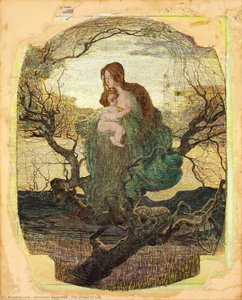
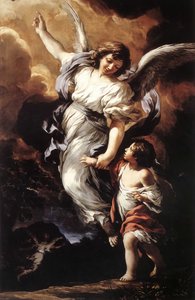
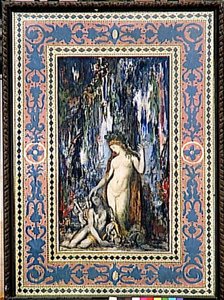
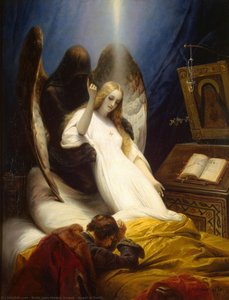
Artist Biography
Giovanni Segantini: A Life Dedicated to the Alps
- Born: January 15, 1858, Arco, Trentino (then Austria-Hungary)
- Died: August 10, 1899, Schiavi di Abbemaggiore, near Sondrio, Italy
Giovanni Segantini was an Italian painter renowned for his large-scale pastoral landscapes of the Alps. His life story is one marked by hardship and eventual artistic triumph, culminating in a unique style that blended Divisionism with Symbolist imagery.
Early Life and Struggles
- Difficult Beginnings: Segantini's early years were characterized by poverty. His father was a traveling tradesman, leaving his mother to raise him largely alone.
- Orphanhood and Reformatory: Following his mother’s death, he ran away from home and ended up in a Milanese reformatory. It was here that a chaplain recognized his artistic talent and encouraged its development.
- Self-Education: Despite limited formal education, Segantini taught himself to read and write later in life, demonstrating remarkable determination.
- Early Career: He initially worked as a photographer's assistant before pursuing painting seriously.
Artistic Development and Influences
- Training at the Brera Academy: Segantini attended classes at the prestigious Brera Academy in Milan, where he encountered influential figures of the Scapigliatura movement. This group championed a rejection of artistic conventions and an embrace of life's raw realities.
- Key Influences: His work was significantly influenced by Anton Mauve and Jean-François Millet, introduced to him through Vittorio Grubicy de Dragon, who became his advisor and dealer. These artists emphasized realism and depictions of rural life.
- Divisionism: Segantini adopted a Divisionist painting approach, which involved applying small dots or strokes of pure color side by side on the canvas. This technique aimed to create optical mixing in the viewer's eye, producing vibrant and luminous effects.
- Symbolism: Alongside Divisionism, Segantini incorporated Symbolist elements into his work, imbuing his landscapes with deeper meanings and allegorical representations of life, death, and spirituality.
Major Works and Themes
- Early Success: His painting "The Chancel of Sant'Antonio" gained recognition for its powerful quality and was acquired by Milan’s Società per le Belle Arti.
- Alpine Landscapes: Segantini is best known for his depictions of the Alps, capturing their grandeur and serenity. He sought to portray not just the physical beauty but also the spiritual essence of these landscapes.
- Notable Paintings: Some of his most celebrated works include:
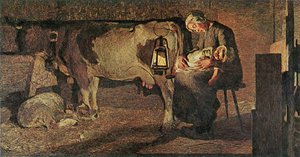
- The Two Mothers (Le due Madri) - A poignant depiction of motherhood and rural life.
- Life (La Vita) – Captures the essence of Alpine beauty and human connection.
- Donna alla fonte (also known as Alpenlandschaft mit Frau am Brunnen) – A serene scene of a woman by a fountain in the Alps.
- Ragazza che fa la calza - A beautiful Symbolist painting featuring a woman and sheep.
- Il castigo delle lussuriose – A haunting depiction exploring themes of morality and nature.
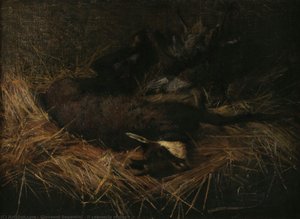
- Later Years: He spent his final years in Switzerland, where he created some of his most significant works, including "Capriolo morto" (Dead Roe Deer), a deeply moving portrayal of mortality.
Legacy and Historical Significance
- Unique Artistic Style: Segantini’s fusion of Divisionism and Symbolism resulted in a distinctive style that set him apart from his contemporaries.
- Capturing the Spirit of the Alps: He is remembered as one of the most important painters of Alpine landscapes, successfully conveying their beauty and spiritual significance.
- Influence on Later Artists: His innovative use of color and light influenced subsequent generations of artists.
- Continued Appreciation: Today, Segantini’s works are exhibited in major museums worldwide, and his legacy as a master painter continues to inspire art lovers.
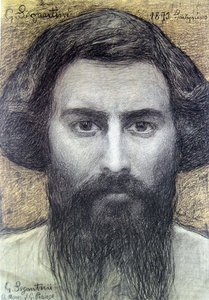
Giovanni Segantini
1858 - 1899 , Austria
Quick Facts
- Artistic Movement Or Style: Symbolism, Divisionism
- Artists Who Influenced This Artist:
- Anton Mauve
- Jean-François Millet
- Date Of Birth: January 15, 1858
- Date Of Death: 1899
- Full Name: Giovanni Segantini
- Nationality: Italian
- Notable Artworks:
- The Chancel of Sant Antonio
- Lavandaia
- Life (La Vita)
- Donna alla fonte
- Ragazza che fa la calza
- Taking a Drink
- Il castigo delle lussuriose
- Capriolo morto
- L.amore alla fonte della vita
- Place Of Birth: Arco, Austria-Hungary
Related Articles
Celestial Messengers: Angels in Painting – A Historical & Artistic Exploration
Explore the captivating history of angels in painting! Discover symbolism, iconic Renaissance & Byzantine masterpieces, and renowned artists. Expert insights for art lovers & collectors at ArtsDot.
Celestial Messengers: A Comprehensive Exploration of Angelic Representation in Art History
Explore the captivating history of angels in art! Discover symbolism, iconic Renaissance masterpieces & renowned artists. Expert insights for art lovers & collectors at ArtsDot.
Giovanni Segantini: Capturing Alpine Light & Symbolist Visions
Explore the captivating world of Giovanni Segantini, master of Alpine landscapes & Symbolist art. Discover his innovative techniques, allegorical masterpieces like 'La Vita,' and enduring legacy. Learn about this pivotal 19th-century Italian painter.
Mario Sironi: A Poetic of Modern Italian Identity Through Symbolism & Social Commentary
Explore the profound works of Mario Sironi, a key figure in Italian Modernism. Discover his evolution from Futurism to Metaphysical painting and his powerful social commentary. Learn about his legacy at ArtsDot.
Giovanni Fattori: Realism, Identity & the Tuscan Landscape – A Macchiaioli Master
Explore the life & art of Giovanni Fattori, a leading figure of the Macchiaioli movement. Discover his revolutionary realism, captivating Tuscan landscapes, and lasting impact on Italian painting. Learn more at ArtsDot.