 Preview
 Send
Send Share
Share
 Details

 Download
 Similars
 X-Ray
X-Ray Diaporama
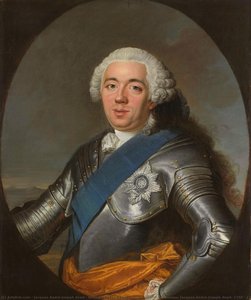
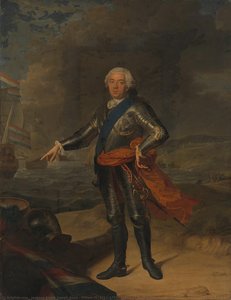
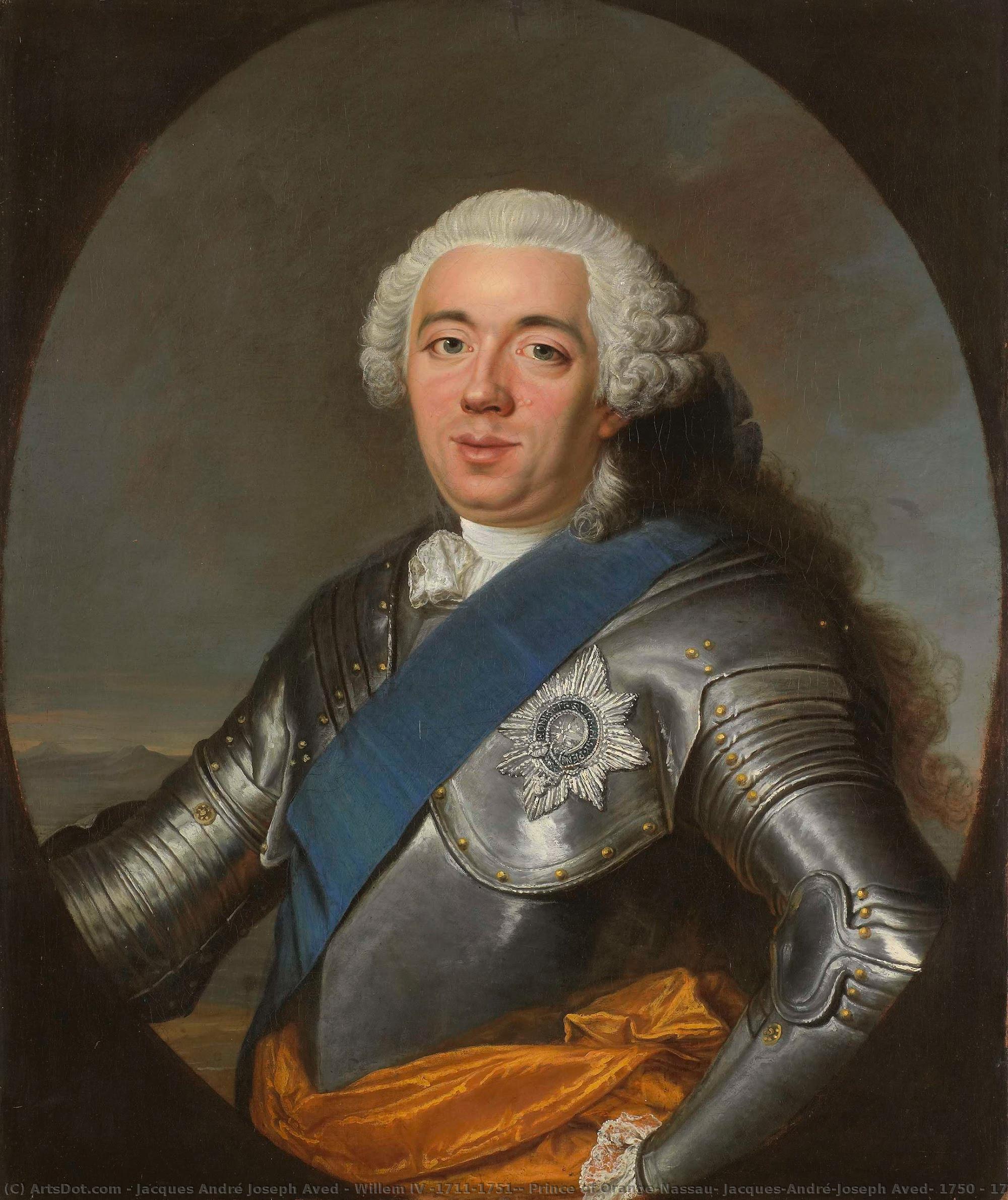
Willem IV (1711-1751), Prince of Orange-Nassau, Jacques-André-Joseph Aved, 1750 - 1751


 Read More
Hand Made Oil Reproduction
Hand-painted oil on canvas in your size and frame, made to order by our artists. ( Buy Print Buy Image)




































Pick from our preset sizes that match the artwork's original proportions.

You may enter your own dimensions to fit a specific frame or space. If your selected size does not match the original image's proportions, we will either crop the artwork or extend the painting with additional hand-painted elements. A digital mockup will be sent for your approval before production begins.
Please note that the on-screen preview does not reflect the actual cropping or extension. Only the mockup will accurately show the final composition.
While custom sizes are available, we recommend selecting a dimension from the predefined list to preserve the original proportions.
After order, ArtsDot.com team will email client for instructions and provide a mockup preview
Worldwide Delivery () in 3/4 weeks instead of standard 5 weeks. (3 September). No compromise on quality.

Free Worldwide Express Shipping

High-Quality Linen Canvas

Full Shipping Insurance

Customs Tax Refund Guarantee

True Color Matching Guarantee

60-Day Return Policy (Defects Only)

100% Money-Back Guarantee

Bulk Discount Offer
 Glass option is only available in size under 110 CM

Willem IV (1711-1751), Prince of Orange-Nassau, Jacques-André-Joseph Aved, 1750 - 1751
Reproduction Medium
Reproduction Size
-


Total Price
$ 263
Related Artworks
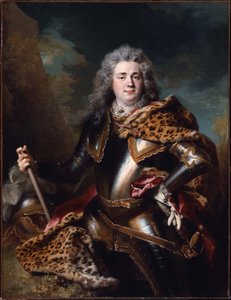
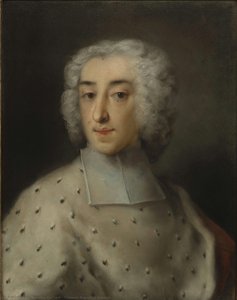
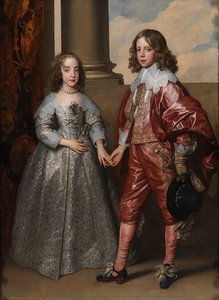
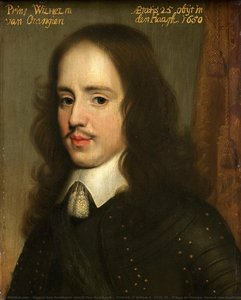
Artist Biography
The Dutch Echo in Parisian Rococo
Jacques-André-Joseph Aved, a name that resonates with the elegance of the eighteenth century, stands as a pivotal figure within the vibrant tapestry of French art. Often affectionately or descriptively known as Avet le Batave—the Dutch Avet—his life was a profound bridge between the meticulous traditions of the Netherlands and the luminous grace of the French Rococo. Born in Douai, France, in 1702, Aved’s early years were shadowed by the tragedy of losing his father at a young age. This loss led him to Amsterdam, where he was raised by an uncle who served as a captain in the Dutch army. It was within this northern landscape that his artistic soul was nurtured, far from the courtly splendor of Paris, yet deeply influenced by the sober and detailed sensibilities of the Dutch masters.
His formative training in Amsterdam under the guidance of François Boitard and Bernard Picart provided him with a foundation in precision and an eye for exoticism. These mentors were renowned for their ability to capture oriental subjects with meticulous care, a skill that would later allow Aved to navigate the complex cultural landscapes of his future commissions. When he arrived in Paris in 1721, he did not merely enter a new city; he entered a burgeoning artistic revolution. Initially working alongside the established painter Belle, Aved quickly began to weave his unique Dutch-influenced perspective into the fabric of the Parisian scene, blending northern realism with the airy, decorative lightness that defined the reign of King Louis XV.
A Master of the Portrait and the Salon
As Aved’s reputation ascended, he became one of the most sought-after portraitists in Paris, a role that required not only technical mastery but also an innate ability to capture the psychological nuance of his subjects. His work was characterized by a remarkable ability to balance formal dignity with a soft, Rococo charm. This talent earned him prestigious recognition within the Académie royale de peinture et de sculpture, where he entered in 1731 and eventually achieved the esteemed rank of councillor. His presence in the Salon was a testament to his standing among the elite artistic voices of his era, and by 1759, he was still actively participating in the grand exhibitions that defined French cultural life.
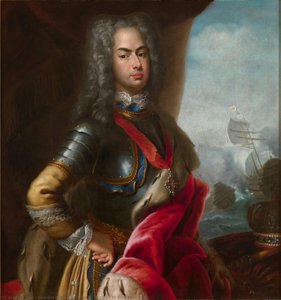
The breadth of Aved’s patronage is perhaps the greatest indicator of his historical significance. He possessed a rare versatility, capable of painting the highest echelons of European royalty and the enigmatic diplomats of the East. Notable among his subjects was Willem IV, Prince of Orange-Nassau, whose portrait showcases Aved's ability to render armor and military attributes with a sense of heroic grandeur. Simultaneously, his 1742 portrait of the Ottoman Empire ambassador, Yirmisekizzade Mehmed Said Efendi, demonstrates his skill in capturing the intricate textures and cultural splendor of foreign dignitaries. Through these works, Aved acted as a visual chronicler of an era defined by international diplomacy and the meeting of diverse worlds.
Legacy of a Collector and Creator
Beyond the canvas, Aved’s contribution to art history extends into the realm of connoisseurship. He was not merely a creator of images but a passionate collector and dealer, possessing one of the most significant private collections of his time. His eye for quality led him to amass works by Italian, French, and particularly Dutch artists, reflecting the very multicultural influences that had shaped his own life. This deep engagement with the history of painting allowed him to remain a vital part of the art market and the intellectual discourse surrounding aesthetics in the mid-eighteenth century.
The enduring legacy of Jacques-André-Joseph Aved lies in his unique ability to synthesize disparate traditions into a singular, cohesive style. He took the structural integrity and light-play of the Dutch Baroque and infused it with the movement and elegance of the French Rococo. In doing so, he created a body of work that remains a window into the sophisticated, cosmopolitan spirit of the 1700s—a period where the boundaries between nations were bridged by the shared language of beauty and prestige.
jacques andré joseph aved
1702 - 1766 , France
Quick Facts
- Artistic Movement Or Style: Rococo
- Artists Or Movements Influenced By This Artist: ['Carle Vanloo']
- Artists Who Influenced This Artist:
- François Boitard
- Bernard Picart
- Date Of Birth: 1702
- Full Name: Jacques André Joseph Aved
- Nationality: French
- Notable Artworks:
- Willem IV Portrait
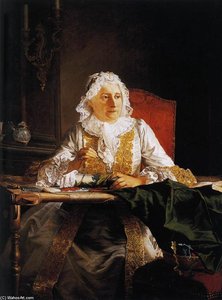
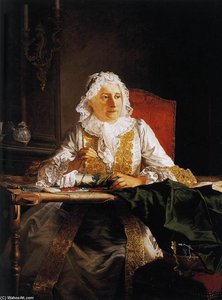
- Madame Crozat
- Place Of Birth: Douai, France
Related Articles
18th Century Masters: 10 Artworks That Define an Era | ArtsDot
Journey through 18th century art! Explore 10 iconic paintings – from Rococo elegance to Neoclassical grandeur. Discover Fragonard, David & more. Find museum-quality reproductions and elevate your home decor on ArtsDot.com.
Charles-André van Loo: A Study in Rococo Portraiture & the French Court's Artistic Dynamics
Explore the elegant world of Charles-André van Loo, a master of Rococo portraiture at the French court. Discover his life, techniques, and enduring influence on 18th-century art. Hand-painted reproductions available.
Iconic Art of the 18th & 19th Centuries: Masterpieces for Your Home | ArtsDot
Journey through 18th & 19th century art! Explore iconic masterpieces by Monet, Van Gogh & more. Discover the stories behind these timeless paintings and find museum-quality reproductions for your home at ArtsDot.com.
Reflections of an Age: Social Commentary & Artistic Representation in 18th-Century Society
Explore the social commentary & artistic representation of 18th-century society. Discover Rococo masterpieces, portraiture's power, and shifting historical perspectives. Expert insights for art lovers.
Illuminating the Enlightenment: Art & Sociopolitical Context of the 18th Century
Explore the art of the Enlightenment! Discover Rococo's elegance, Neoclassicism’s virtue, & David’s revolutionary masterpieces. Uncover the sociopolitical context shaping 18th-century European painting.