 Preview
 Send
Send Share
Share
 Details

 Download
 Similars
 X-Ray
X-Ray Diaporama
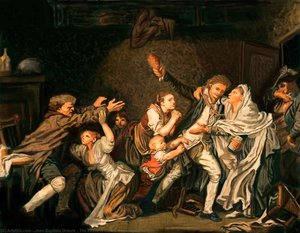
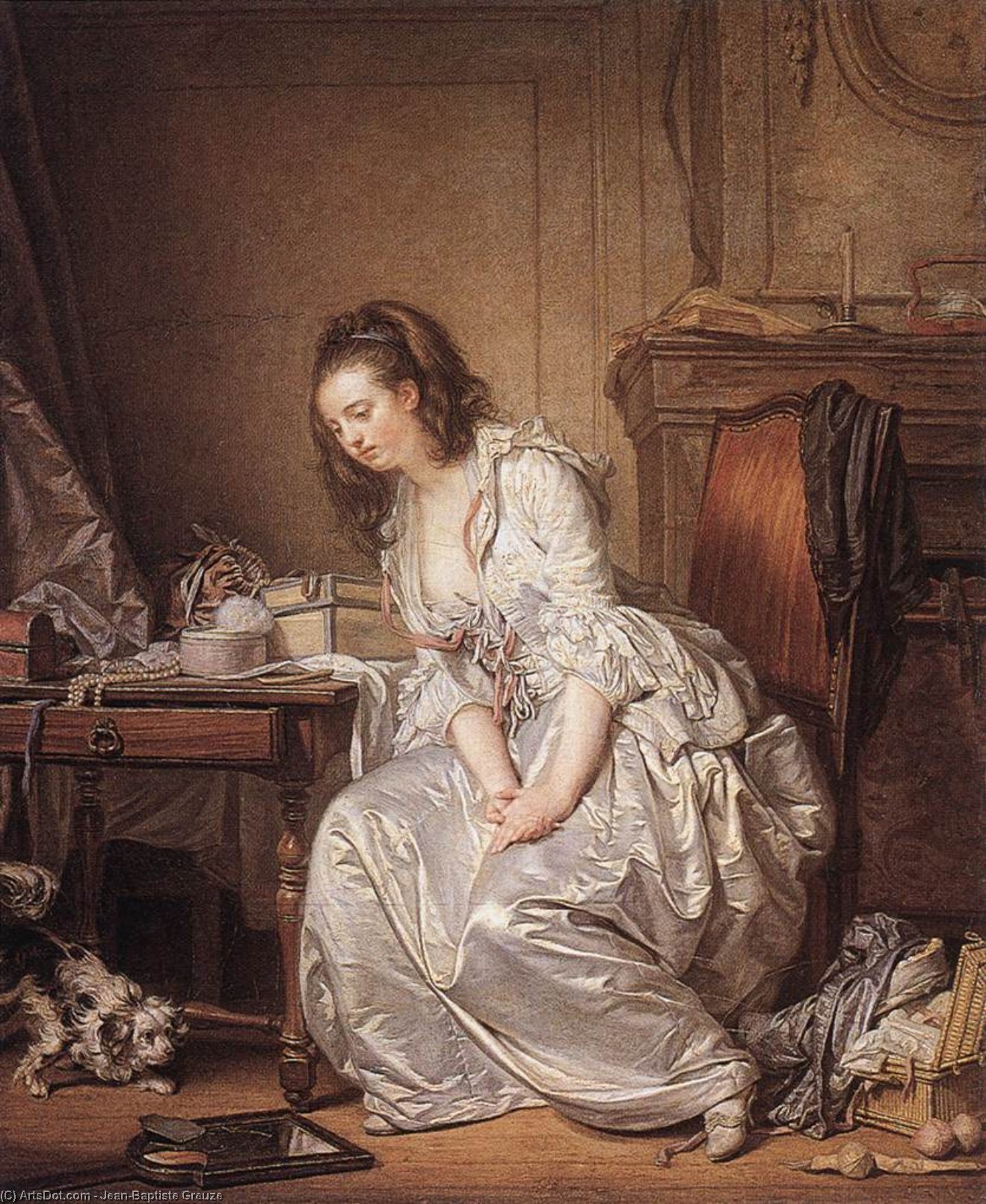
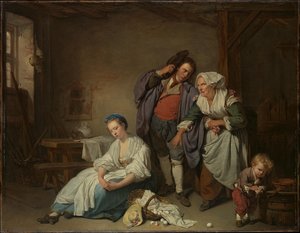
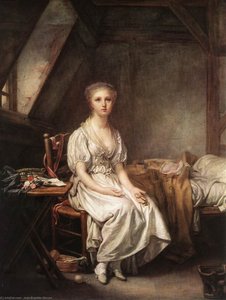
The Broken Mirror
 Acrylic On Canvas
- WallArt
- Rococo Sentimentality
 1763
1763 56.0 x 46.0 cm
 Wallace Collection
 Read More
Hand Made Oil Reproduction
Hand-painted oil on canvas in your size and frame, made to order by our artists. ( Buy Print Buy Image)




P118B $10

P118H $10

P118W $10

P438Z $10

P508JH $12

P508YH $12

P805H $10

P805Z $10

P919BZ $10

P919G $10

P919XJ $10

P959ZH $10

P968JZ $12

W106C $8

W218G $10

W218JH $8

W218Y $10

W307PJ $10

W316G $10

W316PJ $8

W316Y $10

W398PJ $8

W4111J $10

W500HY $15

W500JH $15

W692G $12

W849H $8

W940BG $15

W953PJ $8




Pick from our preset sizes that match the artwork's original proportions.

You may enter your own dimensions to fit a specific frame or space. If your selected size does not match the original image's proportions, we will either crop the artwork or extend the painting with additional hand-painted elements. A digital mockup will be sent for your approval before production begins.
Please note that the on-screen preview does not reflect the actual cropping or extension. Only the mockup will accurately show the final composition.
While custom sizes are available, we recommend selecting a dimension from the predefined list to preserve the original proportions.
After order, ArtsDot.com team will email client for instructions and provide a mockup preview
Worldwide Delivery () in 3/4 weeks instead of standard 5 weeks. (17 August). No compromise on quality.

Free Worldwide Express Shipping

High-Quality Linen Canvas

Full Shipping Insurance

Customs Tax Refund Guarantee

True Color Matching Guarantee

60-Day Return Policy (Defects Only)

100% Money-Back Guarantee

Bulk Discount Offer
 Glass option is only available in size under 110 CM

The Broken Mirror
Reproduction Medium
Reproduction Size
-


Total Price
$ 263
Artwork Description
Jean-Baptiste Greuze’s “The Broken Mirror”: A Window into Sentiment and Rupture
Jean-Baptiste Greuze's "The Broken Mirror," painted around 1763, is not merely a depiction of shattered glass; it’s a profound exploration of moral consequence, societal expectations, and the devastating impact of transgression. This intimate genre scene, now residing within The Wallace Collection in London, offers a glimpse into the burgeoning sentimentalism that defined late 18th-century French art – an era obsessed with capturing raw emotion and exposing the vulnerabilities of human nature. Greuze, a master of eliciting pathos, doesn’t simply show us a broken mirror; he forces us to confront the shattered reputation and emotional wreckage it represents.
A Portrait of Moral Decay
The painting immediately draws the viewer in with its intensely focused composition. A young woman, dressed in a simple yet elegant gown, kneels before a large, ornate mirror. The reflection is fractured – not by an external force, but by her own actions. Her posture conveys profound regret and shame; her hands are clasped tightly together as if attempting to contain the damage she has wrought. The details surrounding her—a discarded shawl, a partially opened door—suggest a hasty departure and a desperate attempt to conceal her guilt. Greuze’s masterful use of light and shadow further emphasizes this sense of concealment and vulnerability, highlighting the woman's face and drawing attention to the broken reflection.
Technique and Sentiment: The Language of Emotion
Greuze’s technique is characterized by its remarkable realism combined with an almost theatrical intensity. He employed a direct painting method, working directly from life – a practice uncommon for artists of his time. This approach allowed him to capture the subtle nuances of human expression with astonishing accuracy. His brushstrokes are visible and deliberate, contributing to the overall sense of immediacy and emotional weight. The palette is muted, dominated by browns, grays, and creams, reflecting the somber mood of the scene. Crucially, Greuze’s skill lay not just in depicting reality but in imbuing it with a potent emotional charge – a hallmark of the sentimental style he championed.
Symbolism and the Shattered Ideal
The broken mirror itself is laden with symbolic meaning. Mirrors, throughout Western art history, have often represented vanity, self-reflection, and the illusion of perfection. In “The Broken Mirror,” however, this symbolism takes on a darker hue. The shattered reflection signifies not just a physical breakage but also the destruction of innocence, reputation, and perhaps even a future. The woman’s act – implied but not explicitly stated – likely involved a breach of societal norms or a betrayal of trust. It's a potent reminder that actions have consequences, and that even seemingly small transgressions can lead to irreversible damage.
A Legacy of Emotional Resonance
“The Broken Mirror” remains a powerful testament to Greuze’s ability to capture the complexities of human emotion. It's a scene that lingers in the mind long after viewing, prompting reflection on themes of morality, shame, and the fragility of reputation. Reproductions of this work continue to resonate with audiences today, offering a poignant reminder of the enduring power of art to explore the darker corners of the human experience. Its placement within The Wallace Collection underscores its significance as a pivotal piece in the development of French genre painting and a window into the sensibilities of a transformative era.
Related Artworks
Artist Biography
A Life Etched in Sentiment: The World of Jean-Baptiste Greuze
Born in the quiet Burgundian town of Tournus in 1725, Jean-Baptiste Greuze emerged as a pivotal figure in eighteenth-century French art. His story is one of remarkable ascent, fueled by an innate talent for capturing human emotion and a keen understanding of the burgeoning sentimental tastes of his era. Initially discouraged from pursuing artistic endeavors by his roofer father, young Greuze found early encouragement in the Lyonnaise artist Grandon, who recognized a spark that demanded cultivation. This mentorship proved crucial, leading to studies first in Lyon and then, crucially, at the prestigious Royal Academy in Paris under Charles-Joseph Natoire. It was within these hallowed halls that Greuze began to hone his skills, though he often charted his own course, diverging from the prevailing academic emphasis on historical and mythological subjects.The Rise of a Genre Painter
Greuze’s breakthrough arrived in 1755 with Le Père de famille expliquant la Bible à ses enfants (The Father Explaining the Bible to His Children). This work wasn't merely a depiction of domestic life; it was an embodiment of Enlightenment ideals, portraying familial piety and moral instruction. The painting resonated deeply with contemporary audiences, capturing a spirit of bourgeois virtue that was gaining prominence. Acquired by the discerning collector Ange-Laurent de La Live de Jully, it catapulted Greuze to fame. He followed this success with further genre scenes – intimate glimpses into everyday life imbued with emotional depth and moral undertones. A journey to Italy in 1755, undertaken with Abbé Gougenot, broadened his artistic horizons, though he ultimately found greater inspiration in the realities of French society than in classical antiquity. His ability to evoke genuine feeling—joy, sorrow, remorse—set him apart from many of his contemporaries and established him as a leading figure in the emerging Rococo style, albeit one with a distinctly moralizing bent.Mastering Emotion and Moral Narrative
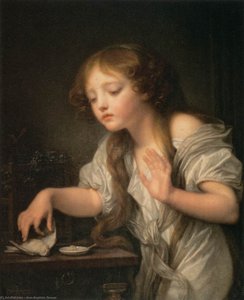
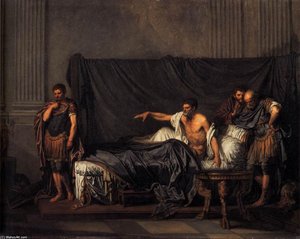
Greuze’s artistic strength lay in his ability to tell stories through paint. Works like La Jeune Fille qui pleure son oiseau mort (The Young Girl Weeping for Her Dead Bird) and Savoyard with a Dancing Doll are not simply portraits of children; they are explorations of grief, innocence, and the complexities of human experience. He possessed an extraordinary talent for capturing subtle nuances of expression, conveying inner turmoil with remarkable sensitivity. His compositions were often carefully staged, utilizing dramatic lighting and expressive gestures to heighten emotional impact. Denis Diderot, a leading intellectual of the Enlightenment, became a fervent champion of Greuze’s work, praising his ability to depict “morality in paint.” However, this very success created a dilemma for the artist. He aspired to be recognized as a history painter – the most prestigious category within the Academy – and attempted a transition with Septimius Severus Reproaching Caracalla. This ambitious work was met with harsh criticism, and Greuze was ultimately accepted into the Academy only as a genre painter, a decision that deeply wounded his pride.Later Years and Lasting Legacy
The rejection by the Academy marked a turning point in Greuze’s career. He withdrew from exhibiting at the Salon for many years, becoming increasingly reclusive and embittered. His later works often explored themes of seduction and moral transgression, sometimes bordering on the overtly sensual. These paintings, while technically proficient, lacked the emotional resonance and moral clarity of his earlier masterpieces. Financial difficulties plagued his final years, a stark contrast to the acclaim he had once enjoyed. He died in poverty within the Louvre itself in 1805. Despite this decline, Jean-Baptiste Greuze’s influence on French art remains significant. He pioneered a new form of genre painting that focused on contemporary life and explored universal human emotions. His work paved the way for later artists who sought to depict the realities of everyday existence with honesty and sensitivity. He left behind a body of work that continues to captivate viewers with its emotional power, technical brilliance, and enduring relevance.Key Works & Their Significance
- Le Père de famille expliquant la Bible à ses enfants (1755): A cornerstone of his early success, embodying Enlightenment ideals of familial piety.
- La Jeune Fille qui pleure son oiseau mort (c. 1765): Demonstrates Greuze’s mastery of emotional expression and poignant storytelling.
- Savoyard with a Dancing Doll (c. 1763): Captures the spirit and vulnerability of childhood, showcasing his skill in portraiture.
- Septimius Severus Reproaching Caracalla (1769): A failed attempt at historical painting that highlighted his strengths lay elsewhere.
- The Broken Pitcher (c. 1770s): Represents a shift towards more sensual and morally ambiguous themes in his later work.

Jean-Baptiste Greuze
1725 - 1805 , France
Quick Facts
- Artistic Movement Or Style: Rococo, Genre painting
- Artists Who Influenced This Artist: ['Dutch genre masters']
- Date Of Birth: 1725
- Date Of Death: 1805
- Full Name: Jean-Baptiste Greuze
- Nationality: French
- Notable Artworks:
- Le Père de famille...
- A Girl with a Dead Canary
- Savoyard with a doll
- Boy with a Broken Egg
- Place Of Birth: Tournus, France
Related Articles
Jean-Baptiste Greuze: Morality, Sentiment & the Rise of Genre Painting
Explore the life & art of Jean-Baptiste Greuze, a pivotal French Rococo painter renowned for his emotionally resonant genre scenes and moral lessons. Discover his legacy & impact on 18th-century art history.

Rococo's Radiant Legacy: 10 Masterpieces for Your Home |
Indulge in the elegance of Rococo! Explore 10 masterpieces by Fragonard, Boucher & Watteau. Discover the stories behind these iconic paintings and bring timeless art to your home with museum-quality reproductions from .

The Rococo Aesthetic: Opulence, Rebellion & the Pursuit of Pleasure in 18th-Century Art
Explore the opulent world of Rococo art! Discover its origins, key artists like Watteau & Boucher, and lasting influence on design. Expert insights for collectors & enthusiasts.
The Allure of Elegance in Art: A Historical & Aesthetic Exploration of Refinement & Grace
Explore the exquisite world of Rococo art! Discover its history, masters (Watteau, Boucher & more), and defining elegance. Expert insights for collectors seeking museum-quality reproductions & custom portraits.
The Rococo Style: Aristocratic Leisure & the Pursuit of Delight in 18th-Century Art
Explore the opulent world of Rococo art! Discover Watteau, Boucher & Nattier's masterpieces. Expert insights for collectors seeking museum-quality reproductions and custom portraits at ArtsDot.