 Preview
 Send
Send Share
Share
 Details

 Download
 Similars
 X-Ray
X-Ray Diaporama
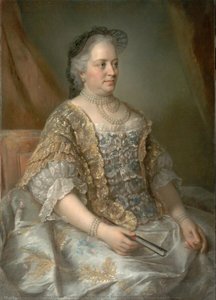
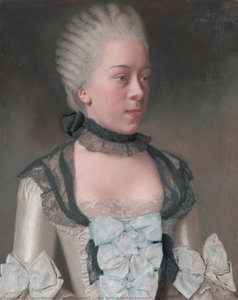
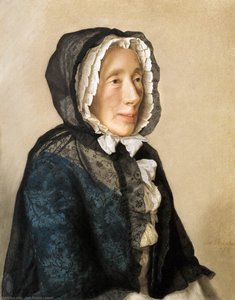
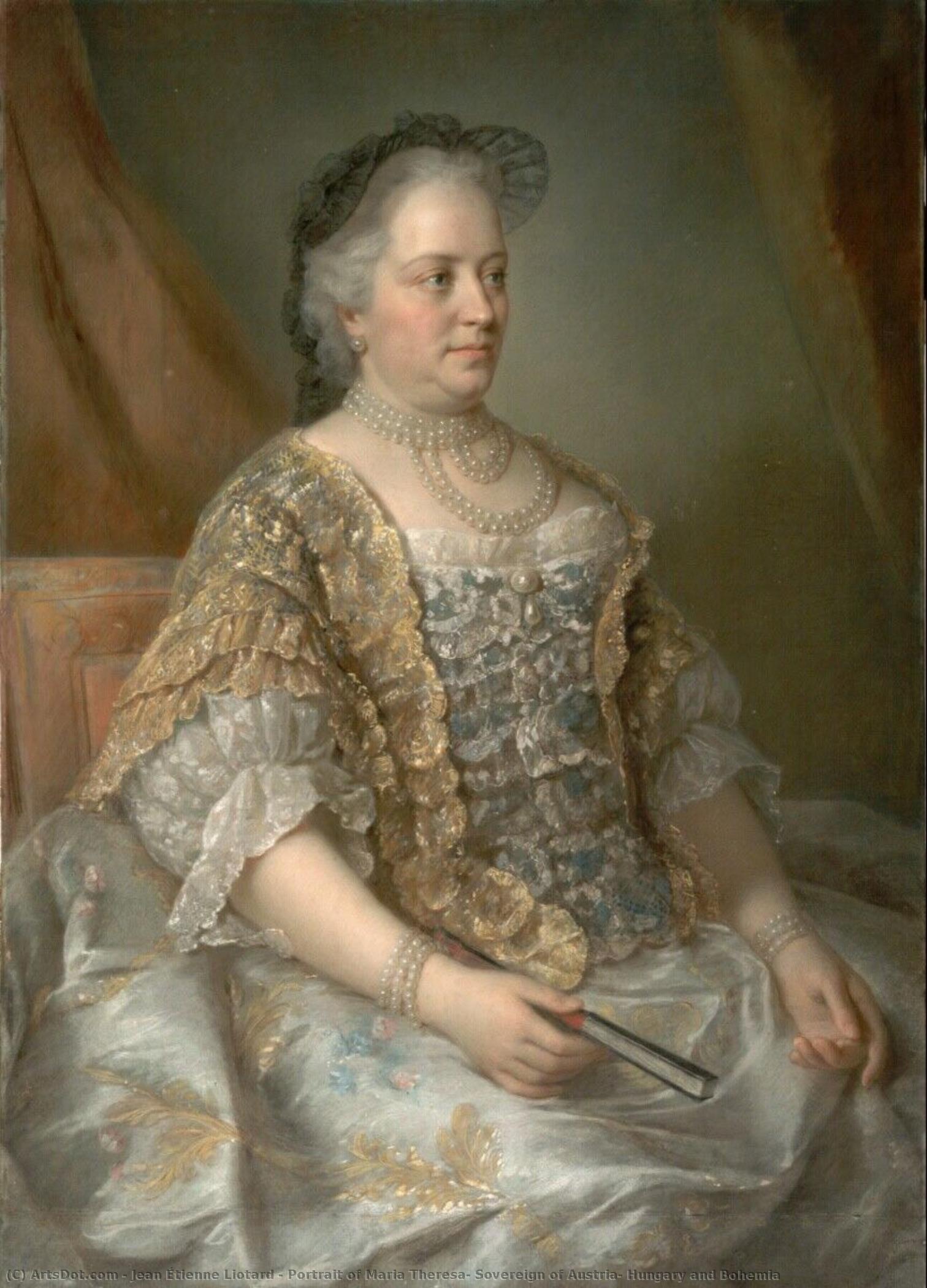
Portrait of Maria Theresa, Sovereign of Austria, Hungary and Bohemia


 Read More
Hand Made Oil Reproduction
Hand-painted oil on canvas in your size and frame, made to order by our artists. ( Buy Print Buy Image)




P118B $10

P118H $10

P118W $10

P438Z $10

P508JH $12

P508YH $12

P805H $10

P805Z $10

P919BZ $10

P919G $10

P919XJ $10

P959ZH $10

P968JZ $12

W106C $8

W218G $10

W218JH $8

W218Y $10

W307PJ $10

W316G $10

W316PJ $8

W316Y $10

W398PJ $8

W4111J $10

W500HY $15

W500JH $15

W692G $12

W849H $8

W940BG $15

W953PJ $8




Pick from our preset sizes that match the artwork's original proportions.

You may enter your own dimensions to fit a specific frame or space. If your selected size does not match the original image's proportions, we will either crop the artwork or extend the painting with additional hand-painted elements. A digital mockup will be sent for your approval before production begins.
Please note that the on-screen preview does not reflect the actual cropping or extension. Only the mockup will accurately show the final composition.
While custom sizes are available, we recommend selecting a dimension from the predefined list to preserve the original proportions.
After order, ArtsDot.com team will email client for instructions and provide a mockup preview
Worldwide Delivery () in 3/4 weeks instead of standard 5 weeks. (6 September). No compromise on quality.

Free Worldwide Express Shipping

High-Quality Linen Canvas

Full Shipping Insurance

Customs Tax Refund Guarantee

True Color Matching Guarantee

100-Day Return Policy (Defects Only)

100% Money-Back Guarantee

Bulk Discount Offer
 Glass option is only available in size under 110 CM

Portrait of Maria Theresa, Sovereign of Austria, Hungary and Bohemia
Reproduction Medium
Reproduction Size
-


Total Price
$ 263
Portrait of Maria Theresa, Sovereign of Austria, Hungary and Bohemia
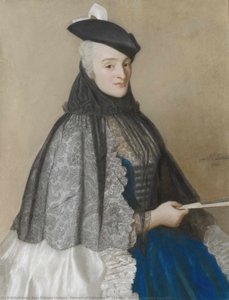
Jean-Étienne Liotard’s “Portrait of Maria Theresa” transcends mere representation; it embodies the grandeur and sophistication of Rococo art—a testament to his mastery as a Genevan painter and connoisseur. Created in 1762, this pastel masterpiece resides within the Albertina Museum in Vienna, Austria, offering viewers an unparalleled glimpse into the artistic sensibilities of the era. ### Style and Technique: The Delicate Dance of Pastel Liotard’s signature style is characterized by its exquisite subtlety—a hallmark of pastel drawing during the mid-18th century. Unlike oil paints, pastels utilize powdered pigment mixed with binder to achieve luminous hues and velvety textures. Liotard skillfully employed this technique, layering delicate strokes to capture the nuanced contours of Maria Theresa's face and drapery. The resulting image glows with an ethereal quality, reflecting the influence of Venetian painting traditions prevalent at the time. Precise brushwork contributes to a remarkable level of detail—particularly evident in the intricate folds of her gown and the shimmering pearls adorning her neck—demonstrating Liotard’s meticulous attention to craftsmanship. ### Historical Context: An Era Defined by Nobility and Patronage “Portrait of Maria Theresa” emerged from a period marked by profound social and political transformations within Europe. The Habsburg monarchy, under Maria Theresa's reign, exerted considerable influence over artistic patronage—supporting artists like Liotard who produced works reflecting the values of aristocratic society. Rococo art flourished during this time, prioritizing elegance, ornamentation, and sensual beauty—a deliberate contrast to the austere formality of Neoclassical styles that would soon follow. The portrait serves as a visual chronicle of Maria Theresa’s status as sovereign—symbolized by her regal attire and jewelry—underscoring the importance of aristocratic lineage and power within the cultural landscape. ### Symbolism: Pearls, Drapery, and the Pursuit of Ideal Beauty The pastel itself carries symbolic significance—representing delicacy, refinement, and a preference for soft colors—elements deeply ingrained in Rococo aesthetics. Maria Theresa’s gown is draped with flowing fabrics—a deliberate allusion to classical drapery—emphasizing grace and movement while simultaneously conveying wealth and status. The pearls encircling her neck symbolize nobility and purity—reflecting the idealized notions of femininity prevalent during the period. Liotard's aim was not merely to depict a likeness but to convey an emotional resonance—capturing Maria Theresa’s dignity and composure with remarkable sensitivity. ### Emotional Impact: A Moment Frozen in Time Ultimately, “Portrait of Maria Theresa” evokes a profound sense of timelessness—transporting viewers back to the opulent salons of Vienna and inviting contemplation on themes of beauty, power, and legacy. The pastel's luminous palette and masterful brushwork instill admiration for Liotard’s artistic prowess—celebrating his ability to transform pigment into an enduring symbol of cultural heritage. This portrait remains a captivating exemplar of Rococo art—inspiring collectors and interior designers alike with its exquisite aesthetic qualities and evocative narrative.Related Artworks
Artist Biography
early life and training
jean-étienne liotard, a renowned genevan painter, art connoisseur, and dealer, was born on december 22, 1702, in geneva, switzerland. his parents, french protestants, had fled to geneva after 1685. liotard's artistic journey began under the guidance of professors daniel gardelle and petitot, whose enamels and miniatures he skillfully replicated.artistic career
liotard's travels took him to various european capitals, including paris, rome, istanbul, and vienna, where his portraits were highly sought after. in 1725, he studied under jean-baptiste massé and françois lemoyne in paris. his time in constantinople (1738-1742) significantly influenced his work, as evident in his numerous pastel depictions of turkish domestic scenes.notable works and style
liotard's mastery of pastel is showcased in works like:- dutch girl at breakfast (ca. 1756, oil on canvas, rijksmuseum), demonstrating his versatility.
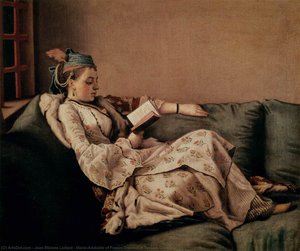
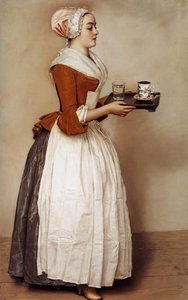
- la liseuse, the chocolate girl, and la belle lyonnaise at the dresden gallery, exemplifying his delicate pastel drawings.
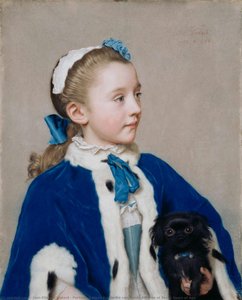
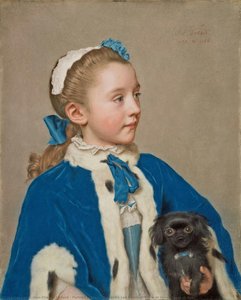
- maria frederike van reede-athlone at seven (j. paul getty museum), a testament to his naturalistic portraiture.
legacy and later life
liotard's later years were marked by the publication of his treatise, traité des principes et des règles de la peinture (1781). he continued to paint still lifes and landscapes until his passing on june 12, 1789, in geneva. key links:- jean-étienne liotard | ArtsDot.com (artist page)
- jean-étienne liotard | wikipedia
- a woman in turkish dress | ArtsDot.com (painting)
museums and collections:
- the museum private collection (geneva, switzerland), featuring an impressive array of liotard's works.
- musée d'art et d'histoire (geneva, switzerland), housing a significant collection of liotard's pastels and drawings.
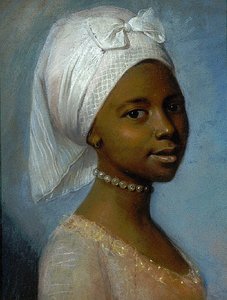
jean-étienne liotard
1702 - 1789 , Switzerland
Quick Facts
- Artistic Movement Or Style: Pastoralism
- Artists Or Movements Influenced By This Artist:
- Jean Baptiste Massé
- François Lemoyne
- Artists Who Influenced This Artist:
- Daniel Gardelle
- Petitot
- Date Of Birth: December 22, 1702
- Date Of Death: June 12, 1789
- Full Name: Jean-Étienne Liotard
- Nationality: Swiss
- Notable Artworks:
- Dutch Girl at Breakfast
- La Liseuse, The Chocolate Girl
- Maria Frederike van Reede-Athlone at Seven
- Place Of Birth: Geneva, Switzerland
Related Articles
Jean-Étienne Liotard: Rococo Portraiture & the Pursuit of Naturalism
Explore the exquisite Rococo portraits of Jean-Étienne Liotard, a master of pastel and enamel. Discover his innovative techniques, captivating Turkish scenes, and lasting influence on art history. Learn more at ArtsDot.

The Rococo Aesthetic: Opulence, Rebellion & the Pursuit of Pleasure in 18th-Century Art
Explore the opulent world of Rococo art! Discover its origins, key artists like Watteau & Boucher, and lasting influence on design. Expert insights for collectors & enthusiasts.

Rococo's Radiant Legacy: 10 Masterpieces for Your Home |
Indulge in the elegance of Rococo! Explore 10 masterpieces by Fragonard, Boucher & Watteau. Discover the stories behind these iconic paintings and bring timeless art to your home with museum-quality reproductions from .

The Enduring Legacy of Oil on Canvas: Technique, History & Aesthetic Impact
Explore the rich history & techniques of oil painting – from Renaissance masters to Impressionism. Discover pigments, layering methods, and why this timeless medium endures. Expert insights for artists & art enthusiasts.
Illuminating the Enlightenment: A Comprehensive Exploration of 18th-Century Painting
Explore the captivating world of 18th-century painting! Discover Rococo's playful elegance & Neoclassicism’s Enlightenment ideals with expert insights into Fragonard, David, and more. A comprehensive guide for art enthusiasts.