 Preview
 Send
Send Share
Share
 Details

 Download
 Similars
 X-Ray
X-Ray Diaporama
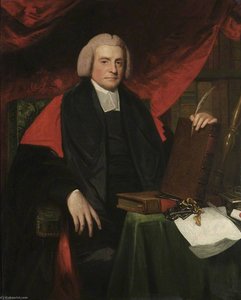
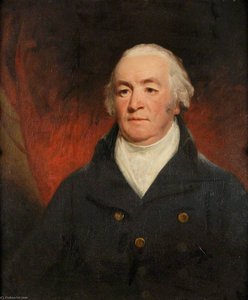
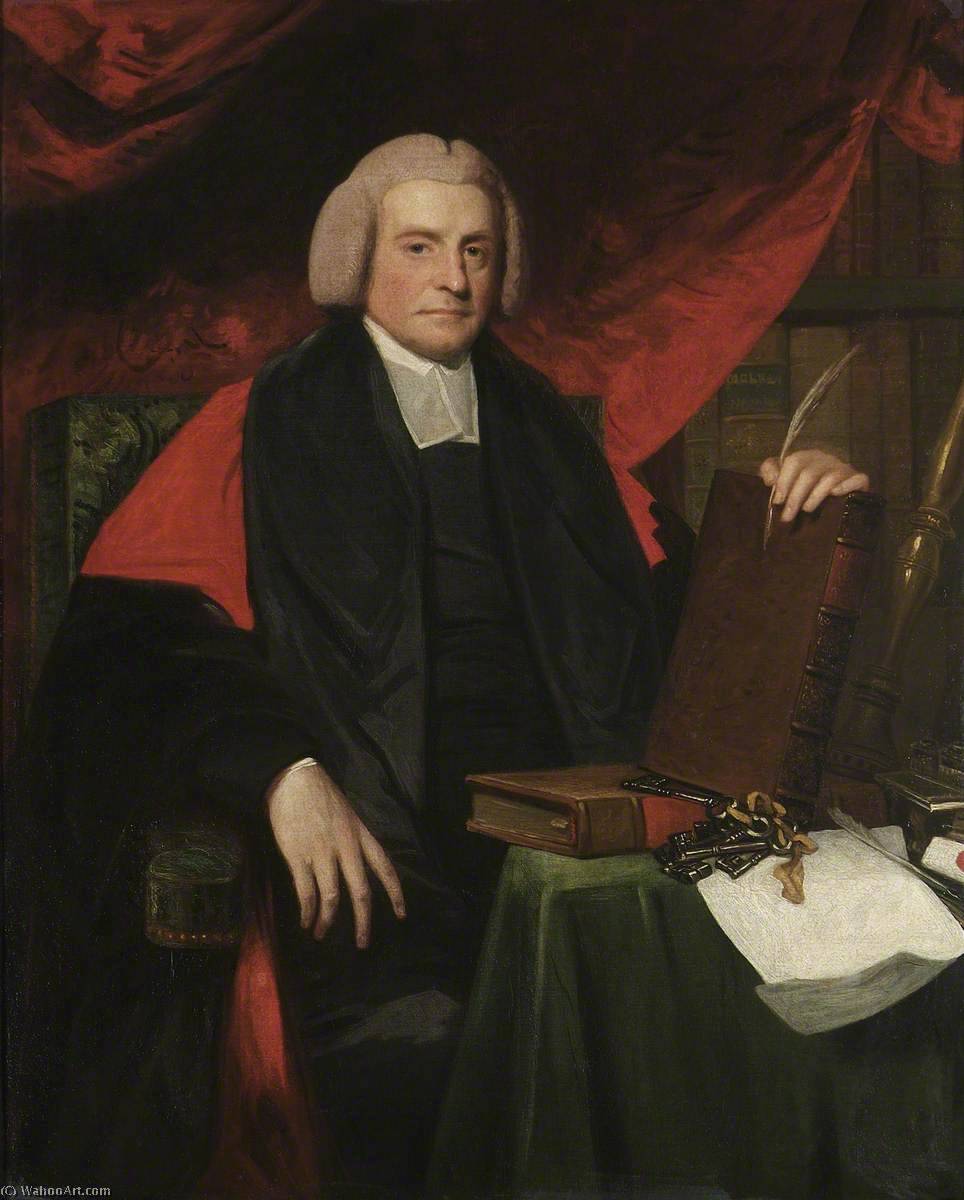
John Wills (1741–1806), Scholar, Fellow, Warden (1783–1806)
 Acrylic On Canvas
- WallArt
- Romanticism
 1796
1796 125.0 x 99.0 cm
 Wadham College
 Read More
Giclée / Art Print
Museum-quality giclée or canvas print with fast production and flexible finish options. ( Buy Hand Made Painting Buy Image)




P118B $10

P118H $10

P118W $10

P438Z $10

P508JH $12

P508YH $12

P805H $10

P805Z $10

P919BZ $10

P919G $10

P919XJ $10

P959ZH $10

P968JZ $12

W106C $8

W218G $10

W218JH $8

W218Y $10

W307PJ $10

W316G $10

W316PJ $8

W316Y $10

W398PJ $8

W4111J $10

W500HY $15

W500JH $15

W692G $12

W849H $8

W940BG $15

W953PJ $8




Pick from our preset sizes that match the artwork's original proportions.

You may enter your own dimensions to fit a specific frame or space. If your selected size does not match the original image's proportions, we will either crop the artwork or extend the image with a mirrored or solid-fill edge. A digital mockup will be sent for your approval before production begins.
Please note that the on-screen preview does not reflect the actual cropping or extension. Only the mockup will accurately show the final composition.
While custom sizes are available, we recommend selecting a dimension from the predefined list to preserve the original proportions.
Worldwide Delivery () in 2 weeks instead of standard 4/5 weeks. (24 August)

Free Worldwide Express Shipping

High-Quality Linen Canvas

Full Shipping Insurance

Customs Tax Refund Guarantee

True Color Matching Guarantee

60-Day Return Policy (Defects Only)

100% Money-Back Guarantee

Bulk Discount Offer
 Glass option is only available in size under 110 CM

John Wills (1741–1806), Scholar, Fellow, Warden (1783–1806)
Giclée / Art Print
Reproduction Size
-


Total Price
$ 63
Collectible Description
A Portrait Steeped in Academia and Dignified Presence
John Hoppner’s depiction of John Wills (1741–1806), Scholar, Fellow, Warden (1783–1806) stands as a testament to the artistic sensibilities of the late Georgian era. Executed in 1796, this monumental canvas – measuring 125 x 99 cm – resides within Wadham College’s collection, offering viewers an intimate glimpse into the life and intellect of a pivotal figure in Oxford scholarship.The Artist's Vision: Hoppner's Mastery
John Hoppner (1758–1810), born in Whitechapel to German parents, ascended to prominence as one of London’s foremost portrait painters. His distinctive style—characterized by a masterful command of colour and an expressive brushstroke—earned him considerable acclaim during his lifetime and cemented his legacy as a champion of naturalism within the Royal Academy. Hoppner's approach eschewed mere likeness; he sought to convey not just physical appearance but also character and inner life, mirroring the artistic ideals prevalent at the time. His work frequently benefited from royal patronage, notably securing commissions from King George III, which further solidified his reputation as a respected artist.A Study in Detail: Composition and Technique
The painting’s composition is deliberately restrained yet imbued with subtle dynamism. Wills sits centrally within a richly furnished room, dominated by a mahogany desk upon which rests several books—a deliberate symbol of intellectual pursuit and scholarly dedication. A chair positioned to his left reinforces this impression of contemplative repose. Hoppner skillfully employs chiaroscuro – the dramatic interplay between light and shadow – to sculpt Wills’ form and illuminate key details, highlighting the texture of his robe and emphasizing the solemnity of his gaze. The artist's meticulous attention to detail extends beyond mere representation; he captures the subtle nuances of expression that convey intelligence and dignity. Hoppner utilized oil paints on canvas, applying thin glazes over underlayers to achieve luminous colours and a velvety surface finish—a technique favoured by artists of the period for its ability to capture both form and atmosphere.Historical Context: Wadham College and Enlightenment Thought
Wadham College, founded in 1642, represents more than just an institution of learning; it embodies the spirit of the Enlightenment – a movement that championed reason, observation, and humanist values. John Wills’ role as Warden of the college underscores this intellectual fervor, reflecting the broader cultural preoccupation with philosophical inquiry and scientific advancement during his era. Portraits like Hoppner's were commissioned to commemorate distinguished individuals and solidify their place within the annals of history, serving as visual embodiments of social status and academic achievement.Symbolism: The Desk and Books – Vessels of Knowledge
The desk laden with books is undeniably symbolic. It represents not merely physical possessions but rather the repository of accumulated knowledge—the cornerstone of Wills’ intellectual life and a central motif in Hoppner's artistic vision. Similarly, Wills’ gaze directs upwards, suggesting contemplation and aspiration—a reflection of the Enlightenment’s belief in human potential for enlightenment and moral improvement. The painting transcends mere portraiture; it aspires to capture the essence of its subject – a man devoted to scholarship and embodying the ideals of his time.Related Artworks

Artist Biography
a life of artistry and royal patronage
john hoppner, a prominent english portrait painter, left an indelible mark on the art world with his vibrant colour palette. born in whitechapel, london, in 1758 to german parents, hoppner's life was marked by royal patronage and artistic brilliance.early life and training
- at a young age, hoppner became a chorister at the royal chapel, but his inclination towards art led him to enter the royal academy in 1775.
- in 1778, he received a silver medal for drawing from life, and in 1782, the gold medal for historical painting with his work on king lear.
rise to fame and notable works
john hoppner's portraits of women and children were deemed his most successful works by competent judges. his touch, characterized by breadth and freedom, gave his paintings a faint reflection of the charm of reynolds. notable works include:- mrs jordan as viola in 'twelfth night', now at english heritage (london, united kingdom), showcasing his mastery over portrait painting.
- his portraits of the prince of wales, the duke and duchess of york, lord rodney, and lord nelson, which were hung in the state apartments at st james's palace, demonstrate his high societal connections.
legacy and later life
john hoppner's life was marked by a chronic liver disease. he died on january 23, 1810. despite this, his legacy endures through his vibrant portraits that continue to captivate art lovers.- explore more of john hoppner's works at https://ArtsDot.com/@/johnhoppner.
- discover the broader context of british art at https://en.wikipedia.org/wiki/art_of_the_united_kingdom.
further reading and exploration
for a deeper dive into the world of british art, consider the following:- discovering the artworks of dyrham park, united kingdom
- sir edwin landseer lutyens, an english architect known for his imaginative adaptations.
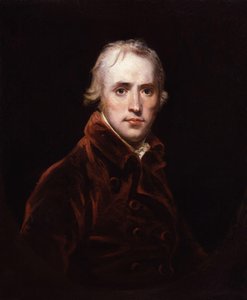
John Hoppner
1758 - 1810 , United Kingdom
Quick Facts
- Artistic Movement Or Style: Portraiture
- Artists Or Movements Influenced By This Artist: ['Reynolds']
- Artists Who Influenced This Artist: ['Joshua Reynolds']
- Date Of Birth: April 4, 1758
- Date Of Death: January 23, 1810
- Full Name: John Hoppner
- Nationality: British
- Notable Artworks:
- Mrs. Jordan as Viola
- Prince of Wales
- Duke of York
- Lord Rodney
- Lord Nelson
- Place Of Birth: Whitechapel, London
Related Articles

John Singer Sargent's 25 Masterpieces: Portraits & Beyond | ArtsDot
Explore 25 iconic John Singer Sargent paintings – from dazzling portraits to Impressionist landscapes. Discover the stories behind Madame X, El Jaleo & more! Find museum-quality art reproductions and elevate your home decor with ArtsDot.com.

John Constable's Masterpieces: Explore 25 Iconic Landscapes for Your Home
Journey through John Constable's 25 most celebrated landscapes. Explore Romanticism, Dedham Vale & his masterful use of light in iconic paintings like 'Hay Wain'. Find museum-quality art reproductions and elevate your home decor on ArtsDot.com.
John Hoppner: Portraiture, Patronage & British Identity in the Late Georgian Era
Explore the life & work of John Hoppner, a leading Georgian portraitist. Discover his vibrant style, influential patrons, and lasting impact on British art history. Expert insights for collectors.
Academic Realism's Finest: 10 Masterpieces for Art Lovers & Home Decor
Explore 10 defining Academic Realism masterpieces by Bouguereau, Gérôme & Cabanel. Discover the stories behind these iconic paintings and bring timeless art into your home with museum-quality reproductions from ArtsDot.com. Explore the full collection online!
Academic Art: Tradition, Technique & the Pursuit of Ideal Form in the 19th Century
Explore the world of Academic Art! Discover its history, key artists like Ingres & Bouguereau, defining techniques, and lasting influence on 19th-century painting. Learn about the Salon system and its legacy.