 Preview
 Send
Send Share
Share
 Details

 Download
 Similars
 X-Ray
X-Ray Diaporama
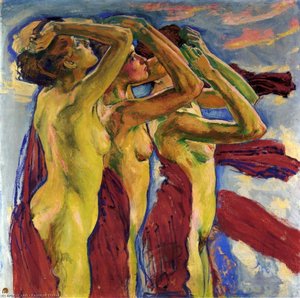
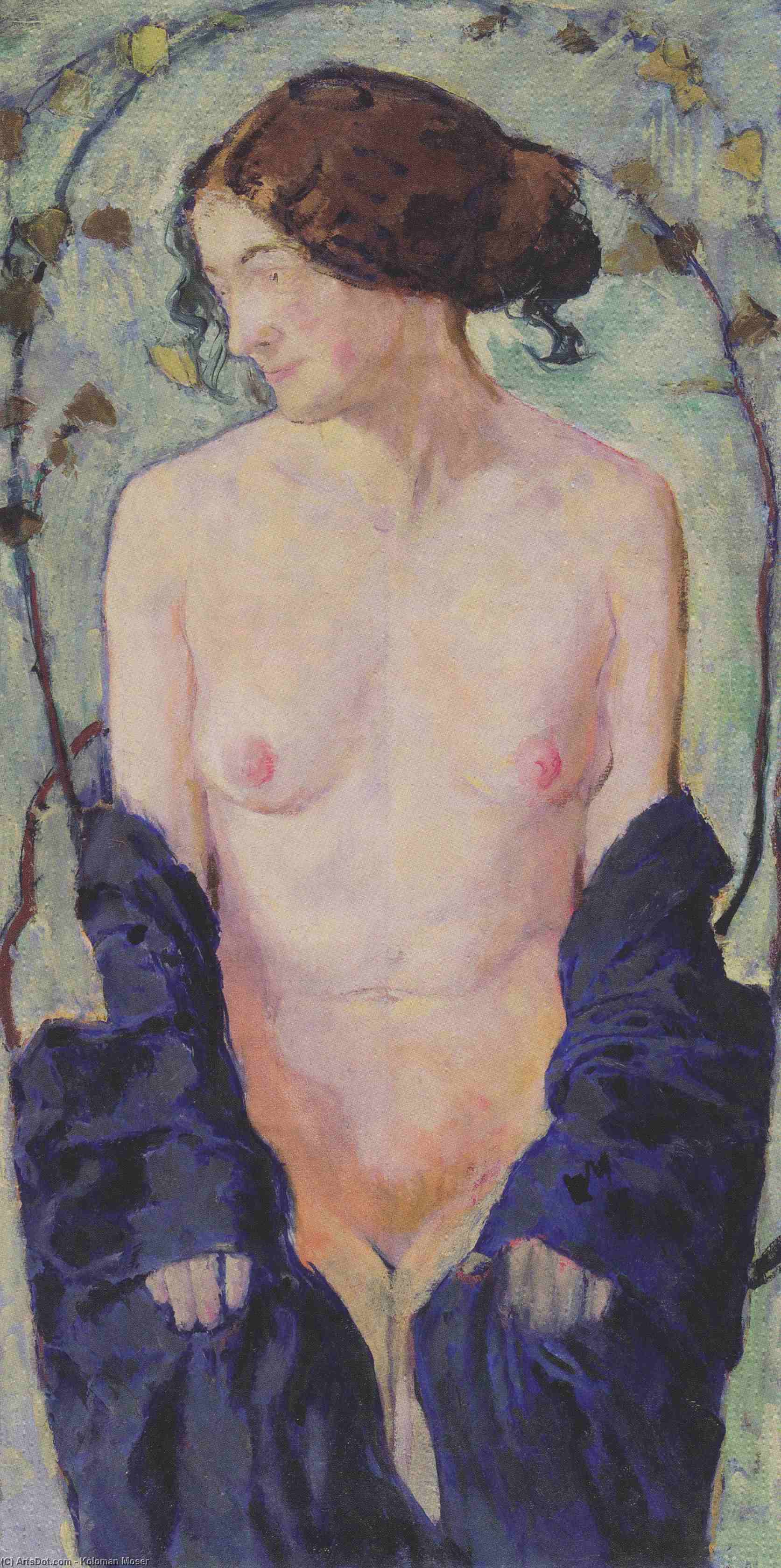
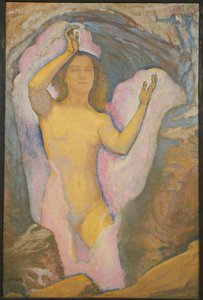
Female Nude with blue cloth
 Vienna Secession
 1913
1913 100.0 x 50.0 cm
 Read More
Hand Made Oil Reproduction
Hand-painted oil on canvas in your size and frame, made to order by our artists. ( Buy Print Buy Image)




P118B $10

P118H $10

P118W $10

P438Z $10

P508JH $12

P508YH $12

P805H $10

P805Z $10

P919BZ $10

P919G $10

P919XJ $10

P959ZH $10

P968JZ $12

W106C $8

W218G $10

W218JH $8

W218Y $10

W307PJ $10

W316G $10

W316PJ $8

W316Y $10

W398PJ $8

W4111J $10

W500HY $15

W500JH $15

W692G $12

W849H $8

W940BG $15

W953PJ $8




Pick from our preset sizes that match the artwork's original proportions.

You may enter your own dimensions to fit a specific frame or space. If your selected size does not match the original image's proportions, we will either crop the artwork or extend the painting with additional hand-painted elements. A digital mockup will be sent for your approval before production begins.
Please note that the on-screen preview does not reflect the actual cropping or extension. Only the mockup will accurately show the final composition.
While custom sizes are available, we recommend selecting a dimension from the predefined list to preserve the original proportions.
After order, ArtsDot.com team will email client for instructions and provide a mockup preview
Worldwide Delivery () in 3/4 weeks instead of standard 5 weeks. (17 August). No compromise on quality.

Free Worldwide Express Shipping

High-Quality Linen Canvas

Full Shipping Insurance

Customs Tax Refund Guarantee

True Color Matching Guarantee

60-Day Return Policy (Defects Only)

100% Money-Back Guarantee

Bulk Discount Offer
 Glass option is only available in size under 110 CM

Female Nude with blue cloth
Reproduction Medium
Reproduction Size
-


Total Price
$ 263
Artwork Description
A Glimpse into Viennese Sensuality: Koloman Moser’s ‘Female Nude with Blue Cloth’
Koloman Moser's 1913 painting, *Female Nude with Blue Cloth*, is a captivating example of the artist’s unique blend of Symbolism and early Modernist aesthetics. Measuring 100 x 50 cm, this oil on canvas work presents a woman draped in a flowing blue cloth, subtly revealing her form beneath. Her hands rest confidently on her hips, establishing a pose that is both relaxed and assertive. The subject’s gaze drifts off into the distance, inviting contemplation and adding to the painting's enigmatic quality.The Vienna Secession & Artistic Context
To understand this piece fully, it’s crucial to consider Moser’s place within the *Vienna Secession* movement. Founded in 1897, the Secession rejected the conservative artistic standards of the time, embracing experimentation and a holistic approach to art – encompassing fine arts, crafts, and design. Moser was a founding member and leading figure, deeply involved in the *Wiener Werkstätte* (Vienna Workshop), which aimed to create total works of art, blurring the lines between artist and artisan. This philosophy is reflected in the meticulous detail and considered composition of ‘Female Nude with Blue Cloth’. The painting emerged during a period of significant social and artistic upheaval, as traditional values were challenged by new ideas about sexuality, psychology, and representation.Symbolism & Interpretation
- The Blue Cloth: Blue often symbolizes spirituality, tranquility, and the subconscious. Here, it acts not merely as a covering but as a veil between the visible and hidden self.
- The Gaze: The woman’s distant gaze suggests introspection or perhaps a connection to a realm beyond the immediate physical world. It invites viewers to project their own interpretations onto her expression.
- Simplified Forms & Composition: While not fully abstract, Moser simplifies forms and emphasizes decorative elements – hallmarks of Symbolism – creating an image that is more about mood and suggestion than literal representation.
Emotional Resonance & Interior Design Considerations
*Female Nude with Blue Cloth* evokes a sense of quiet sensuality and introspective beauty. It’s not a painting of overt display, but rather one of subtle allure and psychological depth. The muted color palette – dominated by the cool blue and flesh tones – lends itself well to contemporary interiors, particularly those seeking a sophisticated and calming atmosphere. This artwork would be an excellent focal point in a bedroom, study, or living room, adding a touch of Viennese elegance and intellectual intrigue. Its relatively small size makes it versatile for various spaces, while its rich symbolism ensures it will spark conversation and contemplation.Related Artworks
Artist Biography
Early Life and Education
Koloman Moser, born on March 30, 1868, in Vienna, Austria-Hungary (now part of Croatia), was a pivotal figure in the Austrian art scene, particularly renowned for his contributions to graphic art and as a founding member of the Vienna Secession movement. His artistic journey began with formal studies at the Wiener Akademie and the Kunstgewerbeschule, where he later became an instructor from 1899 onwards. This academic foundation proved crucial in shaping his versatile career across various mediums. Moser’s family background influenced his early exposure to art and design, fostering a keen eye for detail and aesthetics that would define his artistic style.Artistic Contributions: A Multifaceted Career
- Graphic Art: Moser's impact on graphic art is undeniable. He designed postage stamps, magazine vignettes, and other printed materials with distinctive geometric patterns and stylized imagery. His designs were characterized by their clarity, elegance, and innovative use of typography.
- Fashion and Applied Arts: Beyond graphic design, Moser’s talent extended to fashion, stained glass windows, porcelains, ceramics, blown glass, tableware, silver, and jewelry. This demonstrates his commitment to integrating art into everyday life.
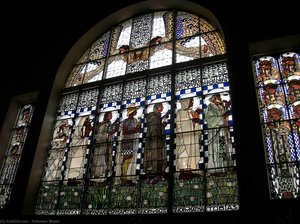
- Architecture: His architectural designs, most notably the apse mosaic and glass windows for the Kirche am Steinhof in Vienna (1904), showcase his ability to blend artistic vision with functional design. These works are considered masterpieces of Art Nouveau architecture.
The Wiener Werkstätte and Collaborative Spirit
In 1903, Moser co-founded the Wiener Werkstätte (Vienna Workshop) alongside Josef Hoffmann. This collaborative workshop aimed to create aesthetically pleasing household goods by uniting artists and craftsmen. The Wiener Werkstätte championed a philosophy of “Gesamtkunstwerk” – total work of art – where every aspect of an object, from its design to its production, was carefully considered. Moser’s involvement in the Wiener Werkstätte solidified his commitment to functional beauty and elevated the status of applied arts.Influences, Development, and Legacy
Moser's artistic development was influenced by several key movements, including Art Nouveau, Symbolism, and the Vienna Secession. He drew inspiration from Japanese woodblock prints, which informed his use of flat planes of color and simplified forms. His style evolved over time, becoming increasingly abstract and geometric while retaining a sense of elegance and refinement. Moser’s legacy is cemented by his designs being immortalized on the Austrian 100 Euro Steinhof Church commemorative coin (2005), recognizing his enduring influence on art and design. He died in Vienna in 1918, leaving behind a significant body of work that continues to inspire artists and designers today. His contributions helped shape the course of modern art and design, emphasizing the importance of integrating beauty into everyday objects and spaces.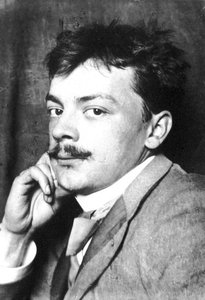
Koloman Moser
1868 - 1918 , Croatia
Quick Facts
- Artistic Movement Or Style: Vienna Secession
- Artists Or Movements Influenced By This Artist: ['Wiener Werkstätte']
- Date Of Birth: March 30, 1868
- Date Of Death: 1918
- Full Name: Koloman Moser
- Nationality: Austrian
- Notable Artworks:
- Decorating of the facade
- Dancer
- Three crouching women
- The Frog King
- Clash of the Titans
- The Three Graces
- The light
- Place Of Birth: Vienna, Croatia
Related Articles

Slate Blue Masterpieces: 10 Iconic Paintings & Timeless Home Decor Ideas
Immerse yourself in the captivating world of slate blue! Explore 10 iconic paintings by Monet, Van Gogh & Renoir. Discover their stories, techniques & find museum-quality art reproductions for your home at .
Koloman Moser: A Synthesis of Art Nouveau, Secessionism & the Gesamtkunstwerk Ideal
Explore the life & work of Koloman Moser, a pivotal figure in the Vienna Secession & Wiener Werkstätte. Discover his stunning graphic design, architecture, and applied arts – a true pioneer of Viennese Art Nouveau. Learn more at ArtsDot.
The Vienna Secession: A Rebellion of Form & Spirit in Fin-de-Siècle Art
Discover the revolutionary Vienna Secession art movement! Explore Klimt, Olbrich & more. Learn about its history, characteristics & lasting influence on modern art. High-quality reproductions available.
The Allure of Azure: Exploring the Symbolic & Aesthetic Depths of Blue in Art History
Explore the rich history of blue in art! Discover its symbolism, from ancient pigments to modern masterpieces by Kandinsky & Seurat. Uncover the psychological impact and cultural meanings behind this captivating hue.
The Enduring Allure of the Nude: A Historical & Artistic Exploration of the Human Form
Explore the captivating history of nude art! Discover iconic paintings & artists from classical to modern eras. Uncover symbolism, techniques & find museum-quality reproductions at ArtsDot.
![Decorative Fabric [“Bird Bülow”]](/media/artworks/images/thumbnails/6c/e3/6ce3bf69327143bdb6a7dc1054ddd8c6.jpg)