 Preview
 Send
Send Share
Share
 Details

 Download
 Similars
 X-Ray
X-Ray Diaporama
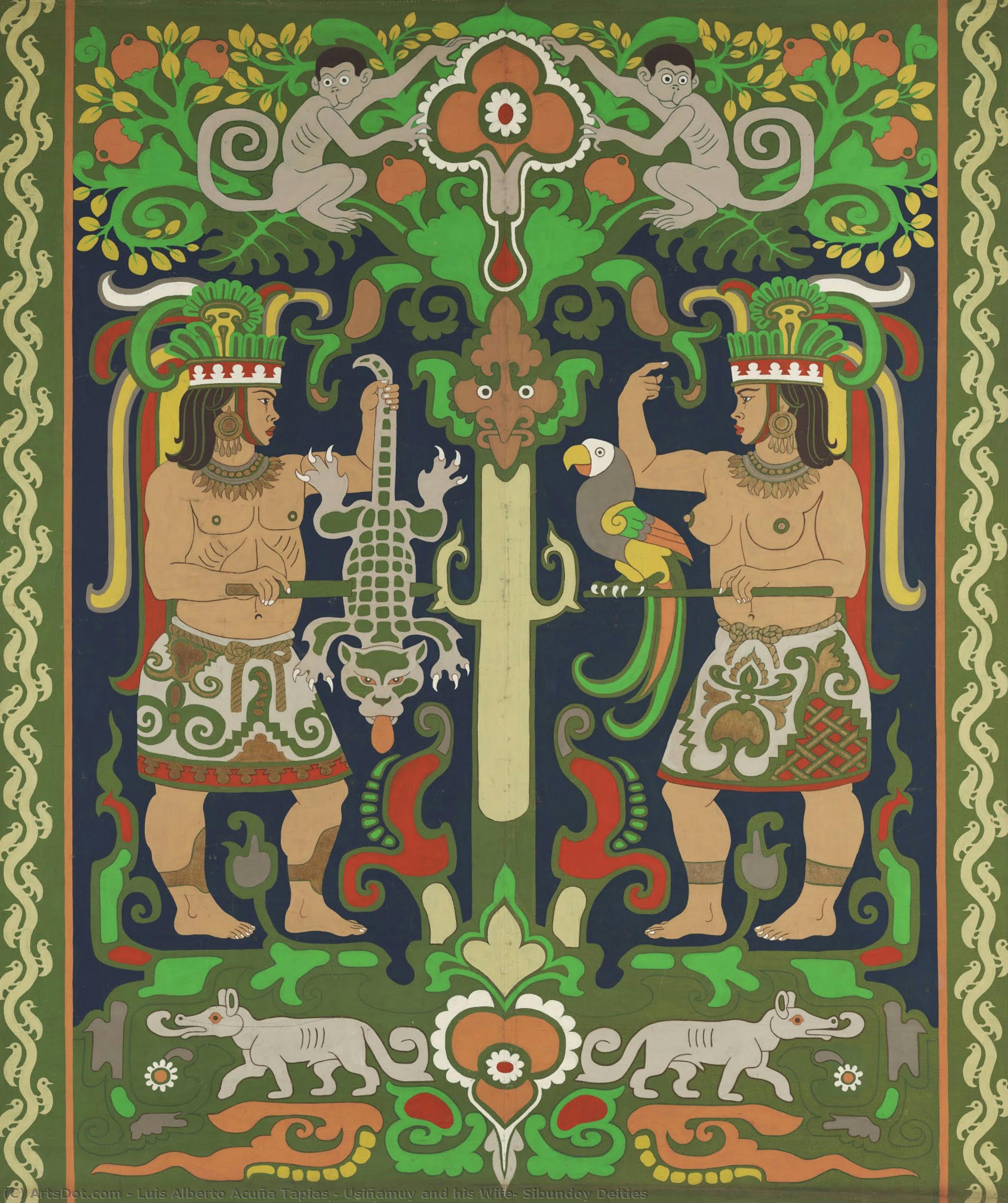
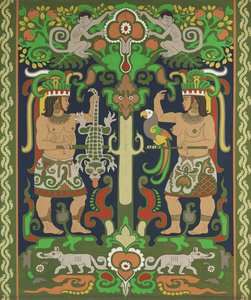
Usiñamuy and his Wife: Sibundoy Deities


 Read More
Giclée / Art Print
Museum-quality giclée or canvas print with fast production and flexible finish options. ( Buy Hand Made Painting Buy Image)




P118B $10

P118H $10

P118W $10

P438Z $10

P508JH $12

P508YH $12

P805H $10

P805Z $10

P919BZ $10

P919G $10

P919XJ $10

P959ZH $10

P968JZ $12

W106C $8

W218G $10

W218JH $8

W218Y $10

W307PJ $10

W316G $10

W316PJ $8

W316Y $10

W398PJ $8

W4111J $10

W500HY $15

W500JH $15

W692G $12

W849H $8

W940BG $15

W953PJ $8




Pick from our preset sizes that match the artwork's original proportions.

You may enter your own dimensions to fit a specific frame or space. If your selected size does not match the original image's proportions, we will either crop the artwork or extend the image with a mirrored or solid-fill edge. A digital mockup will be sent for your approval before production begins.
Please note that the on-screen preview does not reflect the actual cropping or extension. Only the mockup will accurately show the final composition.
While custom sizes are available, we recommend selecting a dimension from the predefined list to preserve the original proportions.
Worldwide Delivery () in 2 weeks instead of standard 4/5 weeks. (5 September)

Free Worldwide Express Shipping

High-Quality Linen Canvas

Full Shipping Insurance

Customs Tax Refund Guarantee

True Color Matching Guarantee

60-Day Return Policy (Defects Only)

100% Money-Back Guarantee

Bulk Discount Offer
 Glass option is only available in size under 110 CM

Usiñamuy and his Wife: Sibundoy Deities
Giclée / Art Print
Reproduction Size
-


Total Price
$ 63
A Celestial Encounter in the Sibundoy Valley
In the vibrant tapestry of Colombian heritage, few works capture the mystical essence of ancestral myth as profoundly as Luis Alberto Acuña Tapias’s masterpiece, Usiñamuy and his Wife: Sibundoy Deities. Created in 1975, this painting serves as a window into a sacred dimension, where the boundaries between the earthly and the divine dissolve. The composition centers on two powerful deities from the Sibundoy culture, standing side by side in a moment of profound cosmic significance. Through his masterful use of color and form, Acuña Tapias does not merely depict characters; he resurrects a lost world of spiritual reverence, inviting the viewer to witness a sacred dialogue between the creators and the natural universe.
The visual journey through this piece is one of delightful complexity and rhythmic movement. As your eyes wander across the canvas, you encounter a lively ecosystem that breathes life into the divine presence. Birds dance through the air, their flight patterns weaving around the deities, while a domestic and wild menagerie—including a watchful dog and curious cats—anchors the celestial scene to the terrestrial realm. This interplay between the high gods and the humble creatures of the earth creates a sense of universal interconnectedness, suggesting that every living being is a vital thread in the grand design of the Sibundoy cosmos.
Technique and the Language of Color
Acuña Tapias was a master of blending modern painterly techniques with the deep-seated traditions of Colombian folklore. In this work, his brushwork achieves a remarkable balance between structured form and fluid energy. The palette is nothing short of spectacular, utilizing saturated hues that evoke the lush, verdant landscapes of the Andes and the brilliant intensity of indigenous iconography. Each stroke contributes to an intricate texture that makes the scene feel tactile, as if one could reach into the painting and touch the very atmosphere of the Sibundoy valley.
For the discerning collector or interior designer, this artwork offers a profound emotional resonance. It is a piece that commands attention through its narrative depth rather than mere spectacle. The symbolism of the deities—representing fertility, protection, and the cyclical nature of life—provides a sophisticated layer of meaning that transcends simple decoration. Whether placed in a curated gallery setting or as a focal point in a luxurious living space, this reproduction brings with it an aura of cultural prestige and a contemplative spirit that inspires awe and conversation.
To possess a hand-painted reproduction of such a significant work is to hold a fragment of Colombian history. It is an invitation to surround oneself with the beauty of the subconscious and the strength of ancestral memory, making it an incomparable choice for those who seek art that speaks to both the eye and the soul.
Related Artworks




Artist Biography
Salvador Dalí: A Surrealist Visionary
Born in Figueres, Catalonia, Spain, on May 11, 1904, Salvador Dalí was more than just a painter; he was an architect of dreams, a provocateur of the subconscious, and arguably the most recognizable figure within the Surrealist movement. His life, marked by eccentricity, meticulous technique, and a relentless exploration of the bizarre, continues to fascinate and challenge viewers nearly a century after his death in 1989. From humble beginnings – the son of a notary and a devout Catholic – Dalí’s artistic journey was shaped by a complex interplay of influences, including the Renaissance masters, Impressionism, and, crucially, the revolutionary theories of Sigmund Freud.
Early life provided a foundation for his unique perspective. His childhood in Figueres, a small Catalan town, instilled a deep connection to the landscape and folklore of his region. However, the sudden death of his mother at the age of twelve profoundly impacted him, fueling a lifelong fascination with mortality and decay – themes that would frequently surface in his work. He enrolled at the Real Academia de Bellas Artes de San Fernando in Madrid, where he honed his technical skills but quickly grew disillusioned with the rigid academic traditions. It was during this period that he began to absorb the ideas of Cubism and Futurism, movements that challenged conventional notions of representation and paved the way for his own groundbreaking style.
The Rise of Surrealism and the Dreamscape
Dalí’s artistic trajectory truly took flight in the late 1920s when he encountered André Breton and the burgeoning Surrealist movement. Breton, a key figure in the avant-garde literary and art circles of Paris, recognized Dalí's potential to translate the irrationality of dreams into tangible form. Dalí embraced the Surrealists’ emphasis on tapping into the subconscious mind, rejecting rational thought and embracing chance, automatism, and free association as methods for generating artistic ideas. This shift led him away from purely representational art and towards a world populated by melting clocks, distorted figures, and unsettling juxtapositions – a realm entirely his own.
His most famous work, *The Persistence of Memory* (1931), perfectly encapsulates this surreal vision. The drooping, amorphous “melting clocks” are not merely decorative; they symbolize the subjective nature of time, its fluidity and malleability within the dream state. Dalí’s meticulous attention to detail – the precise rendering of textures, light, and shadow – elevates these fantastical images to a level of startling realism, further enhancing their unsettling power. The painting became an instant icon, solidifying Dalí's place as a leading figure in Surrealism.
Technique and Influences
Dalí’s artistic technique was characterized by extraordinary precision and control. He was renowned for his painstaking preparatory work, creating detailed sketches and studies before committing any image to canvas. This meticulousness stemmed from a deep respect for the craft of painting and a desire to achieve an unparalleled level of realism within his surrealist imagery. He often employed techniques borrowed from Renaissance masters, particularly in his use of perspective and chiaroscuro (the dramatic contrast between light and dark).
Beyond traditional artistic influences, Dalí drew inspiration from a wide range of sources, including science, mythology, religion, and popular culture. His fascination with Freudian psychology profoundly shaped his work, leading him to explore themes of sexuality, desire, anxiety, and the unconscious. He frequently incorporated symbols drawn from Catalan folklore – ants, crutches, eggs – imbuing his paintings with layers of meaning that invite interpretation.
Legacy and Impact
Salvador Dalí’s impact on 20th-century art is undeniable. He not only helped to define the Surrealist movement but also influenced countless artists across various disciplines, including film, fashion, and advertising. His distinctive style – characterized by its dreamlike imagery, meticulous detail, and provocative subject matter – continues to resonate with audiences today. Dalí’s work remains a potent reminder of the power of the imagination and the enduring allure of the subconscious mind.
Beyond his artistic achievements, Dalí cultivated a carefully constructed persona—a flamboyant, eccentric figure who delighted in challenging conventions and provoking controversy. This deliberate cultivation of an image contributed significantly to his fame and cemented his status as one of the most recognizable artists of all time. His legacy extends far beyond the canvas, representing a bold exploration of the human psyche and a celebration of artistic freedom.
luis alberto acuña tapias
1904 - 1993 , Colombia
Quick Facts
- Artistic Movement Or Style: Surrealism
- Artists Or Movements Influenced By This Artist:
- Dada
- Cubism
- Artists Who Influenced This Artist:
- Picasso
- Freud
- Date Of Birth: May 11, 1904
- Date Of Death: January 23, 1989
- Full Name: Salvador Felipe Jacinto Dalí i Domènech
- Nationality: Spanish
- Notable Artworks:
- Persistence Memory
- Golden Age
- Dream Caused...
- Place Of Birth: Figueres, Catalonia, Spain
Related Articles
Echoes of Olympus: Mythological Narratives in Western Art Through the Ages
Explore the captivating history of mythological narratives in Western art! From ancient Greece to modern masterpieces, discover iconic artworks & symbolism. Expert analysis and high-quality reproductions at ArtsDot.
The Eloquence of Arrangement: Compositional Strategies in Western Art from the Renaissance to Modernism
Explore the evolution of compositional strategies in Western art! Discover how masters like Raphael & Zurbaran used perspective, proportion, and dynamic arrangement to create timeless masterpieces. Enhance your art appreciation today!
25 Klimt Masterpieces: A Journey Through Iconic Art & Decor
Delve into the world of Gustav Klimt with our top 25 masterpieces! Explore his iconic paintings – 'The Kiss,' 'Portrait of Adele,' and more. Discover museum-quality reproductions & curated decor ideas. Explore the full collection online at ArtsDot.com.
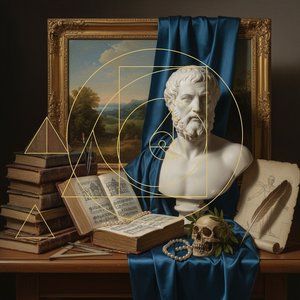
The Eloquence of Arrangement: Exploring Compositional Strategies in Western Art
Explore the evolution of compositional strategies in Western art from the Renaissance to Modernism. Discover how masters like Raphael & Zurbaran used perspective, proportion, and dynamic arrangement to create timeless masterpieces. Enhance your art appreciation today!
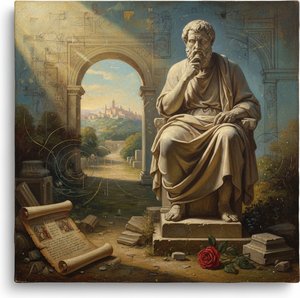
The Allure of Focal Points in Art: Composition, Psychology & History
Explore the art of composition! Discover how focal points, visual hierarchy & chiaroscuro shape perception. Uncover historical techniques & psychological impact for a deeper understanding of masterpieces.