 Preview
 Send
Send Share
Share
 Details

 Download
 Similars
 X-Ray
X-Ray Diaporama
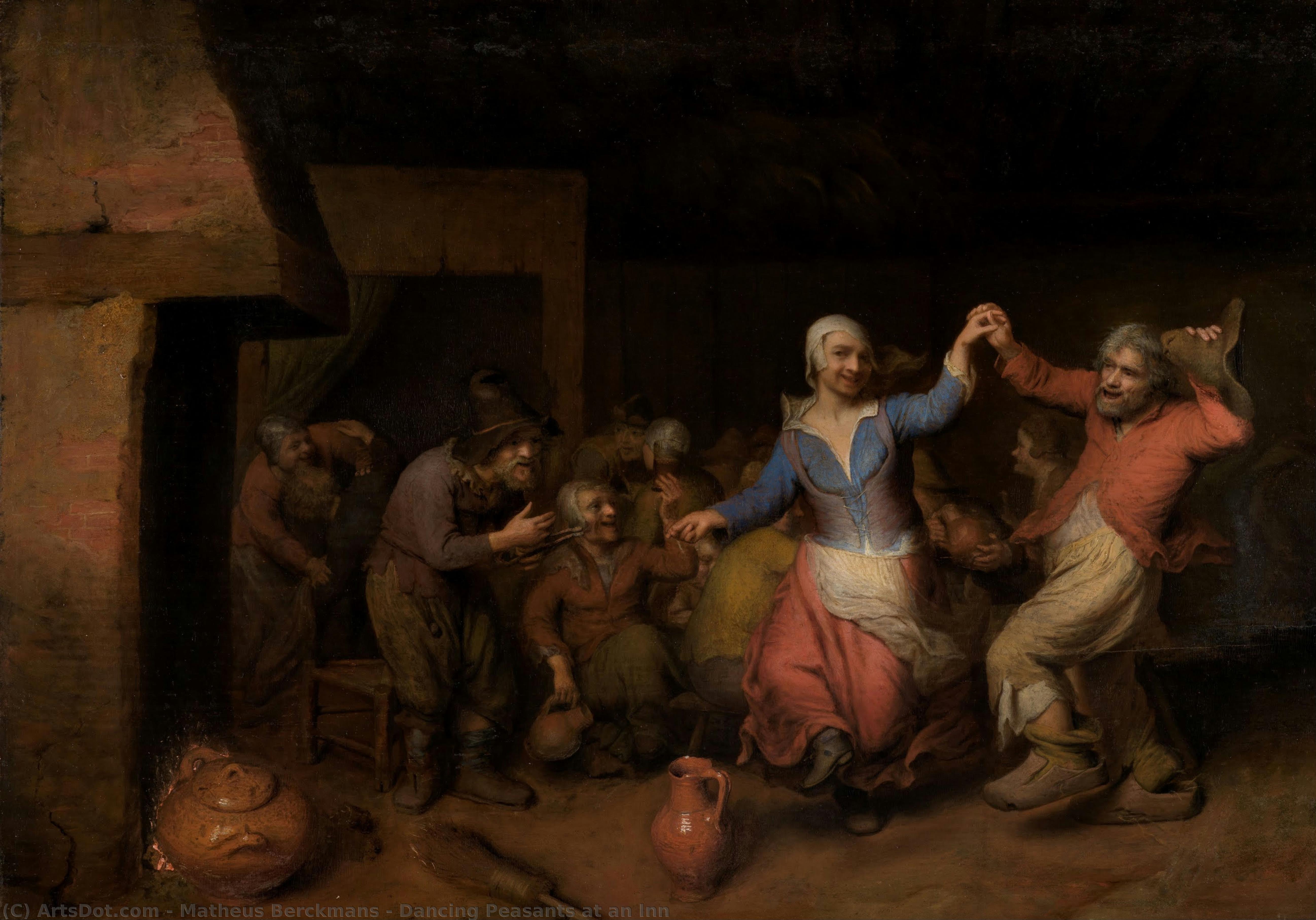
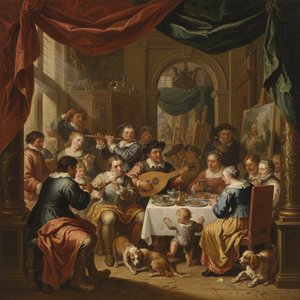
Dancing Peasants at an Inn


 Read More
Hand Made Oil Reproduction
Hand-painted oil on canvas in your size and frame, made to order by our artists. ( Buy Print Buy Image)




P118B $10

P118H $10

P118W $10

P438Z $10

P508JH $12

P508YH $12

P805H $10

P805Z $10

P919BZ $10

P919G $10

P919XJ $10

P959ZH $10

P968JZ $12

W106C $8

W218G $10

W218JH $8

W218Y $10

W307PJ $10

W316G $10

W316PJ $8

W316Y $10

W398PJ $8

W4111J $10

W500HY $15

W500JH $15

W692G $12

W849H $8

W940BG $15

W953PJ $8




Pick from our preset sizes that match the artwork's original proportions.

You may enter your own dimensions to fit a specific frame or space. If your selected size does not match the original image's proportions, we will either crop the artwork or extend the painting with additional hand-painted elements. A digital mockup will be sent for your approval before production begins.
Please note that the on-screen preview does not reflect the actual cropping or extension. Only the mockup will accurately show the final composition.
While custom sizes are available, we recommend selecting a dimension from the predefined list to preserve the original proportions.
After order, ArtsDot.com team will email client for instructions and provide a mockup preview
Worldwide Delivery () in 3/4 weeks instead of standard 5 weeks. (17 August). No compromise on quality.

Free Worldwide Express Shipping

High-Quality Linen Canvas

Full Shipping Insurance

Customs Tax Refund Guarantee

True Color Matching Guarantee

60-Day Return Policy (Defects Only)

100% Money-Back Guarantee

Bulk Discount Offer
 Glass option is only available in size under 110 CM

Dancing Peasants at an Inn
Reproduction Medium
Reproduction Size
-


Total Price
$ 413
Artwork Description
A Night of Revelry: Exploring Berckmans’ *Dancing Peasants at an Inn*
Matheus Berckmans' 1667 painting, *Dancing Peasants at an Inn*, offers a vibrant and captivating glimpse into the everyday lives – and spirited celebrations – of 17th-century Flemish peasantry. This genre scene isn’t merely a depiction of merriment; it’s a carefully constructed narrative brimming with energy, social commentary, and artistic skill. Berckmans, often dubbed “the Flemish Teniers” due to his stylistic similarities to David Teniers the Younger, masterfully captures the boisterous atmosphere of an inn, likely during a festival or after a long day's work. The painting’s enduring appeal lies in its ability to transport viewers directly into this lively scene, inviting them to participate – if only imaginatively – in the festivities.Baroque Dynamism and Artistic Technique
The artwork is firmly rooted in the Baroque tradition, evident in its dramatic use of chiaroscuro – the strong contrast between light and shadow emanating from the central fireplace. This technique not only highlights key figures within the crowded composition but also creates a sense of depth and theatricality. Berckmans employs a warm color palette dominated by earthy browns, ochres, and reds, punctuated by flashes of white and pink in clothing and faces. His brushwork is notably impasto, meaning he applied paint thickly to the canvas, creating a tactile texture that enhances the realism and energy of the scene. Diagonal lines formed by the figures’ movements and the hearth itself contribute to the overall dynamism, drawing the viewer's eye into the heart of the action. While perspective is somewhat flattened – characteristic of Baroque painting – Berckmans skillfully uses overlapping forms and diminishing size to suggest spatial recession.Symbolism & Social Context
Beyond its surface-level depiction of a lively gathering, *Dancing Peasants at an Inn* subtly incorporates symbolic elements. The fireplace itself represents warmth, domesticity, and the communal heart of the inn. Dancing, a central motif, signifies celebration, community bonding, and perhaps even a release from the hardships of rural life. However, there’s also an undercurrent of ambiguity; the flushed faces and somewhat frenzied movements hint at possible excess – fueled by drink or religious fervor – adding layers of complexity to the scene. Berckmans' work reflects the growing interest in genre painting during the Baroque period, where artists began to depict scenes from everyday life with increasing realism and emotional depth. As a member of the Guild of Saint Luke in Antwerp, he was part of a thriving artistic community that valued both technical skill and narrative storytelling.Emotional Resonance & Lasting Appeal
*Dancing Peasants at an Inn* evokes a complex range of emotions. The initial impression is one of boisterous revelry, but closer inspection reveals a hint of underlying chaos or even desperation. This ambiguity adds to the painting’s enduring power, prompting viewers to contemplate the lives and experiences of those depicted. Whether interpreted as a joyous celebration or a more melancholic reflection on the human condition, Berckmans' masterpiece continues to resonate with audiences today. Its vibrant energy, masterful technique, and insightful portrayal of 17th-century Flemish life make it a compelling addition to any art collection or interior space – offering a window into a bygone era and a celebration of the enduring spirit of humanity.Related Artworks
Artist Biography
Luca Giordano: The Lightning Painter of Naples
Luca Giordano, a name synonymous with vibrant color and astonishing speed, was born in Naples on October 18th, 1634 – an artist whose life mirrored the dazzling spectacle of his art. He wasn’t merely a painter; he was a phenomenon, earning the nickname “fa presto” (he does it quickly) for his remarkable ability to complete commissions with breathtaking rapidity. This extraordinary talent, coupled with a deep understanding of Baroque principles and a willingness to absorb influences from across Europe, cemented his place as one of the most celebrated artists of his time. His legacy extends beyond simply filling walls with beautiful images; he fundamentally shifted the aesthetic landscape of Naples and influenced generations of painters who followed.Early Years and Artistic Foundations
Giordano’s artistic journey began under the tutelage of Giuseppe de Ribera, a master of the Baroque style who had established himself in Naples following his time in Spain. Ribera's influence was profound, particularly evident in Giordano’s early works – half-length portraits of philosophers and allegorical figures rendered with dramatic lighting and intense emotion. These pieces, reminiscent of Ribera’s own distinctive style, showcased a nascent talent for capturing psychological depth and conveying complex narratives through visual form. However, Giordano quickly transcended his teacher's shadow, developing a unique approach characterized by an exuberant use of color and a dynamic sense of movement. He wasn’t simply copying; he was synthesizing, absorbing the lessons of Ribera while forging his own distinct artistic voice. The *St. Luke Painting the Virgin* (1660), now housed in the Museo de Arte de Ponce, Puerto Rico, stands as a prime example of this early period – a vibrant and engaging depiction that reveals Giordano’s burgeoning skill and his willingness to experiment with composition and technique.A European Traveler and Expanding Horizons
Giordano's career took him far beyond the walls of Naples, embarking on an extensive journey across Europe. He spent several years in Florence during the 1680s, undertaking a monumental fresco commission for the Palazzo Medici-Riccardi – a sprawling allegorical scene that demonstrated his mastery of scale and narrative complexity. This project showcased his ability to manage vast compositions while maintaining a sense of dynamism and visual interest. Following his time in Florence, he was summoned to Spain at the invitation of King Charles II, where he spent a decade creating works for both the royal court and private patrons. His Spanish period saw him refine his style, incorporating elements of Spanish Baroque tradition while retaining his characteristic flair for color and movement. Giordano’s travels weren't merely geographical; they were intellectual, exposing him to diverse artistic traditions and broadening his understanding of visual language.Technique and Style: The Language of Light and Color
What truly distinguished Luca Giordano was his unparalleled command of color and his remarkable speed. He employed a technique known as “colorito,” layering thin glazes of paint to achieve luminous effects and intense hues. This approach, combined with his ability to rapidly sketch out compositions and then execute them with astonishing precision, allowed him to complete works in remarkably short periods. His paintings are characterized by a dramatic use of light – often employing chiaroscuro (the contrast between light and dark) to create a sense of theatricality and heighten emotional impact. Giordano’s work is not simply decorative; it's imbued with narrative energy and psychological depth. His depictions of religious scenes, mythological subjects, and portraits are filled with movement, emotion, and a palpable sense of drama. The *Fall of the Rebel Angels* (c. 1688), currently in the National Gallery London, exemplifies this style – a swirling vortex of figures bathed in radiant light, conveying both chaos and divine judgment.Legacy and Influence
Luca Giordano’s influence extended far beyond his own lifetime. His vibrant color palettes and dynamic compositions foreshadowed the rise of the Rococo style, paving the way for a new era of artistic expression. While he died in Naples on January 3rd, 1705, his work continued to inspire artists long after his death. He left behind a vast body of work – altarpieces, frescoes, portraits, and mythological scenes – that are celebrated for their beauty, dynamism, and technical brilliance. Giordano’s legacy is not simply one of artistic skill; it's a testament to the power of observation, innovation, and an unwavering commitment to capturing the essence of human experience through the language of color and light. His paintings remain a vibrant reminder of the extraordinary talent that flourished in Naples during the Baroque era.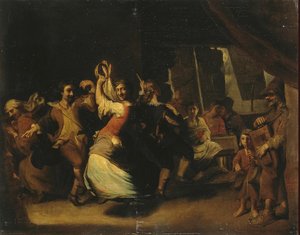
matheus berckmans
1634 - 1692 , Belgium
Quick Facts
- Artistic Movement Or Style: Baroque
- Artists Or Movements Influenced By This Artist: ['Pietro da Cortona']
- Artists Who Influenced This Artist: ['Jusepe de Ribera']
- Date Of Birth: 1634-10-18
- Date Of Death: 1705-01-03
- Full Name: Luca Giordano
- Nationality: Italian
- Notable Artworks:
- The Entombment
- Lucretia and Tarquin
- Saint Michael
- Fall of Rebel Angels
- Marriage of Virgin
- Place Of Birth: Naples, Kingdom of Naples
Related Articles
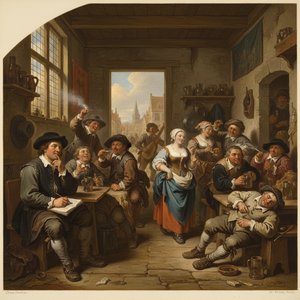
David Teniers the Younger: Genre Painting & Social Commentary in Baroque Flanders
Explore the captivating world of David Teniers the Younger, a leading Flemish Baroque painter. Discover his genre scenes, social commentary, and lasting influence on 17th-century art. Learn about his life, techniques & legacy.
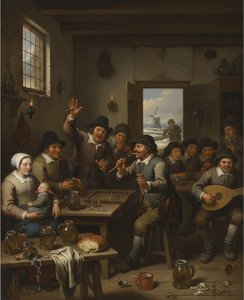
Adriaen Brouwer: Capturing Dutch Life & Social Commentary Through Genre Painting
Explore the captivating world of Adriaen Brouwer, a master of Dutch Golden Age genre painting. Discover his vivid depictions of peasant life, social commentary, and lasting influence on art history. Learn more at ArtsDot.
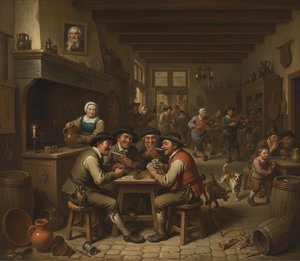
David Teniers II: Master of Flemish Genre & Social Commentary
Explore the captivating world of David Teniers II, a leading Flemish Baroque painter renowned for his lively genre scenes & insightful social commentary. Discover his masterpieces and legacy with ArtsDot.
Jacob Jordaens: Baroque Dynamism & Genre Innovation of the Antwerp School
Discover Jacob Jordaens, a leading Flemish Baroque painter renowned for his dynamic compositions & realistic genre scenes. Explore his life, art, and lasting influence with ArtsDot.

The Visceral Stage: Exploring Dramatic Narratives & Emotional Intensity in Baroque Art
Explore the dramatic world of Baroque art! Discover iconic masters like Caravaggio & Rembrandt, their techniques, and the movement's lasting impact. Expert insights for collectors & enthusiasts at ArtsDot.