 Preview
 Send
Send Share
Share
 Details

 Download
 Similars
 X-Ray
X-Ray Diaporama
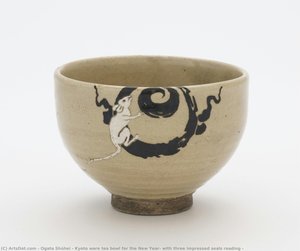
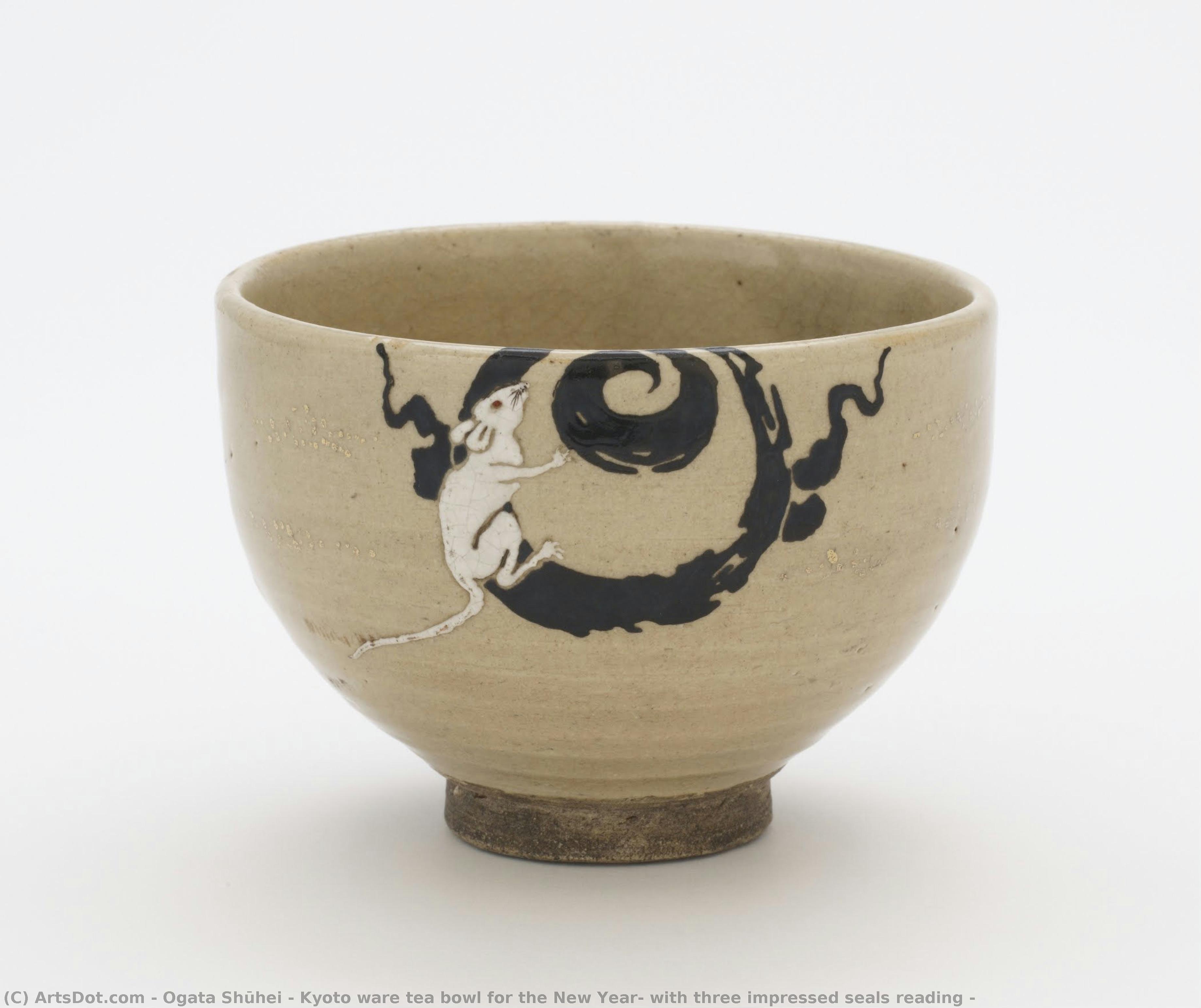
Kyoto ware tea bowl for the New Year, with three impressed seals reading
 Acrylic On Canvas
- WallArt
- Japanese Polychrome Ceramics
 1800
1800 The Smithsonian’s National Museum of Asian Art
 Read More
Hand Made Oil Reproduction
Hand-painted oil on canvas in your size and frame, made to order by our artists. ( Buy Print Buy Image)




P118B $10

P118H $10

P118W $10

P438Z $10

P508JH $12

P508YH $12

P805H $10

P805Z $10

P919BZ $10

P919G $10

P919XJ $10

P959ZH $10

P968JZ $12

W106C $8

W218G $10

W218JH $8

W218Y $10

W307PJ $10

W316G $10

W316PJ $8

W316Y $10

W398PJ $8

W4111J $10

W500HY $15

W500JH $15

W692G $12

W849H $8

W940BG $15

W953PJ $8




Pick from our preset sizes that match the artwork's original proportions.

You may enter your own dimensions to fit a specific frame or space. If your selected size does not match the original image's proportions, we will either crop the artwork or extend the painting with additional hand-painted elements. A digital mockup will be sent for your approval before production begins.
Please note that the on-screen preview does not reflect the actual cropping or extension. Only the mockup will accurately show the final composition.
While custom sizes are available, we recommend selecting a dimension from the predefined list to preserve the original proportions.
After order, ArtsDot.com team will email client for instructions and provide a mockup preview
Worldwide Delivery () in 3/4 weeks instead of standard 5 weeks. (28 August). No compromise on quality.

Free Worldwide Express Shipping

High-Quality Linen Canvas

Full Shipping Insurance

Customs Tax Refund Guarantee

True Color Matching Guarantee

60-Day Return Policy (Defects Only)

100% Money-Back Guarantee

Bulk Discount Offer
 Glass option is only available in size under 110 CM

Kyoto ware tea bowl for the New Year, with three impressed seals reading
Reproduction Medium
Reproduction Size
-


Total Price
$ 263
A Whisper of Elegance: Decoding the Kyoto Ware Tea Bowl by Ogata Shūhei
Ogata Shūhei (1788-1839) stands as a monumental figure in the annals of Japanese ceramics, specifically celebrated for his transformative approach to *Kyoto ware*. His oeuvre transcends mere craftsmanship; it embodies a profound understanding of artistic expression and cultural significance. Produced around 1800, this tea bowl exemplifies Shūhei’s mastery—a harmonious fusion of tradition and innovation that continues to captivate collectors and inspire designers alike. The piece isn't simply beautiful to look upon; it speaks volumes about the aesthetic sensibilities of Edo-period Japan.The Artistry of Polychrome Decoration: Technique and Innovation
Shūhei’s genius resided in his pioneering use of polychrome overglaze decoration—a technique that elevated ceramic artistry far beyond its predecessors. Unlike earlier styles focused on monochrome hues, Shūhei skillfully applied vibrant pigments onto the fired clay surface, creating intricate patterns and motifs that shimmered with color. This method demanded meticulous planning and execution, requiring artisans to prepare a glaze base carefully calibrated to withstand subsequent layers of pigment application. The resulting surfaces possessed an unparalleled luminosity and depth—a testament to Shūhei’s dedication to pushing the boundaries of ceramic technique. Detailed observation reveals subtle gradations of tone and texture, demonstrating a mastery of glazing that remains remarkable even today.Symbolism Embedded in Form and Motif: A Reflection of New Year Traditions
The central image – a stylized mouse—holds significant symbolic resonance within Japanese culture, particularly during the New Year celebrations. Traditionally, mice represent prosperity and good fortune, symbolizing fertility and abundance as they navigate through cracks to emerge into the sunlight. The swirling patterns surrounding the mouse echo the dynamism of springtime blossoms and convey wishes for growth and renewal. These motifs are skillfully rendered in delicate brushstrokes against a muted earthy backdrop—a deliberate contrast that underscores the bowl’s understated elegance. The placement of the seals, meticulously impressed onto the glaze, further reinforces this connection to auspicious symbolism, signifying longevity and honor – values deeply cherished during the festive season.Historical Context: Shūhei's Place Within Edo Period Artistic Landscape
Ogata Shūhei flourished during the Edo period (1689-1868), a time characterized by relative peace and economic prosperity under Tokugawa rule. This stability fostered an environment conducive to artistic experimentation and refinement, allowing artists like Shūhei to develop distinctive styles that reflected the prevailing cultural values. Kyoto ware, as a whole, represented the pinnacle of decorative ceramics—a favored medium for aristocratic patronage and a symbol of refined taste. Shūhei’s work stands apart from his contemporaries due to its exceptional chromatic richness and sculptural form, establishing him as one of the foremost ceramicists of his era and securing his enduring legacy within Japanese art history.Emotional Resonance: Capturing Tranquility and Beauty
More than just an object of aesthetic pleasure, this Kyoto ware tea bowl embodies a profound sense of tranquility and beauty—qualities that resonate deeply with viewers even today. The subtle interplay of color and form invites contemplation, prompting us to appreciate the artistry of meticulous craftsmanship and the enduring power of symbolic imagery. Its understated elegance speaks to a desire for harmony and refinement – values that continue to inspire interior designers seeking pieces that elevate spaces with grace and sophistication. Owning a reproduction allows one to experience this timeless beauty firsthand.Related Artworks
Artist Biography
Ogata Shūhei: Master of Kyoto’s Polychrome Ceramics
Ogata Shūhei (1788-1839), born in Kyoto, Japan, stands as a pivotal figure in the history of Japanese ceramics, particularly renowned for his mastery of *Kyoto ware*. His career spanned nearly five decades, during which he elevated the art of polychrome overglaze decoration and refined shapes to unprecedented heights. Shūhei’s work represents a harmonious blend of traditional techniques and innovative artistic vision, securing his legacy as one of the most celebrated ceramicists of the Edo period. He was not merely a potter; he was an orchestrator of color and form, imbuing each piece with a sense of elegance, refinement, and subtle narrative.Early Life and Training: A Foundation in Tradition
Shūhei’s artistic journey began within a family steeped in the traditions of Japanese ceramics. While specific details regarding his early training remain somewhat elusive, it is understood that he was nurtured under the guidance of skilled artisans, absorbing the fundamental techniques of clay preparation, firing processes, and glazing methods. His lineage connected him to the esteemed Ogata Kenzan, a master potter whose influence undoubtedly shaped Shūhei’s artistic sensibilities. This connection provided access to established workshops and instilled within him a deep respect for the historical precedents of Kyoto ware – a style characterized by its understated beauty and meticulous craftsmanship. Early influences likely included the aesthetic principles of *wabi-sabi*, emphasizing imperfection, simplicity, and the appreciation of natural materials.The Art of Polychrome Overglaze: A Signature Style
Shūhei’s most distinctive contribution to Japanese ceramics lies in his innovative use of polychrome overglazes. Unlike earlier techniques that relied on underglaze colors, Shūhei skillfully applied layers of brilliantly colored enamels *after* the ceramic had been fired and glazed. This method allowed for an astonishing depth and vibrancy of color, creating intricate patterns and scenes that shimmered with life. His palette was remarkably diverse, encompassing shades of red, green, blue, yellow, and gold – often combined in unexpected and captivating ways. The meticulous application of these overglazes demanded exceptional skill and patience, a testament to Shūhei’s dedication and artistic control. The technique itself involved carefully controlling the firing temperature to ensure proper adhesion and prevent cracking or blistering of the enamel layers.Notable Works and Artistic Themes
Shūhei's oeuvre is characterized by a remarkable range of subjects, reflecting both traditional motifs and subtle personal expressions. He produced an extensive collection of *Kyoto ware* tea bowls, vases, and other decorative objects, each imbued with a unique character. A particularly celebrated piece is the “Kyoto Ware Tea Bowl for the New Year, with Three Impressed Seals Reading ‘Shuhei’,” currently held in the collection of the National Museum of Asian Art (NMAA). This bowl exemplifies his mastery of form and color, featuring a bold rat embracing a flaming jewel – a symbol of prosperity and good fortune associated with the Lunar New Year. Other notable works include intricately decorated vases depicting scenes from nature, such as birds, flowers, and landscapes, often rendered in delicate, stylized forms. His work also frequently incorporated auspicious symbols and motifs, reflecting his understanding of Japanese cultural values and beliefs. The Metropolitan Museum of Art holds a Sencha Teapot (Kyūsu) with Chinese Children Engaged in Literati Activities by Shūhei, showcasing his ability to integrate foreign artistic influences into his distinctive style.Legacy and Historical Significance
Ogata Shūhei’s influence on the development of Japanese ceramics is profound. He elevated *Kyoto ware* to new heights of artistry, establishing a standard for polychrome decoration that would be emulated by subsequent generations of potters. His refined shapes, vibrant colors, and intricate designs continue to captivate collectors and art enthusiasts worldwide. His work is exhibited in prestigious museums such as the Metropolitan Museum of Art in New York, solidifying his place among the most important figures in Japanese ceramic history. Shūhei’s legacy extends beyond individual works; he represents a pivotal moment in the evolution of Japanese aesthetics, demonstrating the power of tradition combined with artistic innovation. His dedication to meticulous craftsmanship and his profound understanding of color and form ensure that his art will continue to inspire and delight for centuries to come.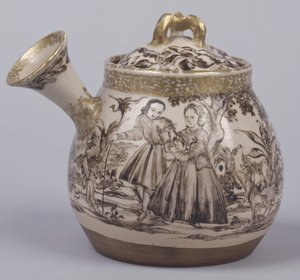
ogata shūhei
1788 - 1839 , Japan
Quick Facts
- Artistic Movement Or Style: Kyoto ware
- Date Of Birth: 1788
- Date Of Death: 1839
- Full Name: Ogata Shūhei
- Nationality: Japanese
- Notable Artworks:
- Kyoto ware tea bowl
- Tea bowls and vases
- Place Of Birth: Kyoto, Japan
Related Articles
The Alchemy of Clay: A Collector's Guide to the Mastery, Texture, and Timeless Form of Ceramic Art
Discover the profound beauty of ceramic art. Our expert guide explores the alchemy of clay, texture, and glaze, offering collectors deep insights into mastering earth and fire to create timeless, sculptural masterpieces for any curated collection.
Serenity on Canvas: A Guide to the Timeless Beauty of Japanese Landscape Painting
Discover the serene beauty of Japanese landscape painting. From Hokusai's iconic woodblock prints to meditative sumi-e ink washes, explore a visual journey through the 'floating world' and learn how to bring this timeless Zen aesthetic into your modern home decor.

Hokusai's Masterpieces: 25 Iconic Prints & Paintings for Art Lovers | ArtsDot
Journey through Katsushika Hokusai’s 25 most iconic artworks, including *The Great Wave*. Explore the ukiyo-e master's history, style & timeless Japanese woodblock prints. Find museum-quality reproductions for your home at ArtsDot.com.
Floating World: The Captivating Art and Legacy of Japanese Ukiyo-e
Explore the profound beauty of Japanese Ukiyo-e. Discover the history, masters like Hokusai, and the enduring legacy of the 'Floating World' through an expert art-historical lens.
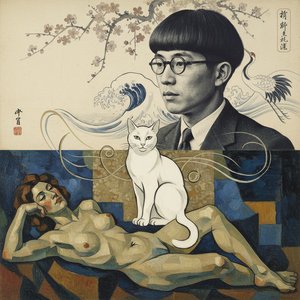
Léonard Foujita: A Poetic Synthesis of Japanese Sensibility & European Modernism
Discover the captivating world of Léonard Foujita, a master bridging Japanese aesthetics & European Modernism. Explore his signature style, diverse works, and enduring legacy – essential reading for discerning art collectors.