 Preview
 Send
Send Share
Share
 Details

 Download
 Similars
 X-Ray
X-Ray Diaporama
 Stats
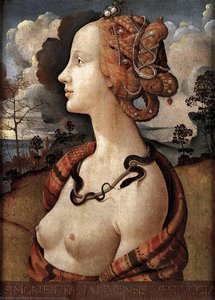
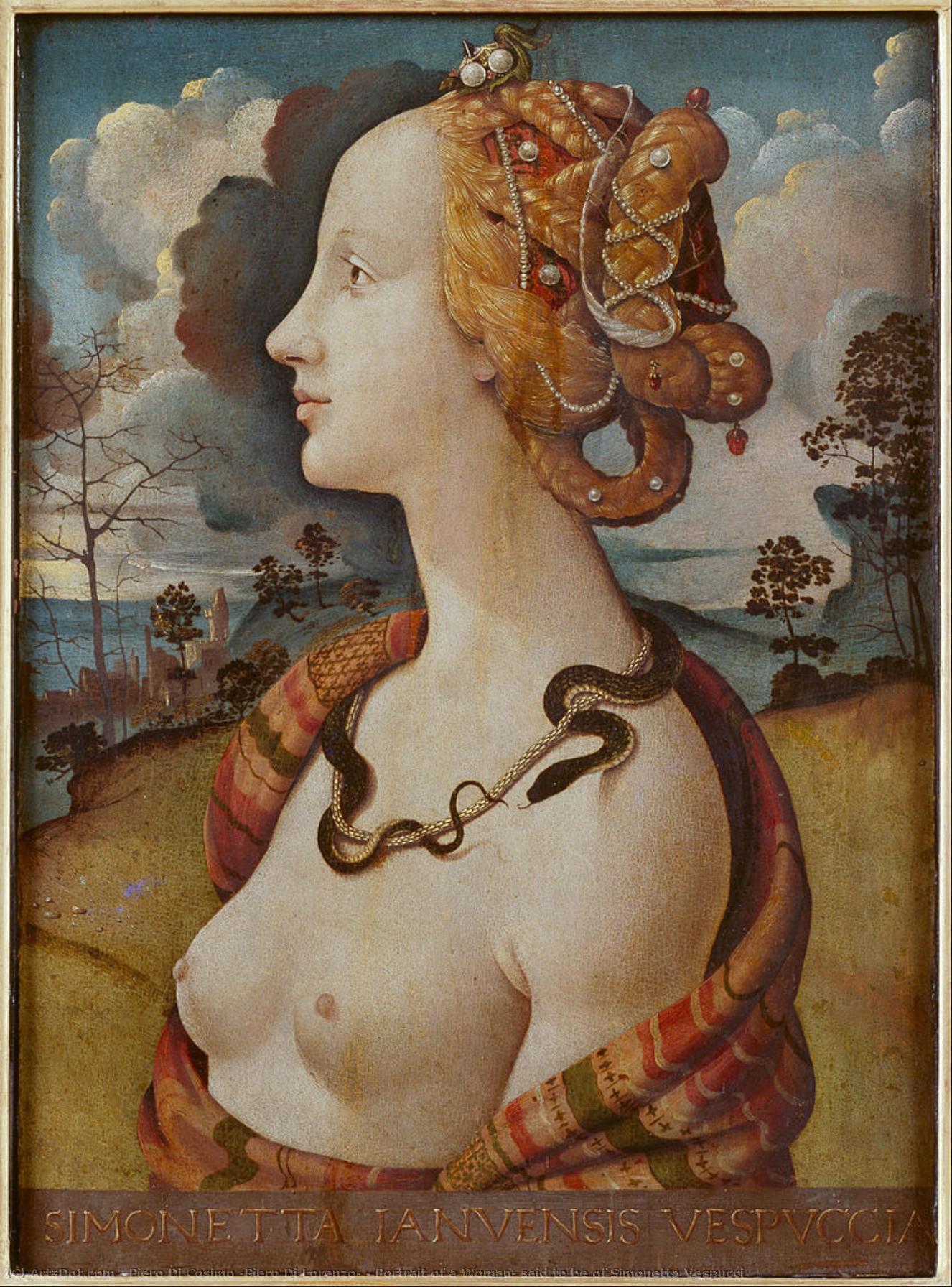
StatsPortrait of a Woman, said to be of Simonetta Vespucci
 Oil On Canvas
- WallArt
- High Renaissance
 1490
1490 42.0 x 57.0 cm
 Musée Condé
 Read More
Giclée / Art Print
Museum-quality giclée or canvas print with fast production and flexible finish options. ( Buy Hand Made Painting Switch to Digital Image)




P118B $10

P118H $10

P118W $10

P438Z $10

P508JH $12

P508YH $12

P805H $10

P805Z $10

P919BZ $10

P919G $10

P919XJ $10

P959ZH $10

P968JZ $12

W106C $8

W218G $10

W218JH $8

W218Y $10

W307PJ $10

W316G $10

W316PJ $8

W316Y $10

W398PJ $8

W4111J $10

W500HY $15

W500JH $15

W692G $12

W849H $8

W940BG $15

W953PJ $8




Pick from our preset sizes that match the artwork's original proportions.

You may enter your own dimensions to fit a specific frame or space. If your selected size does not match the original image's proportions, we will either crop the artwork or extend the image with a mirrored or solid-fill edge. A digital mockup will be sent for your approval before production begins.
Please note that the on-screen preview does not reflect the actual cropping or extension. Only the mockup will accurately show the final composition.
While custom sizes are available, we recommend selecting a dimension from the predefined list to preserve the original proportions.
Worldwide Delivery () in 2 weeks instead of standard 4/5 weeks. (10 September)

Free Worldwide Express Shipping

High-Quality Linen Canvas

Full Shipping Insurance

Customs Tax Refund Guarantee

True Color Matching Guarantee

100-Day Return Policy (Defects Only)

100% Money-Back Guarantee

Bulk Discount Offer
 Glass option is only available in size under 110 CM

Portrait of a Woman, said to be of Simonetta Vespucci
Giclée / Art Print
Reproduction Size
-


Total Price
$ 63
A Vision of Renaissance Grace: Piero di Cosimo’s Portrait of Simonetta Vespucci
Piero di Cosimo (1462-1522) stands as an emblem of Florentine artistic innovation during the High Renaissance—a painter who dared to transcend mere imitation of classical ideals, embracing a uniquely imaginative vision that blended meticulous observation with fantastical embellishments. Unlike many of his contemporaries preoccupied with slavishly adhering to established conventions, Cosimo possessed a spirit that infused his artwork with elements of myth and legend alongside an unparalleled understanding of human anatomy and perspective—a distinctive duality that cemented his reputation as one of the era’s most daring and influential figures. His artistic journey unfolded against the backdrop of burgeoning humanist thought and artistic experimentation, mirroring the broader cultural transformations reshaping Europe during this period.- Subject Matter & Mythological Resonance: The painting depicts Simonetta Vespucci (née Cattaneo), a Genoese noblewoman celebrated as the epitome of beauty in Florence—a woman whose captivating allure captivated artists and intellectuals alike. Cosimo’s choice to portray Vespucci as Venus, goddess of love and fertility, speaks volumes about Renaissance artistic sensibilities. This deliberate invocation of classical mythology wasn't merely decorative; it served as a powerful vehicle for conveying ideals of feminine grace, virtue, and idealized beauty—values deeply ingrained in humanist philosophy.
- Style & Technique: Cosimo’s approach exemplifies the hallmarks of High Renaissance portraiture: an unwavering commitment to anatomical accuracy combined with a masterful manipulation of light and shadow. Employing oil paint on canvas—a technique perfected during this period—he achieved remarkable tonal gradations and subtle textural nuances, demonstrating meticulous layering of glazes to imbue the artwork with luminous color and depth. The artist’s painstaking attention to detail is evident in every brushstroke, reflecting a profound respect for observation and craftsmanship.
- Composition & Perspective: The horizontal orientation of the canvas emphasizes Vespucci's regal posture and conveys a sense of serenity and stability. Cosimo skillfully utilizes linear perspective—a revolutionary innovation championed by artists like Leonardo da Vinci—to create an illusion of three-dimensionality, subtly receding into the misty background landscape. This technique draws the viewer’s eye inward, fostering contemplation and enhancing the artwork’s emotional impact.
- Symbolism & Decorative Elements: The snake coiled around Vespucci's neck symbolizes temptation and wisdom—a motif frequently employed in Renaissance art to represent duality and moral complexity. Furthermore, the opulent jewelry adorning her neckline signifies wealth and divine favor, reinforcing the painting’s overarching theme of aristocratic splendor. Cosimo’s incorporation of architectural elements within the landscape contributes to the artwork’s grandeur and reinforces its connection to classical antiquity.
- Emotional Impact & Legacy: Piero di Cosimo's ‘Portrait of Simonetta Vespucci’ transcends mere representation; it aspires to capture the essence of beauty itself—a testament to the humanist ideal that celebrated human dignity and intellectual achievement. The painting continues to inspire admiration for its technical brilliance and artistic vision, securing its place as a cornerstone of Florentine Renaissance art and a timeless exemplar of idealized femininity.
Dimensions & Materials
The artwork measures 42 x 57 cm (approximately 16.5 x 22.8 inches) and is executed in oil paint on canvas—a traditional medium favored by Florentine artists during the Renaissance. The canvas itself was stretched taut over a wooden frame, ensuring stability and preserving the integrity of the painting’s surface.Historical Context
Painted circa 1490, ‘Portrait of Simonetta Vespucci’ emerged during a period of unprecedented artistic flourishing in Florence—a city at the epicenter of humanist scholarship and artistic innovation. Cosimo's work reflects the broader cultural currents shaping Europe at the time, mirroring Leonardo da Vinci’s groundbreaking anatomical studies and Michelangelo’s monumental sculptures—all united by a shared commitment to reviving classical ideals and elevating human experience.Related Artworks
Artist Biography
Piero di Cosimo (1462-1522): Bridging Fantasy and Realism in Florentine Renaissance Painting
Piero di Cosimo, born Piero di Lorenzo Battista around 1462 in Florence, Italy, stands as a singular figure within the vibrant tapestry of the Florentine Renaissance. Unlike many of his contemporaries who adhered rigidly to classical ideals, Cosimo possessed an imaginative spirit that infused his artwork with fantastical elements alongside meticulous observation of nature—a distinctive blend that cemented his reputation as one of the era’s most innovative painters. His artistic journey unfolded against a backdrop of burgeoning humanist thought and artistic experimentation, mirroring the broader cultural transformations reshaping Europe during this period.- Early Life & Training: Precise biographical details surrounding Cosimo's formative years remain elusive, primarily relying on fragmentary references in Vasari’s Lives of Artists. He apprenticed under Andrea del Verrocchio, a renowned sculptor and painter whose workshop served as a crucible for artistic talent. This association exposed Cosimo to the techniques of fresco painting and sculpture, shaping his foundational skillset.
- Influences & Artistic Style: Cosimo’s style was profoundly impacted by Botticelli and Giovanni Battista Van Eyck—artists who championed both beauty and psychological depth. Botticelli's graceful lines and ethereal figures instilled in Cosimo a penchant for elegance and idealized representation, while Van Eyck’s mastery of oil paint encouraged him to explore nuanced tonal gradations and textural richness. These influences combined to produce an artistic idiom characterized by luminous colors, delicate brushwork, and a captivating fusion of mythological narratives with realistic landscapes.
Notable Works & Artistic Achievements
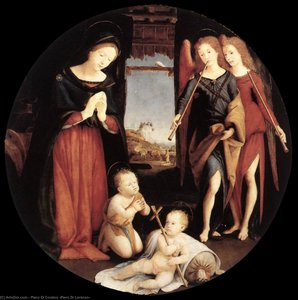
Cosimo’s oeuvre comprises a remarkable collection of paintings that showcase his exceptional talent and imaginative vision. Among his most celebrated creations are “Vulcan and Aeolus,” a monumental circular oil painting depicting the mythological confrontation between Zeus's son and Poseidon—a testament to Cosimo’s ability to convey dramatic emotion within a carefully constructed composition. Similarly, "Madonna and Sleeping Christ Child with the Infant St John the Baptist" exemplifies his meticulous attention to detail and profound understanding of religious iconography. Furthermore, “Adoration of the Child,” another circular masterpiece, embodies the serene beauty and spiritual contemplation characteristic of Early Renaissance art.Legacy & Historical Significance
Piero di Cosimo’s contribution to Florentine painting transcends mere stylistic innovation; he represents a pivotal moment in artistic history. By rejecting the constraints of strict academic convention and embracing imaginative storytelling alongside realistic depiction, Cosimo paved the way for subsequent generations of artists—including Raphael and Michelangelo—to explore new expressive possibilities. His work continues to inspire admiration for its harmonious blend of fantasy and realism, securing his place as an enduring symbol of Renaissance creativity and artistic genius. He is remembered not only for his individual masterpieces but also for shaping the broader trajectory of European art.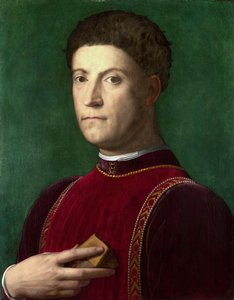
piero di cosimo (piero di lorenzo)
1462 - 1522 , Italy
Quick Facts
- Artistic Movement Or Style: Renaissance art
- Artists Who Influenced This Artist:
- Botticelli
- van der Goes
- Date Of Birth: 1462
- Full Name: Piero di Lorenzo
- Nationality: Italian
- Notable Artworks:
- Vulcan and Aeolus
- Madonna and Sleeping Christ Child with the Infant St John the Baptist
- Adoration of the Child
- Place Of Birth: Florence, Italy
Related Articles
Proto-Renaissance Masters: 10 Artworks That Changed History | ArtsDot
Journey back to the dawn of Renaissance art! Explore 10 iconic Proto-Renaissance masterpieces by Giotto, Cimabue & Duccio. Discover their stories, techniques & lasting impact. Find museum-quality reproductions for your home at ArtsDot.com
La Biennale's Masterpieces: 25 Artworks to Inspire Your Home | ArtsDot
Explore 25 iconic artworks from La Biennale di Venezia! Discover the stories behind masterpieces of Italian art, modernism & Renaissance paintings. Find museum-quality reproductions and elevate your home decor with ArtsDot.com. Explore the full collection online.
Giotto di Bondone: Revolutionizing Late Medieval Painting through Narrative Innovation
Explore the revolutionary art of Giotto di Bondone! Discover his groundbreaking techniques, iconic frescoes like those in the Arena Chapel, and lasting impact on Renaissance painting. A deep dive for art enthusiasts.
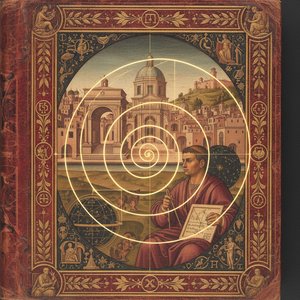
Piero della Francesca: Renaissance Perspective, Divine Proportion & the Pursuit of Ideal Form
Explore the revolutionary art of Piero della Francesca – master of perspective, divine proportion & Renaissance humanism. Discover his iconic paintings & lasting influence on art history.

Giotto's Masterpieces: 25 Renaissance Artworks for Your Home | ArtsDot
Explore 25 breathtaking artworks by Giotto di Bondone, a Renaissance master. Discover the stories behind iconic frescoes & paintings like the Scrovegni Chapel cycle. Find museum-quality Giotto reproductions and elevate your home decor with ArtsDot.com.