 Preview
 Send
Send Share
Share
 Details

 Download
 Similars
 X-Ray
X-Ray Diaporama
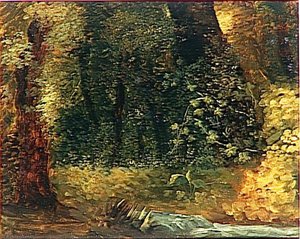
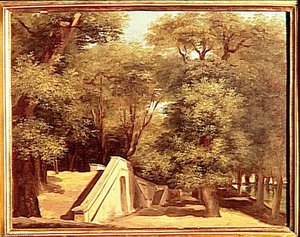
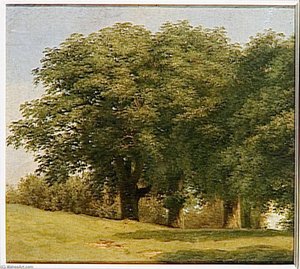
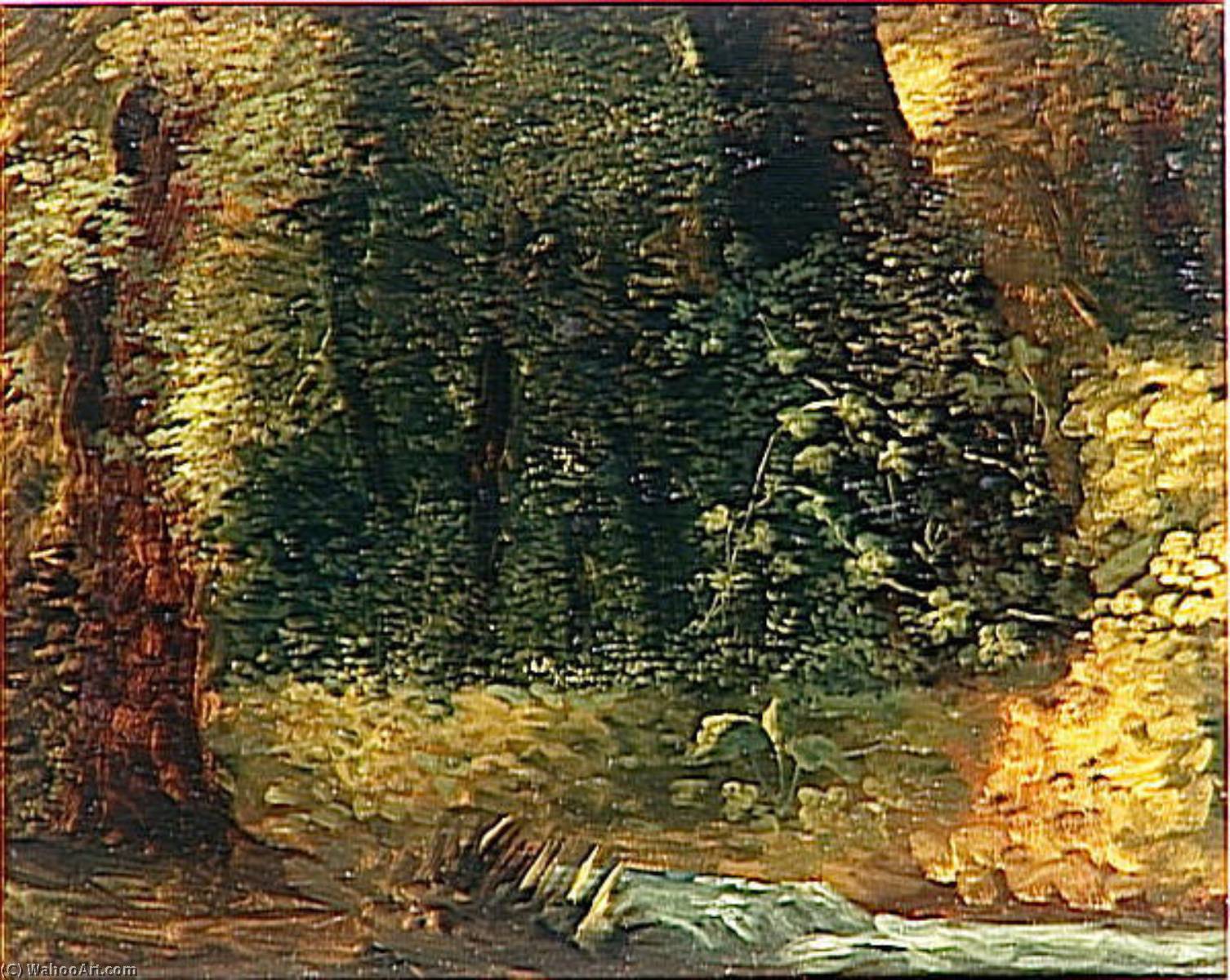
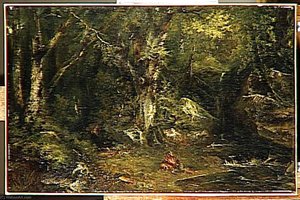
A LA VILLA BORGHESE RUISSEAU COULANT PARMI LES ARBRES


 Read More
Hand Made Oil Reproduction
Hand-painted oil on canvas in your size and frame, made to order by our artists. ( Buy Print Buy Image)




P118B $10

P118H $10

P118W $10

P438Z $10

P508JH $12

P508YH $12

P805H $10

P805Z $10

P919BZ $10

P919G $10

P919XJ $10

P959ZH $10

P968JZ $12

W106C $8

W218G $10

W218JH $8

W218Y $10

W307PJ $10

W316G $10

W316PJ $8

W316Y $10

W398PJ $8

W4111J $10

W500HY $15

W500JH $15

W692G $12

W849H $8

W940BG $15

W953PJ $8




Pick from our preset sizes that match the artwork's original proportions.

You may enter your own dimensions to fit a specific frame or space. If your selected size does not match the original image's proportions, we will either crop the artwork or extend the painting with additional hand-painted elements. A digital mockup will be sent for your approval before production begins.
Please note that the on-screen preview does not reflect the actual cropping or extension. Only the mockup will accurately show the final composition.
While custom sizes are available, we recommend selecting a dimension from the predefined list to preserve the original proportions.
After order, ArtsDot.com team will email client for instructions and provide a mockup preview
Worldwide Delivery () in 3/4 weeks instead of standard 5 weeks. (4 September). No compromise on quality.

Free Worldwide Express Shipping

High-Quality Linen Canvas

Full Shipping Insurance

Customs Tax Refund Guarantee

True Color Matching Guarantee

60-Day Return Policy (Defects Only)

100% Money-Back Guarantee

Bulk Discount Offer
 Glass option is only available in size under 110 CM

A LA VILLA BORGHESE RUISSEAU COULANT PARMI LES ARBRES
Reproduction Medium
Reproduction Size
-


Total Price
$ 263
A Woodland Reverie: Delving into Valenciennes’ “A La Villa Borghese”
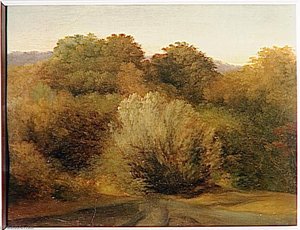
Pierre-Henri de Valenciennes' "A La Villa Borghese Ruisseau Coulant Parmi Les Arbres" is more than a landscape painting; it’s an invitation to step into a sun-dappled sanctuary, a meticulously crafted moment of tranquility captured in oil on canvas. Completed around 1800, this work exemplifies the burgeoning “plein air” movement – a revolutionary shift towards directly observing and recording nature's fleeting beauty – championed by Valenciennes himself. The painting transports us to a dense forest near Rome, likely inspired by his own meticulous studies of the Italian countryside, where he developed his influential theory on landscape painting.
The composition immediately draws the eye into a scene of profound depth and atmospheric perspective. Towering red-brown trees dominate the foreground, their rough bark rendered with an almost tactile quality through thick impasto application of paint. A small, meandering stream snakes its way through the undergrowth, reflecting the diffused sunlight and adding a vital element of movement to the otherwise static scene. The rocky outcrop in the lower center provides a grounding presence, anchoring the viewer’s gaze within this vast woodland.
The Language of Light and Shadow
Valenciennes' mastery lies not just in depicting the landscape itself, but in his skillful manipulation of light and shadow – a technique deeply rooted in the traditions of Dutch Masters. Notice how he uses chiaroscuro to sculpt the forms of the trees, creating dramatic highlights that accentuate their texture and volume. The dappled sunlight filtering through the canopy is rendered with remarkable precision, casting intricate patterns of light and shade across the forest floor. This careful attention to detail elevates the painting beyond a simple representation; it becomes a study in atmospheric effects.
The brushwork itself contributes significantly to the painting’s overall impact. It's visible, layered, and deliberately expressive – a testament to Valenciennes’ commitment to capturing the immediacy of nature. The organic lines that define the trees and rocks are not perfectly rendered but rather convey a sense of spontaneity and observation. This approach aligns with his theory of “landscape portrait,” where the artist paints directly from nature, embracing its inherent imperfections and fleeting changes.
Symbolism and Emotional Resonance
Forests have long held symbolic significance across cultures – representing mystery, the subconscious, and a connection to the natural world. In "A La Villa Borghese," this symbolism is subtly evoked through the painting’s vastness and sense of solitude. The viewer is invited to contemplate the scale of nature, to feel a sense of awe in its grandeur, and perhaps even a touch of introspection.
The overall mood is one of tranquility and serenity, yet there's also an underlying feeling of quiet contemplation. The dappled light, the gentle stream, and the dense foliage combine to create a scene that invites relaxation and escape. It’s a painting that speaks to our innate desire for connection with nature – a reminder of the beauty and solace that can be found in the wilderness.
A Legacy of Observation
“A La Villa Borghese Ruisseau Coulant Parmi Les Arbres” stands as a pivotal work in Valenciennes’ career, solidifying his reputation as a pioneer of “plein air” painting. His emphasis on direct observation and meticulous detail profoundly influenced subsequent generations of landscape artists. Reproductions of this captivating scene offer a window into a world of natural beauty, capturing the essence of a timeless forest experience – a testament to Valenciennes' artistic vision and enduring legacy.
Related Artworks

Artist Biography
early life and training
pierre-henri de valenciennes, a french painter, was born on december 6, 1750. his birthplace is not specified in available records, but his contributions to the art world are well-documented. de valenciennes' early training and education are not extensively recorded, but it is known that he worked in rome from 1778 to 1782, where he made a number of landscape studies directly from nature.contributions to en plein air painting
de valenciennes was influential in elevating the status of en plein air (open-air painting). his work in rome led to the development of his theory, which he outlined in his 1800 treatise reflections and advice to a student on painting, particularly on landscape. this concept introduced the idea of a 'landscape portrait,' where an artist paints a landscape directly while looking upon it, capturing its particular details. this approach allowed de valenciennes to capture the fleeting changes of a landscape due to light and weather.notable students and influence
among his notable students were jean-victor bertin, achille etna michallon, louis étienne watelet, louis-françois lejeune, and the first french panorama painter pierre prévost. de valenciennes' influence on these artists and his contributions to the development of en plein air painting have left a lasting impact on the art world.later life and death
de valenciennes passed away in paris on february 16, 1819. he is buried in the père lachaise cemetery, a famous cemetery in paris known for its notable residents.- view pierre-henri de valenciennes's artwork on ArtsDot.com
- explore the musée des beaux-arts valence, a museum featuring european paintings and sculptures, on ArtsDot.com
- discover more about french art and its history on wikipedia
legacy
pierre-henri de valenciennes's legacy in the art world is undeniable. his pioneering work in en plein air painting has inspired generations of artists, and his influence can still be seen today. through his treatise and his students, de valenciennes has left an indelible mark on the world of art.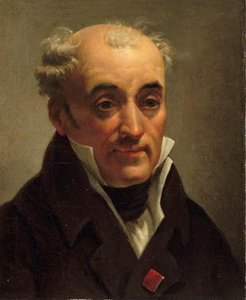
Pierre-Henri de Valenciennes
1750 - 1819 , France
Quick Facts
- Artistic Movement Or Style: En plein air painting
- Artists Or Movements Influenced By This Artist: ['Pierre Chauvin']
- Artists Who Influenced This Artist:
- Jean Victor Bertin
- Achille Etna Michallon
- Date Of Birth: December 6, 1750
- Date Of Death: February 16, 1819
- Full Name: Pierre Henri de Valenciennes
- Nationality: French
- Notable Artworks:
- Village de Nemi
- A LA Villa Borghese Chemin borde d'arbres
- Place Of Birth: Toulouse, France
Related Articles

Romantic Landscapes: 10 Masterpieces for Your Home | ArtsDot
Journey through 10 Romantic landscape masterpieces by Friedrich, Turner & Cole. Explore emotional art, sublime nature scenes & iconic 19th-century paintings. Find museum-quality reproductions for your home at ArtsDot.com – discover the full collection online!

Evocations of Place: A Historical Journey Through Landscape Art
Explore the rich history of landscape art with ArtsDot. Discover renowned artists, movements like Impressionism & Romanticism, and expert guidance for collecting timeless pieces. Find your perfect serene escape today!

John Constable's Masterpieces: Explore 25 Iconic Landscapes for Your Home
Journey through John Constable's 25 most celebrated landscapes. Explore Romanticism, Dedham Vale & his masterful use of light in iconic paintings like 'Hay Wain'. Find museum-quality art reproductions and elevate your home decor on ArtsDot.com.
Evocations of Place: A Historical Journey Through Landscape Art
Explore the rich history of landscape art with ArtsDot. Discover renowned artists, movements like Impressionism & tonalism, and expert guidance for collecting timeless pieces. Find your perfect serene escape today!
Henri-Joseph Harpignies: Capturing the Poetic Essence of the French Landscape
Explore the serene landscapes of Henri-Joseph Harpignies, a master of the Barbizon School. Discover his atmospheric paintings, recurring themes & enduring legacy in 19th-century French art. Learn more at ArtsDot.