 Preview
 Send
Send Share
Share
 Details

 Download
 Similars
 X-Ray
X-Ray Diaporama
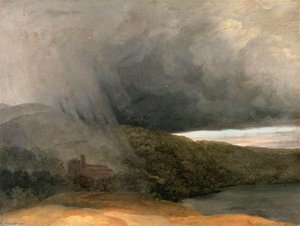
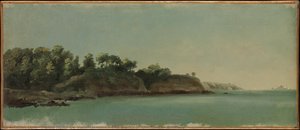
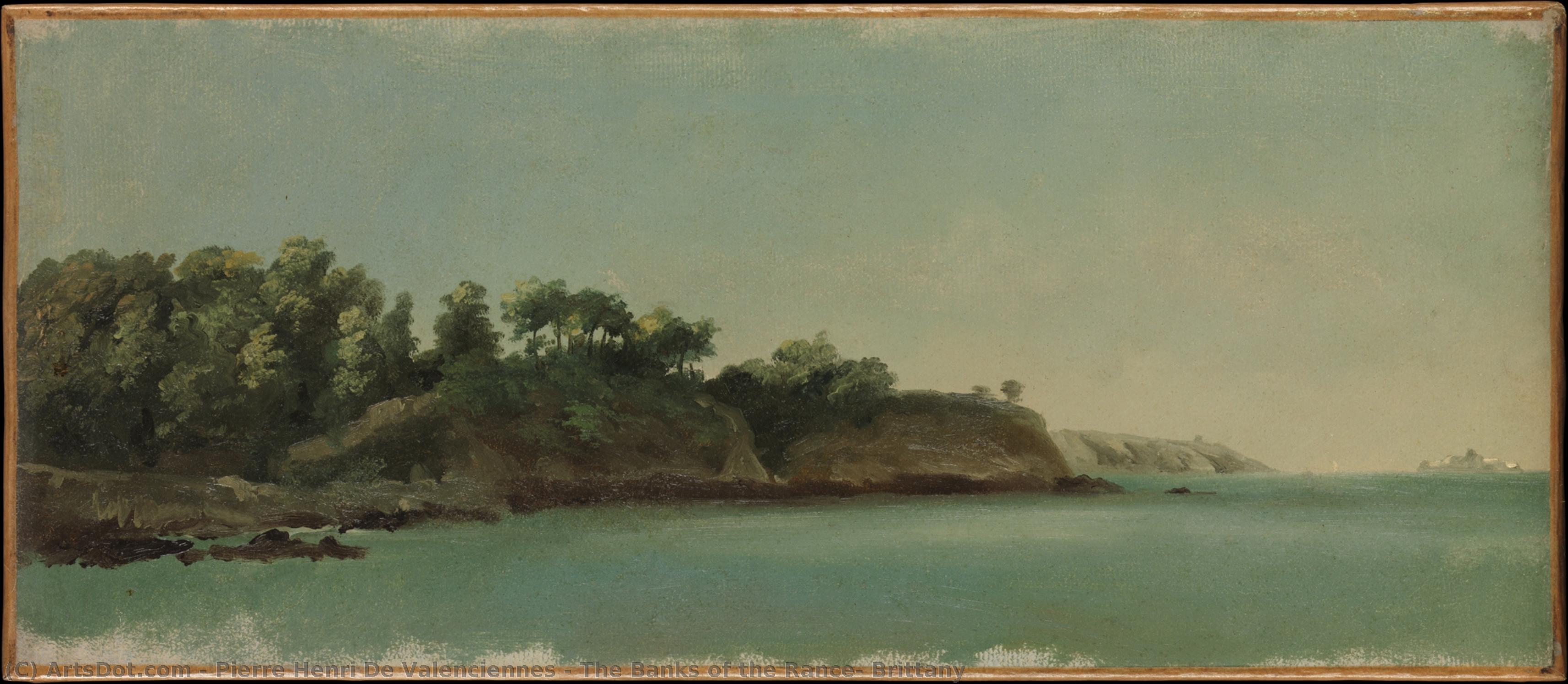
The Banks of the Rance, Brittany
 Oil On Paper
- WallArt
- En plein air painting
 1785
1785 21.0 x 49.0 cm
 Metropolitan Museum of Art
 Read More
Hand Made Oil Reproduction
Hand-painted oil on canvas in your size and frame, made to order by our artists. ( Buy Print Buy Image)




P118B $10

P118H $10

P118W $10

P438Z $10

P508JH $12

P508YH $12

P805H $10

P805Z $10

P919BZ $10

P919G $10

P919XJ $10

P959ZH $10

P968JZ $12

W106C $8

W218G $10

W218JH $8

W218Y $10

W307PJ $10

W316G $10

W316PJ $8

W316Y $10

W398PJ $8

W4111J $10

W500HY $15

W500JH $15

W692G $12

W849H $8

W940BG $15

W953PJ $8




Pick from our preset sizes that match the artwork's original proportions.

You may enter your own dimensions to fit a specific frame or space. If your selected size does not match the original image's proportions, we will either crop the artwork or extend the painting with additional hand-painted elements. A digital mockup will be sent for your approval before production begins.
Please note that the on-screen preview does not reflect the actual cropping or extension. Only the mockup will accurately show the final composition.
While custom sizes are available, we recommend selecting a dimension from the predefined list to preserve the original proportions.
After order, ArtsDot.com team will email client for instructions and provide a mockup preview
Worldwide Delivery () in 3/4 weeks instead of standard 5 weeks. (16 August). No compromise on quality.

Free Worldwide Express Shipping

High-Quality Linen Canvas

Full Shipping Insurance

Customs Tax Refund Guarantee

True Color Matching Guarantee

60-Day Return Policy (Defects Only)

100% Money-Back Guarantee

Bulk Discount Offer
 Glass option is only available in size under 110 CM

The Banks of the Rance, Brittany
Reproduction Medium
Reproduction Size
-


Total Price
$ 263
Artwork Description
A Glimpse of Brittany’s Soul: Valenciennes' "The Banks of the Rance"
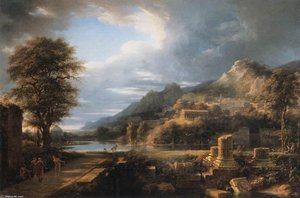
Pierre-Henri de Valenciennes’s “The Banks of the Rance, Brittany” isn’t merely a depiction of a coastal scene; it’s a carefully constructed meditation on light, atmosphere, and the fleeting beauty of nature. Painted in 1785 during a pivotal moment in artistic history – the burgeoning movement towards *en plein air* painting – this work represents a conscious shift away from the studio's controlled environment and toward direct observation of the natural world. Valenciennes, a key figure in establishing this new approach, sought to capture not just the visual appearance of a landscape but also its very essence, imbuing it with a sense of immediacy and emotional resonance.
The painting immediately draws the eye to the Rance River’s mouth, where it spills into the Atlantic. The composition is remarkably balanced, utilizing diagonal lines created by the river's flow and the shoreline to guide the viewer’s gaze. A small cluster of boats – likely fishing vessels – adds a touch of human activity to this otherwise serene vista, grounding the scene while simultaneously emphasizing the power and indifference of nature. Valenciennes masterfully employs atmospheric perspective; distant trees are rendered in softer hues and less detail, creating a convincing illusion of depth and distance. The artist’s brushwork is loose and expressive, particularly noticeable in the depiction of the water – a swirling dance of blues, greens, and greys that captures its movement with remarkable fluidity.
The Dawn of *En Plein Air*
Valenciennes' work stands as a crucial document in the development of *en plein air* painting. Prior to this period, landscape artists largely relied on studio paintings based on memory or sketches, often struggling to accurately represent the subtleties of light and color. Valenciennes’s decision to paint directly outdoors – a radical departure from convention – was driven by his belief that true artistic representation required an intimate connection with nature. He meticulously documented his observations in numerous preparatory sketches, using them as a foundation for his finished paintings. This approach wasn't simply about replicating what he saw; it was about understanding the underlying principles of light, color, and composition, translating these insights onto canvas.
His treatise, *Reflections and Advice to a Student on Painting, Particularly on Landscape*, articulated this philosophy, advocating for artists to “look upon” the landscape rather than merely “see” it. This emphasis on direct observation profoundly influenced subsequent generations of painters, including Jean-Victor Bertin and Louis-François Lejeune, who were among Valenciennes’s students. The painting's significance extends beyond its artistic merit; it represents a fundamental shift in the role of the artist – from passive recorder to active interpreter of the natural world.
Symbolism and Emotional Resonance
Beyond its technical brilliance, “The Banks of the Rance” is rich in symbolic meaning. The river itself can be interpreted as a symbol of life’s flow, constantly moving and changing. The rugged coastline evokes a sense of timelessness and resilience, while the interplay of light and shadow suggests both beauty and melancholy. The presence of the boats hints at humanity's relationship with nature – a tentative attempt to harness its resources without fully understanding its power.
Valenciennes’s choice to depict this specific location in Brittany—a region steeped in Celtic history and folklore—further enriches the painting’s symbolic potential. The Rance River, with its dramatic cliffs and turbulent waters, embodies the wildness and untamed spirit of the landscape. The painting invites us to contemplate our place within this vast and ancient world, fostering a sense of awe and wonder at the beauty and complexity of nature.
A Timeless Masterpiece
“The Banks of the Rance, Brittany” is more than just a beautiful painting; it’s a testament to Valenciennes' pioneering spirit and his profound understanding of art. Reproductions capture much of the original's atmosphere, offering a window into a pivotal moment in artistic history. Its evocative depiction of light, color, and landscape continues to resonate with viewers today, reminding us of the enduring power of nature to inspire and uplift.
Related Artworks
Artist Biography
early life and training
pierre-henri de valenciennes, a french painter, was born on december 6, 1750. his birthplace is not specified in available records, but his contributions to the art world are well-documented. de valenciennes' early training and education are not extensively recorded, but it is known that he worked in rome from 1778 to 1782, where he made a number of landscape studies directly from nature.contributions to en plein air painting
de valenciennes was influential in elevating the status of en plein air (open-air painting). his work in rome led to the development of his theory, which he outlined in his 1800 treatise reflections and advice to a student on painting, particularly on landscape. this concept introduced the idea of a 'landscape portrait,' where an artist paints a landscape directly while looking upon it, capturing its particular details. this approach allowed de valenciennes to capture the fleeting changes of a landscape due to light and weather.notable students and influence
among his notable students were jean-victor bertin, achille etna michallon, louis étienne watelet, louis-françois lejeune, and the first french panorama painter pierre prévost. de valenciennes' influence on these artists and his contributions to the development of en plein air painting have left a lasting impact on the art world.later life and death
de valenciennes passed away in paris on february 16, 1819. he is buried in the père lachaise cemetery, a famous cemetery in paris known for its notable residents.- view pierre-henri de valenciennes's artwork on ArtsDot.com
- explore the musée des beaux-arts valence, a museum featuring european paintings and sculptures, on ArtsDot.com
- discover more about french art and its history on wikipedia
legacy
pierre-henri de valenciennes's legacy in the art world is undeniable. his pioneering work in en plein air painting has inspired generations of artists, and his influence can still be seen today. through his treatise and his students, de valenciennes has left an indelible mark on the world of art.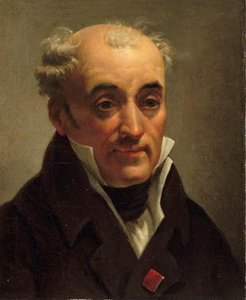
Pierre-Henri de Valenciennes
1750 - 1819 , France
Quick Facts
- Artistic Movement Or Style: En plein air painting
- Artists Or Movements Influenced By This Artist: ['Pierre Chauvin']
- Artists Who Influenced This Artist:
- Jean Victor Bertin
- Achille Etna Michallon
- Date Of Birth: December 6, 1750
- Date Of Death: February 16, 1819
- Full Name: Pierre Henri de Valenciennes
- Nationality: French
- Notable Artworks:
- Village de Nemi
- A LA Villa Borghese Chemin borde d'arbres
- Place Of Birth: Toulouse, France
Related Articles
Capturing Ephemeral Light: Plein Air Painting from Impressionism to Today
Explore the history of plein air painting, from its origins with the Barbizon school to Impressionism's revolution & contemporary practice. Discover techniques, artists like Monet & Renoir, and find museum-quality reproductions at ArtsDot.

Beyond the Horizon: 10 Landscape Masterpieces for Your Home Decor
Journey through 10 breathtaking landscape paintings by Monet, Van Gogh & more! Explore iconic artworks, artistic techniques & find inspiration for your home decor. Museum-quality reproductions at ArtsDot.com. Discover all masterpieces on ArtsDot.com
The Allure of Open Airs: Exploring Representations of Outdoors in Art History
Explore the rich history of outdoor painting! From Romantic landscapes to Impressionism's revolution, discover key artists, techniques & the enduring legacy of capturing light and nature in art. Learn more at ArtsDot.
Capturing Ephemeral Light: A Comprehensive Exploration of Plein Air Painting's History & Enduring Legacy
Explore the rich history of plein air painting, from its origins to Impressionism & beyond. Discover key artists, techniques, and the enduring legacy of capturing light in landscape art. Find museum-quality reproductions at ArtsDot.
Alfred East: Pioneering Plein Air & Evoking Atmospheric Landscapes
Explore the life & work of Alfred East, a pioneer of British plein air painting. Discover his techniques for capturing atmospheric landscapes, Barbizon influences, and lasting legacy. Learn more at ArtsDot.