 Preview
 Send
Send Share
Share
 Details

 Download
 Similars
 X-Ray
X-Ray Diaporama
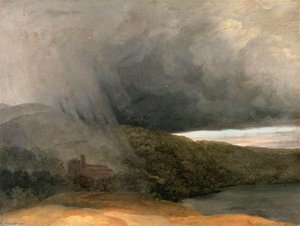
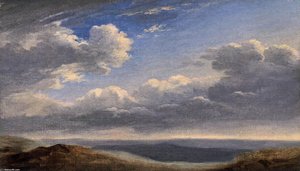
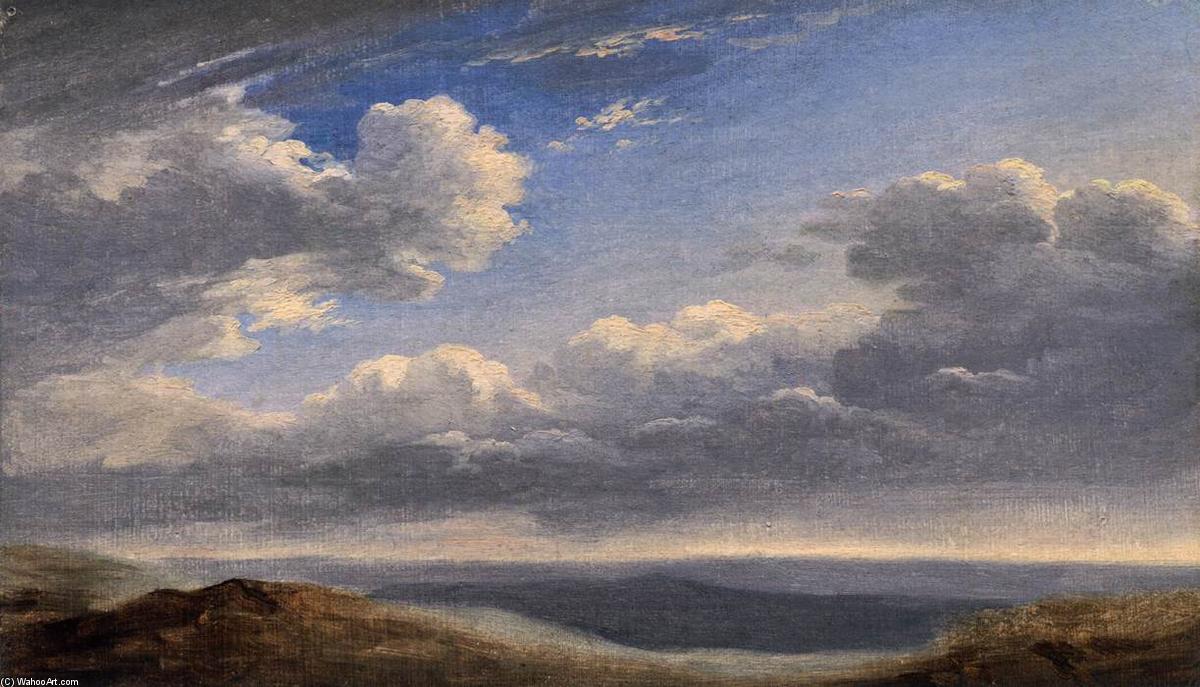
Study of Clouds over the Roman Campagna
 Oil On Paper
- Romantic Landscape
 1782
1782- Early Modern
 20.0 x 33.0 cm
 National Gallery of Art
 Read More
Hand Made Oil Reproduction
Hand-painted oil on canvas in your size and frame, made to order by our artists. ( Buy Print Buy Image)




P118B $10

P118H $10

P118W $10

P438Z $10

P508JH $12

P508YH $12

P805H $10

P805Z $10

P919BZ $10

P919G $10

P919XJ $10

P959ZH $10

P968JZ $12

W106C $8

W218G $10

W218JH $8

W218Y $10

W307PJ $10

W316G $10

W316PJ $8

W316Y $10

W398PJ $8

W4111J $10

W500HY $15

W500JH $15

W692G $12

W849H $8

W940BG $15

W953PJ $8




Pick from our preset sizes that match the artwork's original proportions.

You may enter your own dimensions to fit a specific frame or space. If your selected size does not match the original image's proportions, we will either crop the artwork or extend the painting with additional hand-painted elements. A digital mockup will be sent for your approval before production begins.
Please note that the on-screen preview does not reflect the actual cropping or extension. Only the mockup will accurately show the final composition.
While custom sizes are available, we recommend selecting a dimension from the predefined list to preserve the original proportions.
After order, ArtsDot.com team will email client for instructions and provide a mockup preview
Worldwide Delivery () in 3/4 weeks instead of standard 5 weeks. (17 August). No compromise on quality.

Free Worldwide Express Shipping

High-Quality Linen Canvas

Full Shipping Insurance

Customs Tax Refund Guarantee

True Color Matching Guarantee

60-Day Return Policy (Defects Only)

100% Money-Back Guarantee

Bulk Discount Offer
 Glass option is only available in size under 110 CM

Study of Clouds over the Roman Campagna
Reproduction Medium
Reproduction Size
-


Total Price
$ 263
Artwork Description
Study of Clouds Over The Roman Campagna: A Pioneering Landscape Portrait
Pierre-Henri de Valenciennes’ “Study of Clouds Over The Roman Campagna” stands as a cornerstone of late eighteenth-century landscape painting, embodying the revolutionary concept of the ‘landscape portrait.’ Executed in 1782 and currently residing within the National Gallery of Art in Washington D.C., this oil on paper masterpiece transcends mere depiction; it’s an immersive experience capturing the ephemeral beauty of nature with unprecedented immediacy. Valenciennes wasn't simply observing a vista; he was actively engaging with it, translating its shifting light and atmospheric conditions onto canvas—a practice that would profoundly influence subsequent generations of artists.A Revolutionary Approach to Painting
Before Valenciennes’ groundbreaking treatise “Elémens de perspective pratique,” landscape painting largely adhered to idealized conventions, prioritizing harmonious compositions and serene vistas. Valenciennes challenged this established paradigm by advocating for a systematic program of study based on plein air painting—working outdoors directly before the subject—a method championed by luminaries like Bertin and Michallon. This technique demanded meticulous observation and precise rendering, capturing not just what was seen but also conveying the emotional resonance of the scene itself. Valenciennes’ insistence on this approach marked a decisive step away from studio-bound imitation toward a more truthful representation of the natural world.The Painting's Visual Language: Detail and Atmosphere
The artwork itself is dominated by a vast expanse of sky—painted in shades of azure and grey—interwoven with billowing white clouds. Valenciennes’ masterful use of oil medium lends texture and depth to the canvas, allowing him to convincingly portray the dynamic interplay between light and shadow. The rocky outcrop foreground provides a grounding element against which the expansive sky is contrasted, creating a visual dialogue that underscores the painting's central theme: the fleeting beauty of nature. Subtle color palettes—greens blending seamlessly with blues—further enhance the overall impression of tranquility and grandeur.Historical Context & Valenciennes’ Influence
Painted during a period of artistic ferment fueled by Enlightenment ideals, “Study of Clouds Over The Roman Campagna” reflects Valenciennes' commitment to scientific observation combined with expressive artistry. His treatise solidified the concept of the landscape portrait, establishing it as a dominant genre and inspiring artists like Camille Pissarro to pursue similar methods. This painting serves as an enduring testament to Valenciennes’ legacy—a champion of plein air painting and a visionary who elevated landscape art to new heights of realism and emotional depth.Symbolism & Emotional Resonance
Beyond its technical brilliance, the artwork speaks to broader themes of contemplation and appreciation for the natural world. The clouds symbolize change and impermanence, reminding viewers of the transient nature of beauty—a concept central to Valenciennes’ philosophical outlook. Simultaneously, the solidity of the rocks represents permanence and stability, offering a counterpoint to the fluidity of the sky. Ultimately, “Study of Clouds Over The Roman Campagna” invites contemplation and evokes feelings of serenity and wonder—capturing not just what is seen but also conveying the profound emotional impact that nature can inspire.Related Artworks
Artist Biography
early life and training
pierre-henri de valenciennes, a french painter, was born on december 6, 1750. his birthplace is not specified in available records, but his contributions to the art world are well-documented. de valenciennes' early training and education are not extensively recorded, but it is known that he worked in rome from 1778 to 1782, where he made a number of landscape studies directly from nature.contributions to en plein air painting
de valenciennes was influential in elevating the status of en plein air (open-air painting). his work in rome led to the development of his theory, which he outlined in his 1800 treatise reflections and advice to a student on painting, particularly on landscape. this concept introduced the idea of a 'landscape portrait,' where an artist paints a landscape directly while looking upon it, capturing its particular details. this approach allowed de valenciennes to capture the fleeting changes of a landscape due to light and weather.notable students and influence
among his notable students were jean-victor bertin, achille etna michallon, louis étienne watelet, louis-françois lejeune, and the first french panorama painter pierre prévost. de valenciennes' influence on these artists and his contributions to the development of en plein air painting have left a lasting impact on the art world.later life and death
de valenciennes passed away in paris on february 16, 1819. he is buried in the père lachaise cemetery, a famous cemetery in paris known for its notable residents.- view pierre-henri de valenciennes's artwork on ArtsDot.com
- explore the musée des beaux-arts valence, a museum featuring european paintings and sculptures, on ArtsDot.com
- discover more about french art and its history on wikipedia
legacy
pierre-henri de valenciennes's legacy in the art world is undeniable. his pioneering work in en plein air painting has inspired generations of artists, and his influence can still be seen today. through his treatise and his students, de valenciennes has left an indelible mark on the world of art.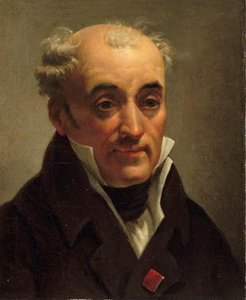
Pierre-Henri de Valenciennes
1750 - 1819 , France
Quick Facts
- Artistic Movement Or Style: En plein air painting
- Artists Or Movements Influenced By This Artist: ['Pierre Chauvin']
- Artists Who Influenced This Artist:
- Jean Victor Bertin
- Achille Etna Michallon
- Date Of Birth: December 6, 1750
- Date Of Death: February 16, 1819
- Full Name: Pierre Henri de Valenciennes
- Nationality: French
- Notable Artworks:
- Village de Nemi
- A LA Villa Borghese Chemin borde d'arbres
- Place Of Birth: Toulouse, France
Related Articles

Beyond the Horizon: 10 Landscape Masterpieces for Your Home Decor
Journey through 10 breathtaking landscape paintings by Monet, Van Gogh & more! Explore iconic artworks, artistic techniques & find inspiration for your home decor. Museum-quality reproductions at ArtsDot.com. Discover all masterpieces on ArtsDot.com

John Constable's Masterpieces: Explore 25 Iconic Landscapes for Your Home
Journey through John Constable's 25 most celebrated landscapes. Explore Romanticism, Dedham Vale & his masterful use of light in iconic paintings like 'Hay Wain'. Find museum-quality art reproductions and elevate your home decor on ArtsDot.com.
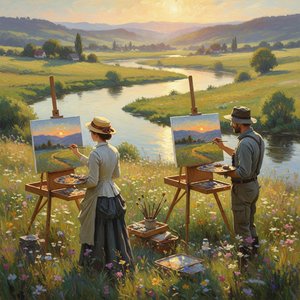
Capturing Ephemeral Light: Plein Air Painting from Impressionism to Today
Explore the history of plein air painting, from its origins with the Barbizon school to Impressionism's revolution & contemporary practice. Discover techniques, artists like Monet & Renoir, and find museum-quality reproductions at ArtsDot.
Cultivating Visions: A Historical Journey Through Rural Landscapes in Art
Explore the rich history of rural landscape painting with ArtsDot. Discover Impressionist masterpieces, key artists & movements. Find your perfect serene artwork and bring nature's beauty home.
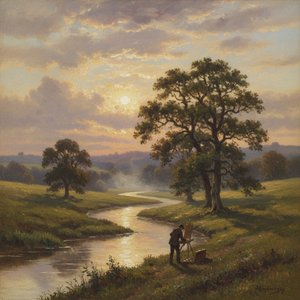
Alfred East: Pioneering Plein Air & Evoking Atmospheric Landscapes
Explore the life & work of Alfred East, a pioneer of British plein air painting. Discover his techniques for capturing atmospheric landscapes, Barbizon influences, and lasting legacy. Learn more at ArtsDot.