 Preview
 Send
Send Share
Share
 Details

 Download
 Similars
 X-Ray
X-Ray Diaporama
 Stats
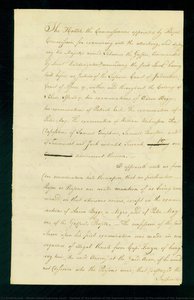
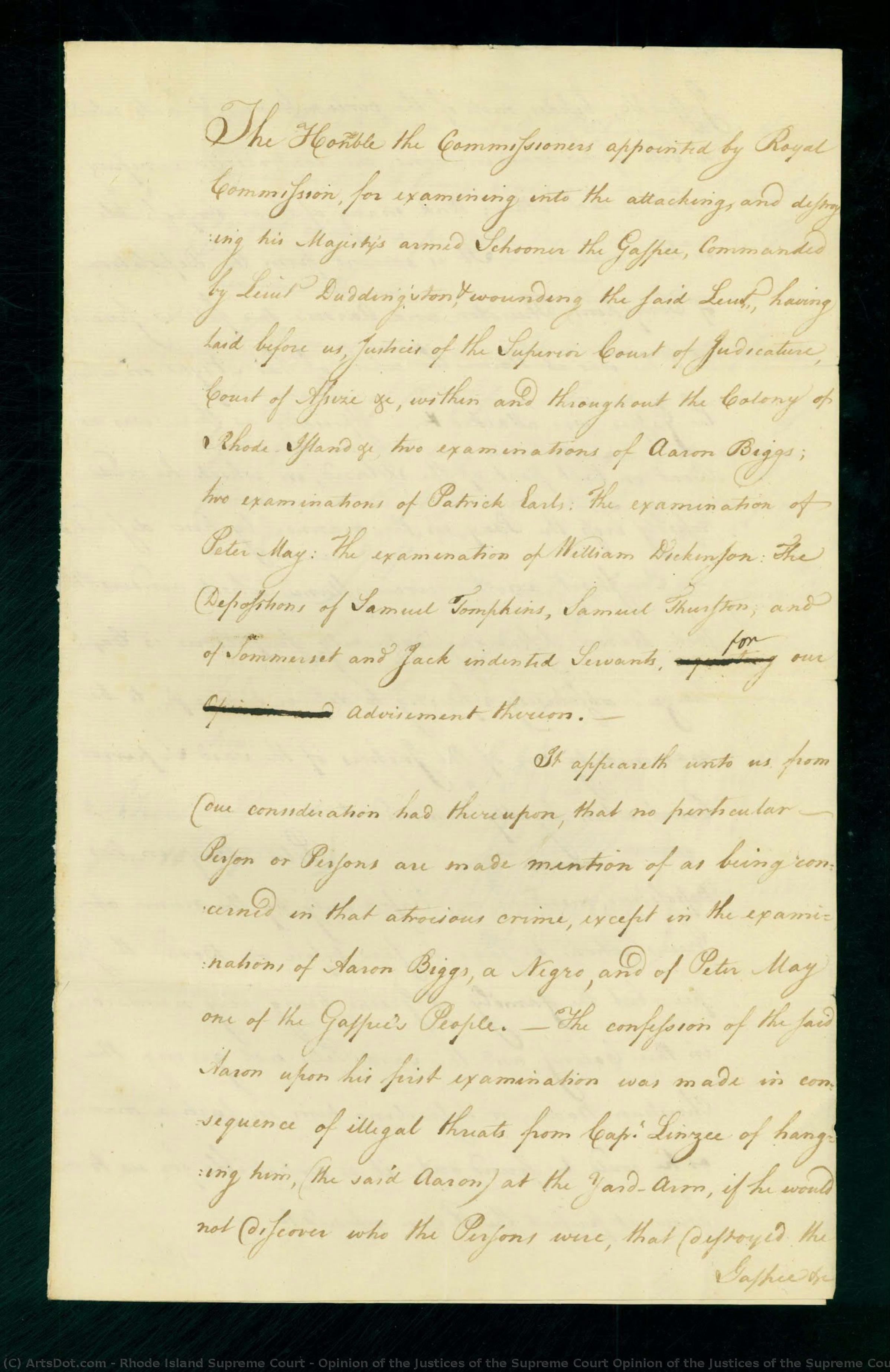
StatsOpinion of the Justices of the Supreme Court Opinion of the Justices of the Supreme Court, page 1


 Read More
Giclée / Art Print
Museum-quality giclée or canvas print with fast production and flexible finish options. ( Buy Hand Made Painting Switch to Digital Image)




































Pick from our preset sizes that match the artwork's original proportions.

You may enter your own dimensions to fit a specific frame or space. If your selected size does not match the original image's proportions, we will either crop the artwork or extend the image with a mirrored or solid-fill edge. A digital mockup will be sent for your approval before production begins.
Please note that the on-screen preview does not reflect the actual cropping or extension. Only the mockup will accurately show the final composition.
While custom sizes are available, we recommend selecting a dimension from the predefined list to preserve the original proportions.
Worldwide Delivery () in 2 weeks instead of standard 4/5 weeks. (10 September)

Free Worldwide Express Shipping

High-Quality Linen Canvas

Full Shipping Insurance

Customs Tax Refund Guarantee

True Color Matching Guarantee

100-Day Return Policy (Defects Only)

100% Money-Back Guarantee

Bulk Discount Offer
 Glass option is only available in size under 110 CM

Opinion of the Justices of the Supreme Court Opinion of the Justices of the Supreme Court, page 1
Giclée / Art Print
Reproduction Size
-


Total Price
$ 63
Related Artworks




Artist Biography
Rhode Island Supreme Court: A Legacy of Legal Thought and Rhode Island Identity
The Rhode Island Supreme Court stands as a cornerstone of Rhode Island’s legal history and civic life, embodying the state's commitment to justice and constitutional principles. More than just a judicial institution, it represents a tangible link to colonial governance and the formative years of American democracy—a visual testament to Rhode Island’s enduring spirit.
Established in 1747 as part of the Rhode Island General Assembly’s ambitious effort to establish a formal legal framework alongside its burgeoning merchant class, the Court initially comprised a single Chief Justice and four associates. This early structure reflects the influence of English common law, albeit tempered by the pragmatic needs of a developing colony seeking autonomy from British rule. The appointment of figures like Gideon Cornell—a respected physician and farmer—demonstrates the court’s initial membership drew upon diverse segments of Rhode Island society.
- Early Legal Developments: The Court's formative years witnessed crucial debates over governance, taxation, and religious liberty – issues that would shape Rhode Island’s trajectory as a haven for dissenters and intellectuals.
- The American Revolution Influence: Justices like Stephen Hopkins—a signer of the Declaration of Independence—played pivotal roles in advocating for colonial independence, cementing the Court's association with revolutionary ideals.
- Institutional Evolution: The renaming to “Supreme Judicial Court” in 1798 and subsequently “Supreme Court” solidified Rhode Island’s legal tradition, mirroring developments across the nation as it transitioned toward a federal republic.
Throughout its history, the Supreme Court has consistently upheld principles of judicial review—a landmark decision in *Stoddard v. Martin* (1828) establishing Rhode Island's commitment to constitutional interpretation and setting precedents for similar rulings nationwide. This case exemplifies the court’s role as a guardian of liberty and accountability.
- Notable Cases: Examining decisions like *Trewett v. Weeden* (1786), which challenged legislative authority on matters of currency, reveals Rhode Island's legal engagement with fundamental questions of governance.
- Contemporary Significance: Located in the Licht Judicial Complex at College Hill, Providence—a building designed in a Beaux Arts style reflecting Rhode Island’s aspirations for civic grandeur—the Court continues to shape Rhode Island law and influence federal jurisprudence.
The Court's enduring presence symbolizes Rhode Island’s dedication to upholding constitutional values and fostering legal excellence. Its history is interwoven with the narrative of Rhode Island itself, serving as a visual reminder of the state’s commitment to reasoned deliberation and safeguarding fundamental freedoms.
Notable Justices
- Joshua Babcock: Physician and Friend of Franklin – Served from 1747-1755
- Stephen Hopkins: Signatory of the Declaration of Independence – Governor of Rhode Island
- Samuel Ward: Delegate to the Continental Congress – Federalist Leader
- David Howell: Delegate to the Continental Congress – Rhode Island’s Representative in Constitutional Convention
These figures represent Rhode Island's intellectual and political leadership during a transformative period, reflecting the Court’s role as a center of legal thought and civic engagement.
Visual Symbolism
The Court’s seal—featuring a shield emblazoned with Rhode Island’s state motto (“Liberty and Union”)—is itself a powerful symbol. Its design harkens back to colonial heraldry, conveying notions of stability, justice, and the enduring values underpinning Rhode Island’s identity.
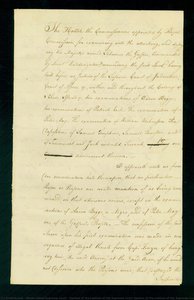
Rhode Island Supreme Court
United States of America
Quick Facts
- Artistic Movement Or Style: Legal Document
- Full Name: Rhode Island Supreme Court
- Nationality: American
- Notable Artworks: ['Opinion of the Justices']
- Place Of Birth: United States of America
Related Articles

Navigating Copyright and Creativity: Commissioning Inspired Paintings with Artistic Integrity
Navigate art commissions with confidence! Expert legal guidance for collectors on copyright, contracts & protecting your investment. Ensure artistic integrity & secure ownership.
Franz Xaver Winterhalter: Court Painter, Academician & Embodiment of Mid-19th Century Portraiture
Explore the life & art of Franz Xaver Winterhalter, the celebrated court painter of the 19th century. Discover his exquisite portraits of royalty and aristocracy – a symbol of prestige and refined taste.
Charles-André van Loo: A Study in Rococo Portraiture & the French Court's Artistic Dynamics
Explore the elegant world of Charles-André van Loo, a master of Rococo portraiture at the French court. Discover his life, techniques, and enduring influence on 18th-century art. Hand-painted reproductions available.

Agnolo Bronzino: Mastering Courtly Portraiture & the Enigmatic Gaze of Renaissance Florence
Explore the captivating world of Agnolo Bronzino, Renaissance master portraitist. Discover his elegant style, symbolic depth & lasting influence on art history. Expert insights for collectors.
Diego Velázquez: Master of the Spanish Golden Age – Technique, Influence & Courtly Portraiture
Explore the life & work of Diego Velázquez, master of the Spanish Golden Age. Discover his innovative techniques, iconic paintings like Las Meninas, and lasting influence on art history. Expert insights for collectors.