 Preview
 Send
Send Share
Share
 Details

 Download
 Similars
 X-Ray
X-Ray Diaporama
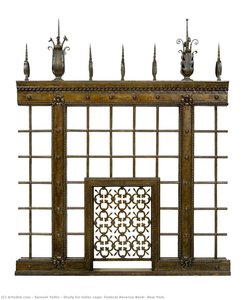
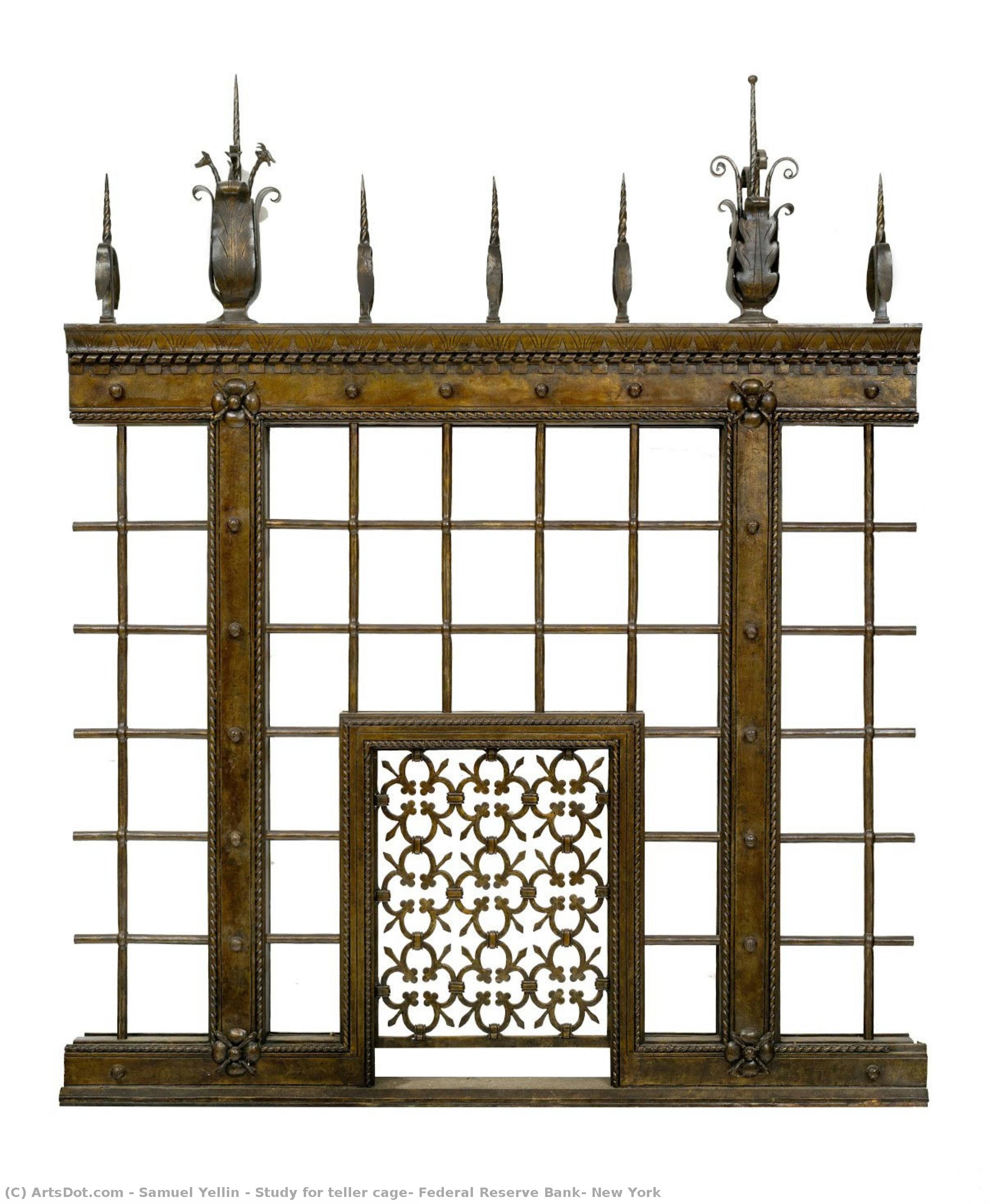
Study for teller cage, Federal Reserve Bank, New York


 Read More
Hand Made Oil Reproduction
Hand-painted oil on canvas in your size and frame, made to order by our artists. ( Buy Print Buy Image)




































Pick from our preset sizes that match the artwork's original proportions.

You may enter your own dimensions to fit a specific frame or space. If your selected size does not match the original image's proportions, we will either crop the artwork or extend the painting with additional hand-painted elements. A digital mockup will be sent for your approval before production begins.
Please note that the on-screen preview does not reflect the actual cropping or extension. Only the mockup will accurately show the final composition.
While custom sizes are available, we recommend selecting a dimension from the predefined list to preserve the original proportions.
After order, ArtsDot.com team will email client for instructions and provide a mockup preview
Worldwide Delivery () in 3/4 weeks instead of standard 5 weeks. (5 September). No compromise on quality.

Free Worldwide Express Shipping

High-Quality Linen Canvas

Full Shipping Insurance

Customs Tax Refund Guarantee

True Color Matching Guarantee

60-Day Return Policy (Defects Only)

100% Money-Back Guarantee

Bulk Discount Offer
 Glass option is only available in size under 110 CM

Study for teller cage, Federal Reserve Bank, New York
Reproduction Medium
Reproduction Size
-


Total Price
$ 263
Related Artworks






Artist Biography
Samuel Yellin: The Sculptor of Steel
Samuel Yellin (1884-1940) stands as a singular figure in American industrial art, remembered not merely for his craft but for elevating blacksmithing into an expressive discipline capable of shaping monumental structures and embodying the spirit of the Art Deco era. Born in Miholov-Podilskyi, Ukraine—a region steeped in tradition yet embracing burgeoning modernity—Yellin’s journey from humble beginnings to international acclaim exemplifies the transformative power of artistic dedication and innovation.Early Life & Apprenticeship: Forging Foundations
From his eleventh birthday, Yellin's formative years were spent honing his skills under the tutelage of a master blacksmith in Ukraine, an experience that instilled within him not only technical proficiency but also a profound appreciation for craftsmanship rooted in meticulous observation and unwavering precision. This apprenticeship provided invaluable insight into the fundamental principles of metalworking—understanding material properties, mastering forge techniques, and cultivating an instinctive connection to the transformative process itself. Following his formal education at Pennsylvania Museum School of Industrial Art, he embarked on a European expedition, absorbing influences from diverse artistic traditions before establishing himself in Philadelphia in 1905. Continuing his studies at the school, Yellin quickly ascended to instructor status, nurturing the next generation of metal artisans and disseminating knowledge of Florentine design principles—a stylistic hallmark that would permeate much of his subsequent work.The Rise of Yellin Metalworkers: Architectural Ironwork Takes Center Stage
In 1909, Samuel Yellin founded Yellin Metalworkers, a workshop that swiftly blossomed into a celebrated firm employing up to 250 skilled laborers and becoming synonymous with opulent architectural ironwork during the roaring twenties. Recognizing the burgeoning demand for monumental structures—particularly banks and civic buildings—Yellin’s company capitalized on this trend, delivering breathtaking commissions for prominent architects like Shreve Lamb Beckett and designing iconic facades that reflected the optimism and grandeur of the period. His designs incorporated intricate Florentine motifs—floral scrolls, stylized drapery, and geometric patterns—creating visually arresting surfaces that commanded attention and conveyed a sense of timeless elegance.Notable Achievements & Artistic Legacy
Yellin’s contributions to American architecture are undeniable; his creations grace campuses like Drexel University and Carnegie Mellon University, as well as commercial buildings across New York City. Beyond these grand commissions, he crafted residential ironwork—often embellished with elaborate carvings—that showcased his mastery of detail and artistic vision. Awards bestowed upon him by institutions such as the Art Institute of Chicago and the American Institute of Architects underscored his reputation for excellence and solidified his position among the foremost metal artists of his time. He was a respected member of organizations like the Philadelphia Chapter of the American Institute of Architects and the T Square Club, demonstrating a commitment to professional advancement and artistic discourse.A Lasting Impression: Influence & Remembrance
Samuel Yellin’s legacy extends beyond individual artworks; it resides in the enduring success of his son and granddaughter who continued the family business—a testament to his unwavering belief in passing down artisanal traditions. Today, Yellin Metalworkers remains active, upholding standards of excellence established by its founder. His work continues to inspire admiration for its fusion of technical skill and artistic expression—a reminder that even the most humble craft can elevate itself into a form of monumental art.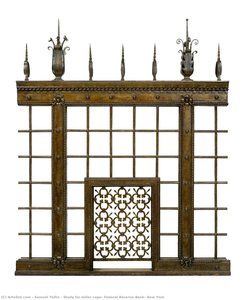
Samuel Yellin
1884 - 1940 , Ukraine
Quick Facts
- Artistic Movement Or Style: Art Deco ironwork
- Date Of Birth: 1884
- Date Of Death: 1940
- Full Name: Samuel Yellin
- Nationality: American
- Notable Artworks: ['Study for Teller Cage']
- Place Of Birth: Miholov-Podilskyi, Ukraine
Related Articles

The Gilded Age Reimagined: Exploring the Aesthetic Principles & Enduring Legacy of Art Deco
Explore the captivating world of Art Deco! Discover its origins, defining features, cultural impact & enduring legacy. Expert insights for collectors and design enthusiasts. Shop handmade reproductions at ArtsDot.

The Gleaming Geometry of Desire: Exploring Art Deco's Enduring Influence on Visual Culture
Explore the captivating world of Art Deco! Discover its history, key characteristics, enduring influence on design & collecting with expert insights from ArtsDot.com.

The Gilded Age Revisited: Art Deco's Modernity & Luxury
Explore the captivating world of Art Deco paintings & the Gilded Age's enduring legacy. Discover iconic artists like Tamara de Lempicka & invest in museum-quality reproductions with ArtsDot.

The Roaring Twenties Revisited: Art Deco & Modernist Expressions for the Discerning Collector
Explore the glamour of Art Deco & the innovation of Modernism! Discover key artists, investment potential, and expert guidance for collecting 1920s art. Enhance your space with timeless masterpieces.

Samuel Walters: Capturing Victorian Maritime Life with Precision & Artistry
Explore the exquisite maritime paintings of Samuel Walters (1811-1882). Discover his mastery of detail, historical scenes & influence on Victorian art. Learn about collecting his works and find high-quality reproductions at ArtsDot.