 Preview
 Send
Send Share
Share
 Details

 Download
 Similars
 X-Ray
X-Ray Diaporama
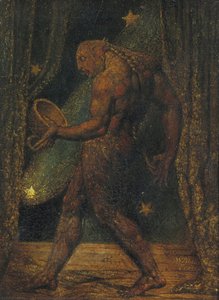
The Poems of Thomas Gray, Design 107,
 Acrylic On Canvas
- WallArt
- Romanticism
 1798
1798 41.0 x 32.0 cm
 Yale Center for British Art
 Read More
Hand Made Oil Reproduction
Hand-painted oil on canvas in your size and frame, made to order by our artists. ( Buy Print Buy Image)




P118B $10

P118H $10

P118W $10

P438Z $10

P508JH $12

P508YH $12

P805H $10

P805Z $10

P919BZ $10

P919G $10

P919XJ $10

P959ZH $10

P968JZ $12

W106C $8

W218G $10

W218JH $8

W218Y $10

W307PJ $10

W316G $10

W316PJ $8

W316Y $10

W398PJ $8

W4111J $10

W500HY $15

W500JH $15

W692G $12

W849H $8

W940BG $15

W953PJ $8




Pick from our preset sizes that match the artwork's original proportions.

You may enter your own dimensions to fit a specific frame or space. If your selected size does not match the original image's proportions, we will either crop the artwork or extend the painting with additional hand-painted elements. A digital mockup will be sent for your approval before production begins.
Please note that the on-screen preview does not reflect the actual cropping or extension. Only the mockup will accurately show the final composition.
While custom sizes are available, we recommend selecting a dimension from the predefined list to preserve the original proportions.
After order, ArtsDot.com team will email client for instructions and provide a mockup preview
Worldwide Delivery () in 3/4 weeks instead of standard 5 weeks. (27 August). No compromise on quality.

Free Worldwide Express Shipping

High-Quality Linen Canvas

Full Shipping Insurance

Customs Tax Refund Guarantee

True Color Matching Guarantee

60-Day Return Policy (Defects Only)

100% Money-Back Guarantee

Bulk Discount Offer
 Glass option is only available in size under 110 CM

The Poems of Thomas Gray, Design 107,
Reproduction Medium
Reproduction Size
-


Total Price
$ 263
Artwork Description
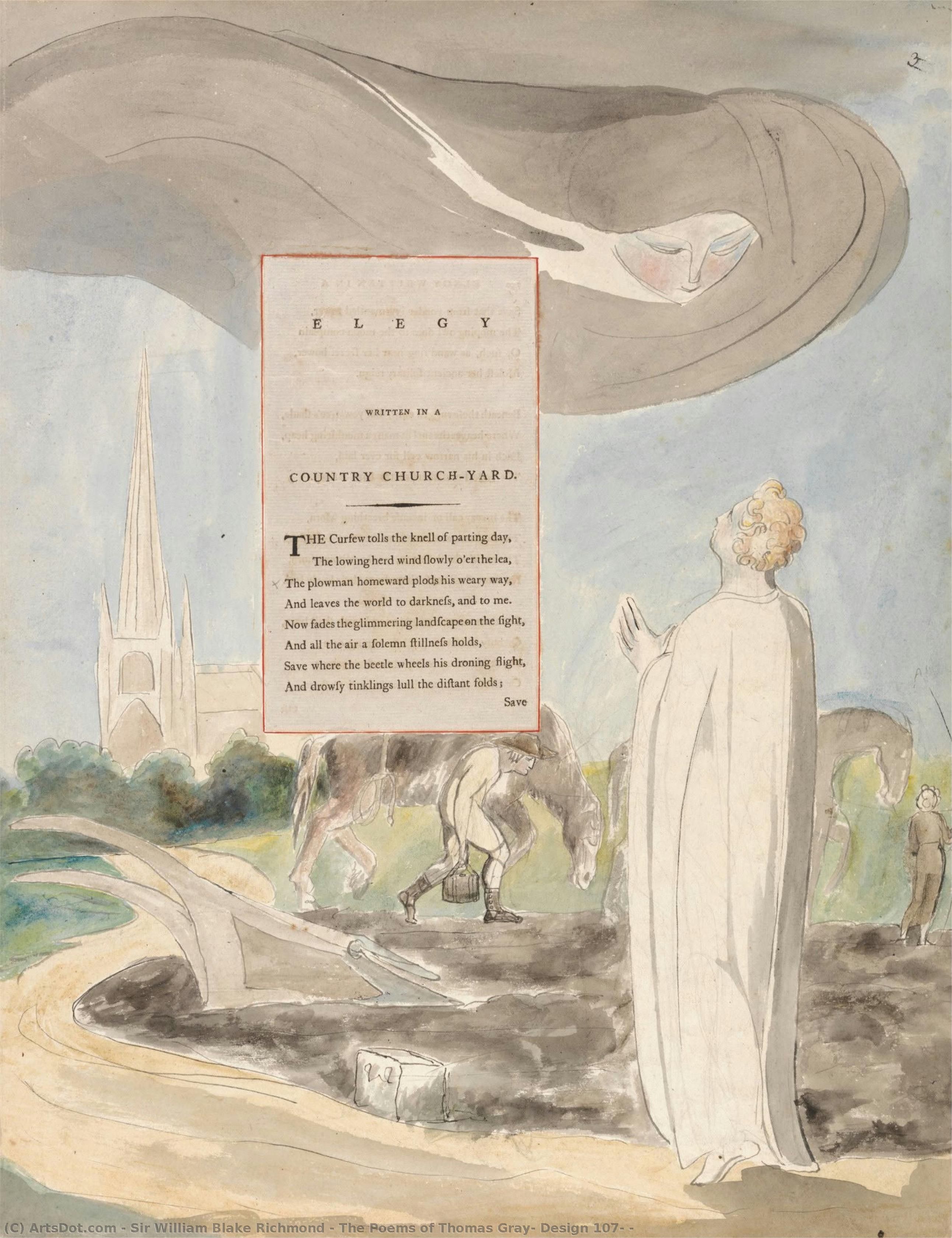
A Portrait of Melancholy and Majesty: Sir William Blake Richmond’s “The Poems of Thomas Gray, Design 107”
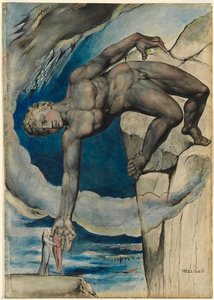
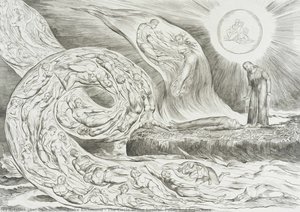
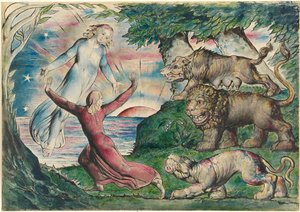
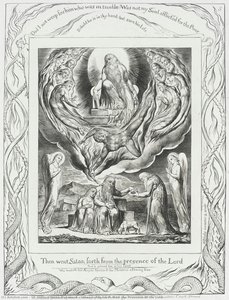
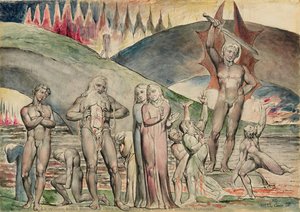
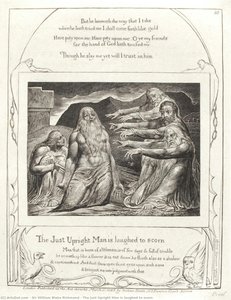
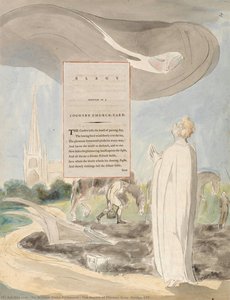
“The Poems of Thomas Gray, Design 107,” painted by Sir William Blake Richmond in 1798, is more than just a depiction of a woman before a castle; it's a carefully constructed meditation on memory, loss, and the enduring power of poetry. Richmond, deeply influenced by the Romantic movement’s fascination with antiquity and the sublime, masterfully captures a mood of quiet contemplation within a meticulously rendered historical tableau. The painting immediately draws the eye to its central figure – a woman in a flowing white gown, her hand raised as if addressing an unseen audience. Her expression is one of profound melancholy, yet there's also a hint of regal bearing, suggesting a connection to lineage and perhaps even a touch of sorrowful wisdom.
A Symphony of Romantic Detail: Technique and Style
Richmond’s technique exemplifies the height of late-18th and early 19th-century British painting. He employs a rich, layered approach to color, utilizing subtle gradations and atmospheric perspective to create a sense of depth within the composition. The castle itself is rendered with painstaking detail – each stone, each turret, meticulously depicted in shades of grey and ochre, evoking the grandeur of a bygone era. Notice how Richmond skillfully uses light and shadow to sculpt the forms, particularly around the woman’s face, emphasizing her emotional state. The loose brushwork, characteristic of the Romantic style, adds a sense of movement and dynamism to the scene, preventing it from feeling static or overly formal. The inclusion of the horses, rendered with a touch of idealized realism, further contributes to the painting's overall atmosphere of romantic grandeur.
Echoes of Gray: Context and Symbolism
The title itself provides crucial context – “The Poems of Thomas Gray, Design 107.” Gray’s *Elegy Written in a Country Churchyard* was one of the most beloved poems of its time, exploring themes of mortality, remembrance, and the quiet dignity of rural life. Richmond's painting seems to embody these very sentiments. The woman is often interpreted as representing Gray herself, or perhaps a generalized figure of mourning for lost beauty and potential. The castle, with its imposing presence, can be seen as symbolizing the weight of history, tradition, and the inevitable passage of time. The books near her feet further reinforce this connection to literature and intellectual reflection. The horses, traditionally symbols of nobility and power, are presented here in a subdued manner, suggesting that even these emblems of grandeur are subject to decay and loss.
Emotional Resonance: A Timeless Portrait of Human Experience
Beyond its historical and literary references, “The Poems of Thomas Gray, Design 107” possesses a profound emotional resonance. Richmond’s masterful use of color, composition, and light creates an atmosphere of quiet sadness and contemplative beauty. The woman's gesture invites the viewer to share in her sorrow, prompting reflection on themes of mortality, memory, and the enduring power of art. This painting isn’t merely a visual representation; it’s an invitation to engage with complex human emotions and contemplate the timeless questions that have preoccupied artists and poets for centuries. It remains a powerful testament to Richmond's skill as a Romantic painter and his ability to capture the essence of the human spirit.
Resources & Further Exploration
Related Artworks
Artist Biography
early life and influences
sir william blake richmond, a renowned english painter and portraitist, was born on march 28, 1809, in the united kingdom. his early life was marked by his association with the ancients, a group of followers of the visionary poet and artist william blake. this influence can be seen in richmond's early works, such as abel the shepherd and christ and the woman of samaria, exhibited at the royal academy in 1825.career highlights
as richmond matured, he established a successful career as a portrait painter, capturing the essence of british gentry, nobility, and royalty. his work is characterized by its attention to detail and the ability to convey the subject's personality. notable works include trees at bocca d'arno and the crown of peace, showcasing his mastery of romanticism.notable associations and travels
* in 1828, richmond traveled to paris to study art and anatomy, where he spent a winter in the schools and hospitals. * he met beau brummell at calais, exchanging snuff pinches, marking a significant encounter. * his association with lord sidmouth led to valuable counsel and a portrait of the lord, now in the national portrait gallery.legacy and later life
richmond's later life saw a shift towards more conventional portraits, yet his legacy as a pre-eminent portrait painter endures. he passed away on march 19, 1896, leaving behind a body of work that continues to inspire artists and art enthusiasts alike.- view sir william blake richmond's artworks on ArtsDot: https://ArtsDot.com/@/sir-william-blake-richmond
- explore the british council collection, featuring works by renowned artists like morris louis, william larkin, and alison watt: /en/art/show/art-d3ckkb-en/
- discover more about the ancients and their influence on richmond's work: https://en.wikipedia.org/wiki/the_ancients
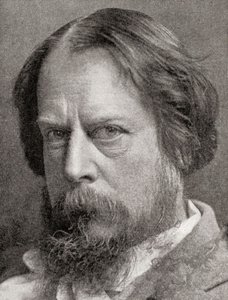
Sir William Blake Richmond
1809 - 1896 , United Kingdom
Quick Facts
- Artistic Movement Or Style: Romanticism
- Artists Or Movements Influenced By This Artist: ['Pre-Raphaelitism']
- Artists Who Influenced This Artist: ['William Blake']
- Date Of Birth: March 28, 1809
- Date Of Death: March 19, 1896
- Full Name: Sir William Blake Richmond
- Nationality: British
- Notable Artworks:
- Trees at Bocca d'Arno
- The Crown of Peace
- Place Of Birth: Brompton, United Kingdom
Related Articles
Gray Masterpieces: 10 Iconic Paintings & The Power of Subtle Light |
Explore 10 iconic paintings where light gray reigns supreme! From Monet's Impressionism to Hopper’s realism, discover the stories & subtle power of these masterpieces. Find museum-quality art reproductions at .
Dark Gray Masterpieces: 10 Iconic Paintings & Timeless Home Decor Ideas
Explore 10 iconic paintings dominated by dark gray tones, from Rembrandt & Caravaggio to Goya. Discover the stories behind these masterpieces and find museum-quality art reproductions for your home at . Explore the full collection online.

Dante Gabriel Rossetti's 25 Masterpieces: A Journey Through Victorian Art & Symbolism | ArtsDot
Explore 25 iconic artworks by Dante Gabriel Rossetti, a leading Pre-Raphaelite artist. Discover the stories behind masterpieces like 'Proserpine' & 'Beata Beatrix'. Find museum-quality art reproductions and elevate your home decor with ArtsDot.com.
Thomas Barker of Bath: Landscape Painting & Societal Reflection in Early 19th-Century England
Explore the life & work of Thomas Barker of Bath, a key figure in 19th-century English Romanticism. Discover his Parisian success, iconic paintings like 'The Bride of Death', and lasting artistic legacy. Learn more at ArtsDot.
Payne's Gray Masterpieces: 10 Iconic Paintings & Timeless Decor Ideas
Explore 10 iconic paintings dominated by 'Payne's Gray', from Rembrandt to Whistler. Discover the stories behind these atmospheric masterpieces & find museum-quality reproductions for your home decor at ArtsDot.com. Explore the full collection online.