 Preview
 Send
Send Share
Share
 Details

 Download
 Similars
 X-Ray
X-Ray Diaporama
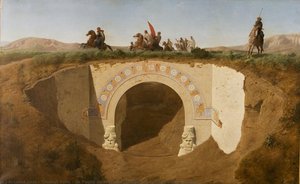
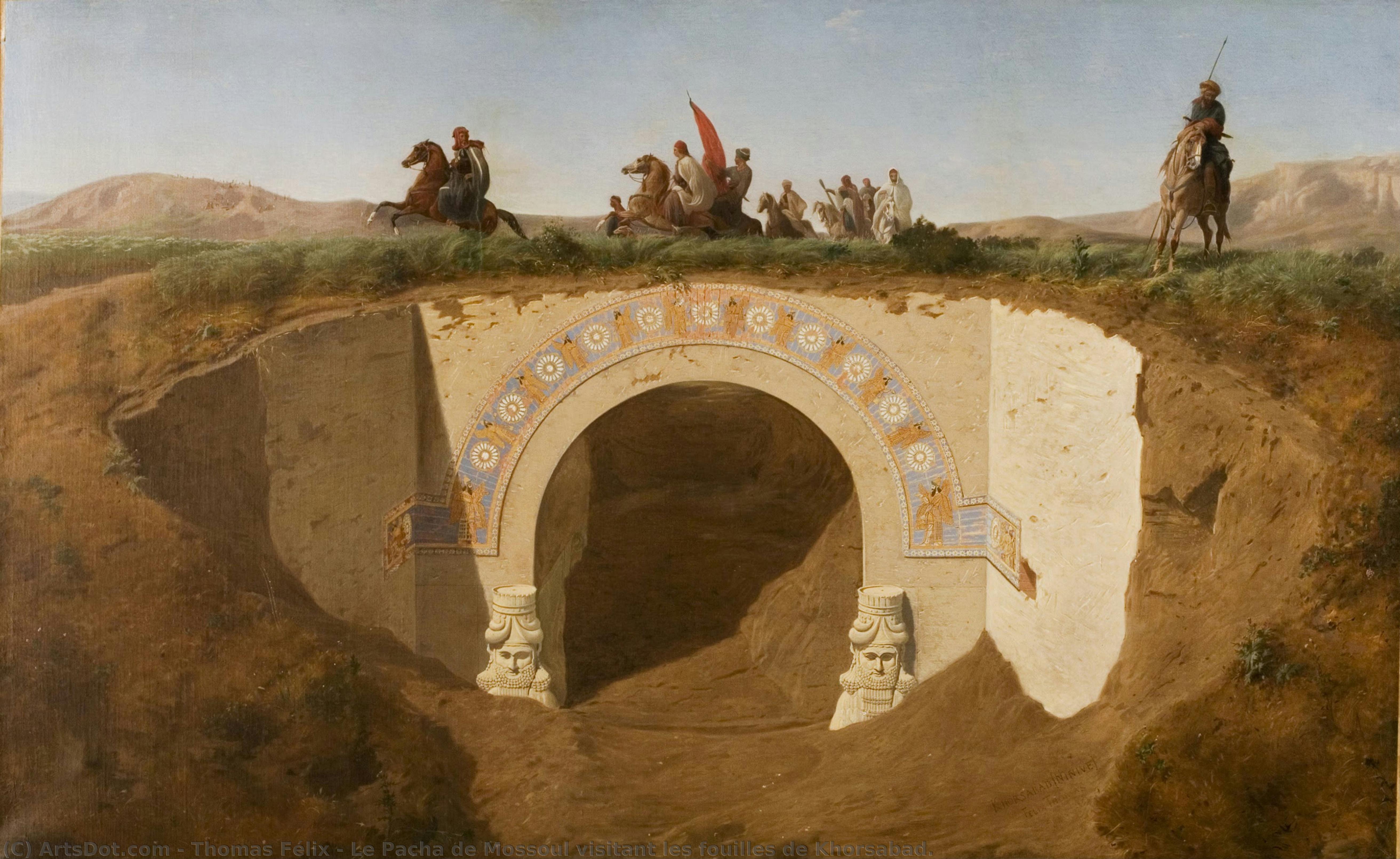
Le Pacha de Mossoul visitant les fouilles de Khorsabad.
 Oil
Oil- WallArt
- Orientalism
 1863
1863- 19th Century
 100.0 x 160.0 cm
 Grand Palais
 Read More
Hand Made Oil Reproduction
Hand-painted oil on canvas in your size and frame, made to order by our artists. ( Buy Print Buy Image)




P118B $10

P118H $10

P118W $10

P438Z $10

P508JH $12

P508YH $12

P805H $10

P805Z $10

P919BZ $10

P919G $10

P919XJ $10

P959ZH $10

P968JZ $12

W106C $8

W218G $10

W218JH $8

W218Y $10

W307PJ $10

W316G $10

W316PJ $8

W316Y $10

W398PJ $8

W4111J $10

W500HY $15

W500JH $15

W692G $12

W849H $8

W940BG $15

W953PJ $8




Pick from our preset sizes that match the artwork's original proportions.

You may enter your own dimensions to fit a specific frame or space. If your selected size does not match the original image's proportions, we will either crop the artwork or extend the painting with additional hand-painted elements. A digital mockup will be sent for your approval before production begins.
Please note that the on-screen preview does not reflect the actual cropping or extension. Only the mockup will accurately show the final composition.
While custom sizes are available, we recommend selecting a dimension from the predefined list to preserve the original proportions.
After order, ArtsDot.com team will email client for instructions and provide a mockup preview
Worldwide Delivery () in 3/4 weeks instead of standard 5 weeks. (16 August). No compromise on quality.

Free Worldwide Express Shipping

High-Quality Linen Canvas

Full Shipping Insurance

Customs Tax Refund Guarantee

True Color Matching Guarantee

60-Day Return Policy (Defects Only)

100% Money-Back Guarantee

Bulk Discount Offer
 Glass option is only available in size under 110 CM

Le Pacha de Mossoul visitant les fouilles de Khorsabad.
Reproduction Medium
Reproduction Size
-


Total Price
$ 263
Artwork Description
A Window into the Orient: The Grandeur of Khorsabad
In the sweeping canvas of Le Pacha de Mossoul visitant les fouilles de Khorsabad, Thomas Félix invites us to step through a portal of time. Painted in 1863, this masterpiece serves as more than just a historical record; it is an evocative window into the nineteenth-century fascination with the ancient Near East. The scene captures a moment of profound discovery, where the weight of antiquity meets the curiosity of the present. As the Pacha of Mosul surveys the excavations at Khorsabad, the viewer is drawn into a bustling tableau of human endeavor and archaeological wonder. The composition centers around a monumental archway, a threshold that separates the modern world from the buried secrets of an empire long passed.
The painting breathes with the vitality of daily life amidst the ruins. Horses navigate the dusty terrain, their presence adding a sense of movement and scale to the vast landscape, while figures populate the foreground and background in a rhythmic dance of activity. There is a palpable sense of atmosphere—the heat of the sun, the dust of the excavation, and the quiet reverence for the monumental structures being unearthed. For the collector or interior designer, this piece offers a profound narrative depth, making it an ideal centerpiece for spaces that celebrate history, travel, and the timeless allure of the Orient.
The Mastery of Orientalist Technique
Thomas Félix, a product of the prestigious École des Beaux-Arts in Paris, brings a rigorous classical foundation to this Orientalist triumph. His technique is characterized by a masterful command of light and shadow, which he uses to sculpt the figures and define the rugged textures of the excavation site. The artist employs a rich, layered approach to color, utilizing earthy ochres, deep shadows, and brilliant highlights to recreate the sun-drenched atmosphere of the Middle East. This careful manipulation of light does not merely illuminate the scene; it imbues it with an emotional warmth, pulling the observer into the very heart of the excavation.
The brushwork, while precise enough to capture the intricate details of the architectural ruins and the varied textures of clothing, retains a painterly fluidity that lends the work its romantic spirit. This balance between academic precision and expressive movement is what allows the painting to feel both historically grounded and emotionally resonant. The way Félix captures the interplay of light against the ancient stone creates a sense of permanence, suggesting that while the people and horses are transient, the history they uncover is eternal.
A Legacy for the Discerning Collector
Owning a reproduction of such a significant historical work is an opportunity to bring a sense of intellectual prestige and worldly elegance into a home or gallery. Le Pacha de Mossoul visitant les fouilles de Khorsabad is not merely a decoration; it is a conversation piece that speaks to the era of great discovery and the enduring human connection to our ancestral roots. The scale of the work, measuring 100 x 160 cm, allows for a commanding presence in any room, providing a focal point that inspires contemplation and wonder.
For those looking to curate an environment of sophistication, this painting offers a unique blend of academic art history and exotic beauty. It complements interiors that feature classical motifs, rich textures, or even modern minimalist settings where a single, powerful historical narrative can serve as the soul of the room. Through this work, the spirit of the 19th-century Orientalist movement is preserved, offering a timeless elegance that transcends contemporary trends.
Related Artworks
Artist Biography
Thomas Félix: A Painter of the Orientalist Movement
- Born: Paris, France (1815)
- Died: 1875
Early Life and Education
Thomas Félix was born into a family with artistic inclinations in Paris, France, in 1815. He demonstrated an early passion for painting and received encouragement to pursue this interest. His formal education began at the École des Beaux-Arts in Paris, a prestigious institution that shaped many prominent artists of his time. He studied under renowned instructors, receiving training that significantly influenced his artistic style and technique. This rigorous education provided him with a strong foundation in classical art principles.
Artistic Style and Influences
Félix’s artistic style was profoundly impacted by the Orientalist movement, which gained prominence in 19th-century Europe. This movement fostered an intense fascination with depicting the cultures and landscapes of the Eastern world, particularly the Middle East. Félix's travels to Egypt, Syria, and Turkey exposed him firsthand to the vibrant colors, textures, and customs of these regions, further enriching his artistic vision.
- Orientalism: The dominant influence on Félix’s work, characterized by depictions of Middle Eastern life, landscapes, and cultures.
- Travel Experiences: His journeys through Egypt, Syria, and Turkey provided direct observation and inspiration for his paintings.
- Notable Work - Le Pacha de Mossoul visitant les fouilles de Khorsabad: This painting exemplifies his ability to capture the essence of Middle Eastern culture and is currently part of the collection at the Grand Palais in Paris.
Career Highlights and Exhibitions
Thomas Félix actively participated in the Parisian art scene, exhibiting his work regularly at the Salon from 1836 onwards. His paintings garnered critical acclaim and were showcased in various museums and galleries throughout Europe. He also received recognition for his architectural skills, initially training as an architect or draftsman at l'Ecole Polytechnique.
- Salon Exhibitions: Consistent participation starting in 1836 brought him recognition within the French art community.
- Museum Collections: His works found their way into prestigious collections including the Musée du Louvre, solidifying his reputation.
- Architectural Contributions: Early career involvement in architectural projects and archaeological expeditions (particularly in Mesopotamia and Assyria) provided valuable experience and subject matter for his art. He worked as a project architect on several major archaeological excavations in Mesopotamia and Assyria during the early 1850s.
Legacy and Historical Significance
Thomas Félix’s contributions to the Orientalist movement have left a lasting impact on the development of modern art. His paintings, celebrated for their vibrant depictions of Middle Eastern life and landscapes, continue to be admired by art enthusiasts worldwide. His work provides valuable insights into 19th-century European perceptions of the East and showcases his skill in capturing cultural nuances through artistic expression.
- Influence on Orientalism: Félix’s paintings are considered significant examples of the Orientalist style, contributing to its broader development.
- Cultural Representation: His work offers a glimpse into European perspectives on Middle Eastern cultures during the 19th century.
- Continued Appreciation: His art remains popular and is displayed in prominent museums, ensuring his legacy endures.
Thomas Félix
1815 - 1875 , France
Quick Facts
- Artistic Movement Or Style: Orientalism
- Date Of Birth: 1815
- Date Of Death: 1875
- Full Name: Thomas Félix
- Nationality: French
- Notable Artworks:
- Le Pacha de Mossoul visitant...
- The Caravan
- Place Of Birth: Paris, France
Related Articles
Hubert Robert: Picturing Ruins, Preserving Memory – A Study of Romantic Antiquarianism & Artistic Innovation
Explore the captivating world of Hubert Robert, master of Romantic landscape painting & 'capriccio' ruins. Discover his historical context, artistic innovations, and collecting insights with ArtsDot.
Thomas Barker of Bath: Landscape Painting & Societal Reflection in Early 19th-Century England
Explore the life & work of Thomas Barker of Bath, a key figure in 19th-century English Romanticism. Discover his Parisian success, iconic paintings like 'The Bride of Death', and lasting artistic legacy. Learn more at ArtsDot.
Thomas Daniell: Navigating Light, Landscape & Cultural Exchange in Early 19th-Century India
Explore the captivating landscapes of Thomas Daniell, a pioneering artist who documented India's beauty in the 19th century. Discover his 'Oriental Scenery,' aquatint technique & lasting legacy. Hand-painted reproductions available at ArtsDot.

Thomas Whitcombe: Navigating Light & Landscape – A Reassessment of Technique & Influence
Discover the captivating world of Thomas Whitcombe, a leading British marine painter. Explore his life, techniques, and enduring legacy with our expert analysis & guide for collectors.
Thomas Sandby: Pioneering Watercolourist & Topographer of Georgian England
Explore the life & art of Thomas Sandby (1721-1798), a pioneering English watercolourist and architect. Discover his innovations, role in founding the Royal Academy, and lasting legacy at ArtsDot.