 Preview
 Send
Send Share
Share
 Details

 Download
 Similars
 X-Ray
X-Ray Diaporama
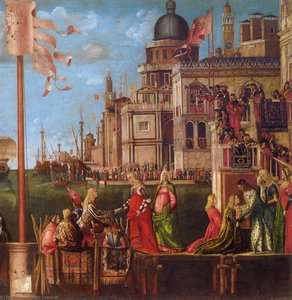
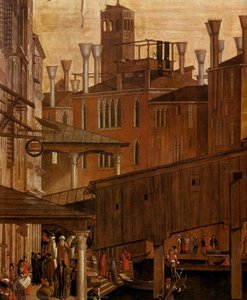
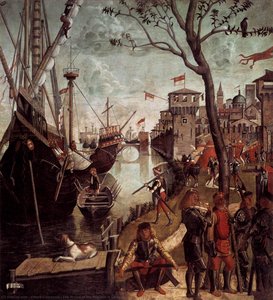
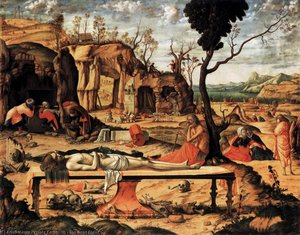
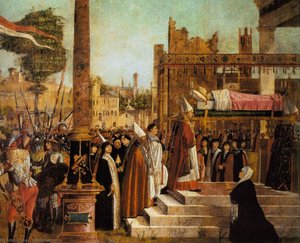
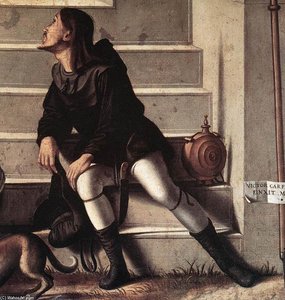
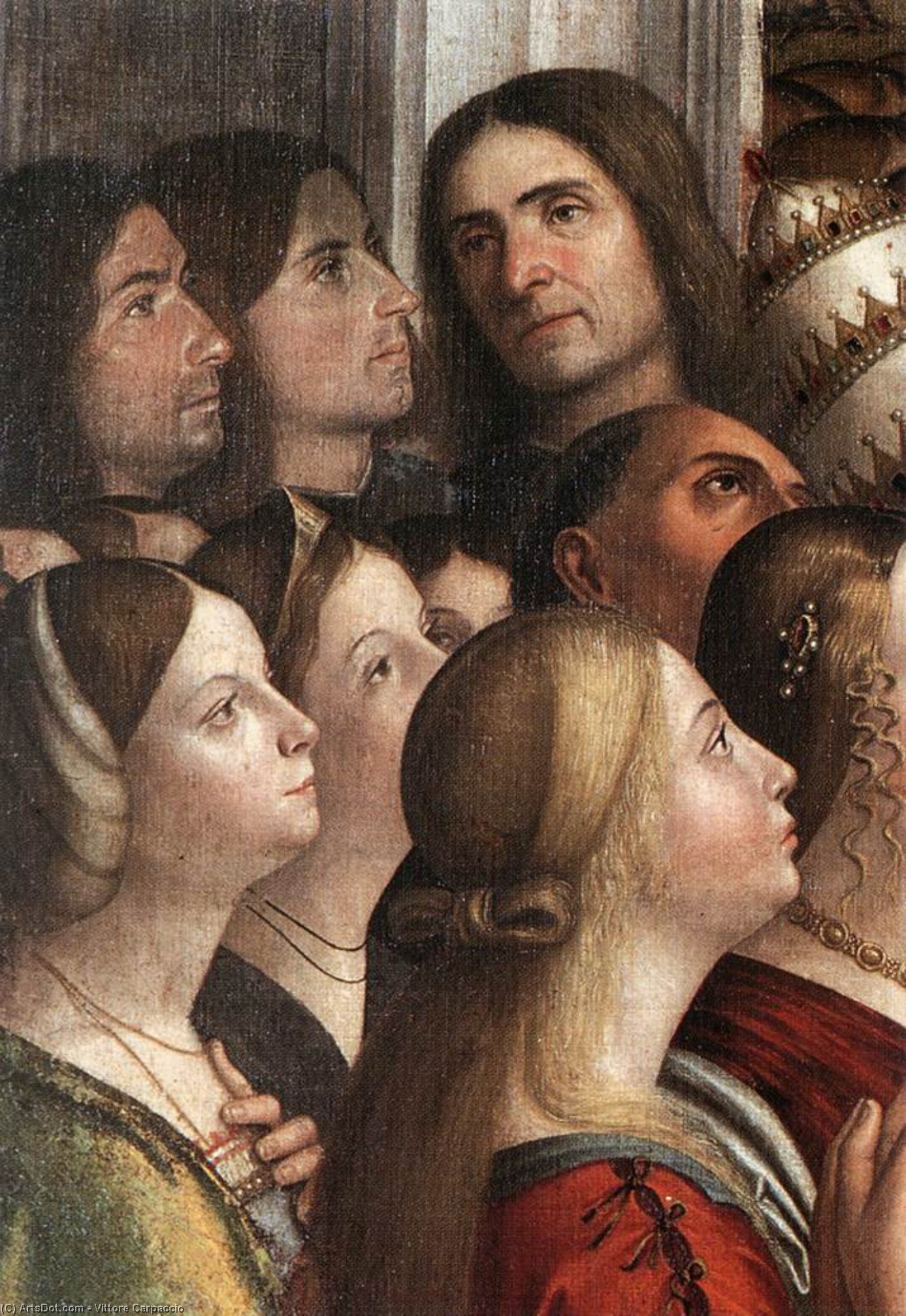
Apotheosis of St Ursula (detail)


 Read More
Hand Made Oil Reproduction
Hand-painted oil on canvas in your size and frame, made to order by our artists. ( Buy Print Buy Image)




P118B $10

P118H $10

P118W $10

P438Z $10

P508JH $12

P508YH $12

P805H $10

P805Z $10

P919BZ $10

P919G $10

P919XJ $10

P959ZH $10

P968JZ $12

W106C $8

W218G $10

W218JH $8

W218Y $10

W307PJ $10

W316G $10

W316PJ $8

W316Y $10

W398PJ $8

W4111J $10

W500HY $15

W500JH $15

W692G $12

W849H $8

W940BG $15

W953PJ $8




Pick from our preset sizes that match the artwork's original proportions.

You may enter your own dimensions to fit a specific frame or space. If your selected size does not match the original image's proportions, we will either crop the artwork or extend the painting with additional hand-painted elements. A digital mockup will be sent for your approval before production begins.
Please note that the on-screen preview does not reflect the actual cropping or extension. Only the mockup will accurately show the final composition.
While custom sizes are available, we recommend selecting a dimension from the predefined list to preserve the original proportions.
After order, ArtsDot.com team will email client for instructions and provide a mockup preview
Worldwide Delivery () in 3/4 weeks instead of standard 5 weeks. (16 August). No compromise on quality.

Free Worldwide Express Shipping

High-Quality Linen Canvas

Full Shipping Insurance

Customs Tax Refund Guarantee

True Color Matching Guarantee

60-Day Return Policy (Defects Only)

100% Money-Back Guarantee

Bulk Discount Offer
 Glass option is only available in size under 110 CM

Apotheosis of St Ursula (detail)
Reproduction Medium
Reproduction Size
-


Total Price
$ 263
Artwork Description
The Vision of Saint Ursula’s Ascension
Vittore Carpaccio's "Apotheosis of St. Ursula," a pivotal work from 1491 housed within the Gallerie dell’Accademia in Venice, isn’t merely a painting; it’s a meticulously crafted narrative tapestry woven with threads of religious devotion, Venetian grandeur, and the burgeoning humanist spirit of the Renaissance. The scene unfolds as a luminous ascension – St. Ursula, revered as the patron saint of purity and virginity, is depicted being carried aloft by angels, surrounded by her companions, martyrs who sacrificed their lives for their faith. Carpaccio masterfully captures this pivotal moment, not with stark realism but with a carefully orchestrated balance of detail, emotion, and symbolic weight. The composition draws the eye inward, guiding it through a throng of figures, each imbued with a distinct presence and contributing to the overall sense of awe and reverence.
Carpaccio’s Venetian style is immediately recognizable – a deliberate departure from the increasingly linear perspective favored by his contemporaries like Bellini. Instead, he embraces a more flattened space, prioritizing clarity of form and narrative progression. The figures are rendered with a remarkable attention to costume and gesture, reflecting the wealth and social standing of those depicted. Note the elaborate robes, the jewels adorning the women, and the dignified bearing of the men – all hallmarks of Venetian aristocratic life. Yet, beneath this surface splendor lies a profound spiritual depth, conveyed through subtle expressions and gestures that hint at the sacrifices made in the name of faith.
A Symphony of Color and Light
The painting’s palette is rich and vibrant, characteristic of Carpaccio's approach. Deep reds dominate the drapery, conveying both passion and nobility, while blues and greens provide a sense of depth and atmosphere. The use of light is particularly striking – it doesn’t simply illuminate the scene; it sculpts the forms, creating a three-dimensional effect that draws the viewer into the heart of the narrative. Carpaccio skillfully employs chiaroscuro—the dramatic contrast between light and shadow—to highlight key figures, such as St. Ursula herself, whose serene expression embodies both humility and triumph. The overall effect is one of luminous intensity, elevating the scene to a realm beyond the earthly.
The artist’s technique reveals a meticulous attention to detail. Each figure is rendered with painstaking precision, from the folds of their garments to the delicate features of their faces. Carpaccio's brushwork is visible in places, adding texture and dynamism to the composition. He demonstrates an understanding of anatomy and drapery that belies his time, creating figures that are both believable and captivating. The background architecture—columns, arches, and vaulted ceilings—further enhances the sense of grandeur and reinforces the painting’s Venetian setting.
Symbolism and Spiritual Resonance
Beyond its visual beauty, “Apotheosis of St. Ursula” is laden with symbolism. The angels carrying St. Ursula represent divine grace and protection, while the surrounding figures embody the virtues associated with her life – purity, chastity, and sacrifice. The inclusion of various saints and martyrs underscores the universality of faith and the enduring power of spiritual devotion. Even seemingly minor details—such as the flowers adorning the figures’ hair or the musical instruments in the background—carry symbolic weight, contributing to the painting's rich tapestry of meaning.
The painting’s historical context is crucial to understanding its significance. Created during a period of intense religious fervor and political instability, “Apotheosis of St. Ursula” reflects the anxieties and aspirations of Renaissance Venice. The city was grappling with challenges posed by the Ottoman Empire and internal conflicts, yet it remained a vibrant center of art, commerce, and culture. Carpaccio’s painting serves as a testament to the enduring power of faith in the face of adversity, offering a vision of spiritual transcendence that resonated deeply with his contemporaries.
A Legacy of Venetian Art
Vittore Carpaccio's "Apotheosis of St. Ursula" stands as a remarkable achievement in Venetian Renaissance painting. It’s a work that seamlessly blends religious devotion, artistic skill, and symbolic richness, creating an experience for the viewer that is both visually stunning and intellectually stimulating. Reproductions capture only a fraction of the original's luminous quality and intricate detail, but they offer a valuable opportunity to appreciate the genius of this master artist. The painting’s enduring appeal lies in its ability to transport us to another time and place, inviting us to contemplate the mysteries of faith, beauty, and human existence.
Related Artworks





Artist Biography
early life and training
vittore carpaccio, a prominent italian painter, was born in venice around 1465. he studied under the tutelage of gentile bellini, a renowned artist of the venetian school. this apprenticeship laid the foundation for carpaccio's future success.artistic style and influences
carpaccio's style was characterized by its conservative nature, showing minimal influence from the humanist trends that transformed italian renaissance painting during his lifetime. his work was influenced by antonello da messina's style and early netherlandish art. this unique blend of styles resulted in a distinctive approach to venetian painting.notable works
- the legend of saint ursula, a cycle of nine paintings, is carpaccio's most famous work. this series, now housed in the gallerie dell'accademia, showcases his mastery of narrative painting.
- glory of st. ursula altarpiece (1491) demonstrates carpaccio's skill in capturing light and color, reminiscent of giovanni bellini's style.
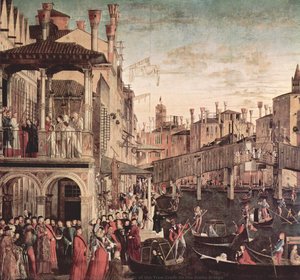
- miracle of the relic of the cross at the ponte di rialto (1494) highlights carpaccio's ability to balance composition and narrative.
career highlights and legacy
- carpaccio's principal works were executed between 1490 and 1519, ranking him among the early masters of the venetian renaissance.
- his orientalist style, as seen in st. george baptizing the selenites, reflects a new fascination with the levant.
- carpaccio's work has been somewhat overlooked in comparison to his contemporaries, such as giovanni bellini or giorgione.
references and further reading
discover more about vittore carpaccio and the venetian school on ArtsDot.
Vittore Carpaccio
1465 - 1526 , Italy
Quick Facts
- Artistic Movement Or Style: Early Venetian Renaissance
- Artists Or Movements Influenced By This Artist: ['Early Netherlandish Painting']
- Artists Who Influenced This Artist:
- Antonello da Messina
- Gentile Bellini
- Date Of Birth: Venice, Italy (c. 1465)
- Date Of Death: 1526
- Full Name: Vittore Carpaccio
- Nationality: Italian
- Notable Artworks:
- The Legend of Saint Ursula
- Glory of St. Ursula Altarpiece
- Miracle of the Relic of the Cross at the Ponte di Rialto
- Place Of Birth: Venice
Related Articles

The Dramatic Flourish: Exploring the Baroque Movement's Enduring Legacy in Art History
Explore the dramatic world of Baroque art! Discover iconic artists like Caravaggio & Rubens, defining techniques, and its lasting impact on art history. Expert insights for collectors & enthusiasts at ArtsDot.
Cultivating Paradise: A Historical & Artistic Exploration of Gardens in Painting
Explore the rich history of gardens in painting! Discover masterpieces from Renaissance to Impressionism & beyond. Learn about symbolism, artists like Monet & Klimt, and find your perfect artwork at ArtsDot.

Baroque Masterpieces: 10 Paintings That Defined an Era |
Journey through the drama & grandeur of Baroque art! Explore 10 masterpieces by Caravaggio, Rembrandt, Rubens & more. Discover stunning oil paintings, rich colors & timeless stories. Find museum-quality reproductions at .

Peter Paul Rubens: A Baroque Master's Life, Legacy & Enduring Influence
Discover the life & art of Peter Paul Rubens, the most influential artist of the Flemish Baroque tradition. Explore his masterpieces, legacy, and impact on art history with ArtsDot.

Baroque Drama: Bringing Opulence & Emotion into Contemporary Interiors
Explore the opulent world of Baroque interior design! Discover key elements, modern applications & how to bring dramatic elegance into your home with 's authentic reproductions.