 Preview
 Send
Send Share
Share
 Details

 Download
 Similars
 X-Ray
X-Ray Diaporama
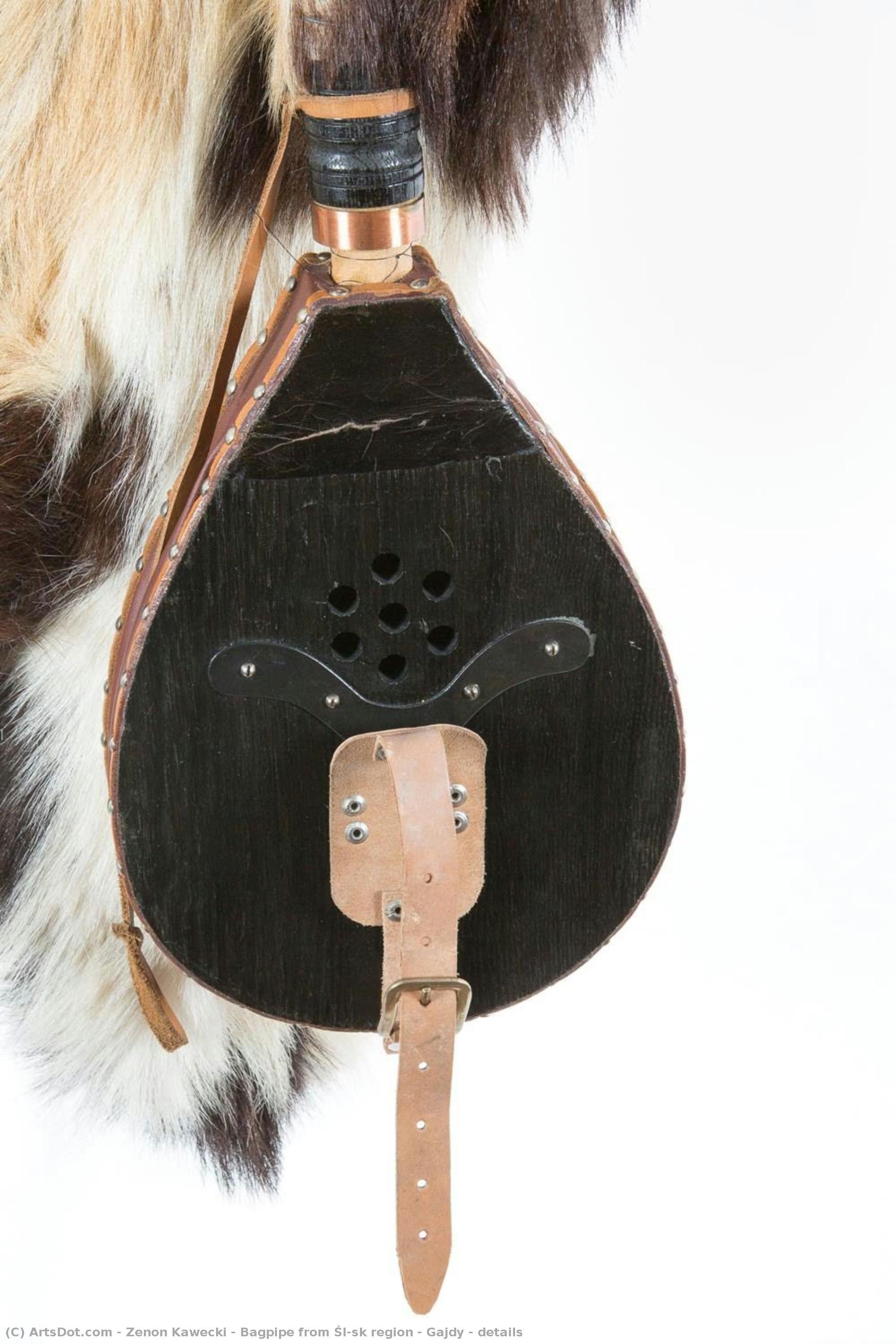
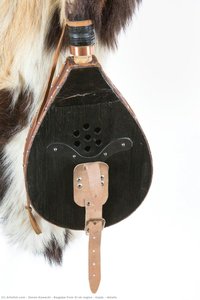
Bagpipe from Śląsk region - Gajdy - details


 Read More
Giclée / Art Print
Museum-quality giclée or canvas print with fast production and flexible finish options. ( Buy Hand Made Painting Buy Image)




































Pick from our preset sizes that match the artwork's original proportions.

You may enter your own dimensions to fit a specific frame or space. If your selected size does not match the original image's proportions, we will either crop the artwork or extend the image with a mirrored or solid-fill edge. A digital mockup will be sent for your approval before production begins.
Please note that the on-screen preview does not reflect the actual cropping or extension. Only the mockup will accurately show the final composition.
While custom sizes are available, we recommend selecting a dimension from the predefined list to preserve the original proportions.
Worldwide Delivery () in 2 weeks instead of standard 4/5 weeks. (22 August)

Free Worldwide Express Shipping

High-Quality Linen Canvas

Full Shipping Insurance

Customs Tax Refund Guarantee

True Color Matching Guarantee

60-Day Return Policy (Defects Only)

100% Money-Back Guarantee

Bulk Discount Offer
 Glass option is only available in size under 110 CM

Bagpipe from Śląsk region - Gajdy - details
Giclée / Art Print
Reproduction Size
-


Total Price
$ 63
Related Artworks



Artist Biography
Zenon Kawecki: A Voice of Śląsk’s Soul
The world of Polish folk art is rich with tradition, a vibrant tapestry woven from centuries of rural life and deeply held cultural beliefs. Within this landscape, Zenon Kawecki (1935-2013) emerged as a singular voice, capturing the essence of Śląsk – Silesia – a region steeped in coal mining history, distinctive musical traditions, and an enduring connection to its ancestral roots. Kawecki wasn’t merely an artist; he was a chronicler, a storyteller who used his sculptures, primarily focused on the iconic bagpipe (gajda), to breathe life into the spirit of his homeland.
Born in Poland, Kawecki's artistic journey began with a fascination for the traditional crafts and rural scenes of Śląsk. The region’s industrial past – its heavy reliance on coal mining – profoundly shaped the landscape and, consequently, the identity of its people. This atmosphere of both hardship and resilience found its way into his work, imbuing each piece with a palpable sense of history and emotion. Early influences included the intricate woodcarvings common in the region’s villages and the powerful melodies of the Śląsk bagpipe itself – an instrument deeply intertwined with local identity and storytelling.
The Gajda: A Symbol of Identity
Kawecki's most celebrated work revolves around the *gajda*, a unique type of bagpipe found primarily in Śląsk. Unlike many European bagpipes, the Śląsk gajda is typically constructed from wood and features a distinctive bellows system that allows for a remarkably powerful and resonant sound. It’s more than just an instrument; it's a cultural artifact, carrying within its pipes the stories of generations past. Kawecki didn’t simply replicate existing designs; he meticulously studied and refined them, striving to capture not only their physical form but also the very soul of the gajda.
His depictions often showcase the instrument in intimate settings – a weathered hand holding it close, a musician lost in the music, or a group gathered around sharing stories. The detail is astonishing; you can almost feel the grain of the wood, hear the breath drawn into the bellows, and sense the emotion conveyed through the music. The photographs he took documenting these scenes are particularly poignant, offering a rare glimpse into the lives of Śląsk’s rural communities.
Technique and Materials
Kawecki's skill lay not only in his artistic vision but also in his mastery of materials. He primarily worked with wood – often locally sourced birch or pine – transforming it through a combination of carving, sculpting, and sometimes even applying natural stains to achieve the desired textures and tones. His sculptures are remarkably tactile; they invite close inspection, revealing the subtle nuances of his craft.
He wasn’t afraid to incorporate elements of traditional folk decoration into his work – intricate patterns reminiscent of embroidery or woven textiles. This blending of techniques reflects his deep respect for the region's artistic heritage and his desire to create pieces that felt both authentic and visually compelling. The photographs he took, particularly those documenting the construction process, reveal a meticulous attention to detail, showcasing his dedication to preserving traditional methods.
Legacy and Significance
Zenon Kawecki’s work transcends mere artistic representation; it serves as a vital record of Śląsk's cultural identity. His sculptures have become increasingly recognized for their historical significance, offering valuable insights into the region’s past and its enduring traditions. His images of the gajda are now considered iconic representations of Śląsk folk culture, frequently used in educational materials and exhibitions.
Kawecki's legacy extends beyond his individual creations. He championed the preservation of traditional crafts and musical practices within Śląsk, ensuring that these vital elements of Polish heritage would continue to thrive. His work stands as a testament to the power of art to capture and celebrate the soul of a people – a voice echoing from the heart of Śląsk for generations to come.
zenon kawecki
1935 - 2013 , Poland
Quick Facts
- Artistic Movement Or Style: Folk art, Sculpture
- Date Of Birth: 1935
- Date Of Death: 2013
- Full Name: Zenon Kawecki
- Nationality: Polish
- Notable Artworks: ['Bagpipe from Śląsk region']
- Place Of Birth: Poland
Related Articles

Monochrome Visions: Exploring the Aesthetic & Historical Significance of Black & White Photography
Explore the rich history & artistic power of black and white photography. From early techniques to iconic masters like Ansel Adams, discover why monochrome continues to captivate art lovers today. Expert insights for collectors.

Beyond the Lens: Photography's Enduring Influence on Modern & Contemporary Art
Explore photography's pivotal role in shaping modern & contemporary art. Discover key movements, influential artists like Stieglitz, and expert collecting advice from ArtsDot.
Harmonies on Canvas: Exploring the Visual Representation of Music in Art History
Explore the fascinating history of music's visual representation in art! From ancient symbolism to modern abstraction, discover how artists have captured sound and emotion on canvas. Expert insights & stunning examples.
Pictorialism: A Search for Artistic Photography's Soul – Aesthetics, Techniques & Legacy
Explore the captivating world of Pictorialism – a pivotal movement that transformed photography into fine art. Discover key artists like Stieglitz & Käsebier, techniques, and collecting tips from experts.

Witnessing History Through Lens & Light: Documentary Photography's Enduring Legacy
Explore the powerful history of documentary photography – from its origins to contemporary masters like Gordon Parks & W. Eugene Smith. Discover how this art form shapes our understanding of society and witness pivotal moments in time.