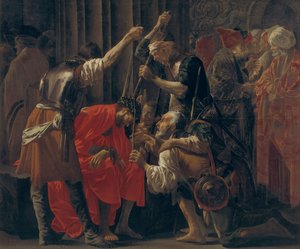
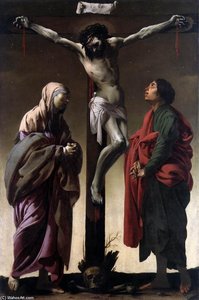
Early Life & Training: The Foundations of Ter Brugghen's Artistic Vision
 The Kremer Collection
Discover the Kremer Collection in Amsterdam! Explore Dutch & Flemish Old Masters like Rembrandt and Hals. Experience immersive VR exhibits & Caravaggism art in this exclusive private collection.
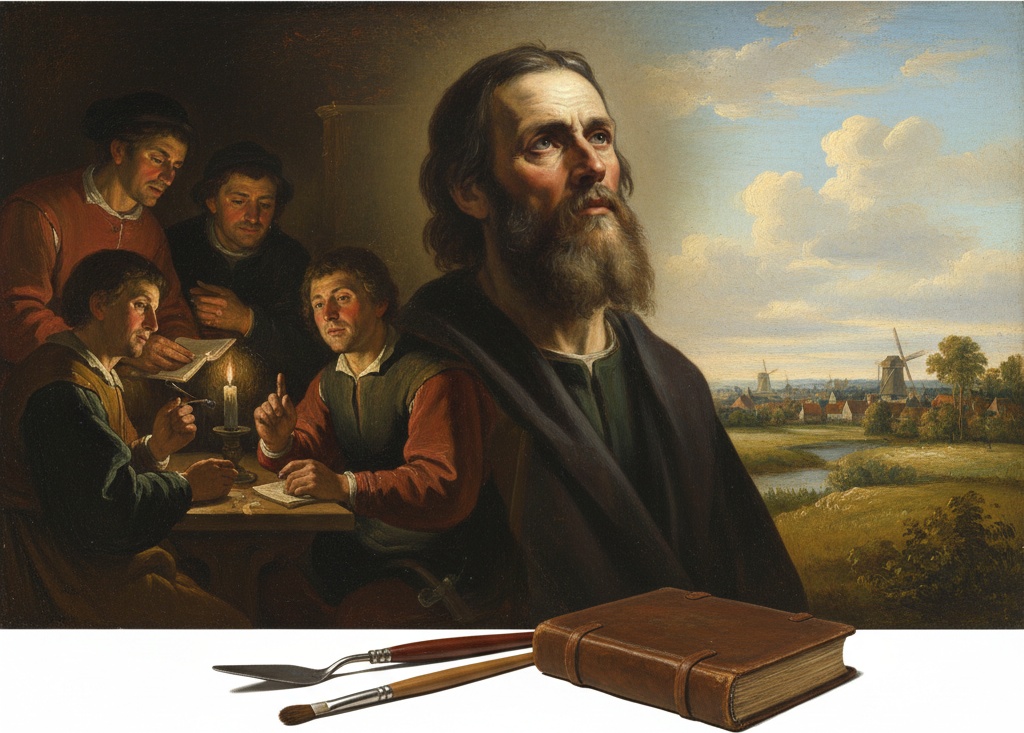
Hendrick Jansz ter Brugghen, born in The Hague in 1588, emerged during a period of immense artistic ferment in the Netherlands. While biographical details remain scarce – a common fate for artists of this era before widespread documentation – we can piece together a narrative of formative influences that shaped his distinctive style. His father’s position as secretary to the Court of Utrecht provided a degree of stability and likely exposure to cultured environments, though not necessarily direct artistic patronage in his youth. Ter Brugghen's initial training took place under Abraham Bloemaert, a prominent Mannerist painter whose emphasis on detailed drawing and allegorical compositions would have laid a crucial foundation. However, the rigid formality of the Mannerist tradition proved insufficient for the burgeoning artist’s temperament; he sought something more visceral, more immediate—a path that ultimately led him to Rome.
The Roman Influence: Embracing Caravaggio’s Dramatic Style
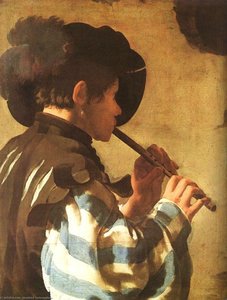 the flute player, staatliche kunstsammlunge
Hendrick Terbrugghen’s "The Flute Player" (1621) – a dramatic Baroque portrait of a young boy. Explore its chiaroscuro lighting, classical realism & Caravaggio influence at Staatliche Kunstsammlungen.
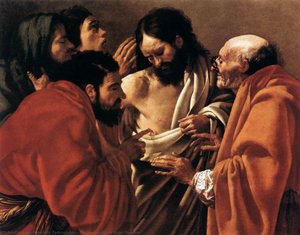
Around 1604, Ter Brugghen embarked on a transformative journey to Rome, a city then pulsating with the revolutionary energy of Michelangelo Merisi da Caravaggio. This sojourn proved pivotal. Unlike many Northern artists who merely absorbed stylistic elements from afar, Ter Brugghen immersed himself in the heart of Caravaggio’s world. He didn't simply copy; he *internalized* the master’s radical approach to realism, his dramatic use of chiaroscuro – the stark contrast between light and shadow—and his unflinching portrayal of human emotion. Caravaggio’s influence wasn’t merely technical; it was a philosophical shift. Ter Brugghen abandoned the idealized forms of Mannerism in favor of depicting figures with raw, almost brutal honesty, often drawn from everyday life. This embrace of naturalism, coupled with the theatrical lighting, would become the hallmark of his early Roman works.
Utrecht Caravaggism: A Dutch Interpretation of Italian Baroque
 Wikipedia: Hendrick ter Brugghen
Hendrick Jansz ter Brugghen (or Terbrugghen; 1588 – 1 November 1629) was a Dutch painter of genre scenes and religious subjects. He was one of the Dutch followers of Caravaggio – the so-called Utrecht Caravaggisti. Along with Gerrit van Hondhorst an...
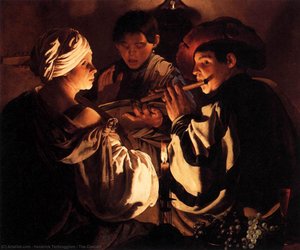
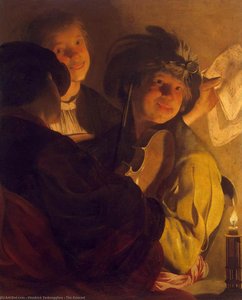
Returning to Utrecht around 1614, Ter Brugghen didn’t simply replicate what he had learned in Rome. He became a central figure in the development of Utrecht Caravaggism, a distinctly Dutch interpretation of the Italian Baroque style. Alongside Gerrit van Hondhorst and Dirck van Baburen, he established a new artistic vocabulary that resonated with the Protestant sensibilities of the Netherlands. While sharing Caravaggio’s tenebrism—that powerful use of shadow—the Utrecht painters often infused their works with a greater sense of psychological depth and narrative clarity. Ter Brugghen's paintings from this period frequently depict scenes of everyday life – musicians, card players, drinkers – elevated through dramatic lighting and carefully observed detail. His “Singing Boy” (1627) exemplifies this approach; the youthful figure is bathed in a golden light, his expression both innocent and subtly knowing, drawing the viewer into an intimate moment.
Spiritual Depth and Narrative Power in Ter Brugghen’s Paintings
Despite focusing on genre scenes, Ter Brugghen's work was rarely devoid of spiritual undertones. Even seemingly mundane subjects were often imbued with symbolic meaning, reflecting the religious climate of the Dutch Golden Age. His depictions of biblical stories, such as “The Flute Player” (1621), are characterized by a profound sense of intimacy and emotional realism. The figures aren’t presented as distant saints but as relatable human beings grappling with faith and doubt. This ability to infuse everyday scenes with spiritual weight is what sets Ter Brugghen apart from many of his contemporaries. He wasn't merely illustrating biblical narratives; he was exploring the universal themes of humanity, redemption, and the search for meaning. The use of light isn’t just a stylistic device but a metaphor for divine grace illuminating the darkness.
Ter Brugghen’s Later Works & Evolving Artistic Approach
As Ter Brugghen matured, his style underwent subtle yet significant changes. While retaining his mastery of chiaroscuro, he began to experiment with a broader range of colors and compositions. His later works often feature more complex arrangements and a greater emphasis on psychological nuance. The figures become less overtly dramatic, their emotions conveyed through subtler gestures and expressions. This shift suggests a growing interest in exploring the inner lives of his subjects, moving beyond mere surface realism to delve into the complexities of human experience. Though his life was tragically cut short in 1629 at the age of 41, likely due to plague, his artistic legacy remained strong.
Legacy and Influence: The Enduring Impact of a Golden Age Master
Hendrick Ter Brugghen’s influence extended far beyond his immediate circle. He played a crucial role in establishing Dutch Baroque painting as a distinct force in the European art world. His dramatic use of light, his unflinching realism, and his ability to infuse everyday scenes with spiritual depth continue to resonate with viewers today. His work paved the way for later generations of Dutch masters, including Rembrandt van Rijn and Frans Hals, who built upon his innovations. Today, Ter Brugghen’s paintings are highly sought after by collectors and museums worldwide, a testament to his enduring artistic vision. At ArtsDot.com, we celebrate the beauty and power of Ter Brugghen's work through high-quality reproductions that capture the essence of this Golden Age master.