 Preview
 Send
Send Share
Share
 Details

 Download
 Similars
 X-Ray
X-Ray Diaporama
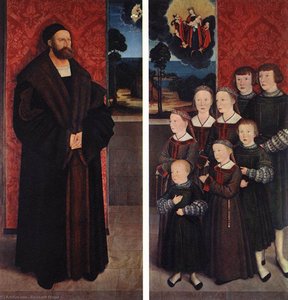
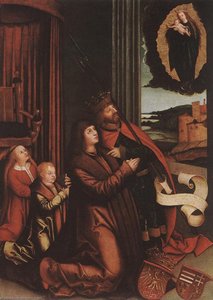
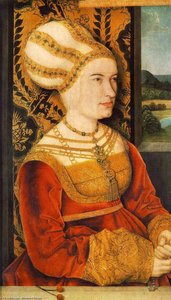
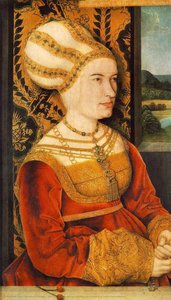
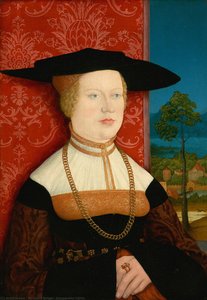
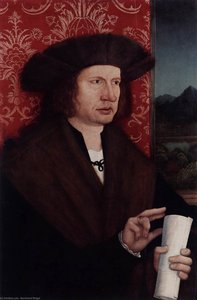
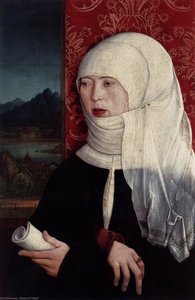
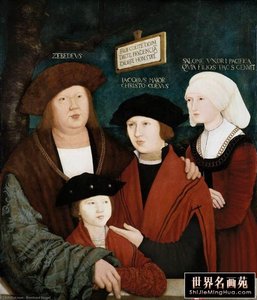
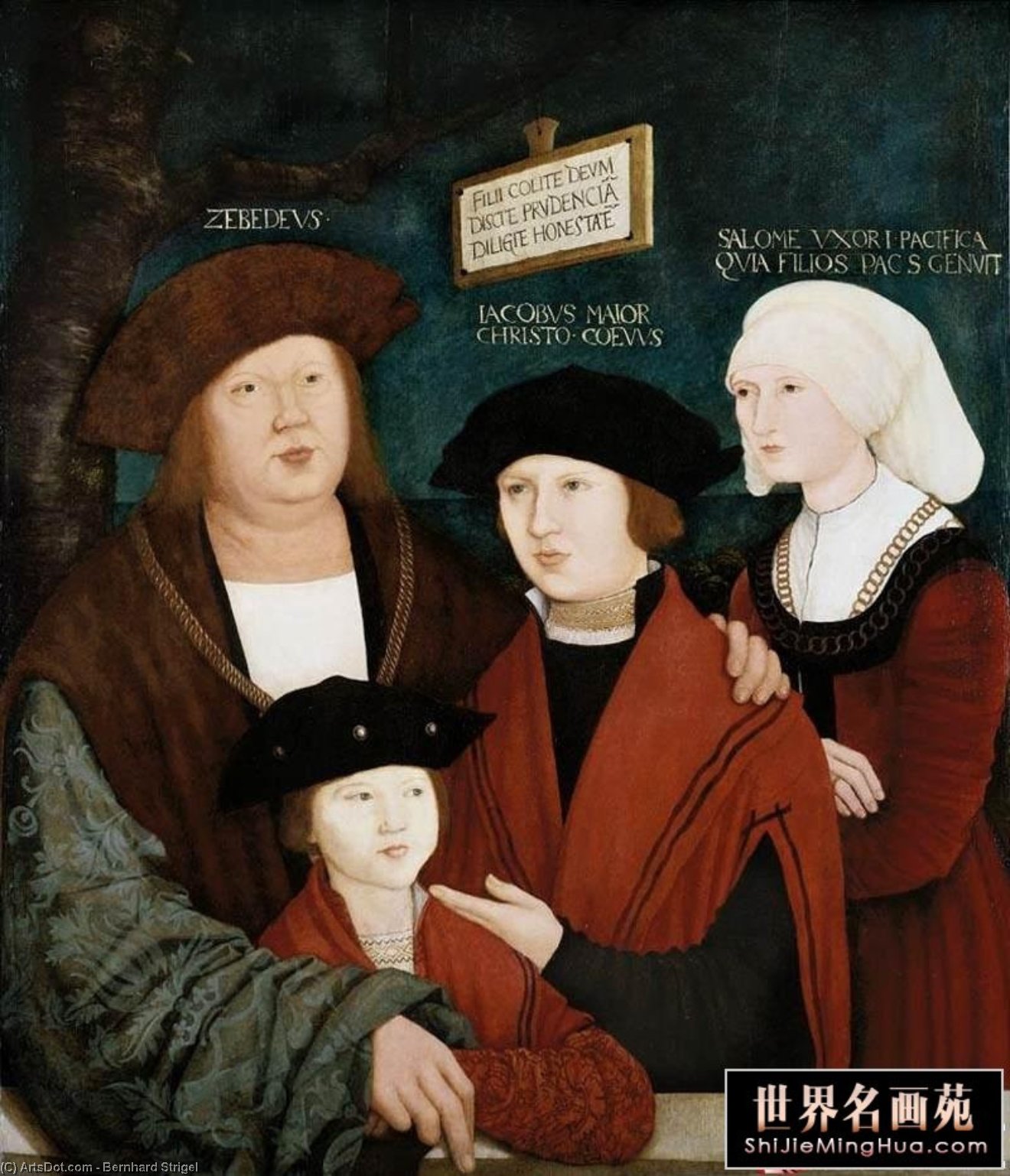
Portrait of the Cuspinian Family
 Oil On Panel
- Renaissance
 1520
1520- Renaissance
 71.0 x 62.0 cm
 Read More
Hand Made Oil Reproduction
Hand-painted oil on canvas in your size and frame, made to order by our artists. ( Buy Print Buy Image)




P118B $10

P118H $10

P118W $10

P438Z $10

P508JH $12

P508YH $12

P805H $10

P805Z $10

P919BZ $10

P919G $10

P919XJ $10

P959ZH $10

P968JZ $12

W106C $8

W218G $10

W218JH $8

W218Y $10

W307PJ $10

W316G $10

W316PJ $8

W316Y $10

W398PJ $8

W4111J $10

W500HY $15

W500JH $15

W692G $12

W849H $8

W940BG $15

W953PJ $8




Pick from our preset sizes that match the artwork's original proportions.

You may enter your own dimensions to fit a specific frame or space. If your selected size does not match the original image's proportions, we will either crop the artwork or extend the painting with additional hand-painted elements. A digital mockup will be sent for your approval before production begins.
Please note that the on-screen preview does not reflect the actual cropping or extension. Only the mockup will accurately show the final composition.
While custom sizes are available, we recommend selecting a dimension from the predefined list to preserve the original proportions.
After order, ArtsDot.com team will email client for instructions and provide a mockup preview
Worldwide Delivery () in 3/4 weeks instead of standard 5 weeks. (26 August). No compromise on quality.

Free Worldwide Express Shipping

High-Quality Linen Canvas

Full Shipping Insurance

Customs Tax Refund Guarantee

True Color Matching Guarantee

60-Day Return Policy (Defects Only)

100% Money-Back Guarantee

Bulk Discount Offer
 Glass option is only available in size under 110 CM

Portrait of the Cuspinian Family
Reproduction Medium
Reproduction Size
-


Total Price
$ 263
Artwork Description
A Symphony of Red: The Intimacy of the Cuspinian Family
In the quiet, luminous corridors of the German Renaissance, few works capture the tender pulse of domestic life as poignantly as Bernhard Strigel’s Portrait of the Cuspinian Family. Painted in 1520, this exquisite oil on panel serves as a window into a bygone era, inviting the viewer to witness a moment of profound connection. The composition centers on four figures—two men and two women—whose lives are woven together through a shared palette of vibrant, commanding reds. This choice of color is far from accidental; the crimson hues bathe the family in a warmth that transcends the centuries, creating an atmosphere of deep intimacy and familial heat. As one gazes upon the arrangement, there is an undeniable sense of togetherness, a feeling that we are not merely observing a portrait, but eavesdropping on a private moment of love and stability.
The technical mastery of Strigel is on full display through his meticulous attention to detail and his ability to manipulate light. As a prominent figure of the Swabian School, Strigel possessed a unique talent for bridging the delicate, intricate traditions of the Gothic era with the emerging clarity and anatomical realism of the Renaissance. In this piece, every fold of the heavy red garments and every subtle expression on the faces of the Cuspinian members is rendered with breathtaking precision. The artist uses light not just to define form, but to sculpt emotion, casting soft shadows that lend depth to the subjects' features and highlighting the textures of their attire. For the discerning collector or interior designer, such detail ensures that a reproduction of this work brings a sophisticated, tactile richness to any space.
Beyond its aesthetic brilliance, the painting carries significant historical and symbolic weight. Created during a period of great transition in Europe, the portrait stands as a testament to the rising prominence of the merchant and noble classes who sought to immortalize their lineages through art. The presence of a child within the group adds a layer of continuity and hope, symbolizing the endurance of the family bloodline. When compared to the divine grace found in Raphael’s works, Strigel’s approach feels more grounded and human, focusing on the earthly bonds of kinship rather than the celestial. It is this profound humanity—the ability to see the soul within the family unit—that makes the Portrait of the Cuspinian Family an enduring masterpiece.
For those looking to infuse their homes with a sense of history and emotional warmth, this artwork offers unparalleled inspiration. A high-quality hand-painted reproduction allows the vibrant energy of Strigel’s red palette to become a focal point in a room, acting as both a conversation piece and a source of contemplative calm. Whether placed in a grand library or a contemporary living space, the painting radiates a timeless elegance that honors the enduring power of human connection.
Related Artworks
Artist Biography
The Luminous Legacy of Bernhard Strigel
In the heart of the Swabian landscape, during a period when the medieval world was beginning to yield to the dawn of the Renaissance, Bernhard Strigel emerged as a master of light and human presence. Born in Memmingen around 1461, Strigel did not merely paint figures; he breathed life into them through a meticulous command of color and form. His journey was one of profound artistic evolution, moving from the structured traditions of the Gothic era toward a more nuanced, observational style that would define the German Renaissance. As a pivotal figure of the Swabian School, his work serves as a vital bridge between the spiritual intensity of the Middle Ages and the humanistic clarity of the sixteenth century.
The foundations of Strigel’s genius were laid within the intimate confines of a familial workshop. Under the guidance of his father, Hans Strigel, and influenced by the esteemed master Zeitblom of Ulm, the young artist developed an eye for the minute details that characterize Northern Renaissance art. This early training instilled in him a reverence for the textures of reality—the heavy fold of a velvet robe, the subtle sheen of a pearl, and the soft glow of skin under candlelight. One can trace the echoes of masters like Rogier van der der Weyden and Dieric Bouts in his early compositions, where a sense of profound devotion meets an almost scientific precision in detail.
Imperial Favor and the Art of the Portrait
Strigel’s ascent from a regional talent to a celebrated figure of European importance was propelled by the most powerful patronage of his age: that of Emperor Maximilian I. The Emperor, a man with an insatiable appetite for imagery and historical documentation, recognized in Strigel a unique ability to capture not just the likeness, but the very essence of authority and nobility. This relationship transformed Strigel’s career, leading him on grand artistic expeditions through the cultural hubs of Augsburg, Innsbruck, and Vienna. His presence in the imperial courts allowed him to participate in the most significant political and social narratives of his time.
Perhaps his most enduring contribution to the history of portraiture lies in his role during the momentous Habsburg-Jagellon marriage negotiations. In 1515, summoned specifically to Vienna, Strigel was tasked with capturing the faces of a changing Europe. His portraits from this era are characterized by an extraordinary clarity and a psychological depth that transcends mere documentation. Through his brush, the subjects possess a quiet dignity and a luminous quality that suggests a soul peering out from behind the pigment. These works do more than record history; they humanize it, offering us an intimate window into the faces of the Renaissance elite.
A Masterpiece of Technique and Tradition
The technical brilliance of Bernhard Strigel is most evident in his mastery of luminosity. He possessed a rare ability to manipulate light so that it seemed to emanate from within the painting itself, rather than merely reflecting off its surface. This technique, combined with a sophisticated use of color palettes, allowed him to create works that felt both physically tangible and spiritually elevated. Whether he was working on large-scale historical compositions or intimate individual portraits, his commitment to precision remained unwavering.
His artistic achievements can be summarized through several key pillars of his career:
- The Synthesis of Styles: Successfully merging the meticulous detail of the Ulm school with the burgeoning naturalism of the Renaissance.
- Imperial Documentation: Serving as a primary visual chronicler for Emperor Maximilian I, capturing the faces of European royalty.
- Mastery of Color: Utilizing a vibrant and luminous palette that brought a sense of life and movement to static forms.
- Historical Significance: Acting as a crucial link in the evolution of German painting, transitioning from Gothic symbolism to Renaissance humanism.
Today, the works of Bernhard Strigel remain a testament to an era of profound transformation. His ability to capture the fleeting light of a moment and preserve it within the permanence of oil and tempera ensures that his legacy continues to resonate. To look upon a Strigel portrait is to encounter the very spirit of the Swabian Renaissance—a world where every brushstroke is an act of devotion to the beauty of the visible world.
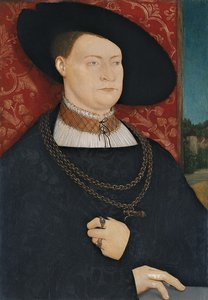
Bernhard Strigel
1461 - 1528 , Germany
Quick Facts
- Artistic Movement Or Style: Swabian School
- Artists Or Movements Influenced By This Artist:
- Danube School
- Renaissance Painting
- Artists Who Influenced This Artist:
- Zeitblom
- Hans Strigel
- Rogier van der Weyden
- Dürer
- Hans Holbein
- Date Of Birth: Memmingen, Germany (1461)
- Date Of Death: 1528
- Full Name: Bernhard Strigel
- Nationality: German
- Notable Artworks:
- Mary & Joseph with Jesus
- Emperor Maximilian I
- Portrait of Louis II of Hungary
- Saint Catherine and Dorothy
- Altarpiece of the Virgin
- Place Of Birth: Memmingen
Related Articles

Crimson Threads of Narrative: Exploring Symbolism & Representation in Artworks Featuring the Red Dress
Explore the rich symbolism of the red dress in art history! From ancient power displays to iconic portraits like Cézanne’s 'Madame Cezanne', discover the cultural and artistic significance behind this captivating color. Expert analysis & insights.
The Enduring Legacy of Family Portraiture: A Historical & Artistic Exploration
Explore the rich history of family portraiture with ArtsDot. Discover artistic styles, symbolism & collecting insights. Commission a custom oil painting or appraise your existing artwork today!
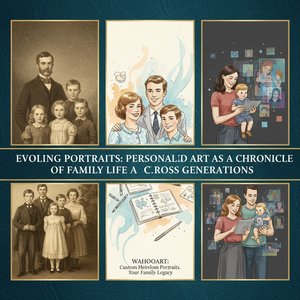
Evolving Portraits: Personalized Art as a Chronicle of Family Life Across Generations
Create a timeless family legacy with custom portraits! ArtsDot connects you with skilled artists for heirloom-quality paintings & prints. Explore styles, commission your unique artwork today.
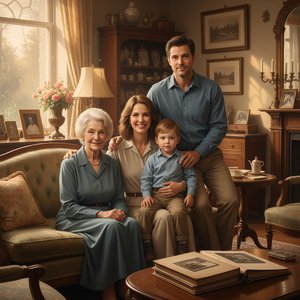
Preserving Generations: The Enduring Significance of Family Portraits as Legacy
Discover the enduring power of family portraits. Explore how commissioning a custom oil painting preserves your legacy for generations. Expert artists & heirloom quality.
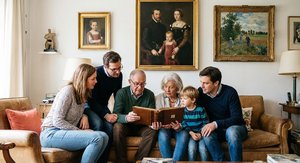
Depicting Kinship: Family Values Across Artistic Movements & Historical Contexts
Explore the rich history of depicting kinship in art! From Dutch Masters to contemporary artists, discover how family values have been represented across movements & time. Expert insights for collectors at ArtsDot.