 Preview
 Send
Send Share
Share
 Details

 Download
 Similars
 X-Ray
X-Ray Diaporama
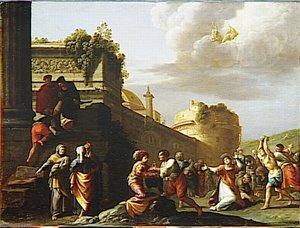
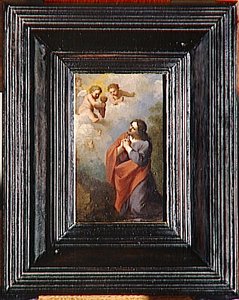
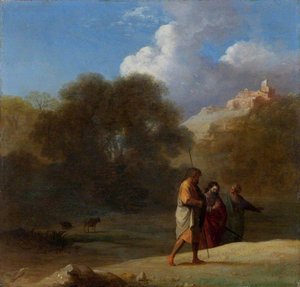
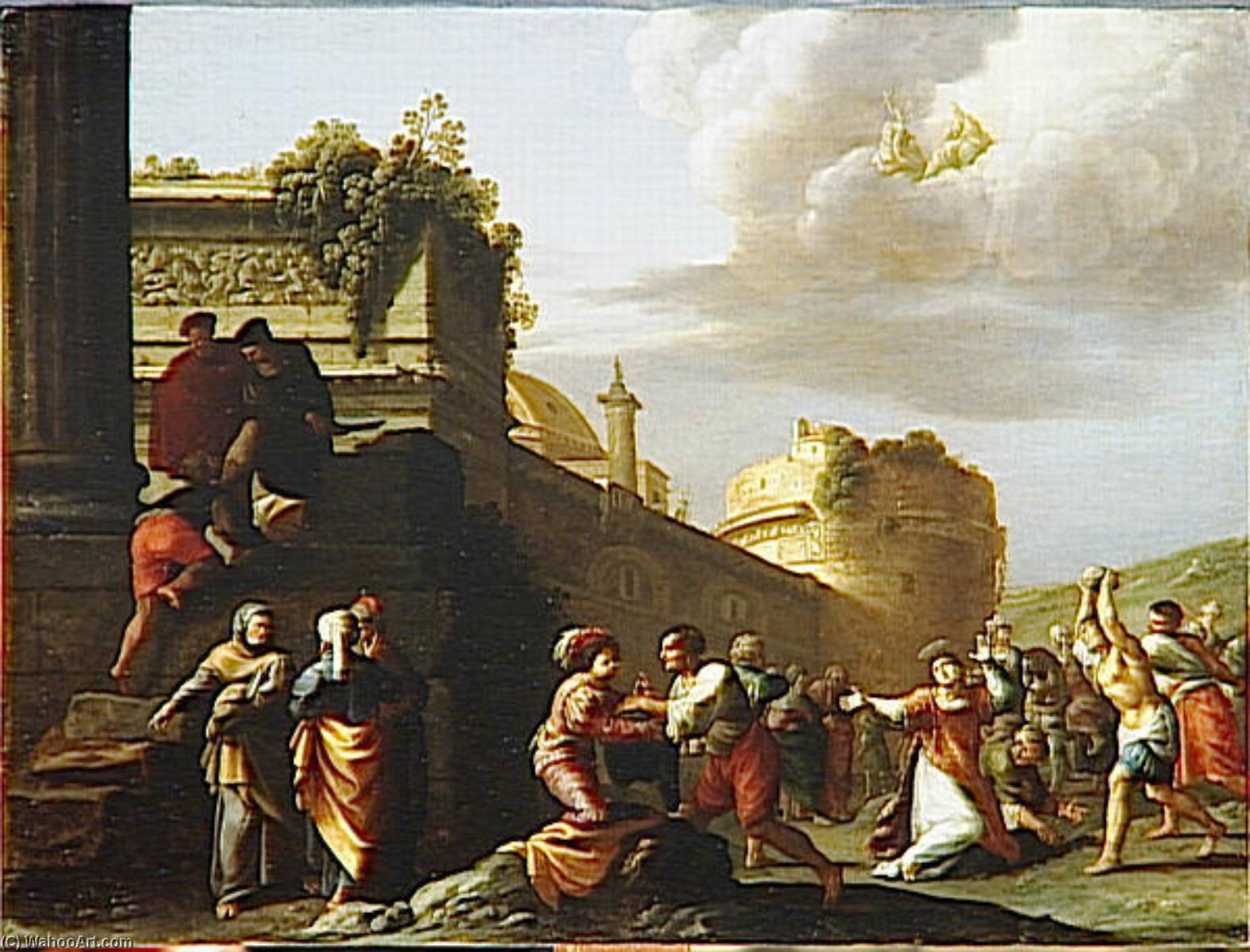
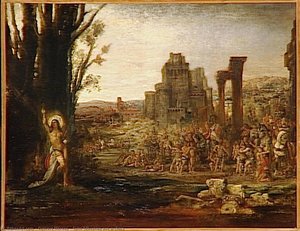
LA LAPIDATION DE SAINT ETIENNE


 Read More
Hand Made Oil Reproduction
Hand-painted oil on canvas in your size and frame, made to order by our artists. ( Buy Print Buy Image)




P118B $10

P118H $10

P118W $10

P438Z $10

P508JH $12

P508YH $12

P805H $10

P805Z $10

P919BZ $10

P919G $10

P919XJ $10

P959ZH $10

P968JZ $12

W106C $8

W218G $10

W218JH $8

W218Y $10

W307PJ $10

W316G $10

W316PJ $8

W316Y $10

W398PJ $8

W4111J $10

W500HY $15

W500JH $15

W692G $12

W849H $8

W940BG $15

W953PJ $8




Pick from our preset sizes that match the artwork's original proportions.

You may enter your own dimensions to fit a specific frame or space. If your selected size does not match the original image's proportions, we will either crop the artwork or extend the painting with additional hand-painted elements. A digital mockup will be sent for your approval before production begins.
Please note that the on-screen preview does not reflect the actual cropping or extension. Only the mockup will accurately show the final composition.
While custom sizes are available, we recommend selecting a dimension from the predefined list to preserve the original proportions.
After order, ArtsDot.com team will email client for instructions and provide a mockup preview
Worldwide Delivery () in 3/4 weeks instead of standard 5 weeks. (17 August). No compromise on quality.

Free Worldwide Express Shipping

High-Quality Linen Canvas

Full Shipping Insurance

Customs Tax Refund Guarantee

True Color Matching Guarantee

60-Day Return Policy (Defects Only)

100% Money-Back Guarantee

Bulk Discount Offer
 Glass option is only available in size under 110 CM

LA LAPIDATION DE SAINT ETIENNE
Reproduction Medium
Reproduction Size
-


Total Price
$ 263
Artwork Description
LA LAPIDATION DE SAINT ETIENNE – A Baroque Masterpiece Illuminated
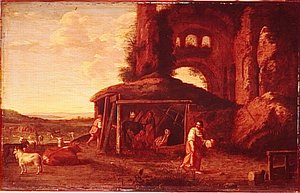
Cornelis van Poelenburgh’s “La Lapidation de Saint Étienne” stands as a testament to the fervor of the Dutch Golden Age and embodies the dramatic spirit characteristic of Baroque art. Painted circa 1630, this monumental canvas captures a pivotal biblical narrative – the martyrdom of Saint Stephen – rendered with meticulous detail and imbued with profound emotional resonance.
Subject Matter & Narrative Context: The painting depicts the gruesome execution of Saint Stephen by Roman citizens outside Jerusalem’s walls. Drawing inspiration from Acts 7, it portrays Stephen bravely proclaiming his faith before his persecutors, culminating in a violent act of injustice. Van Poelenburgh skillfully conveys the horror and pathos of this event, aligning with the broader theological concerns prevalent during the period.
Style & Technique: Executed in oil on canvas, “La Lapidation de Saint Étienne” adheres to Baroque realism—a stylistic approach prioritizing dramatic effect over strict naturalism. The artist employs a pyramidal composition, directing the viewer’s gaze towards Stephen and Christ at the center of the scene. Strong diagonal lines dominate the landscape, generating dynamism and conveying the urgency of the moment. Brushstrokes are visible, particularly in the drapery and architectural elements, contributing to textural richness and enhancing the painting's visual impact.
Color Palette & Lighting: The artwork utilizes a predominantly warm color palette—ochres, reds, and yellows—accentuated by cooler hues of blues and greens. Dramatic lighting plays a crucial role in shaping the mood, with a radiant light source illuminating Stephen and Christ, casting deep shadows that heighten the scene’s emotional intensity. This masterful use of chiaroscuro aligns perfectly with Caravaggio's influence and underscores the Baroque tradition’s commitment to conveying psychological depth.
Symbolism & Emotional Impact: Beyond its depiction of a biblical event, “La Lapidation de Saint Étienne” carries symbolic significance. Stephen represents unwavering faith confronting persecution—a motif resonating throughout Christian iconography. The landscape serves as a backdrop for the drama, symbolizing Jerusalem and reinforcing the narrative’s spiritual dimension. Ultimately, Van Poelenburgh's painting evokes feelings of sorrow, compassion, and admiration for Stephen’s courage – an enduring reminder of the human cost of religious conviction.
Historical Significance: Produced during a period marked by artistic innovation and intellectual curiosity, “La Lapidation de Saint Étienne” exemplifies the Dutch Baroque's ambition to elevate art beyond mere representation. It stands alongside other masterpieces of its era—such as Rembrandt’s “The Stoning of Saint Stephen”—demonstrating the movement’s capacity for conveying complex theological ideas with breathtaking visual artistry.
Related Artworks
Artist Biography
early life and training
cornelis van poelenburgh, a prominent dutch landscape painter, was born in utrecht, netherlands in 1594. he initially trained with abraham bloemaert, a renowned artist of the time. this foundational training laid the groundwork for van poelenburch's future success.artistic career and influences
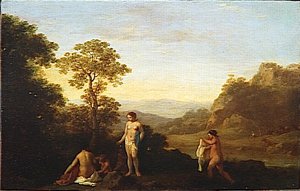
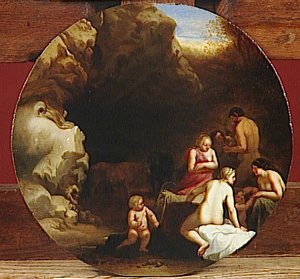
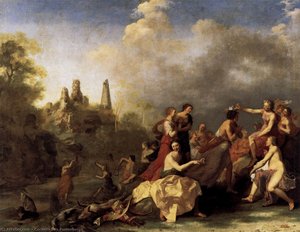
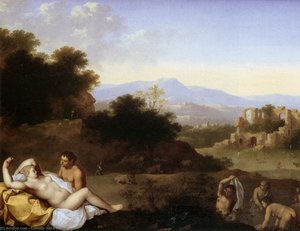
van poelenburch's travels to rome in the early 17th century significantly influenced his work, making him a leading representative of the first generation of dutch landscape painters active in italy. his small-scale paintings, often featuring italianate landscapes with small figures enacting biblical or mythological scenes, showcased his unique style. notable works:- satyrs spying on nymphs (after 1627), a characteristic example of van poelenburch's work, featuring archaic landscapes with figures bathing. (view on ArtsDot)
- council of the gods (c. 1630), a painting showcasing van poelenburch's idealized hilly landscape and roman-inspired goddesses, now housed in the mauritshuis (the hague, netherlands). (view on ArtsDot)
legacy and later life
van poelenburch's work was highly regarded by his contemporaries, including the grand duke of tuscany and the dutch stadholder. he later returned to utrecht, where he passed away in 1667, just a few years after his old teacher abraham bloemaert. key points:- born in utrecht, netherlands in 1594
- trained with abraham bloemaert
- influenced by his time in rome
- known for small-scale italianate landscapes with figures
- died in utrecht in 1667 view cornelis van poelenburch's artworks on ArtsDot learn more about cornelis van poelenburgh on wikipedia
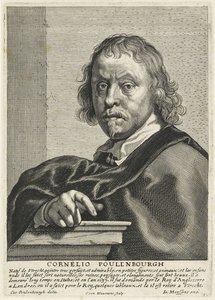
cornelis van poelenburch
1594 - 1667 , Netherlands
Quick Facts
- Artistic Movement Or Style: Dutch Landscape, Romanate
- Artists Or Movements Influenced By This Artist: ['Claude Lorraine']
- Artists Who Influenced This Artist: ['Abraham Bloemaert']
- Date Of Birth: 1594, Utrecht, Netherlands
- Date Of Death: 1667, Utrecht, Netherlands
- Full Name: Cornelis van Poelenburgh
- Nationality: Dutch
- Notable Artworks:
- Satyrs spying on nymphs
- Council of the gods
- Place Of Birth: Utrecht, Netherlands
Related Articles

Dutch Baroque Masters: 10 Paintings That Shaped an Era | ArtsDot
Journey through the Golden Age with our guide to the Top 10 Dutch Baroque masterpieces! Explore iconic paintings by Rembrandt, Vermeer & Frans Hals. Find museum-quality art reproductions and elevate your home decor at ArtsDot.com.

Golden Age Reflections: Dutch Baroque Painting & Cultural Innovation
Explore the Dutch Golden Age of painting! Discover key artists like Vermeer & ter Borch, their innovative techniques, and the rich cultural context behind these Baroque masterpieces. Learn about collecting & appreciating this iconic art period.

The Dramatic Flourish: Exploring the Baroque Movement's Enduring Legacy in Art History
Explore the dramatic world of Baroque art! Discover iconic artists like Caravaggio & Rubens, defining techniques, and its lasting impact on art history. Expert insights for collectors & enthusiasts at ArtsDot.

Baroque Masterpieces: 10 Paintings That Defined an Era |
Journey through the drama & grandeur of Baroque art! Explore 10 masterpieces by Caravaggio, Rembrandt, Rubens & more. Discover stunning oil paintings, rich colors & timeless stories. Find museum-quality reproductions at .

The Visceral Stage: Exploring Dramatic Narratives & Emotional Intensity in Baroque Art
Explore the dramatic world of Baroque art! Discover iconic masters like Caravaggio & Rembrandt, their techniques, and the movement's lasting impact. Expert insights for collectors & enthusiasts at ArtsDot.