 Preview
 Send
Send Share
Share
 Details

 Download
 Similars
 X-Ray
X-Ray Diaporama
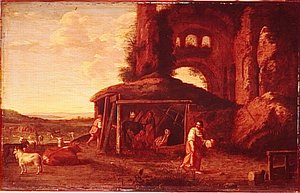
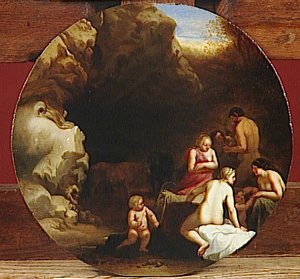
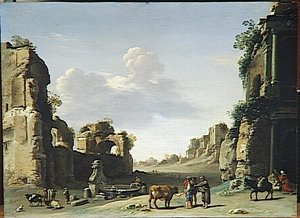
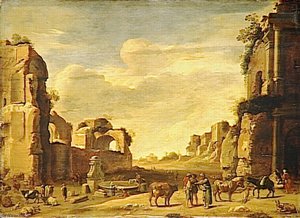
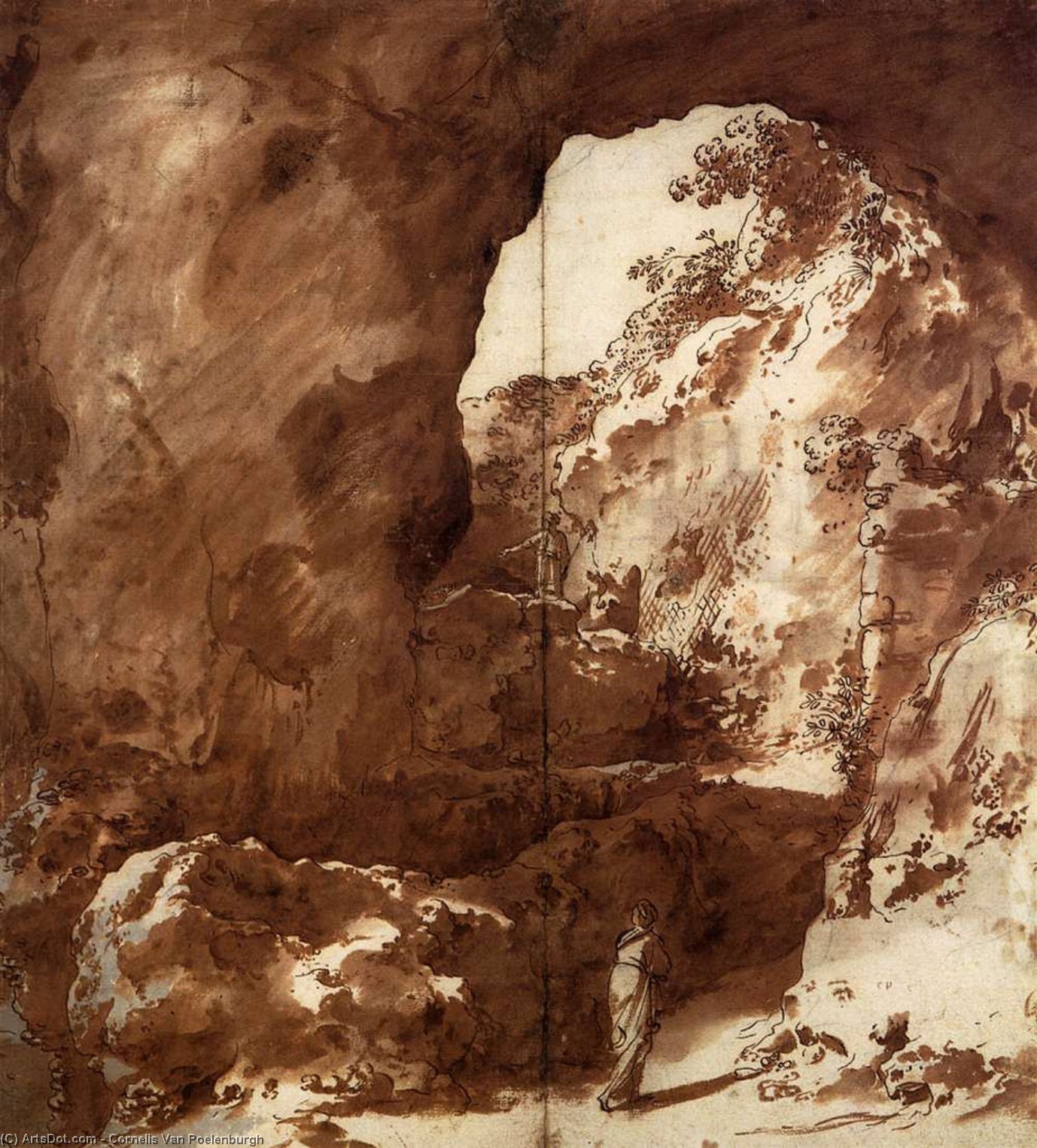
Figures beneath the Arches of a Classical Ruin
 Oil On Canvas
- WallArt
- Baroque
 1620
1620- Early Modern
 427.0 x 385.0 cm
 Rijksmuseum
 Read More
Hand Made Oil Reproduction
Hand-painted oil on canvas in your size and frame, made to order by our artists. ( Buy Print Buy Image)




P118B $10

P118H $10

P118W $10

P438Z $10

P508JH $12

P508YH $12

P805H $10

P805Z $10

P919BZ $10

P919G $10

P919XJ $10

P959ZH $10

P968JZ $12

W106C $8

W218G $10

W218JH $8

W218Y $10

W307PJ $10

W316G $10

W316PJ $8

W316Y $10

W398PJ $8

W4111J $10

W500HY $15

W500JH $15

W692G $12

W849H $8

W940BG $15

W953PJ $8




Pick from our preset sizes that match the artwork's original proportions.

You may enter your own dimensions to fit a specific frame or space. If your selected size does not match the original image's proportions, we will either crop the artwork or extend the painting with additional hand-painted elements. A digital mockup will be sent for your approval before production begins.
Please note that the on-screen preview does not reflect the actual cropping or extension. Only the mockup will accurately show the final composition.
While custom sizes are available, we recommend selecting a dimension from the predefined list to preserve the original proportions.
After order, ArtsDot.com team will email client for instructions and provide a mockup preview
Worldwide Delivery () in 3/4 weeks instead of standard 5 weeks. (17 August). No compromise on quality.

Free Worldwide Express Shipping

High-Quality Linen Canvas

Full Shipping Insurance

Customs Tax Refund Guarantee

True Color Matching Guarantee

60-Day Return Policy (Defects Only)

100% Money-Back Guarantee

Bulk Discount Offer
 Glass option is only available in size under 110 CM

Figures beneath the Arches of a Classical Ruin
Reproduction Medium
Reproduction Size
-


Total Price
$ 263
Artwork Description
The Allure of Discovery in Classical Ruins
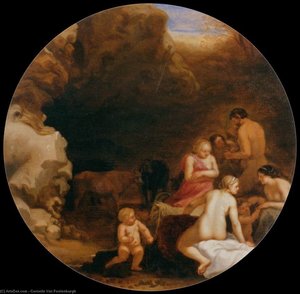
To gaze upon Figures beneath the Arches of a Classical Ruin is to step across the threshold of time itself. This magnificent canvas transports the viewer into an imagined, yet deeply evocative, corner of antiquity—a place where nature’s raw artistry meets the echoes of forgotten civilization. The scene unfolds within what appears to be a cavernous space, dominated by monumental rock formations that suggest both geological wonder and architectural decay. Here, amidst the cool, earthy embrace of stone, life persists; figures mill about, their presence suggesting a moment caught forever—a pause in an age-old journey of exploration and contemplation.
A Masterpiece of Italianate Landscape Painting
Painted around 1620 by Cornelis van Poelenburch, this work stands as a quintessential example of the Dutch fascination with Italianate landscapes. Van Poelenburch, whose travels to Rome profoundly shaped his artistic vision, masterfully blended the detailed observation of nature with the idealized grandeur inspired by classical antiquity. His technique is characterized by an intricate brushwork that lends texture to every stalactite and fold of drapery. The palette itself—rich in deep ochres, muted browns, and cool grays—enhances the natural atmosphere, making the environment feel both immense and intimately detailed. It speaks to a period when art was deeply invested in narrative settings, using landscape not merely as a backdrop, but as an active participant in the human drama.
Symbolism of Man and Nature
The grouping of figures within this ruin is rich with potential symbolism. They are explorers, perhaps scholars, or simply wanderers captivated by the sublime beauty of the natural world juxtaposed against man-made decay. The central rock formation acts as a powerful focal point—a monument to deep time. In art history, such ruins often symbolize the transience of human endeavor compared to the enduring power of nature and the passage of epochs. The figures themselves seem engaged in quiet discovery, suggesting themes of enlightenment, mythic narrative, or simply humanity’s persistent yearning to uncover secrets hidden beneath the surface.
Creating an Atmosphere for Your Space
For the discerning collector or interior designer, this reproduction offers more than just a painting; it offers an atmosphere. Imagine this scene brought into your drawing-room or study—a visual portal that whispers tales of Roman villas and subterranean mysteries. The deep, grounding tones of the piece allow it to anchor a room, providing a sense of timeless gravitas. Owning a work echoing Van Poelenburch’s vision allows one to infuse a space with the romance of discovery, making any gathering feel imbued with cultured contemplation.
Related Artworks

Artist Biography
early life and training
cornelis van poelenburgh, a prominent dutch landscape painter, was born in utrecht, netherlands in 1594. he initially trained with abraham bloemaert, a renowned artist of the time. this foundational training laid the groundwork for van poelenburch's future success.artistic career and influences
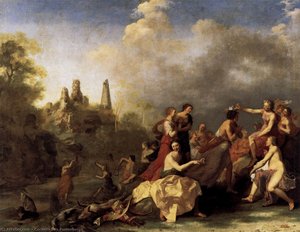
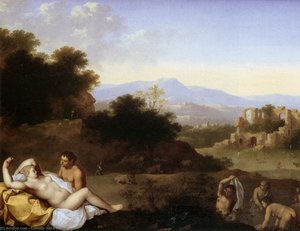
van poelenburch's travels to rome in the early 17th century significantly influenced his work, making him a leading representative of the first generation of dutch landscape painters active in italy. his small-scale paintings, often featuring italianate landscapes with small figures enacting biblical or mythological scenes, showcased his unique style. notable works:- satyrs spying on nymphs (after 1627), a characteristic example of van poelenburch's work, featuring archaic landscapes with figures bathing. (view on ArtsDot)
- council of the gods (c. 1630), a painting showcasing van poelenburch's idealized hilly landscape and roman-inspired goddesses, now housed in the mauritshuis (the hague, netherlands). (view on ArtsDot)
legacy and later life
van poelenburch's work was highly regarded by his contemporaries, including the grand duke of tuscany and the dutch stadholder. he later returned to utrecht, where he passed away in 1667, just a few years after his old teacher abraham bloemaert. key points:- born in utrecht, netherlands in 1594
- trained with abraham bloemaert
- influenced by his time in rome
- known for small-scale italianate landscapes with figures
- died in utrecht in 1667 view cornelis van poelenburch's artworks on ArtsDot learn more about cornelis van poelenburgh on wikipedia
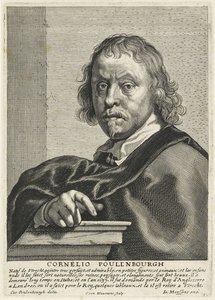
cornelis van poelenburch
1594 - 1667 , Netherlands
Quick Facts
- Artistic Movement Or Style: Dutch Landscape, Romanate
- Artists Or Movements Influenced By This Artist: ['Claude Lorraine']
- Artists Who Influenced This Artist: ['Abraham Bloemaert']
- Date Of Birth: 1594, Utrecht, Netherlands
- Date Of Death: 1667, Utrecht, Netherlands
- Full Name: Cornelis van Poelenburgh
- Nationality: Dutch
- Notable Artworks:
- Satyrs spying on nymphs
- Council of the gods
- Place Of Birth: Utrecht, Netherlands
Related Articles

Beyond the Horizon: 10 Landscape Masterpieces for Your Home Decor
Journey through 10 breathtaking landscape paintings by Monet, Van Gogh & more! Explore iconic artworks, artistic techniques & find inspiration for your home decor. Museum-quality reproductions at ArtsDot.com. Discover all masterpieces on ArtsDot.com

Dutch Baroque Masters: 10 Paintings That Shaped an Era | ArtsDot
Journey through the Golden Age with our guide to the Top 10 Dutch Baroque masterpieces! Explore iconic paintings by Rembrandt, Vermeer & Frans Hals. Find museum-quality art reproductions and elevate your home decor at ArtsDot.com.
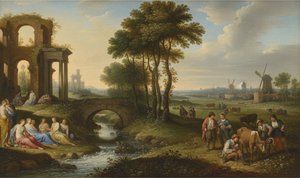
Cornelis van Poelenburch: Bridging Mannerism & the Dutch Baroque Landscape
Discover Cornelis van Poelenburch, a pivotal Dutch Baroque landscape painter bridging Mannerism & Italianate styles. Explore his life, key works, and lasting influence on 17th-century art with ArtsDot.
Golden Light & Dutch Skies: Bringing the Magic of Dutch Golden Age Landscapes into Your Home
Transform your home with the breathtaking light of Dutch Golden Age landscapes. Discover how hand-painted oil reproductions of masterworks like Ruisdael and Vermeer bring timeless elegance, atmosphere, and soulful texture to modern interiors. Elevate your space with museum-quality art.
Nicolaes Berchem: Dutch Golden Age Pastoralism & the Evolution of Landscape Painting
Explore the captivating world of Nicolaes Berchem, a leading Dutch Golden Age painter. Discover his idyllic landscapes, masterful technique & lasting influence on art history. Learn more at ArtsDot.