 Preview
 Send
Send Share
Share
 Details

 Download
 Similars
 X-Ray
X-Ray Diaporama
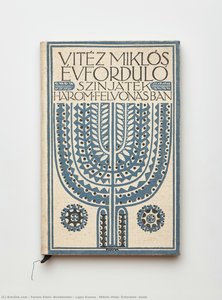
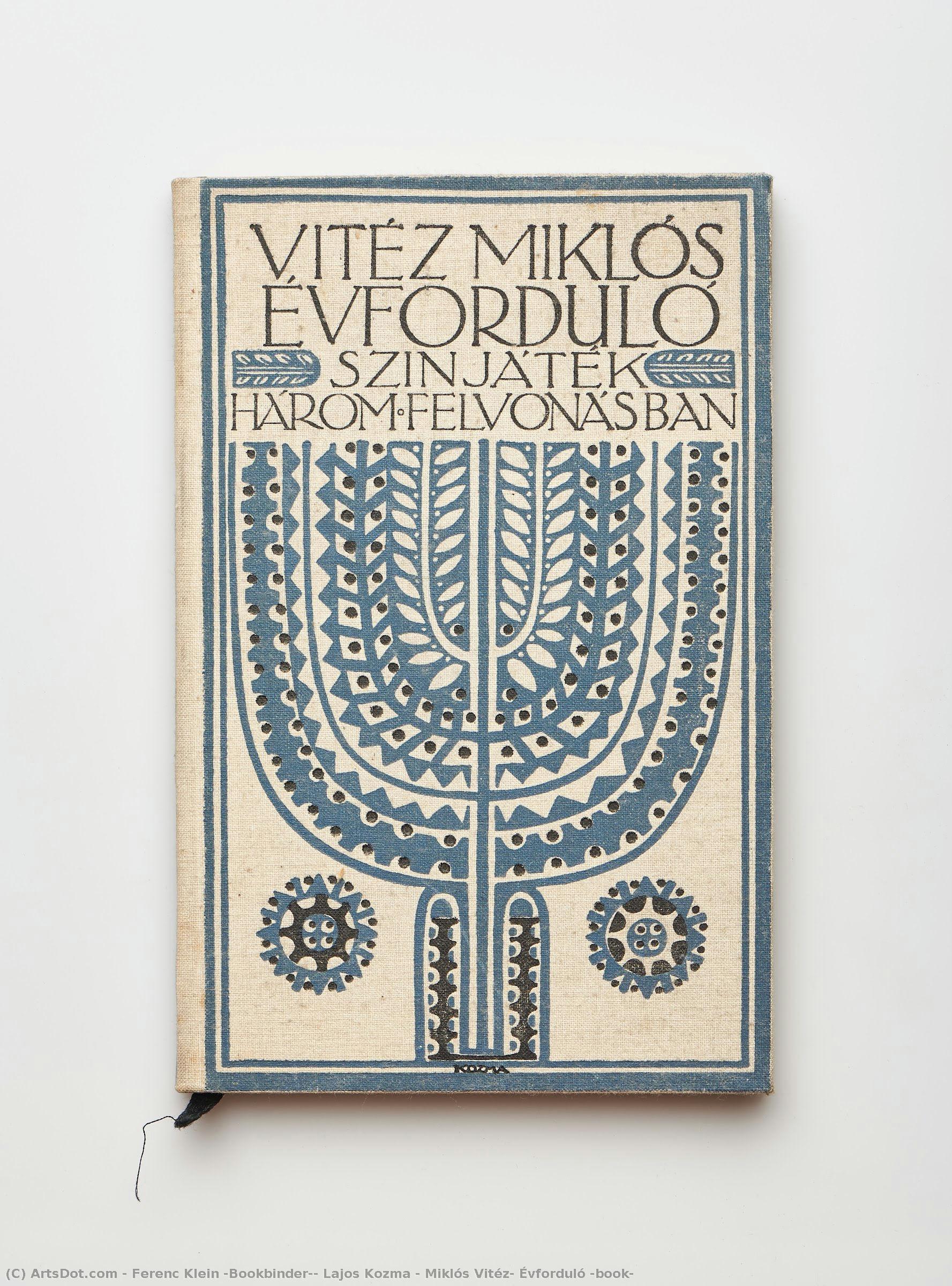
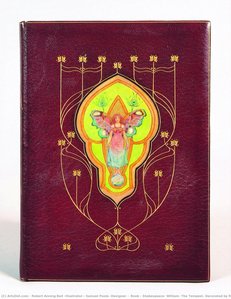
Miklós Vitéz: Évforduló (book)


 Read More
Hand Made Oil Reproduction
Hand-painted oil on canvas in your size and frame, made to order by our artists. ( Buy Print Buy Image)




P118B $10

P118H $10

P118W $10

P438Z $10

P508JH $12

P508YH $12

P805H $10

P805Z $10

P919BZ $10

P919G $10

P919XJ $10

P959ZH $10

P968JZ $12

W106C $8

W218G $10

W218JH $8

W218Y $10

W307PJ $10

W316G $10

W316PJ $8

W316Y $10

W398PJ $8

W4111J $10

W500HY $15

W500JH $15

W692G $12

W849H $8

W940BG $15

W953PJ $8




Pick from our preset sizes that match the artwork's original proportions.

You may enter your own dimensions to fit a specific frame or space. If your selected size does not match the original image's proportions, we will either crop the artwork or extend the painting with additional hand-painted elements. A digital mockup will be sent for your approval before production begins.
Please note that the on-screen preview does not reflect the actual cropping or extension. Only the mockup will accurately show the final composition.
While custom sizes are available, we recommend selecting a dimension from the predefined list to preserve the original proportions.
After order, ArtsDot.com team will email client for instructions and provide a mockup preview
Worldwide Delivery () in 3/4 weeks instead of standard 5 weeks. (25 August). No compromise on quality.

Free Worldwide Express Shipping

High-Quality Linen Canvas

Full Shipping Insurance

Customs Tax Refund Guarantee

True Color Matching Guarantee

60-Day Return Policy (Defects Only)

100% Money-Back Guarantee

Bulk Discount Offer
 Glass option is only available in size under 110 CM

Miklós Vitéz: Évforduló (book)
Reproduction Medium
Reproduction Size
-


Total Price
$ 263
Artwork Description
Related Artworks


Artist Biography
A Harmonious Fusion of Bookbinding and Architectural Vision
In the vibrant artistic landscape of early 20th-century Hungary, a unique synergy emerged between the tactile precision of craftsmanship and the expansive vision of architectural design. This intersection was personified by the collaborative spirit of Ferenc Klein, a master bookbinder, and Lajos Kozma, an architect and applied artist. Their partnership represented more than a mere professional acquaintance; it was a profound meeting of minds that sought to infuse everyday objects and spaces with the elegance of the burgeoning Art Deco movement. Born in Budapest around 1884, Klein possessed a meticulous dedication to his craft, mastering the intricate techniques required to transform simple paper into exquisite, tactile works of art. Simultaneously, Kozma cultivated an eye for form and function, drawing from his formal education at the Franz Liszt Academy to elevate utilitarian structures into sophisticated expressions of modern design.
The creative dialogue between Klein’s material expertise and Kozma’s structural intellect was deeply rooted in the aesthetic shifts of their era. As the organic, flowing lines of Art Nouveau began to transition into the more disciplined, geometric language of Art Deco, both artists found common ground in the pursuit of beauty through precision. Klein’s work with Klein and Partners bookbinding provided a canvas where Kozma could experiment with graphic motifs, creating a seamless blend of texture and pattern. Their shared passion for innovation allowed them to bridge the gap between the fine arts and applied design, ensuring that even the most functional items—be it a book cover or a piece of furniture—carried an aura of artistic significance.
Masterpieces of Ornamentation and Interior Design
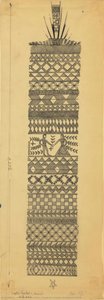
One of the most enduring legacies of their collaboration can be found in the decorative cloth binding of Miklós Vitéz: Évforduló, produced around 1902. This work serves as a breathtaking testament to their unified aesthetic, featuring an ornamental composition that mimics a large, chalice-like plant. The cover is a masterful arrangement of blue and black geometric elements intertwined with stylized floral motifs, reflecting the sophisticated trends of Hungarian design. Within this intricate design, one can find subtle nods to folk art, such as a uniquely composed motif featuring long-stemmed plants and a delicate peacock, demonstrating how they integrated traditional cultural symbols into a modern, streamlined framework.
Beyond the realm of bookbinding, Lajos Kozma’s architectural prowess reached new heights through his independent interior design projects, which often echoed the meticulousness found in Klein's craftsmanship. A notable example is the design for the Rózsavölgyi Music Shop in Budapest. Tasked by the architect Béla Lajta to design the ground-floor shop at Szervita tér, Kozma created a space where function and decoration were brilliantly intertwined. The interior was characterized by:
- Lavish wooden surfaces: Carefully worked textures that provided warmth and structural depth.
- Innovative furnishings: A cohesive concept of armchairs, divans, and tables that transformed a retail space into an immersive artistic environment.
- Geometric precision: An emphasis on clean lines that anticipated the mid-century modern movement.
Though much of the original Rózsavölgyi shop's furniture was tragically lost in a fire in 1961, the surviving pieces held in the Museum of Applied Arts continue to whisper stories of a golden age of Hungarian interior design.
Historical Significance and Lasting Legacy
The historical importance of Ferenc Klein and Lajos Kozma lies in their ability to democratize beauty. By applying high-art principles to bookbinding, graphic design, and furniture, they ensured that the aesthetic revolutions of the early 20th century were felt in the intimate spaces of daily life. Their work acted as a bridge between the decorative excesses of the past and the functional minimalism of the future. Kozma’s influence even extended through generations, seen in the later works of designers like Susan Kozma-Orlay, who carried the torch of Hungarian-modernist principles to an international stage.
Today, the names Klein and Kozma are synonymous with a period of intense creativity in Budapest. Their ability to harmonize the delicate, hand-crafted details of bookbinding with the bold, structural ambitions of architecture remains a profound inspiration for designers worldwide. They proved that true artistry does not reside solely in a museum gallery, but in the very objects we hold in our hands and the spaces in which we move.

ferenc klein (bookbinder), lajos kozma
1884 - 1948 , Hungary
Quick Facts
- Artistic Movement Or Style: Art Nouveau Hungary
- Date Of Birth: 1884
- Full Name: Ferenc Klein & Lajos Kozma
- Nationality: Hungarian
- Notable Artworks:
- Furniture from the Rózsavölgyi Music Shop in Budapest\n63.252.1.
- Miklós Vitéz: Évforduló
- Place Of Birth: Hungary
Related Articles

The Gilded Age Reimagined: Exploring the Aesthetic Principles & Enduring Legacy of Art Deco
Explore the captivating world of Art Deco! Discover its origins, defining features, cultural impact & enduring legacy. Expert insights for collectors and design enthusiasts. Shop handmade reproductions at ArtsDot.
The Gleaming Geometry of Desire: Exploring Art Deco's Enduring Influence on Visual Culture
Explore the captivating world of Art Deco! Discover its history, key characteristics, enduring influence on design & collecting with expert insights from ArtsDot.com.

Károly Ferenczy: Pioneering Hungarian Modernism & the Soul of a Nation
Explore the life & art of Károly Ferenczy, a pivotal figure in Hungarian Modernism. Discover his landscapes, portraits, and role in founding the Nagybánya colony. Expert insights for collectors & enthusiasts.
The Gilded Age Revisited: Art Deco's Modernity & Luxury
Explore the captivating world of Art Deco paintings & the Gilded Age's enduring legacy. Discover iconic artists like Tamara de Lempicka & invest in museum-quality reproductions with ArtsDot.
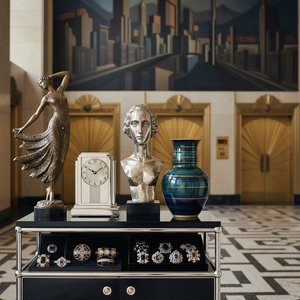
The Roaring Twenties Revisited: Art Deco & Modernist Expressions for the Discerning Collector
Explore the glamour of Art Deco & the innovation of Modernism! Discover key artists, investment potential, and expert guidance for collecting 1920s art. Enhance your space with timeless masterpieces.