 Preview
 Send
Send Share
Share
 Details

 Download
 Similars
 X-Ray
X-Ray Diaporama
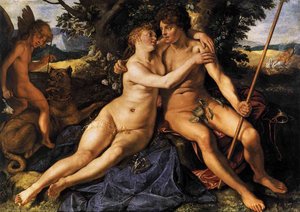
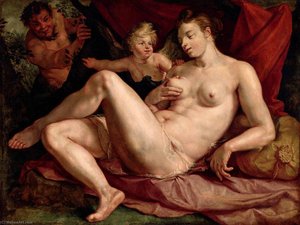
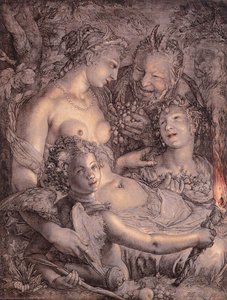
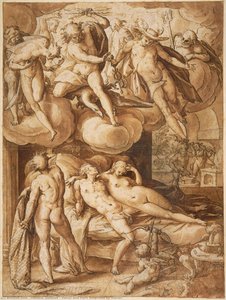
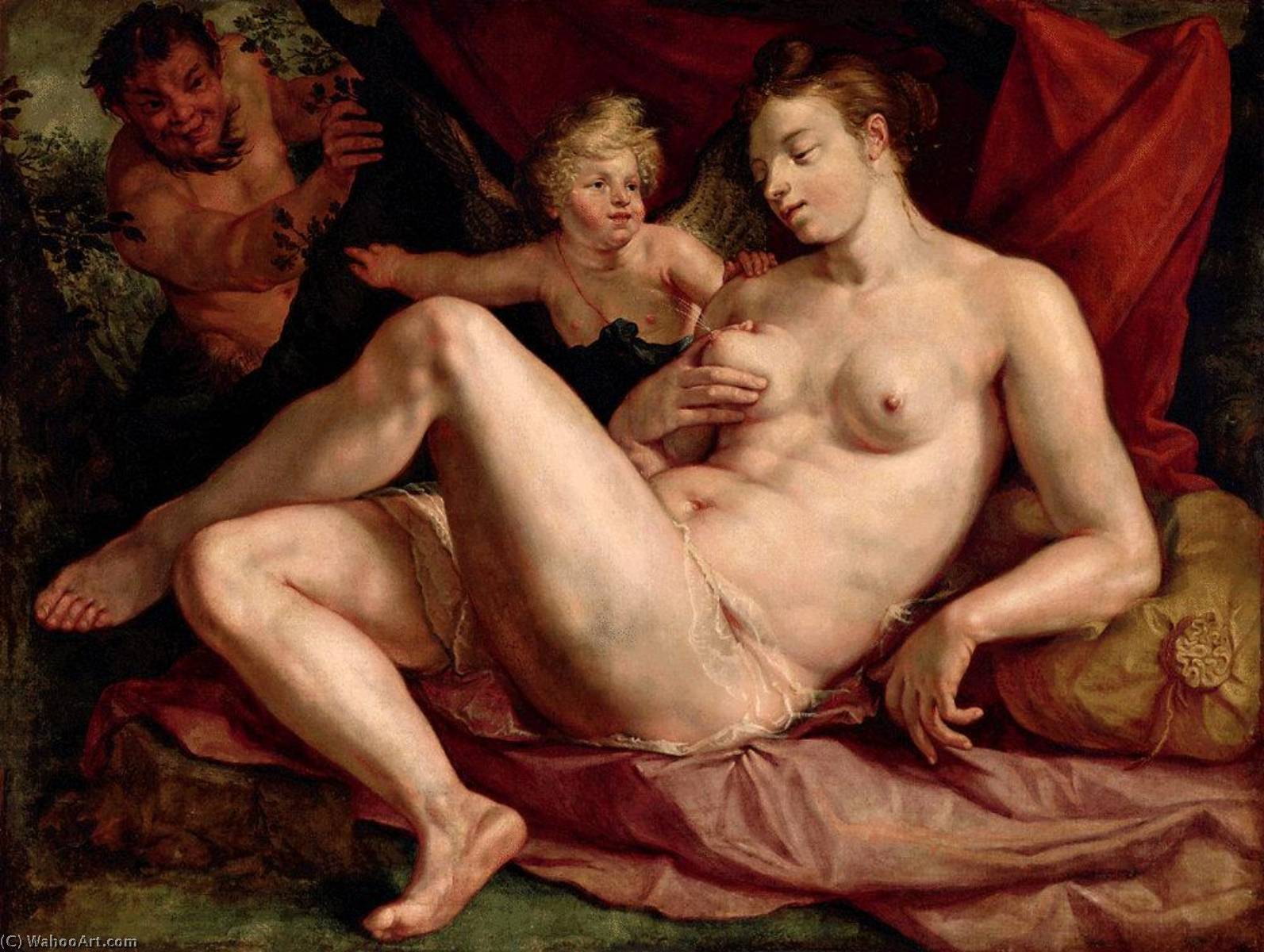
Vénus et l'Amour épiés par un satyre, dit autrefois Jupiter et Antiope Alternative title(s) Jupiter et Antiope
 Oil On Canvas
- WallArt
- Baroque
 1616
1616- Early Modern
 100.0 x 133.0 cm
 The Louvre
 Read More
Hand Made Oil Reproduction
Hand-painted oil on canvas in your size and frame, made to order by our artists. ( Buy Print Buy Image)




P118B $10

P118H $10

P118W $10

P438Z $10

P508JH $12

P508YH $12

P805H $10

P805Z $10

P919BZ $10

P919G $10

P919XJ $10

P959ZH $10

P968JZ $12

W106C $8

W218G $10

W218JH $8

W218Y $10

W307PJ $10

W316G $10

W316PJ $8

W316Y $10

W398PJ $8

W4111J $10

W500HY $15

W500JH $15

W692G $12

W849H $8

W940BG $15

W953PJ $8




Pick from our preset sizes that match the artwork's original proportions.

You may enter your own dimensions to fit a specific frame or space. If your selected size does not match the original image's proportions, we will either crop the artwork or extend the painting with additional hand-painted elements. A digital mockup will be sent for your approval before production begins.
Please note that the on-screen preview does not reflect the actual cropping or extension. Only the mockup will accurately show the final composition.
While custom sizes are available, we recommend selecting a dimension from the predefined list to preserve the original proportions.
After order, ArtsDot.com team will email client for instructions and provide a mockup preview
Worldwide Delivery () in 3/4 weeks instead of standard 5 weeks. (24 August). No compromise on quality.

Free Worldwide Express Shipping

High-Quality Linen Canvas

Full Shipping Insurance

Customs Tax Refund Guarantee

True Color Matching Guarantee

60-Day Return Policy (Defects Only)

100% Money-Back Guarantee

Bulk Discount Offer
 Glass option is only available in size under 110 CM

Vénus et l'Amour épiés par un satyre, dit autrefois Jupiter et Antiope Alternative title(s) Jupiter et Antiope
Reproduction Medium
Reproduction Size
-


Total Price
$ 288
Artwork Description
A Symphony of Myth and Shadow
In the grand tapestry of the Baroque era, few works capture the tension between divine grace and primal instinct as exquisitely as Hendrik Goltzius’s 1616 masterpiece, Vénus et l'Amour épiés par un satyre. Often referred to by its alternative title, Jupiter and Antiope, this oil on canvas is far more than a mere mythological tableau; it is a profound exploration of voyeurism, desire, and the delicate boundary between the celestial and the earthly. As the eye wanders across the canvas, one is immediately drawn into a world where the air feels thick with secrets. The central figure, a woman of breathtaking beauty reclining upon a bed of opulent crimson velvet and gold brocade, radiates a serene vulnerability. Yet, this tranquility is shadowed by the presence of the Satyr, whose watchful gaze introduces an element of earthly tension, reminding the viewer of the untamed forces that exist just beneath the surface of civilized beauty.
The painting serves as a window into the complex legends of Greek mythology, specifically the moment when Zeus, disguised as Jupiter, observes the mortal Antiope. Goltzius masterfully weaves together several layers of narrative complexity. While the central figure embodies an idealized form of femininity, the surrounding characters act as symbolic anchors for the piece's deeper meanings. The playful Cupid, darting near her shoulder, serves as a poignant emblem of love’s inherent vulnerability and divine protection, while the presence of Flora, offering a vibrant bouquet, breathes life into themes of fertility and seasonal renewal. For the discerning collector or interior designer, this work offers a rich narrative depth that can transform a space, providing a focal point that invites endless contemplation and conversation.
Mastery of the Swelling Line and Baroque Light
Technically, this work represents the pinnacle of Goltzius’s transition from the intricate precision of Northern Mannerism to the more fluid, dramatic language of the early Baroque. The artist employs his celebrated “swullying line” technique—a method of subtly varying line thickness to create an illusion of three-dimensional volume and muscularity. This meticulous approach is evident in the way the light dances across the skin of the figures, creating a palpable sense of weight and texture. One can almost feel the contrast between the velvety softness of the draped fabrics and the rugged, coarse skin of the Satyr. The composition is driven by powerful diagonal lines, particularly within the folds of the luxurious drapery, which propel the viewer’s gaze through the scene with a rhythmic, cinematic energy.
The use of light and shadow, or chiaroscuro, is nothing short of theatrical. Goltzius utilizes a dark, almost infinite background to push the central figures forward, making their luminosity appear even more radiant. This dramatic lighting emphasizes the anatomical accuracy of the reclining form, highlighting the curves and contours that define the human silhouette. The palette is a sophisticated arrangement of warm, regal tones—deep reds, burnished golds, and earthy browns—interspersed with subtle cool accents in the shadows. For those seeking to incorporate high-quality reproductions into a curated collection, this painting offers an unparalleled sense of luxury and historical weight, making it an ideal centerpiece for rooms designed to evoke elegance, drama, and timelessness.
Related Artworks





Artist Biography
early life and training
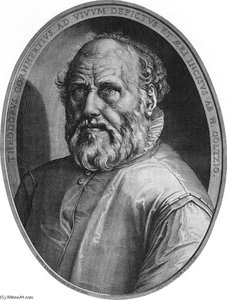
hendrick goltzius, a german-born dutch printmaker, draftsman, and painter, was born in january or february 1558. he was the leading dutch engraver of the early baroque period, or northern mannerism, lauded for his sophisticated technique and "exuberance" of his compositions. according to a. hyatt mayor, goltzius "was the last professional engraver who drew with the authority of a good painter and the last who invented many pictures for others to copy". goltzius's family moved to duisburg when he was 3 years old, and after studying painting on glass under his father, he learned engraving from the dutch polymath dirck volckertszoon coornhert.artistic career
in 1577, goltzius moved with coornhert to haarlem in the dutch republic, where he remained based for the rest of his life. he was also employed by philip galle to engrave a set of prints of the history of lucretia. goltzius had a malformed right hand from a fire when he was a baby, which turned out to be especially well-suited to holding the burin. this unique physical characteristic allowed him to master a commanding swing of line, making his engravings highly distinctive. hendrick goltzius brought to an unprecedented level the use of the "swelling line", where the burin is manipulated to make lines thicker or thinner to create a tonal effect from a distance.technique and style
goltzius was a pioneer of the "dot and lozenge" technique, where dots are placed in the middle of lozenge-shaped spaces created by cross-hatching to further refine tonal shading. his command of the burin is said to rival dürer, and he made engravings of bartholomeus spranger's paintings, thus increasing the fame of the latter – and his own. goltzius began painting at the age of forty-two; some of his paintings can be found in vienna. he also executed a few chiaroscuro woodcuts.public collections and legacy
most major print rooms will have a group of goltzius's many engravings, including the museum boijmans van beuningen, rijksmuseum amsterdam, and the metropolitan museum of art. his legacy can be seen in the works of other artists, such as jacques bellange, who was also a master of northern mannerist printmaking. goltzius's engravings and paintings continue to inspire art lovers and scholars alike, and his work can be found on ArtsDot.com and in the wikipedia article dedicated to his life and work.- some of goltzius's notable works include: jupiter, minerva, and the prophet baruch
- museums with his work: los angeles county museum of art, philadelphia museum of art, and british museum
- techniques used by goltzius: "swelling line" and "dot and lozenge" technique
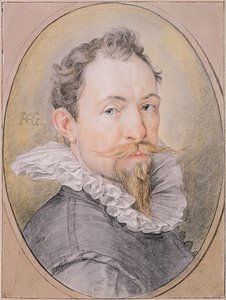
hendrik goltzius
1558 - 1617 , Italy
Quick Facts
- Artistic Movement Or Style: Northern Mannerism & Baroque engraving
- Artists Or Movements Influenced By This Artist: ['Jacques Bellange']
- Artists Who Influenced This Artist:
- Dirck Volckertszoon Coornhert
- Bartholomeus Spranger
- Date Of Birth: January or February 1558
- Full Name: Hendrick Goltzius
- Nationality: Dutch
- Notable Artworks:
- The Adoration of the Shepherds
- Arcadian Landscape
- Head of a Siren
- Hercules Killing Cacus
- Demogorgon and the Deities
- Apollo Belvedere
- The Last Supper
- Vries, Frederik de (died 1613)
- Place Of Birth: Braunschweig, Italy
Related Articles

Baroque Classicism: Reconciling Drama & Order in 17th-Century Art
Explore the captivating world of Baroque Classicism! Discover its history, key artists like Caravaggio & Rubens, and defining characteristics. Expert insights & high-quality reproductions at ArtsDot.
Echoes of Olympus: Mythological Narratives in Western Art Through the Ages
Explore the captivating history of mythological narratives in Western art! From ancient Greece to modern masterpieces, discover iconic artworks & symbolism. Expert analysis and high-quality reproductions at ArtsDot.

Baroque Drama: Bringing Opulence & Emotion into Contemporary Interiors
Explore the opulent world of Baroque interior design! Discover key elements, modern applications & how to bring dramatic elegance into your home with 's authentic reproductions.
Guido Reni: A Study in Baroque Classicism & Artistic Perfection
Explore the life & work of Guido Reni, a master of Baroque classicism. Discover his iconic religious & mythological paintings, and understand his enduring influence on art history. Expert analysis for collectors.
Decoding Baroque Grandeur: A Guide to the Drama and Emotion of 17th-Century Art
Explore the breathtaking drama of 17th-century Baroque art. Our expert guide decodes the use of chiaroscuro, emotional intensity, and historical grandeur to help you appreciate and curate timeless masterpieces for your collection.