 Preview
 Send
Send Share
Share
 Details

 Download
 Similars
 X-Ray
X-Ray Diaporama
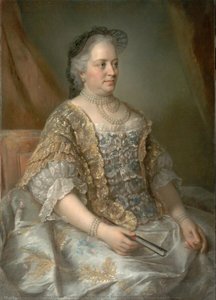
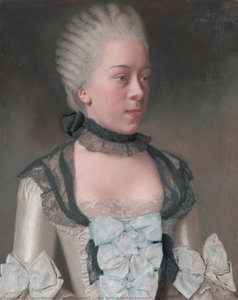
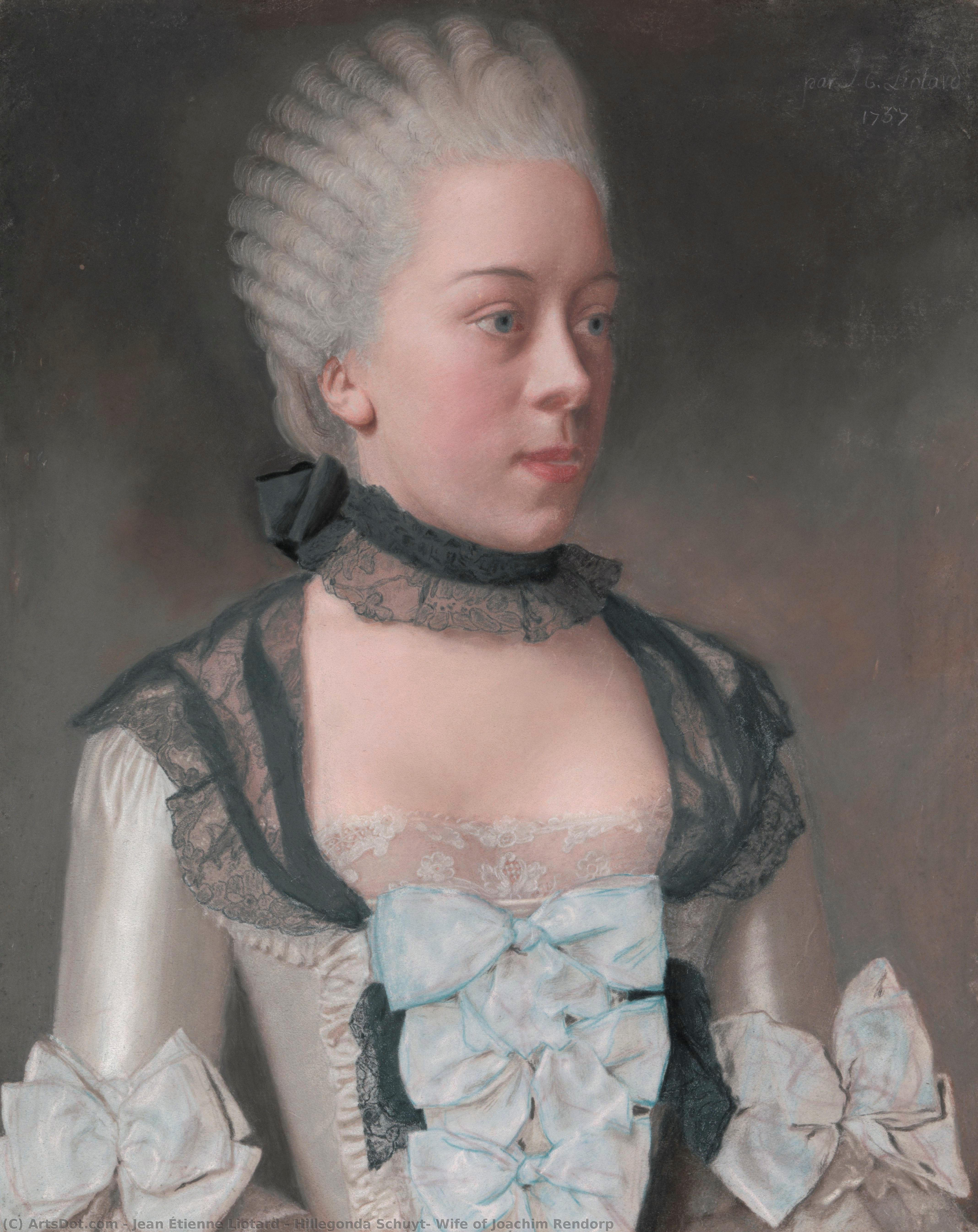
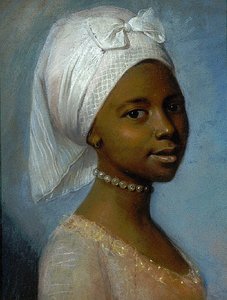
Hillegonda Schuyt, Wife of Joachim Rendorp


 Read More
Giclée / Art Print
Museum-quality giclée or canvas print with fast production and flexible finish options. ( Buy Hand Made Painting Buy Image)




P118B $10

P118H $10

P118W $10

P438Z $10

P508JH $12

P508YH $12

P805H $10

P805Z $10

P919BZ $10

P919G $10

P919XJ $10

P959ZH $10

P968JZ $12

W106C $8

W218G $10

W218JH $8

W218Y $10

W307PJ $10

W316G $10

W316PJ $8

W316Y $10

W398PJ $8

W4111J $10

W500HY $15

W500JH $15

W692G $12

W849H $8

W940BG $15

W953PJ $8




Pick from our preset sizes that match the artwork's original proportions.

You may enter your own dimensions to fit a specific frame or space. If your selected size does not match the original image's proportions, we will either crop the artwork or extend the image with a mirrored or solid-fill edge. A digital mockup will be sent for your approval before production begins.
Please note that the on-screen preview does not reflect the actual cropping or extension. Only the mockup will accurately show the final composition.
While custom sizes are available, we recommend selecting a dimension from the predefined list to preserve the original proportions.
Worldwide Delivery () in 2 weeks instead of standard 4/5 weeks. (2 September)

Free Worldwide Express Shipping

High-Quality Linen Canvas

Full Shipping Insurance

Customs Tax Refund Guarantee

True Color Matching Guarantee

60-Day Return Policy (Defects Only)

100% Money-Back Guarantee

Bulk Discount Offer
 Glass option is only available in size under 110 CM

Hillegonda Schuyt, Wife of Joachim Rendorp
Giclée / Art Print
Reproduction Size
-


Total Price
$ 63
A Vision of Rococo Elegance
In the soft, luminous glow of Jean Étienne Liotard’s 1757 masterpiece, Hillegonda Schuyt, Wife of Joachim Rendorp, we are transported to the height of eighteenth-century Dutch sophistication. This exquisite portrait is far more than a mere record of a noblewoman's likeness; it is a window into the heart of the Rococo era, an age defined by its pursuit of grace, ornamentation, and a delicate, sensual beauty. As the viewer gazes upon Hillegonda, there is an immediate sense of being invited into a private, refined world where every fold of fabric and every subtle shadow tells a story of status and serenity.
The subject herself, Wilhelmina Hillegonda Schuyt, radiates a quiet dignity that anchors the composition. Captured in a moment of poised tranquility, her presence is balanced by the implied strength of her husband, the prominent Amsterdam banker Joachim Rendorp. Together, they embody the idealized domestic harmony that was so highly prized by the Dutch elite during this period. The painting does not merely present faces; it presents an aspiration—a vision of a life lived with virtue, stability, and an unwavering commitment to the social order of the Patriotten tijd.
The Mastery of Pastel and Light
What truly distinguishes this work is Liotard’s unparalleled command over the medium of pastel. Unlike the heavy, dramatic oils of the preceding Baroque era, Liotard utilizes the powdery, ethereal nature of pastel to achieve a breathtaking luminosity. Through a meticulous layering technique, he applies thin glazes of pigment onto the canvas, creating a surface that seems to breathe with light. This method allows for an extraordinary level of detail, particularly in the tactile rendering of textures.
One cannot help but be captivated by the way the artist captures the shimmering sheen of Hillegonda’s gown. The interplay of light and shadow across the white fabric creates a sense of depth and movement, while the delicate lace and intricate ribbons serve as decorative flourishes that exemplify the Rococo spirit. Every stroke is calculated to enhance the softness of her skin and the subtle luster of her hair ornaments, resulting in a portrait that feels remarkably naturalistic yet dreamily atmospheric. For the collector or interior designer, this technique offers a sense of airy lightness, making the piece an ideal centerpiece for spaces that demand elegance without heaviness.
Symbolism and Lasting Emotional Resonance
Beyond its technical brilliance, the painting is rich with the silent language of eighteenth-century symbolism. The choice of a pristine white dress is deeply intentional, serving as a visual metaphor for purity, innocence, and the high moral standing of the subject. The ornamental lace and ribbons are not merely fashionable accessories; they represent the prosperity and cultural refinement of the Rendorp family. Even the subtle arrangement of the figures suggests a psychological depth, hinting at the complex emotional bonds that underpin the social structures of their time.
To possess or display a reproduction of this work is to invite an atmosphere of timeless sophistication into one's environment. It evokes a sense of nostalgia for an era of craftsmanship and poise, offering an emotional anchor of calm and beauty. Whether placed in a sunlit gallery or a curated study, Liotard’s portrait continues to resonate with modern viewers, bridging the gap between the opulent past and the aesthetic desires of the present through its enduring charm and masterful execution.
Related Artworks
Artist Biography
early life and training
jean-étienne liotard, a renowned genevan painter, art connoisseur, and dealer, was born on december 22, 1702, in geneva, switzerland. his parents, french protestants, had fled to geneva after 1685. liotard's artistic journey began under the guidance of professors daniel gardelle and petitot, whose enamels and miniatures he skillfully replicated.artistic career
liotard's travels took him to various european capitals, including paris, rome, istanbul, and vienna, where his portraits were highly sought after. in 1725, he studied under jean-baptiste massé and françois lemoyne in paris. his time in constantinople (1738-1742) significantly influenced his work, as evident in his numerous pastel depictions of turkish domestic scenes.notable works and style
liotard's mastery of pastel is showcased in works like:- dutch girl at breakfast (ca. 1756, oil on canvas, rijksmuseum), demonstrating his versatility.
- la liseuse, the chocolate girl, and la belle lyonnaise at the dresden gallery, exemplifying his delicate pastel drawings.
- maria frederike van reede-athlone at seven (j. paul getty museum), a testament to his naturalistic portraiture.
legacy and later life
liotard's later years were marked by the publication of his treatise, traité des principes et des règles de la peinture (1781). he continued to paint still lifes and landscapes until his passing on june 12, 1789, in geneva. key links:- jean-étienne liotard | ArtsDot.com (artist page)
- jean-étienne liotard | wikipedia
- a woman in turkish dress | ArtsDot.com (painting)
museums and collections:
- the museum private collection (geneva, switzerland), featuring an impressive array of liotard's works.
- musée d'art et d'histoire (geneva, switzerland), housing a significant collection of liotard's pastels and drawings.
jean-étienne liotard
1702 - 1789 , Switzerland
Quick Facts
- Artistic Movement Or Style: Pastoralism
- Artists Or Movements Influenced By This Artist:
- Jean Baptiste Massé
- François Lemoyne
- Artists Who Influenced This Artist:
- Daniel Gardelle
- Petitot
- Date Of Birth: December 22, 1702
- Date Of Death: June 12, 1789
- Full Name: Jean-Étienne Liotard
- Nationality: Swiss
- Notable Artworks:
- Dutch Girl at Breakfast
- La Liseuse, The Chocolate Girl
- Maria Frederike van Reede-Athlone at Seven
- Place Of Birth: Geneva, Switzerland
Related Articles
Rijksmuseum's Masterpieces: 25 Iconic Artworks for Your Home | ArtsDot
Explore 25 iconic artworks from Amsterdam's Rijksmuseum! Discover Rembrandt, Vermeer & Dutch Masters’ stories. Find museum-quality art reproductions and elevate your home decor with timeless paintings on ArtsDot.com.
Jean-Étienne Liotard: Rococo Portraiture & the Pursuit of Naturalism
Explore the exquisite Rococo portraits of Jean-Étienne Liotard, a master of pastel and enamel. Discover his innovative techniques, captivating Turkish scenes, and lasting influence on art history. Learn more at ArtsDot.
Yvonne Jean Haffen: A Breton Vision of Post-War Abstraction
Discover the captivating world of Yvonne Jean Haffen, a leading figure in post-war French abstraction. Explore her unique style, vibrant color palettes, and investment potential with ArtsDot.
Jean-Louis Forain: Capturing Parisian Life with Wit & Realism
Explore the captivating world of Jean-Louis Forain, a master Impressionist chronicler of Belle Époque Paris. Discover his satirical paintings, realistic scenes & lasting legacy. Learn about collecting Forain's art today!
Jean-Baptiste Carpeaux: Sculpting Passion & Controversy in 19th-Century France
Explore the passionate life & controversial works of Jean-Baptiste Carpeaux, a leading French sculptor of the Second Empire. Discover his realism, iconic sculptures like 'Ugolino,' and lasting legacy as a precursor to Rodin.