 Preview
 Send
Send Share
Share
 Details

 Download
 Similars
 X-Ray
X-Ray Diaporama
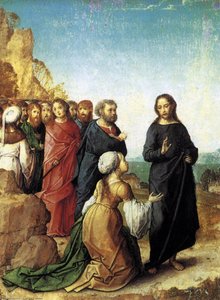
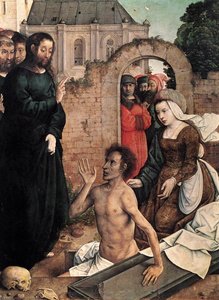
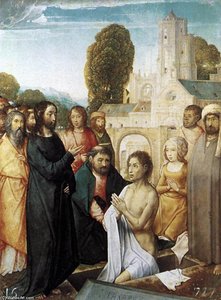
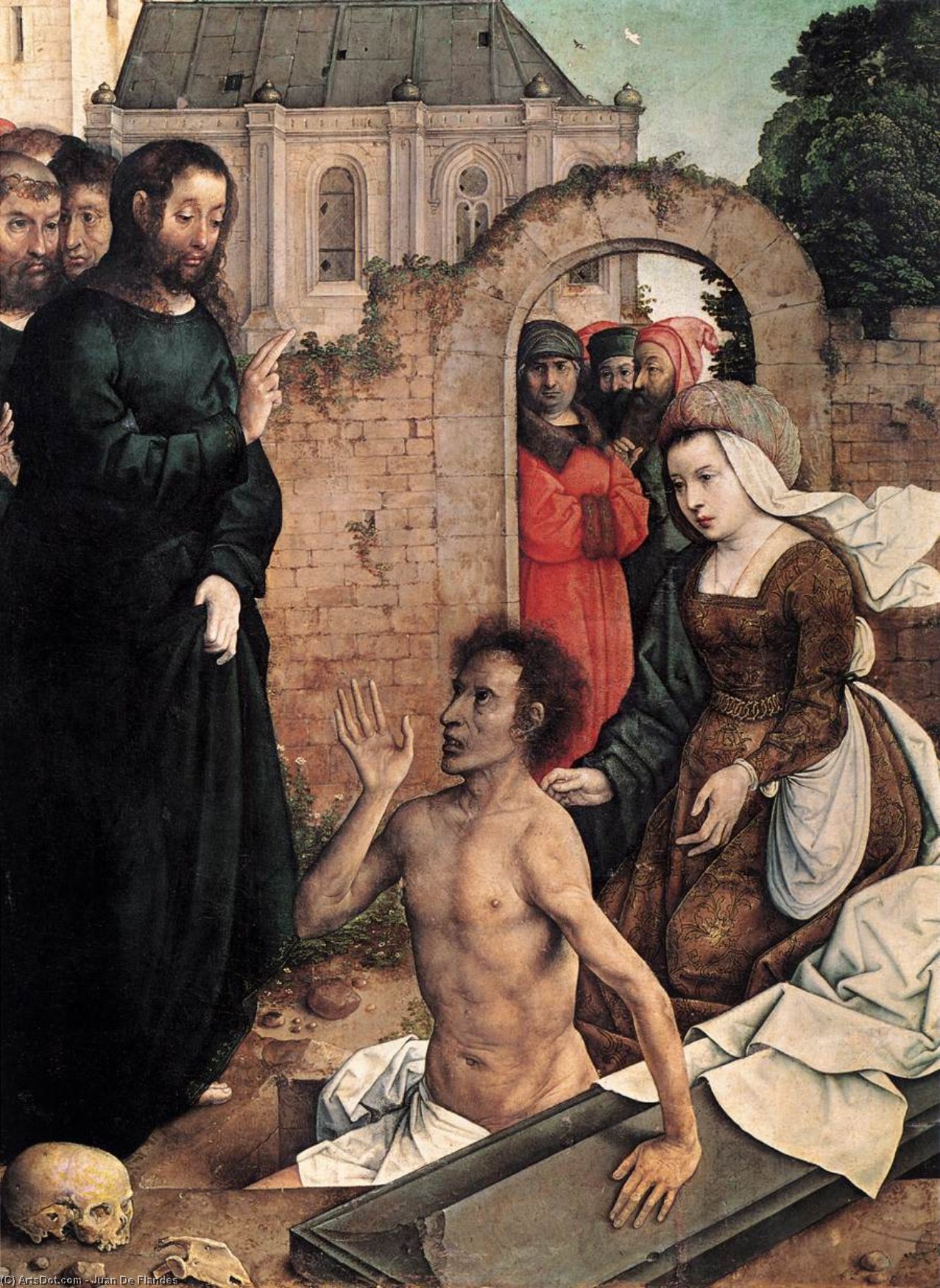
The Raising of Lazarus
 Oil On Panel
- WallArt
- Baroque Renaissance
 1510
1510- Renaissance
 110.0 x 84.0 cm
 Museo del Prado
 Read More
Hand Made Oil Reproduction
Hand-painted oil on canvas in your size and frame, made to order by our artists. ( Buy Print Buy Image)




P118B $10

P118H $10

P118W $10

P438Z $10

P508JH $12

P508YH $12

P805H $10

P805Z $10

P919BZ $10

P919G $10

P919XJ $10

P959ZH $10

P968JZ $12

W106C $8

W218G $10

W218JH $8

W218Y $10

W307PJ $10

W316G $10

W316PJ $8

W316Y $10

W398PJ $8

W4111J $10

W500HY $15

W500JH $15

W692G $12

W849H $8

W940BG $15

W953PJ $8




Pick from our preset sizes that match the artwork's original proportions.

You may enter your own dimensions to fit a specific frame or space. If your selected size does not match the original image's proportions, we will either crop the artwork or extend the painting with additional hand-painted elements. A digital mockup will be sent for your approval before production begins.
Please note that the on-screen preview does not reflect the actual cropping or extension. Only the mockup will accurately show the final composition.
While custom sizes are available, we recommend selecting a dimension from the predefined list to preserve the original proportions.
After order, ArtsDot.com team will email client for instructions and provide a mockup preview
Worldwide Delivery () in 3/4 weeks instead of standard 5 weeks. (3 September). No compromise on quality.

Free Worldwide Express Shipping

High-Quality Linen Canvas

Full Shipping Insurance

Customs Tax Refund Guarantee

True Color Matching Guarantee

60-Day Return Policy (Defects Only)

100% Money-Back Guarantee

Bulk Discount Offer
 Glass option is only available in size under 110 CM

The Raising of Lazarus
Reproduction Medium
Reproduction Size
-


Total Price
$ 263
A Miracle Captured in Light and Shadow
In the quiet, profound stillness of Juan de Flandes’ “The Raising of Lazarus,” we are invited into a moment where the boundary between life and death dissolves under the weight of divine intervention. Painted around 1510, this monumental oil on panel serves as a breathtaking testament to the power of faith. The scene captures the pivotal instant when Jesus commands the deceased Lazarus to emerge from his tomb, a miracle that resonates with an almost palpable tension. As the eye wanders through the composition, one is struck by the dramatic interplay of figures; the central focus remains anchored by the transformative connection between Christ and the man being pulled back into the light of existence. Around this sacred epicenter, a gathering of witnesses—some kneeling in reverence, others recoiling in awe—creates a rhythmic movement that guides the viewer through the emotional landscape of the event.
The atmosphere is thick with the solemnity of a religious rite, yet it is rendered with a naturalism that makes the miraculous feel startlingly real. Small, evocative details ground the spiritual drama in a tangible world: a skull resting near the bottom corner serves as a stark memento mori, reminding us of the mortality from which Lazarus is being rescued, while the presence of books and vessels suggests a setting where the sacred and the mundane intersect. For the discerning collector or interior designer, this piece offers more than just a depiction of a biblical event; it provides a window into a world of profound spiritual depth and meticulous craftsmanship.
The Flemish Legacy in Spanish Soil
To understand the technical brilliance of this work, one must look to the artist’s enigmatic origins. Juan de Flandes, a master whose true identity remains one of the great mysteries of the Early Netherlandish period, brought the sophisticated techniques of the Ghent School to the vibrant courts of Spain. His training in Flanders—likely under the influence of luminaries such as Hugo van der Goes—is evident in the meticulous rendering of textures and the luminous quality of his color palette. In “The Raising of Lazarus,” we see the culmination of this Northern precision adapted for a Spanish sensibility. The artist employs a masterful approach to drapery, where every fold of fabric seems to hold its own shadow, and every skin tone reflects a delicate, inner light.
This fusion of styles creates a painting that is both structurally robust and emotionally tender. The pyramidal composition, a hallmark of the Ghent tradition, provides a sense of stability and permanence, while the naturalistic approach to the landscape and figures prevents the scene from feeling static. For those seeking to adorn a space with art that commands attention through subtlety rather than noise, Fland::ndes offers a masterclass in understated grandeur. The painting does not merely tell a story; it breathes life into the historical moment, making it an ideal centerpiece for a gallery or a sophisticated residential collection where conversation and contemplation are encouraged.
An Eternal Resonance for Modern Spaces
Beyond its historical significance, “The Raising of Lazarus” possesses an enduring emotional impact that transcends the centuries. The painting speaks to universal themes of renewal, hope, and the triumph of light over darkness. This makes it a profoundly moving acquisition for anyone looking to infuse their environment with a sense of peace and intellectual depth. Whether placed in a formal study, a grand hallway, or a curated living area, a high-quality reproduction of this masterpiece brings with it an aura of timelessness.
For the interior designer, the artwork’s rich textures and balanced composition offer incredible versatility. It can anchor a room characterized by classical elegance or provide a soulful contrast to more contemporary, minimalist settings. The subtle earth tones and the dramatic highlights within the work harmonize beautifully with a variety of color palettes, making it a versatile tool for creating atmosphere. To own a piece of this caliber is to possess a fragment of history—a window into the soul of the Renaissance that continues to inspire awe in all who behold its miraculous light.
Related Artworks
Artist Biography
The Enigmatic Master of the Spanish Court
The identity of Juan de Flandes remains one of the most captivating mysteries in the annals of Early Netherlandish painting. Shrouded in a veil of historical ambiguity, scholars have long debated whether this master was the individual known as Jan van der Straat or another unnamed virtuoso whose brushwork left an indelible mark on the Iberian Peninsula. Though his true origins are obscured by time, his artistic soul is unmistakably rooted in the vibrant traditions of Flanders. Born likely in the mid-15th century, he emerged from the prestigious artistic milieu of Ghent, a city then pulsating with the innovations of the Ghent School. It was here, amidst the shadows of masters like Joos van Wassenhove and Hugo van der Goes, that Juan refined his ability to capture the delicate interplay of light and texture, establishing a technical foundation that would later bridge the gap between Northern precision and Spanish grandeur.
His journey from the Low Countries to the heart of Spain represents a pivotal chapter in the evolution of the Spanish Renaissance. In 1496, his destiny became inextricably linked with the Spanish Crown when he secured the prestigious patronage of Queen Isabella I of Castile. This appointment was far more than a mere professional milestone; it placed him at the very epicenter of political and religious power. Serving as a court painter until Isabella’s death in 1504, Juan de Flandes became the visual chronicler of a golden age. Through his eyes, the dignity of the royal family—most notably Isabella and Ferdinand—was immortalized with a refined elegance that balanced the meticulous, microscopic detail characteristic of Flemish art with a new, solemn Spanish sensibility.
A Legacy of Devotion and Detail
The true genius of Juan de Flandes is perhaps most profoundly felt in his religious compositions, where his technical mastery meets deep spiritual devotion. His most celebrated achievement lies in the monumental series of small panels created for a magnificent polyptych altarpiece dedicated to the Virgin Mary. These works are masterpieces of narrative intimacy, inviting the viewer into sacred spaces through landscapes that feel both otherworldly and tangibly real. In these panels, one can observe a breathtaking synthesis of styles:
- Flemish Precision: The meticulous rendering of fabrics, the crystalline clarity of distant horizons, and the obsessive attention to botanical detail.
- Spanish Grandeur: A sense of monumental stillness and a dignified, somber atmosphere that reflects the religious fervor of the Spanish court.
- Atmospheric Innovation: An early mastery of light that breathes life into the landscapes, creating a sense of depth and spiritual transcendence.
Today, these dispersed treasures—housed in prestigious institutions such as the Prado Museum in Madrid and the National Gallery of Art in Washington D.C.—serve as enduring testaments to his skill. The historical significance of Juan de Flandes extends far beyond his individual portraits; he acted as a vital cultural conduit. By transplanting the sophisticated techniques of the North into the fertile soil of Spain, he helped shape the aesthetic language of a burgeoning empire. His work remains a hauntingly beautiful reminder of a period when art served as the ultimate bridge between different worlds, blending the intricate textures of Flanders with the profound, enduring spirit of the Spanish Renaissance.
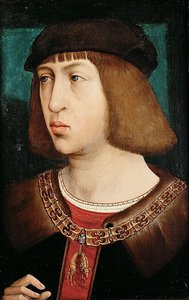
Juan de Flandes
1460 - 1519 , Belgium
Quick Facts
- Artistic Movement Or Style: Early Netherlandish
- Artists Or Movements Influenced By This Artist: ['Spanish Renaissance']
- Artists Who Influenced This Artist:
- Joos van Wassenhove
- Hugo van der Goes
- Date Of Birth: c. 1460
- Date Of Death: 1519
- Full Name: Juan de Flandes
- Nationality: Dutch
- Notable Artworks:
- The Nativity
- Portrait of an Infanta
- Resurrection of Lazarus
- Place Of Birth: Flanders (Belgium)
Related Articles

Goya's Masterpieces: Explore 25 Iconic Paintings & Art Prints | ArtsDot
Delve into the world of Francisco Goya with ArtsDot. Explore 25 iconic paintings – from 'The Third of May' to his haunting Black Paintings. Discover the stories, techniques & emotions behind these Spanish masterpieces. Find museum-quality art reproductions for your home at ArtsDot.com!

About Us
Discover our story! We bring world-class art into your life through expert curation, personalized creations, and free previews. Trusted by individuals and businesses since 2000.
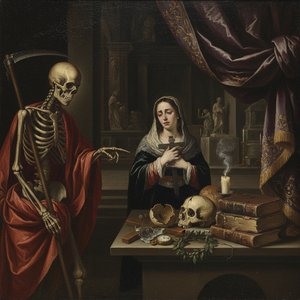
Juan de Valdés Leal: Baroque Realism, Memento Mori & Theatricality of Spanish Grief
Explore the powerful Baroque realism of Juan de Valdés Leal (1622-1690). Discover his somber masterpieces, iconic 'In Ictu Oculi', and profound explorations of mortality. Museum-quality reproductions available at ArtsDot.
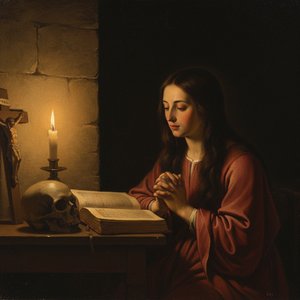
Georges de La Tour: Luminosity, Spirituality & Realism in Baroque Painting
Discover the captivating world of Georges de La Tour, a Baroque master renowned for his dramatic chiaroscuro & spiritual realism. Explore key works, influences, and his remarkable rediscovery. Learn more at ArtsDot.
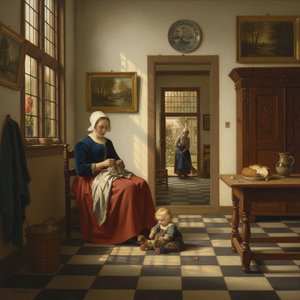
Pieter de Hooch: Illuminating Dutch Domestic Life & Golden Age Charm
Explore the captivating world of Pieter de Hooch, a master of Dutch Golden Age painting. Discover his innovative use of light, intimate domestic scenes, and lasting influence on art history. Learn more at ArtsDot.