 Preview
 Send
Send Share
Share
 Details

 Download
 Similars
 X-Ray
X-Ray Diaporama
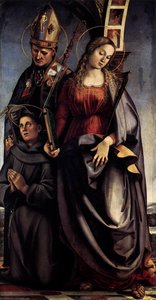
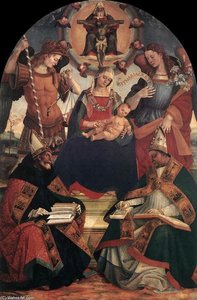
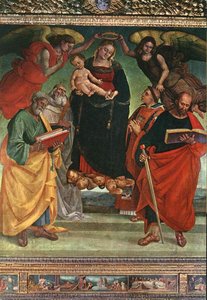
Madonna and Child with Saints


 Read More
Hand Made Oil Reproduction
Hand-painted oil on canvas in your size and frame, made to order by our artists. ( Buy Print Buy Image)




P118B $10

P118H $10

P118W $10

P438Z $10

P508JH $12

P508YH $12

P805H $10

P805Z $10

P919BZ $10

P919G $10

P919XJ $10

P959ZH $10

P968JZ $12

W106C $8

W218G $10

W218JH $8

W218Y $10

W307PJ $10

W316G $10

W316PJ $8

W316Y $10

W398PJ $8

W4111J $10

W500HY $15

W500JH $15

W692G $12

W849H $8

W940BG $15

W953PJ $8




Pick from our preset sizes that match the artwork's original proportions.

You may enter your own dimensions to fit a specific frame or space. If your selected size does not match the original image's proportions, we will either crop the artwork or extend the painting with additional hand-painted elements. A digital mockup will be sent for your approval before production begins.
Please note that the on-screen preview does not reflect the actual cropping or extension. Only the mockup will accurately show the final composition.
While custom sizes are available, we recommend selecting a dimension from the predefined list to preserve the original proportions.
After order, ArtsDot.com team will email client for instructions and provide a mockup preview
Worldwide Delivery () in 3/4 weeks instead of standard 5 weeks. (16 August). No compromise on quality.

Free Worldwide Express Shipping

High-Quality Linen Canvas

Full Shipping Insurance

Customs Tax Refund Guarantee

True Color Matching Guarantee

60-Day Return Policy (Defects Only)

100% Money-Back Guarantee

Bulk Discount Offer
 Glass option is only available in size under 110 CM

Madonna and Child with Saints
Reproduction Medium
Reproduction Size
-


Total Price
$ 263
Artwork Description
Luca Signorelli’s “Madonna and Child with Saints”: A Renaissance Tapestry of Faith and Form
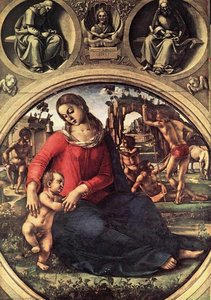
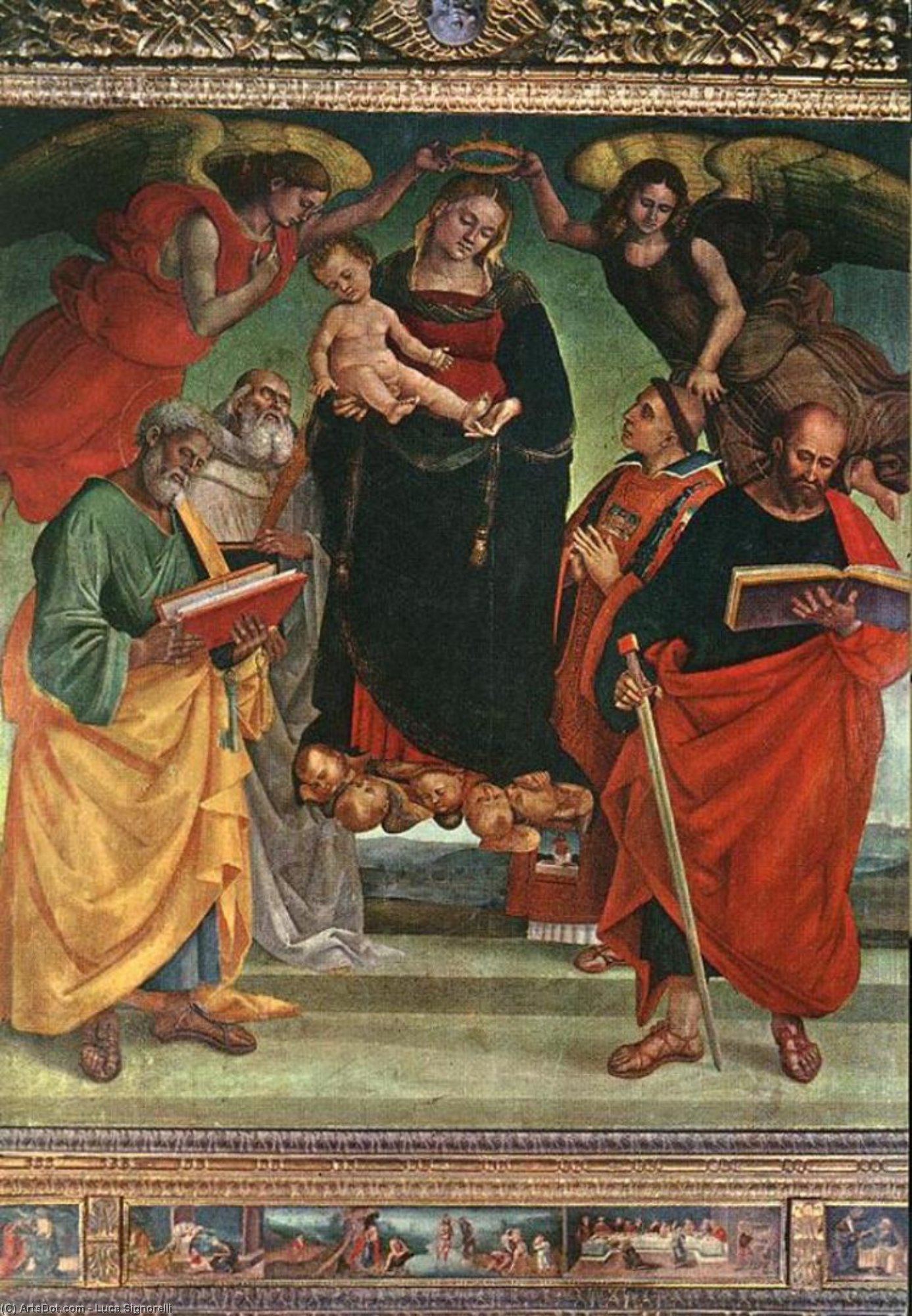
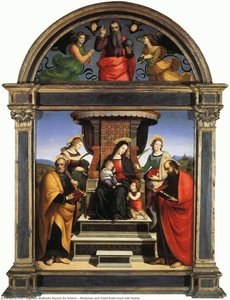
Luca Signorelli's "Madonna and Child with Saints," painted around 1515, isn’t merely a devotional image; it’s a profound meditation on faith, humanity, and the divine rendered in the luminous language of the High Renaissance. This masterpiece, currently residing within the National Gallery’s collection in London, offers a captivating glimpse into the artist's masterful command of form, color, and symbolism – elements that continue to resonate with viewers centuries later.
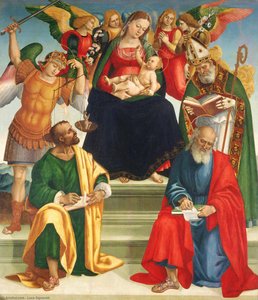
The painting immediately draws the eye to its central figures: Mary, serene and dignified, cradling the infant Jesus. Signorelli’s depiction of the Virgin is remarkably humanistic; she isn't an ethereal goddess but a woman imbued with grace and tenderness. Her gaze is gentle, inviting contemplation, while her posture exudes quiet strength. The baby Christ, rendered with exquisite detail – from the delicate folds of his garments to the subtle expression on his face – embodies innocence and divine power. Surrounding them are a carefully selected group of saints, each contributing to the narrative tapestry of Christian iconography. These aren’t simply decorative figures; they represent key moments in the Bible and embody virtues such as charity, justice, and wisdom.
A Symphony of Color and Technique
Signorelli's technical prowess is immediately apparent in the painting’s vibrant palette and masterful use of oil paint. He employs a rich, layered technique—a hallmark of his style—creating an illusion of depth and texture through subtle gradations of color and meticulous detailing. Notice how he skillfully renders the drapery, allowing it to flow realistically around the figures while simultaneously contributing to the overall sense of volume. The use of gold leaf, particularly in the halos surrounding Mary and Christ, adds a radiant quality to the scene, elevating it beyond the earthly realm. Signorelli’s deep understanding of perspective is also evident; the figures recede into the background with remarkable accuracy, creating a convincing illusion of space.
The painting's composition is carefully balanced, drawing the eye from the central Madonna and Child to the surrounding saints and culminating in the architectural setting. The use of foreshortening – particularly noticeable in the depiction of the two men in red robes—demonstrates Signorelli’s exceptional skill as a draftsman and his ability to capture the illusion of three-dimensional space on a flat surface. This technique, borrowed from classical art, adds dynamism and realism to the scene.
Symbolism and Historical Context
“Madonna and Child with Saints” is deeply rooted in the religious beliefs and artistic conventions of its time. The painting’s subject matter—the Virgin Mary and infant Jesus—was a popular theme during the Renaissance, reflecting the era's renewed interest in classical art and Christian iconography. However, Signorelli imbues this familiar subject with his own unique vision. The inclusion of specific saints – Jerome, Nicholas, and others – carries symbolic weight, representing virtues and embodying aspects of Christian theology. The presence of the two men in red robes, reminiscent of scholars or religious figures, suggests a dialogue between faith and reason, highlighting the importance of both in understanding God’s will.
Painted around 1515, the work reflects the artistic climate of Florence and Tuscany during the High Renaissance. Signorelli's training under Piero della Francesca undoubtedly influenced his style, while he also drew inspiration from the works of Fra Angelico and other masters. The painting’s provenance—tracing back through a series of aristocratic collections—offers insight into its historical significance and its journey through centuries of art history. The fact that it was acquired by the National Gallery demonstrates its enduring value as a masterpiece of Renaissance art.
A Timeless Masterpiece
“Madonna and Child with Saints” is more than just a beautiful painting; it’s a profound expression of faith, humanity, and artistic genius. Signorelli's masterful technique, combined with his deep understanding of symbolism and historical context, creates an image that continues to captivate viewers today. Its luminous colors, dynamic composition, and evocative imagery invite contemplation and offer a glimpse into the heart of Renaissance art—a testament to the enduring power of faith and beauty.
Related Artworks
Artist Biography
early life and training
lucca signorelli, an italian renaissance painter, was born in cortona, tuscany, around 1450. his birthdate is uncertain, but it is believed to be between 1441 and 1445. he was known for his exceptional skill as a draftsman and his use of foreshortening.artistic career
signorelli's first impressions of art seem to have originated in perugia, where he was influenced by the styles of artists such as benedetto bonfigli,notable works
* the last judgment (1499-1503), orvieto cathedral - considered his masterpiece, this massive fresco showcases signorelli's skill in depicting the apocalypse and the last judgment. * the polyptych of st. medard (1507), museum san medardo, arcevia, italy - a prime example of signorelli's work, featuring a highly detailed and naturalistic depiction of the human form.art movement
signorelli was part of the italian renaissance movement, which marked the transition between medieval and early modern europe. this period saw a renewed emphasis on classical traditions, naturalism, and humanism.- the early renaissance art movement - a brief introduction to the art movement that shaped the course of art history.
- fra angelico - the renowned artist who influenced signorelli's work and was known for his exceptional skill as a painter.
- luca signorelli - a brief biography of the artist, featuring his notable works and art movement.
legacy
signorelli's work had a significant impact on the development of renaissance art. his use of foreshortening and skill as a draftsman influenced many artists who followed in his footsteps. as a prominent figure in the italian renaissance, signorelli's legacy continues to be celebrated through his works, which can be found in various museums and cathedrals throughout italy. important dates: * 1450: born in cortona, tuscany * 1499-1503: created the last judgment, orvieto cathedral * 1523: passed away, leaving behind a legacy of exceptional art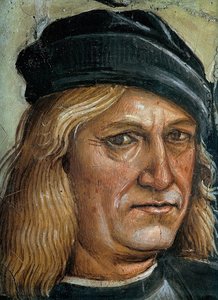
Luca Signorelli
1450 - 1523 , Italy
Quick Facts
- Artistic Movement Or Style: Renaissance
- Artists Or Movements Influenced By This Artist: ['Fra Angelico']
- Artists Who Influenced This Artist: ['Piero della Francesca']
- Date Of Death: 16 October 1523
- Full Name: Luca di Egidio di Ventura Signorelli
- Nationality: Italian
- Notable Artworks:
- The Last Judgment
- School of Pan
- Place Of Birth: Cortona, Italy
Related Articles
Raphael's Masterpieces: 25 Iconic Paintings & Renaissance Art for Your Home
Explore 25 breathtaking Raphael paintings! Journey through the Italian Renaissance with masterpieces like 'School of Athens' & iconic Madonnas. Find museum-quality art reproductions and elevate your home decor on ArtsDot.com.
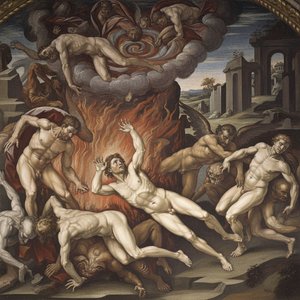
Luca Signorelli: Renaissance Innovation & Dramatic Foreshadowing of Modern Artistic Expression
Explore the revolutionary art of Luca Signorelli, a High Renaissance master renowned for his dramatic frescoes & anatomical precision. Discover his lasting impact on art history and techniques like foreshortening.
Uffizi's 25 Masterpieces: Renaissance Art & Timeless Decor Inspiration
Journey through the Uffizi Gallery's 25 most iconic Renaissance artworks! Explore Botticelli, Leonardo da Vinci & Michelangelo’s masterpieces. Find museum-quality art reproductions and curated decor ideas to bring timeless Italian beauty into your home. Discover all masterpieces on ArtsDot.com
Alte Pinakothek's Masterpieces: 25 Iconic Paintings for Art Lovers | ArtsDot
Journey through Alte Pinakothek's 25 most iconic paintings! Explore masterpieces by Dürer, Rembrandt & Rubens. Discover art history, techniques & find museum-quality reproductions for your home at ArtsDot.com.

Fra Angelico's Masterpieces: 25 Renaissance Paintings for Your Home | ArtsDot
Explore 25 breathtaking masterpieces by Fra Angelico, a Renaissance master. Discover the stories behind his iconic frescoes, Annunciations & religious art. Find museum-quality reproductions and elevate your home decor with ArtsDot.com.