 Preview
 Send
Send Share
Share
 Details

 Download
 Similars
 X-Ray
X-Ray Diaporama
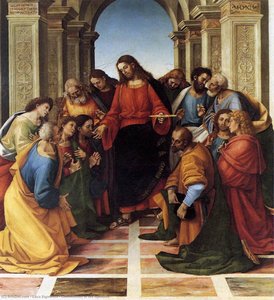
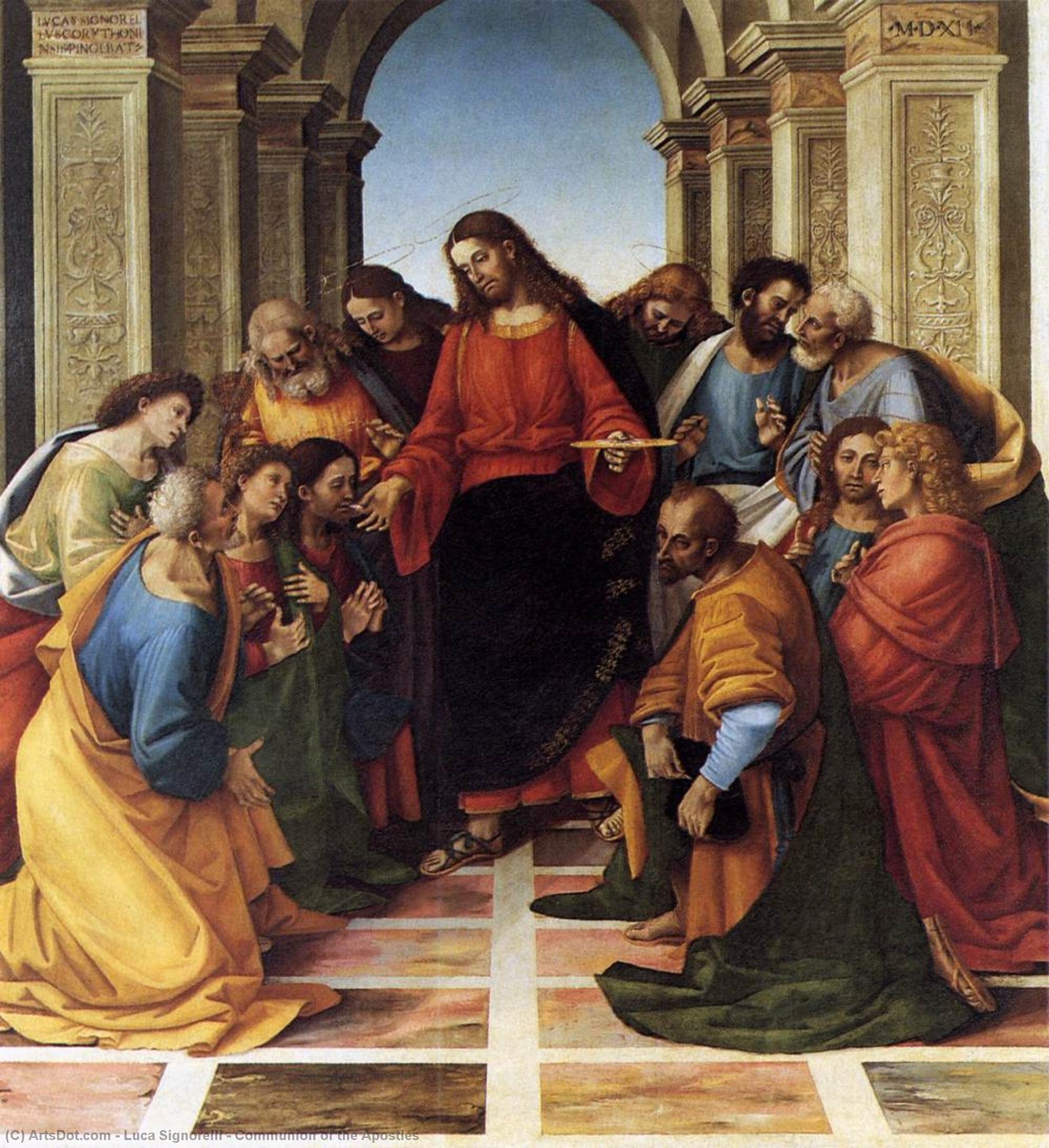
Communion of the Apostles
 Acrylic On Canvas
- WallArt
- Baroque
 1512
1512 232.0 x 220.0 cm
 Museo Diocesano
 Read More
Hand Made Oil Reproduction
Hand-painted oil on canvas in your size and frame, made to order by our artists. ( Buy Print Buy Image)




P118B $10

P118H $10

P118W $10

P438Z $10

P508JH $12

P508YH $12

P805H $10

P805Z $10

P919BZ $10

P919G $10

P919XJ $10

P959ZH $10

P968JZ $12

W106C $8

W218G $10

W218JH $8

W218Y $10

W307PJ $10

W316G $10

W316PJ $8

W316Y $10

W398PJ $8

W4111J $10

W500HY $15

W500JH $15

W692G $12

W849H $8

W940BG $15

W953PJ $8




Pick from our preset sizes that match the artwork's original proportions.

You may enter your own dimensions to fit a specific frame or space. If your selected size does not match the original image's proportions, we will either crop the artwork or extend the painting with additional hand-painted elements. A digital mockup will be sent for your approval before production begins.
Please note that the on-screen preview does not reflect the actual cropping or extension. Only the mockup will accurately show the final composition.
While custom sizes are available, we recommend selecting a dimension from the predefined list to preserve the original proportions.
After order, ArtsDot.com team will email client for instructions and provide a mockup preview
Worldwide Delivery () in 3/4 weeks instead of standard 5 weeks. (16 August). No compromise on quality.

Free Worldwide Express Shipping

High-Quality Linen Canvas

Full Shipping Insurance

Customs Tax Refund Guarantee

True Color Matching Guarantee

60-Day Return Policy (Defects Only)

100% Money-Back Guarantee

Bulk Discount Offer
 Glass option is only available in size under 110 CM

Communion of the Apostles
Reproduction Medium
Reproduction Size
-


Total Price
$ 263
Artwork Description
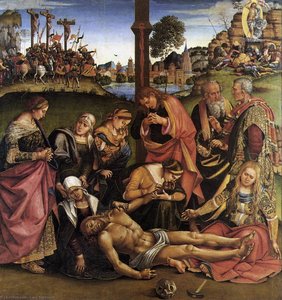
Luca Signorelli’s Communion of the Apostles: A Moment Frozen in Tuscan Renaissance Faith
Luca Signorelli, born around 1450 in Cortona, Tuscany, stands as a pivotal figure within the Florentine Renaissance, renowned not merely for his prolific output but for his unparalleled mastery of disegno – drawing – and his profound understanding of humanist ideals. His legacy rests primarily on monumental frescoes adorning Orvieto Cathedral’s Upper Chapel, specifically “The Last Judgment,” which cemented his reputation as one of the era's foremost artists. However, Signorelli’s artistic journey extended beyond ecclesiastical commissions, encompassing projects in Arezzo and Siena, demonstrating a versatility that reflects the broader intellectual currents shaping Renaissance Italy. This meticulous draftsman honed his skills under the tutelage of Piero della Francesca, absorbing influences from masters like Benedetto Bonfigli and Pinturicchio – artists who championed naturalism and expressive realism.A Study in Foreshortening and Dramatic Composition
Signorelli’s distinctive style is characterized by an astonishing command of foreshortening—a technique that convincingly portrays depth and perspective—which he employed with breathtaking precision throughout his oeuvre. This masterful manipulation of spatial illusion elevates the visual impact of his paintings, creating a palpable sense of immediacy and realism. Furthermore, Signorelli skillfully orchestrates dramatic compositions, guiding the viewer’s gaze towards key figures and emphasizing emotional intensity. The “Communion of the Apostles,” painted circa 1512, exemplifies these stylistic hallmarks perfectly; it's not simply a depiction of biblical narrative but an embodiment of Renaissance artistic ambition.The Fresco Technique: Layered Color and Texture
Signorelli’s technique involved applying pigment onto wet plaster—a process known as fresco—resulting in durable, luminous paintings that retain their vibrancy for centuries. This method demanded painstaking planning and execution, requiring artists to prepare the wall surface meticulously and apply paint in successive layers while the plaster remained workable. Signorelli achieved remarkable textural effects through careful blending of pigments and layering glazes, capturing subtle nuances of light and shadow—a hallmark of Florentine painting during this period. The resulting surface possesses a velvety smoothness that enhances the visual richness of the scene.Symbolism Rooted in Christian Tradition
The “Communion of the Apostles” transcends mere representation; it’s imbued with profound theological symbolism. Jesus Christ, positioned at the center of the composition, holds aloft the Eucharist—the consecrated bread and wine—representing divine grace and communion with God. The apostles kneeling before him convey humility and reverence, symbolizing their submission to Christ's authority and acceptance of his teachings. The careful positioning of figures contributes to a narrative that underscores the importance of faith and spiritual contemplation – core tenets of Renaissance Christian piety.Emotional Resonance: Reverence and Spiritual Contemplation
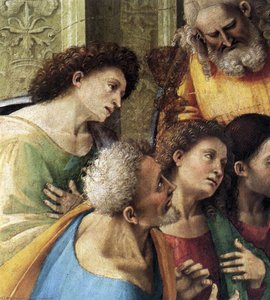
Ultimately, Signorelli’s “Communion of the Apostles” succeeds in evoking a powerful emotional response from the viewer. The artist's masterful use of chiaroscuro—the interplay between light and dark—creates an atmosphere of solemn grandeur, drawing attention to the central figure and amplifying the spiritual significance of the scene. The expressive faces of the apostles convey emotion – awe, devotion, and humility – inviting contemplation on themes of faith, sacrifice, and divine love. It remains a testament to Signorelli’s ability to translate theological concepts into compelling visual art—a masterpiece that continues to inspire admiration for its artistic excellence and spiritual depth.Related Artworks
Artist Biography
early life and training
lucca signorelli, an italian renaissance painter, was born in cortona, tuscany, around 1450. his birthdate is uncertain, but it is believed to be between 1441 and 1445. he was known for his exceptional skill as a draftsman and his use of foreshortening.artistic career
signorelli's first impressions of art seem to have originated in perugia, where he was influenced by the styles of artists such as benedetto bonfigli,notable works
* the last judgment (1499-1503), orvieto cathedral - considered his masterpiece, this massive fresco showcases signorelli's skill in depicting the apocalypse and the last judgment. * the polyptych of st. medard (1507), museum san medardo, arcevia, italy - a prime example of signorelli's work, featuring a highly detailed and naturalistic depiction of the human form.art movement
signorelli was part of the italian renaissance movement, which marked the transition between medieval and early modern europe. this period saw a renewed emphasis on classical traditions, naturalism, and humanism.- the early renaissance art movement - a brief introduction to the art movement that shaped the course of art history.
- fra angelico - the renowned artist who influenced signorelli's work and was known for his exceptional skill as a painter.
- luca signorelli - a brief biography of the artist, featuring his notable works and art movement.
legacy
signorelli's work had a significant impact on the development of renaissance art. his use of foreshortening and skill as a draftsman influenced many artists who followed in his footsteps. as a prominent figure in the italian renaissance, signorelli's legacy continues to be celebrated through his works, which can be found in various museums and cathedrals throughout italy. important dates: * 1450: born in cortona, tuscany * 1499-1503: created the last judgment, orvieto cathedral * 1523: passed away, leaving behind a legacy of exceptional art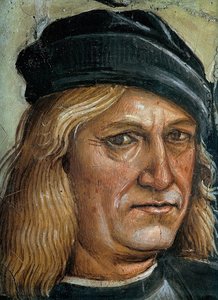
Luca Signorelli
1450 - 1523 , Italy
Quick Facts
- Artistic Movement Or Style: Renaissance
- Artists Or Movements Influenced By This Artist: ['Fra Angelico']
- Artists Who Influenced This Artist: ['Piero della Francesca']
- Date Of Death: 16 October 1523
- Full Name: Luca di Egidio di Ventura Signorelli
- Nationality: Italian
- Notable Artworks:
- The Last Judgment
- School of Pan
- Place Of Birth: Cortona, Italy
Related Articles
Luca Signorelli: Renaissance Innovation & Dramatic Foreshadowing of Modern Artistic Expression
Explore the revolutionary art of Luca Signorelli, a High Renaissance master renowned for his dramatic frescoes & anatomical precision. Discover his lasting impact on art history and techniques like foreshortening.

The Fresco as Family Legacy: Preserving Heritage Through Wall Art
Explore the rich history & enduring legacy of fresco painting. Discover how to preserve family heritage through stunning wall art. Expert insights & restoration guidance.

The Enduring Legacy of Fresco Painting: Techniques, History & Contemporary Relevance
Explore the rich history & enduring artistry of fresco painting – from Giotto to Michelangelo! Discover techniques, conservation efforts, & modern applications. Learn how ArtsDot brings this timeless art form to your home.

The Enduring Legacy of Fresco: Technique, History & Artistic Expression Across Cultures
Explore the rich history & enduring legacy of fresco painting! Discover ancient techniques, Giotto's masterpieces, and modern applications. Expert insights for art lovers & professionals.

Art That Lives With You: The Emotional Power of a Custom Interior Fresco
Discover the emotional power & timeless beauty of custom interior frescoes. Explore history, design tips & expert guidance from – creating lasting legacies.