 Preview
 Send
Send Share
Share
 Details

 Download
 Similars
 X-Ray
X-Ray Diaporama
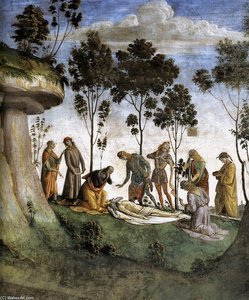
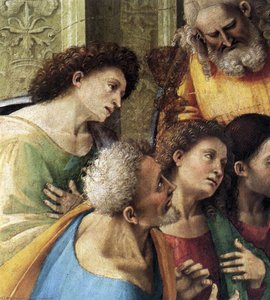
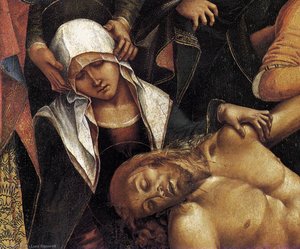
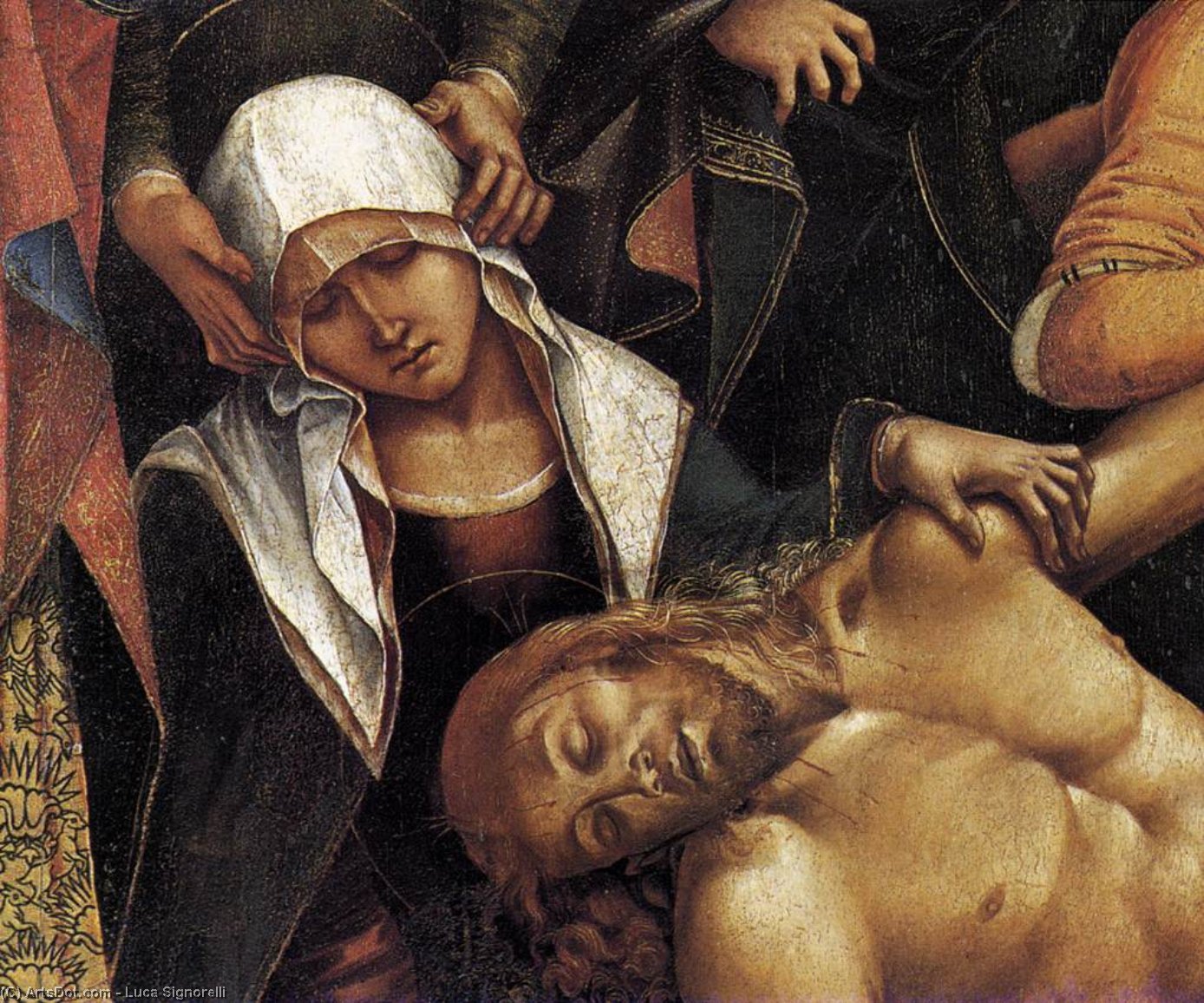
Lamentation over the Dead Christ (detail)


 Read More
Hand Made Oil Reproduction
Hand-painted oil on canvas in your size and frame, made to order by our artists. ( Buy Print Buy Image)




P118B $10

P118H $10

P118W $10

P438Z $10

P508JH $12

P508YH $12

P805H $10

P805Z $10

P919BZ $10

P919G $10

P919XJ $10

P959ZH $10

P968JZ $12

W106C $8

W218G $10

W218JH $8

W218Y $10

W307PJ $10

W316G $10

W316PJ $8

W316Y $10

W398PJ $8

W4111J $10

W500HY $15

W500JH $15

W692G $12

W849H $8

W940BG $15

W953PJ $8




Pick from our preset sizes that match the artwork's original proportions.

You may enter your own dimensions to fit a specific frame or space. If your selected size does not match the original image's proportions, we will either crop the artwork or extend the painting with additional hand-painted elements. A digital mockup will be sent for your approval before production begins.
Please note that the on-screen preview does not reflect the actual cropping or extension. Only the mockup will accurately show the final composition.
While custom sizes are available, we recommend selecting a dimension from the predefined list to preserve the original proportions.
After order, ArtsDot.com team will email client for instructions and provide a mockup preview
Worldwide Delivery () in 3/4 weeks instead of standard 5 weeks. (16 August). No compromise on quality.

Free Worldwide Express Shipping

High-Quality Linen Canvas

Full Shipping Insurance

Customs Tax Refund Guarantee

True Color Matching Guarantee

60-Day Return Policy (Defects Only)

100% Money-Back Guarantee

Bulk Discount Offer
 Glass option is only available in size under 110 CM

Lamentation over the Dead Christ (detail)
Reproduction Medium
Reproduction Size
-


Total Price
$ 263
Artwork Description
Luca Signorelli’s Lamentation over the Dead Christ (Detail): A Study in Grief and Foreshortening
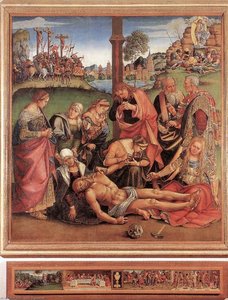
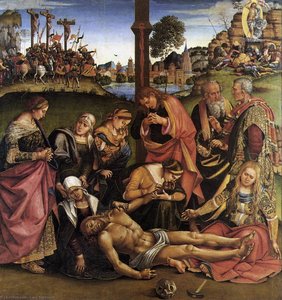
Luca Signorelli's Lamentation over the Dead Christ, painted in 1502 for the church of Santa Margherita in Arezzo, stands as a poignant testament to Renaissance artistic mastery and profound spiritual contemplation. This exquisite detail captures a pivotal moment within Michelangelo Buonarroti’s monumental fresco cycle—a scene depicting Mary Magdalene, Nicodemus, Joseph of Arimathea, Mary Cleophas, and Saint John the Evangelist gathered around the lifeless body of Jesus Christ after his crucifixion.
- Subject Matter & Narrative Depth: Signorelli skillfully portrays a deeply emotive tableau. The figures are not merely mourning; they embody palpable sorrow—a visceral reaction to the unimaginable loss of their divine savior. Each expression, posture, and gesture communicates grief with breathtaking accuracy, reflecting the psychological realism characteristic of Renaissance art.
- Style & Technique: Signorelli’s approach aligns perfectly with the prevailing stylistic trends of his time – primarily influenced by Filippo Brunelleschi's innovations in perspective—particularly evident in the dramatic foreshortening employed to depict Jesus’ body. This technique creates an illusion of depth, pulling the viewer into the scene and intensifying the emotional impact.
- Color Palette & Composition: The muted color palette—dominated by earthy tones—contributes significantly to the solemn atmosphere. Signorelli utilizes subtle gradations of shade to sculpt the figures’ forms, emphasizing their physicality while simultaneously conveying spiritual vulnerability. The composition is carefully balanced, guiding the eye across the scene and focusing attention on Jesus' central position.
- Historical Context: Painted during the High Renaissance, this artwork reflects the humanist ideals that permeated Florentine culture. Signorelli’s depiction of grief aligns with the broader artistic preoccupation with human emotion and experience—a departure from medieval iconography which often prioritized theological symbolism over psychological realism.
The emotional resonance of Lamentation transcends mere visual representation; it speaks to universal themes of loss, compassion, and faith. Signorelli’s meticulous attention to detail—from the folds of Mary Magdalene's robe to the anguished gaze of Saint John—elevates this fresco beyond a simple depiction of sorrow into an enduring symbol of human suffering and divine mercy. Its influence can be seen in subsequent artistic endeavors, cementing Signorelli’s place as one of the foremost painters of his era.
- Symbolism: The positioning of the figures—clustered around Jesus—represents the collective mourning of humanity for its fallen God. Mary Magdalene's outstretched hand symbolizes compassion and maternal sorrow, while Nicodemus’ gesture embodies humility and spiritual inquiry. These symbolic gestures underscore the profound theological significance of the scene.
A reproduction of Signorelli’s Lamentation offers an opportunity to experience firsthand the brilliance of Renaissance artistry—a captivating glimpse into a moment of intense emotion captured with unparalleled skill and sensitivity. Its enduring beauty continues to inspire admiration and contemplation centuries after its creation.
Related Artworks
Artist Biography
early life and training
lucca signorelli, an italian renaissance painter, was born in cortona, tuscany, around 1450. his birthdate is uncertain, but it is believed to be between 1441 and 1445. he was known for his exceptional skill as a draftsman and his use of foreshortening.artistic career
signorelli's first impressions of art seem to have originated in perugia, where he was influenced by the styles of artists such as benedetto bonfigli,notable works
* the last judgment (1499-1503), orvieto cathedral - considered his masterpiece, this massive fresco showcases signorelli's skill in depicting the apocalypse and the last judgment. * the polyptych of st. medard (1507), museum san medardo, arcevia, italy - a prime example of signorelli's work, featuring a highly detailed and naturalistic depiction of the human form.art movement
signorelli was part of the italian renaissance movement, which marked the transition between medieval and early modern europe. this period saw a renewed emphasis on classical traditions, naturalism, and humanism.- the early renaissance art movement - a brief introduction to the art movement that shaped the course of art history.
- fra angelico - the renowned artist who influenced signorelli's work and was known for his exceptional skill as a painter.
- luca signorelli - a brief biography of the artist, featuring his notable works and art movement.
legacy
signorelli's work had a significant impact on the development of renaissance art. his use of foreshortening and skill as a draftsman influenced many artists who followed in his footsteps. as a prominent figure in the italian renaissance, signorelli's legacy continues to be celebrated through his works, which can be found in various museums and cathedrals throughout italy. important dates: * 1450: born in cortona, tuscany * 1499-1503: created the last judgment, orvieto cathedral * 1523: passed away, leaving behind a legacy of exceptional art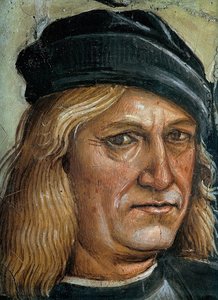
Luca Signorelli
1450 - 1523 , Italy
Quick Facts
- Artistic Movement Or Style: Renaissance
- Artists Or Movements Influenced By This Artist: ['Fra Angelico']
- Artists Who Influenced This Artist: ['Piero della Francesca']
- Date Of Death: 16 October 1523
- Full Name: Luca di Egidio di Ventura Signorelli
- Nationality: Italian
- Notable Artworks:
- The Last Judgment
- School of Pan
- Place Of Birth: Cortona, Italy
Related Articles
Luca Signorelli: Renaissance Innovation & Dramatic Foreshadowing of Modern Artistic Expression
Explore the revolutionary art of Luca Signorelli, a High Renaissance master renowned for his dramatic frescoes & anatomical precision. Discover his lasting impact on art history and techniques like foreshortening.
Fra Angelico's Masterpieces: 25 Renaissance Paintings for Your Home | ArtsDot
Explore 25 breathtaking masterpieces by Fra Angelico, a Renaissance master. Discover the stories behind his iconic frescoes, Annunciations & religious art. Find museum-quality reproductions and elevate your home decor with ArtsDot.com.
Sacred Narratives on Canvas: Exploring Religious Scenes & Their Enduring Influence
Explore the rich history of religious art from Giotto to the Renaissance masters with ArtsDot. Discover symbolism, techniques & enduring legacies. Museum-quality reproductions available.
Sacred Narratives Embodied: A Comprehensive Exploration of Religious Iconography in Art History
Explore the rich history of religious iconography in art! Discover symbolism, movements & masterpieces from Byzantine to Renaissance periods. Expert insights for collectors and enthusiasts at ArtsDot.
Proto-Renaissance Masters: 10 Artworks That Changed History | ArtsDot
Journey back to the dawn of Renaissance art! Explore 10 iconic Proto-Renaissance masterpieces by Giotto, Cimabue & Duccio. Discover their stories, techniques & lasting impact. Find museum-quality reproductions for your home at ArtsDot.com