 Preview
 Send
Send Share
Share
 Details

 Download
 Similars
 X-Ray
X-Ray Diaporama
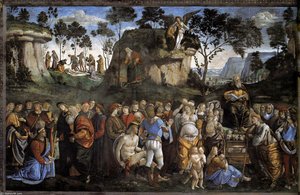
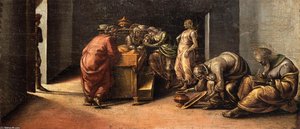
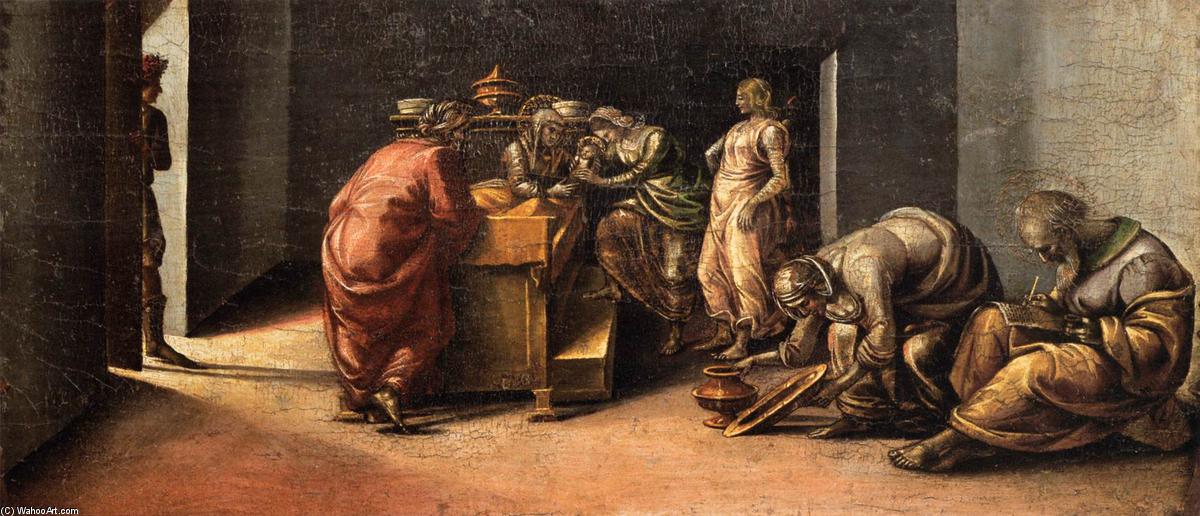
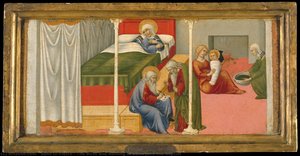
The Birth of St John the Baptist
 Acrylic On Canvas
- WallArt
- Renaissance
 1485
1485 31.0 x 70.0 cm
 The Louvre
 Read More
Hand Made Oil Reproduction
Hand-painted oil on canvas in your size and frame, made to order by our artists. ( Buy Print Buy Image)




P118B $10

P118H $10

P118W $10

P438Z $10

P508JH $12

P508YH $12

P805H $10

P805Z $10

P919BZ $10

P919G $10

P919XJ $10

P959ZH $10

P968JZ $12

W106C $8

W218G $10

W218JH $8

W218Y $10

W307PJ $10

W316G $10

W316PJ $8

W316Y $10

W398PJ $8

W4111J $10

W500HY $15

W500JH $15

W692G $12

W849H $8

W940BG $15

W953PJ $8




Pick from our preset sizes that match the artwork's original proportions.

You may enter your own dimensions to fit a specific frame or space. If your selected size does not match the original image's proportions, we will either crop the artwork or extend the painting with additional hand-painted elements. A digital mockup will be sent for your approval before production begins.
Please note that the on-screen preview does not reflect the actual cropping or extension. Only the mockup will accurately show the final composition.
While custom sizes are available, we recommend selecting a dimension from the predefined list to preserve the original proportions.
After order, ArtsDot.com team will email client for instructions and provide a mockup preview
Worldwide Delivery () in 3/4 weeks instead of standard 5 weeks. (16 August). No compromise on quality.

Free Worldwide Express Shipping

High-Quality Linen Canvas

Full Shipping Insurance

Customs Tax Refund Guarantee

True Color Matching Guarantee

60-Day Return Policy (Defects Only)

100% Money-Back Guarantee

Bulk Discount Offer
 Glass option is only available in size under 110 CM

The Birth of St John the Baptist
Reproduction Medium
Reproduction Size
-


Total Price
$ 263
Artwork Description
Luca Signorelli’s Narrative of Faith: The Birth of St. John the Baptist
Luca Signorelli's "The Birth of St. John the Baptist," painted in 1485-90, isn’t merely a depiction of a biblical event; it’s a vibrant tableau brimming with humanist ideals and Renaissance artistry. This fresco, now housed within the walls of the Cappella Nuova in Orvieto Cathedral, transports the viewer into a bustling scene of familial joy and divine intervention – a microcosm of faith rendered with astonishing realism and emotional depth. Signorelli, a master draftsman and colorist, eschews the stark formality often associated with early Renaissance religious painting, instead opting for a dynamic composition that feels remarkably alive, capturing not just the event itself but also the palpable sense of community surrounding it.
The scene unfolds within a richly appointed room, illuminated by an implied light source that casts dramatic shadows and highlights key figures. A large table dominates the center, laden with food – grapes, bread, wine, and fruit – suggesting a celebratory feast. Around this central hub gather at least twelve individuals: parents, relatives, and attendants, each engaged in conversation or gesture, their faces reflecting a range of emotions from quiet contemplation to boisterous laughter. The inclusion of a simple chair near the left side subtly introduces an element of domesticity, grounding the divine narrative within the everyday realities of human life. Signorelli’s masterful use of foreshortening – particularly evident in the figures receding into the background – creates a powerful sense of depth and spatial awareness, drawing the eye across the entire composition.
A Renaissance Vision: Style and Technique
Signorelli's style is characterized by a remarkable balance between classical influence and Italian realism. He was deeply influenced by the High Renaissance masters like Piero della Francesca, evident in his meticulous attention to detail, precise anatomical rendering, and sophisticated use of perspective. However, Signorelli departs from the idealized forms often favored by his contemporaries, opting for a more earthy and approachable aesthetic. His figures possess a tangible humanity – their faces are expressive, their bodies slightly imperfect – reflecting a humanist interest in portraying the beauty and dignity of the human form. The fresco’s vibrant palette—rich reds, deep blues, and earthy greens—further enhances its visual impact, creating a sense of warmth and vitality.
Technically, Signorelli employed the *buon fresco* method, applying pigments directly to wet plaster. This technique ensures exceptional color fidelity and durability, allowing the painting to retain its brilliance for centuries. The layering of colors—starting with lighter tones and gradually building up to darker shades—creates a remarkable sense of volume and texture. The artist’s skillful manipulation of light and shadow not only defines the forms but also imbues the scene with an atmosphere of drama and mystery, inviting viewers to contemplate the spiritual significance of the event.
Symbolism and Spiritual Resonance
Beyond its immediate depiction of a miraculous birth, “The Birth of St. John the Baptist” is laden with symbolic meaning. The feast itself represents the joy and celebration associated with divine intervention. The presence of multiple figures underscores the communal nature of faith – highlighting that God’s grace is not bestowed upon individuals in isolation but shared among believers. The infant John, depicted as a miniature version of Christ, foreshadows his future role as a prophet and forerunner to Jesus. The scene subtly alludes to the Old Testament prophecies surrounding the coming Messiah, connecting the birth of John with the lineage of David and the promise of salvation.
Furthermore, Signorelli’s choice of setting—a domestic interior—elevates the narrative beyond the purely religious realm, suggesting that faith is an integral part of everyday life. The painting serves as a powerful reminder of the transformative power of divine grace and its ability to infuse even the most ordinary moments with profound meaning. It's a testament to Signorelli’s skill in weaving together artistic technique, humanist ideals, and spiritual symbolism into a truly unforgettable work of art.
Related Artworks
Artist Biography
early life and training
lucca signorelli, an italian renaissance painter, was born in cortona, tuscany, around 1450. his birthdate is uncertain, but it is believed to be between 1441 and 1445. he was known for his exceptional skill as a draftsman and his use of foreshortening.artistic career
signorelli's first impressions of art seem to have originated in perugia, where he was influenced by the styles of artists such as benedetto bonfigli,notable works
* the last judgment (1499-1503), orvieto cathedral - considered his masterpiece, this massive fresco showcases signorelli's skill in depicting the apocalypse and the last judgment. * the polyptych of st. medard (1507), museum san medardo, arcevia, italy - a prime example of signorelli's work, featuring a highly detailed and naturalistic depiction of the human form.art movement
signorelli was part of the italian renaissance movement, which marked the transition between medieval and early modern europe. this period saw a renewed emphasis on classical traditions, naturalism, and humanism.- the early renaissance art movement - a brief introduction to the art movement that shaped the course of art history.
- fra angelico - the renowned artist who influenced signorelli's work and was known for his exceptional skill as a painter.
- luca signorelli - a brief biography of the artist, featuring his notable works and art movement.
legacy
signorelli's work had a significant impact on the development of renaissance art. his use of foreshortening and skill as a draftsman influenced many artists who followed in his footsteps. as a prominent figure in the italian renaissance, signorelli's legacy continues to be celebrated through his works, which can be found in various museums and cathedrals throughout italy. important dates: * 1450: born in cortona, tuscany * 1499-1503: created the last judgment, orvieto cathedral * 1523: passed away, leaving behind a legacy of exceptional art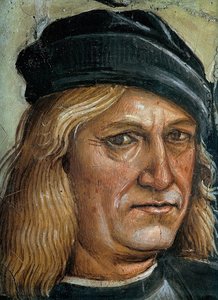
Luca Signorelli
1450 - 1523 , Italy
Quick Facts
- Artistic Movement Or Style: Renaissance
- Artists Or Movements Influenced By This Artist: ['Fra Angelico']
- Artists Who Influenced This Artist: ['Piero della Francesca']
- Date Of Death: 16 October 1523
- Full Name: Luca di Egidio di Ventura Signorelli
- Nationality: Italian
- Notable Artworks:
- The Last Judgment
- School of Pan
- Place Of Birth: Cortona, Italy
Related Articles

The Fresco as Family Legacy: Preserving Heritage Through Wall Art
Explore the rich history & enduring legacy of fresco painting. Discover how to preserve family heritage through stunning wall art. Expert insights & restoration guidance.

John Singer Sargent's 25 Masterpieces: Portraits & Beyond | ArtsDot
Explore 25 iconic John Singer Sargent paintings – from dazzling portraits to Impressionist landscapes. Discover the stories behind Madame X, El Jaleo & more! Find museum-quality art reproductions and elevate your home decor with ArtsDot.com.

John Constable's Masterpieces: Explore 25 Iconic Landscapes for Your Home
Journey through John Constable's 25 most celebrated landscapes. Explore Romanticism, Dedham Vale & his masterful use of light in iconic paintings like 'Hay Wain'. Find museum-quality art reproductions and elevate your home decor on ArtsDot.com.

The Enduring Legacy of Fresco Painting: Techniques, History & Contemporary Relevance
Explore the rich history & enduring artistry of fresco painting – from Giotto to Michelangelo! Discover techniques, conservation efforts, & modern applications. Learn how ArtsDot brings this timeless art form to your home.

The Enduring Legacy of Fresco: Technique, History & Artistic Expression Across Cultures
Explore the rich history & enduring legacy of fresco painting! Discover ancient techniques, Giotto's masterpieces, and modern applications. Expert insights for art lovers & professionals.