 Preview
 Send
Send Share
Share
 Details

 Download
 Similars
 X-Ray
X-Ray Diaporama
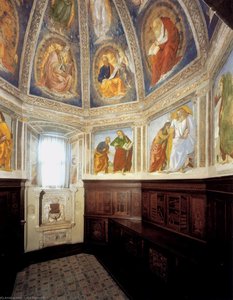
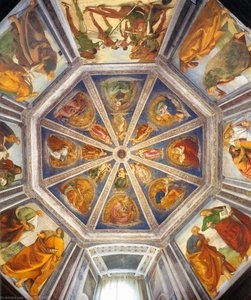
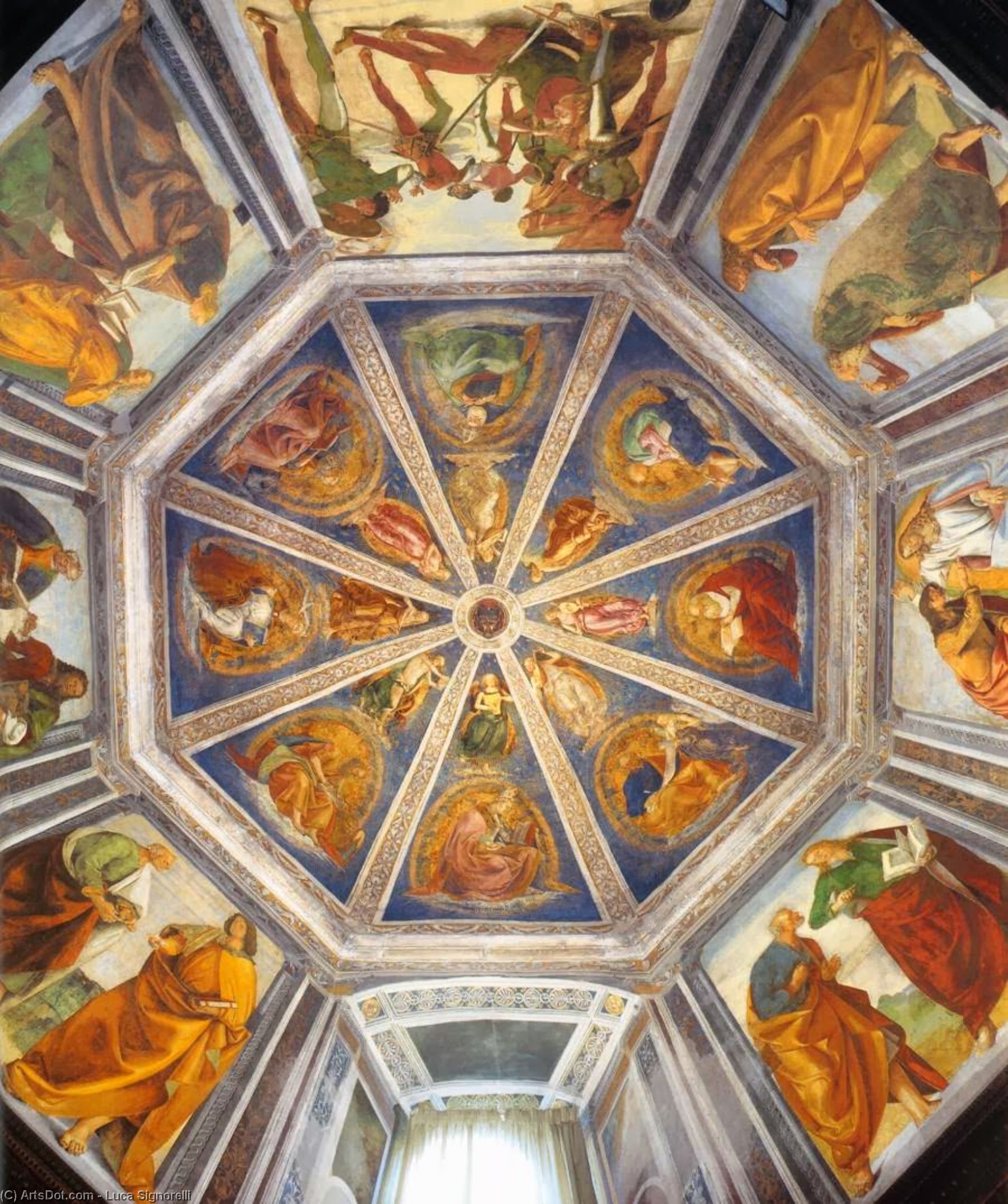
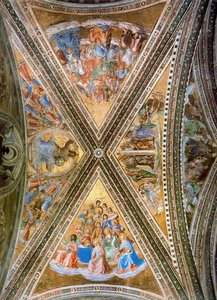
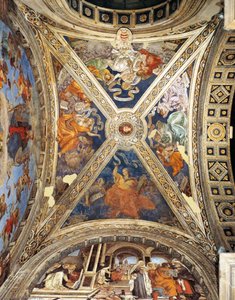
View of the Vaulting of the Sacristy of St John


 Read More
Hand Made Oil Reproduction
Hand-painted oil on canvas in your size and frame, made to order by our artists. ( Buy Print Buy Image)




P118B $10

P118H $10

P118W $10

P438Z $10

P508JH $12

P508YH $12

P805H $10

P805Z $10

P919BZ $10

P919G $10

P919XJ $10

P959ZH $10

P968JZ $12

W106C $8

W218G $10

W218JH $8

W218Y $10

W307PJ $10

W316G $10

W316PJ $8

W316Y $10

W398PJ $8

W4111J $10

W500HY $15

W500JH $15

W692G $12

W849H $8

W940BG $15

W953PJ $8




Pick from our preset sizes that match the artwork's original proportions.

You may enter your own dimensions to fit a specific frame or space. If your selected size does not match the original image's proportions, we will either crop the artwork or extend the painting with additional hand-painted elements. A digital mockup will be sent for your approval before production begins.
Please note that the on-screen preview does not reflect the actual cropping or extension. Only the mockup will accurately show the final composition.
While custom sizes are available, we recommend selecting a dimension from the predefined list to preserve the original proportions.
After order, ArtsDot.com team will email client for instructions and provide a mockup preview
Worldwide Delivery () in 3/4 weeks instead of standard 5 weeks. (7 September). No compromise on quality.

Free Worldwide Express Shipping

High-Quality Linen Canvas

Full Shipping Insurance

Customs Tax Refund Guarantee

True Color Matching Guarantee

100-Day Return Policy (Defects Only)

100% Money-Back Guarantee

Bulk Discount Offer
 Glass option is only available in size under 110 CM

View of the Vaulting of the Sacristy of St John
Reproduction Medium
Reproduction Size
-


Total Price
$ 263
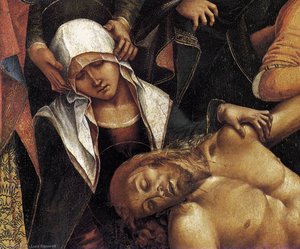
A Celestial Tapestry: Luca Signorelli’s Vision of St John's Sacristy
The Basilica of Santa Casa in Loreto, Italy, houses one of the most breathtaking achievements of the Early Renaissance – Luca Signorelli’s monumental fresco cycle depicting “View of the Vaulting of the Sacristy of St John.” Completed in 1482, this artwork transcends mere decoration; it embodies a profound theological contemplation and represents a pinnacle of artistic innovation. Signorelli's ambition was to capture not just the physical space but also the spiritual essence of Saint John’s sanctuary, resulting in an immersive experience for any viewer.The Fresco Technique: Foreshortening and Depth
Signorelli employed a revolutionary technique known as foreshortening – dramatically compressing perspective to create illusions of depth within the circular vaulting. This masterful manipulation of linear perspective wasn't merely stylistic flourish; it served a crucial purpose in conveying the grandeur and holiness of the basilica’s interior. The artist meticulously studied anatomical proportions, ensuring that figures appeared realistically positioned within the space, enhancing the viewer’s sense of presence and awe. Layers of pigment were applied with painstaking precision, utilizing tempera on plaster – a method favored by Signorelli for its luminosity and ability to achieve vibrant colors.A Symphony of Figures: Religious Symbolism and Narrative Complexity
The fresco depicts thirteen figures arranged in concentric circles around the central medallion depicting Saint John the Evangelist. These figures are not simply portraits; they embody biblical narratives and represent virtues – faith, hope, charity – alongside angelic messengers and saints. Signorelli’s depiction of angels is particularly striking, conveying a sense of divine grace and serenity. Each figure possesses distinct gestures and expressions, contributing to the overall dynamism of the composition. The careful placement of these figures reinforces the basilica's role as a pilgrimage site dedicated to Saint John the Baptist, symbolizing purity and spiritual enlightenment.Historical Context: Renaissance Spirituality and Artistic Patronage
Loreto’s Basilica holds immense significance in Catholic tradition as it houses what is believed to be the Holy House of Nazareth – the birthplace of Jesus Christ. Signorelli's commission reflects the fervent piety of the Florentine Renaissance, where artists sought to elevate religious themes through artistic excellence. Lorenzo de Medici, ruler of Florence and a prominent patron of the arts, recognized Signorelli’s genius and supported his ambitious project. The fresco cycle exemplifies the humanist ideals of the era – celebrating human dignity while simultaneously expressing devotion to God—a testament to the transformative power of art in shaping spiritual understanding.Emotional Resonance: A Momentary Glimpse into Paradise
“View of the Vaulting of the Sacristy of St John” continues to captivate viewers centuries after its creation. The luminous colors, combined with Signorelli’s masterful perspective and expressive figures, evoke a feeling of transcendence—transporting the observer to a realm beyond earthly concerns. It serves as an enduring reminder of the beauty and grandeur attainable through artistic contemplation, inviting us to appreciate the profound spiritual legacy of the Renaissance.Related Artworks
Artist Biography
early life and training
lucca signorelli, an italian renaissance painter, was born in cortona, tuscany, around 1450. his birthdate is uncertain, but it is believed to be between 1441 and 1445. he was known for his exceptional skill as a draftsman and his use of foreshortening.artistic career
signorelli's first impressions of art seem to have originated in perugia, where he was influenced by the styles of artists such as benedetto bonfigli,notable works
* the last judgment (1499-1503), orvieto cathedral - considered his masterpiece, this massive fresco showcases signorelli's skill in depicting the apocalypse and the last judgment. * the polyptych of st. medard (1507), museum san medardo, arcevia, italy - a prime example of signorelli's work, featuring a highly detailed and naturalistic depiction of the human form.art movement
signorelli was part of the italian renaissance movement, which marked the transition between medieval and early modern europe. this period saw a renewed emphasis on classical traditions, naturalism, and humanism.- the early renaissance art movement - a brief introduction to the art movement that shaped the course of art history.
- fra angelico - the renowned artist who influenced signorelli's work and was known for his exceptional skill as a painter.
- luca signorelli - a brief biography of the artist, featuring his notable works and art movement.
legacy
signorelli's work had a significant impact on the development of renaissance art. his use of foreshortening and skill as a draftsman influenced many artists who followed in his footsteps. as a prominent figure in the italian renaissance, signorelli's legacy continues to be celebrated through his works, which can be found in various museums and cathedrals throughout italy. important dates: * 1450: born in cortona, tuscany * 1499-1503: created the last judgment, orvieto cathedral * 1523: passed away, leaving behind a legacy of exceptional art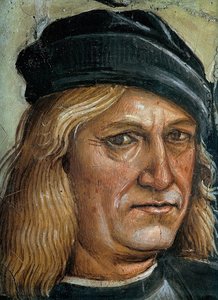
Luca Signorelli
1450 - 1523 , Italy
Quick Facts
- Artistic Movement Or Style: Renaissance
- Artists Or Movements Influenced By This Artist: ['Fra Angelico']
- Artists Who Influenced This Artist: ['Piero della Francesca']
- Date Of Death: 16 October 1523
- Full Name: Luca di Egidio di Ventura Signorelli
- Nationality: Italian
- Notable Artworks:
- The Last Judgment
- School of Pan
- Place Of Birth: Cortona, Italy
Related Articles
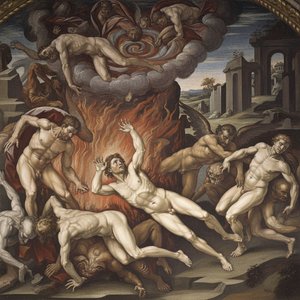
Luca Signorelli: Renaissance Innovation & Dramatic Foreshadowing of Modern Artistic Expression
Explore the revolutionary art of Luca Signorelli, a High Renaissance master renowned for his dramatic frescoes & anatomical precision. Discover his lasting impact on art history and techniques like foreshortening.
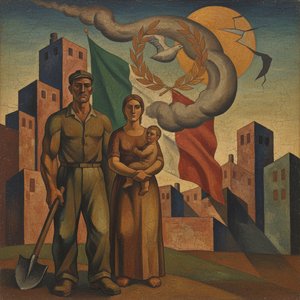
Mario Sironi: A Poetic of Modern Italian Identity Through Symbolism & Social Commentary
Explore the profound works of Mario Sironi, a key figure in Italian Modernism. Discover his evolution from Futurism to Metaphysical painting and his powerful social commentary. Learn about his legacy at ArtsDot.
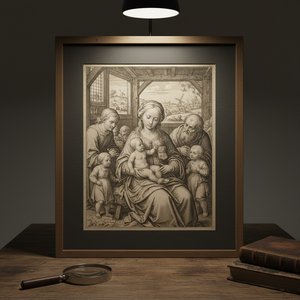
Lucas van Leyden: Innovation & Intimacy in Early Netherlandish Printmaking
Explore the groundbreaking prints of Lucas van Leyden, a Dutch master bridging Gothic detail & Renaissance innovation. Discover his rare works, investment potential, and legacy for discerning collectors.
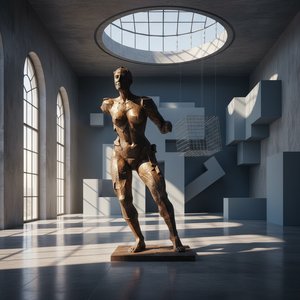
Venanzo Crocetti: A Study in Italian Modernism & Spatial Abstraction
Explore the captivating world of Venanzo Crocetti, a pivotal figure in Italian Modernism. Discover his iconic sculptures, public works, and lasting legacy – a must-read for discerning art collectors.
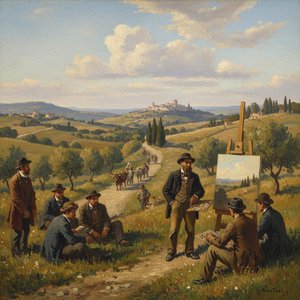
Giovanni Fattori: Realism, Identity & the Tuscan Landscape – A Macchiaioli Master
Explore the life & art of Giovanni Fattori, a leading figure of the Macchiaioli movement. Discover his revolutionary realism, captivating Tuscan landscapes, and lasting impact on Italian painting. Learn more at ArtsDot.