 Preview
 Send
Send Share
Share
 Details

 Download
 Similars
 X-Ray
X-Ray Diaporama
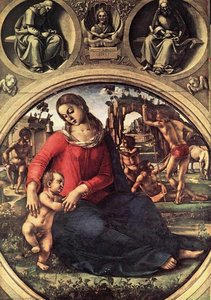
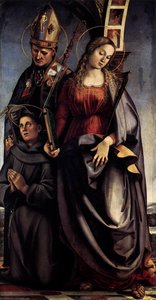
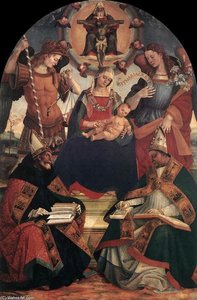
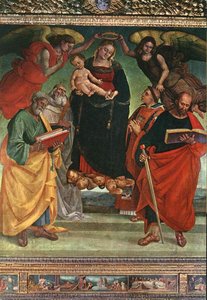
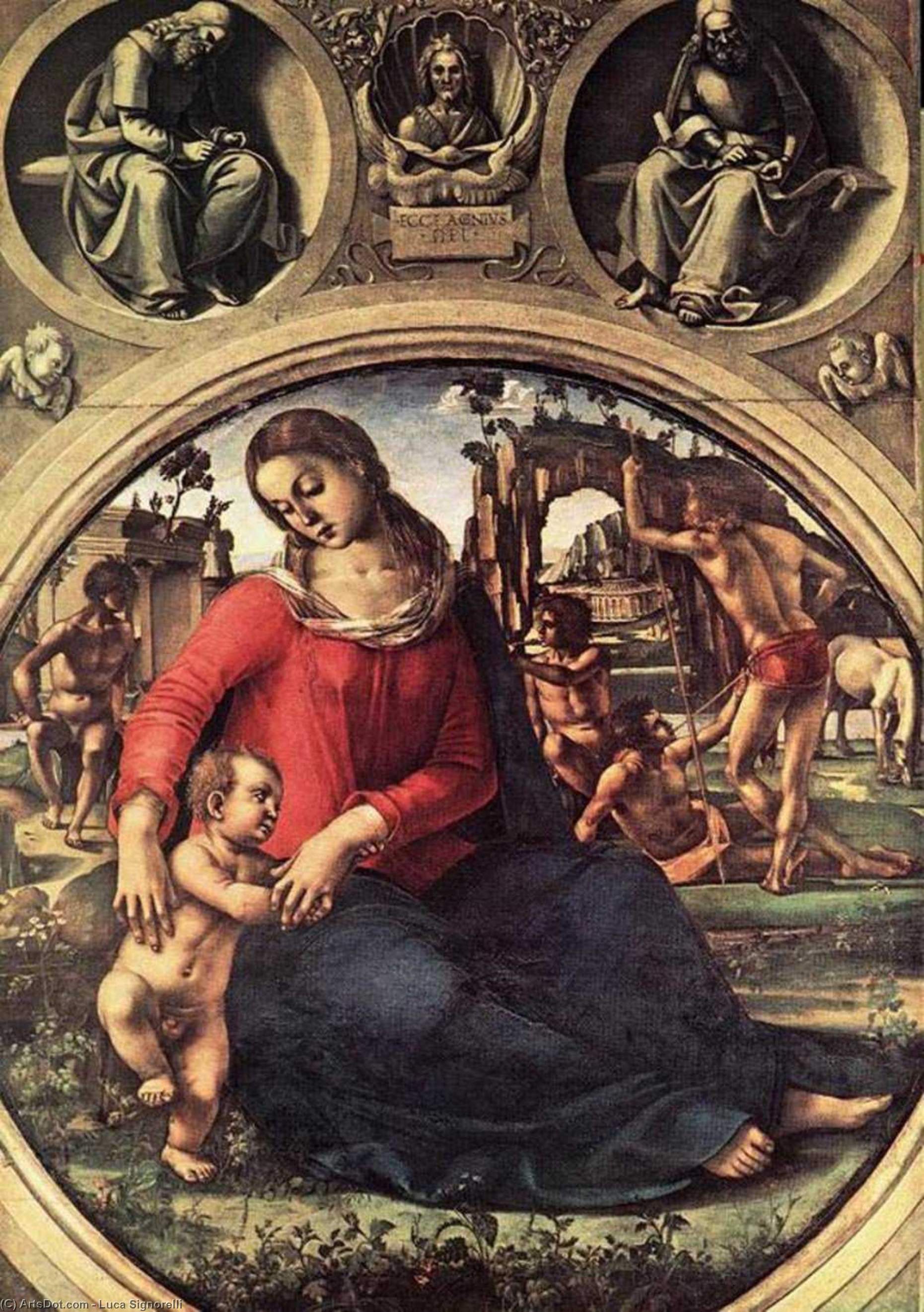
Madonna and Child
 Tempera On Panel
- Renaissance Baroque
 1490
1490- Renaissance
 170.0 x 117.0 cm
 Galleria degli Uffizi
 Read More
Hand Made Oil Reproduction
Hand-painted oil on canvas in your size and frame, made to order by our artists. ( Buy Print Buy Image)




P118B $10

P118H $10

P118W $10

P438Z $10

P508JH $12

P508YH $12

P805H $10

P805Z $10

P919BZ $10

P919G $10

P919XJ $10

P959ZH $10

P968JZ $12

W106C $8

W218G $10

W218JH $8

W218Y $10

W307PJ $10

W316G $10

W316PJ $8

W316Y $10

W398PJ $8

W4111J $10

W500HY $15

W500JH $15

W692G $12

W849H $8

W940BG $15

W953PJ $8




Pick from our preset sizes that match the artwork's original proportions.

You may enter your own dimensions to fit a specific frame or space. If your selected size does not match the original image's proportions, we will either crop the artwork or extend the painting with additional hand-painted elements. A digital mockup will be sent for your approval before production begins.
Please note that the on-screen preview does not reflect the actual cropping or extension. Only the mockup will accurately show the final composition.
While custom sizes are available, we recommend selecting a dimension from the predefined list to preserve the original proportions.
After order, ArtsDot.com team will email client for instructions and provide a mockup preview
Worldwide Delivery () in 3/4 weeks instead of standard 5 weeks. (16 August). No compromise on quality.

Free Worldwide Express Shipping

High-Quality Linen Canvas

Full Shipping Insurance

Customs Tax Refund Guarantee

True Color Matching Guarantee

60-Day Return Policy (Defects Only)

100% Money-Back Guarantee

Bulk Discount Offer
 Glass option is only available in size under 110 CM

Madonna and Child
Reproduction Medium
Reproduction Size
-


Total Price
$ 263
Artwork Description
Luca Signorelli’s Madonna and Child: A Testament to Renaissance Idealism
Luca Signorelli’s “Madonna and Child,” completed around 1490, stands as a cornerstone of Florentine Renaissance art—a painting that transcends mere representation to embody the profound spiritual aspirations of its time. Executed in tempera on panel, this iconic image captures Mary cradling Jesus Christ with an exquisite blend of realism and idealized beauty, reflecting the humanist values championed by Lorenzo de’ Medici’s court.
- Subject Matter: The central focus is undeniably divine – Mary, depicted as a youthful Virgin Mother, tenderly holds her infant son, Jesus. Surrounding them are figures representing saints—Saint John the Baptist and Saint Catherine of Siena—adding layers of theological significance to the composition.
- Style & Technique: Signorelli’s masterful draughtsmanship is immediately apparent in the meticulous detail with which he portrays Mary's face and hands, demonstrating his unwavering commitment to anatomical accuracy – a hallmark of Renaissance artistic innovation. The use of *sfumato*, pioneered by Leonardo da Vinci, lends an ethereal quality to the painting, softening contours and creating subtle gradations of light and shadow that imbue the scene with warmth and luminosity.
- Historical Context: Painted during the High Renaissance, “Madonna and Child” reflects the burgeoning interest in classical ideals of beauty and proportion alongside Christian piety. It was commissioned by Giovanni Battista Ciuffagni, Bishop of Sora and Amelia, and intended for the chapel of Saint Catherine in Sora Cathedral – a testament to the importance of religious patronage within Florentine society.
Symbolism: Echoes of Antiquity and Divine Grace
Beyond its visual splendor, “Madonna and Child” is rich in symbolic resonance. The circular composition—a deliberate reference to ancient Roman mosaics—represents eternity and divine perfection. Mary’s serene gaze embodies compassion and maternal devotion, while Jesus’ outstretched hand symbolizes humility and acceptance of God's grace. The inclusion of Saint John the Baptist, dressed in camel skin and holding a reed trumpet, recalls images from classical sculpture and signifies repentance and heraldry – preparing for Christ’s arrival.
Emotional Impact: A Window into Renaissance Spirituality
The painting’s enduring appeal lies in its ability to evoke feelings of tranquility and reverence. Signorelli skillfully captures the tenderness between mother and child, conveying a profound sense of spiritual harmony. The golden background—a deliberate choice—symbolizes divine illumination and elevates the scene beyond earthly concerns, inviting contemplation on themes of faith, purity, and redemption. As Giorgio Vasari noted, Signorelli’s work exemplifies “the noble spirit of the Renaissance,” capturing its aspiration for moral excellence and artistic grandeur.
- Further Research: For a deeper understanding of Signorelli's oeuvre and the broader context of Florentine art during the Renaissance, consult Henry (2001) "Luca Signorelli"
Related Artworks
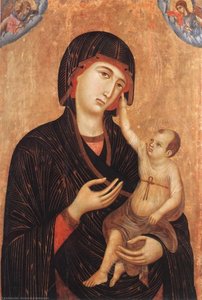
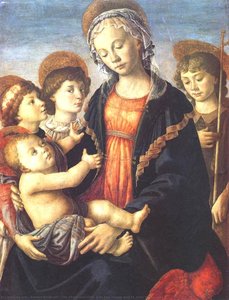
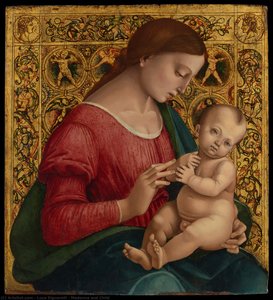
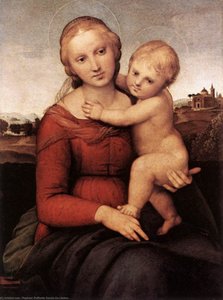
Artist Biography
early life and training
lucca signorelli, an italian renaissance painter, was born in cortona, tuscany, around 1450. his birthdate is uncertain, but it is believed to be between 1441 and 1445. he was known for his exceptional skill as a draftsman and his use of foreshortening.artistic career
signorelli's first impressions of art seem to have originated in perugia, where he was influenced by the styles of artists such as benedetto bonfigli,notable works
* the last judgment (1499-1503), orvieto cathedral - considered his masterpiece, this massive fresco showcases signorelli's skill in depicting the apocalypse and the last judgment. * the polyptych of st. medard (1507), museum san medardo, arcevia, italy - a prime example of signorelli's work, featuring a highly detailed and naturalistic depiction of the human form.art movement
signorelli was part of the italian renaissance movement, which marked the transition between medieval and early modern europe. this period saw a renewed emphasis on classical traditions, naturalism, and humanism.- the early renaissance art movement - a brief introduction to the art movement that shaped the course of art history.
- fra angelico - the renowned artist who influenced signorelli's work and was known for his exceptional skill as a painter.
- luca signorelli - a brief biography of the artist, featuring his notable works and art movement.
legacy
signorelli's work had a significant impact on the development of renaissance art. his use of foreshortening and skill as a draftsman influenced many artists who followed in his footsteps. as a prominent figure in the italian renaissance, signorelli's legacy continues to be celebrated through his works, which can be found in various museums and cathedrals throughout italy. important dates: * 1450: born in cortona, tuscany * 1499-1503: created the last judgment, orvieto cathedral * 1523: passed away, leaving behind a legacy of exceptional art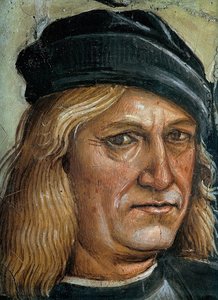
Luca Signorelli
1450 - 1523 , Italy
Quick Facts
- Artistic Movement Or Style: Renaissance
- Artists Or Movements Influenced By This Artist: ['Fra Angelico']
- Artists Who Influenced This Artist: ['Piero della Francesca']
- Date Of Death: 16 October 1523
- Full Name: Luca di Egidio di Ventura Signorelli
- Nationality: Italian
- Notable Artworks:
- The Last Judgment
- School of Pan
- Place Of Birth: Cortona, Italy
Related Articles
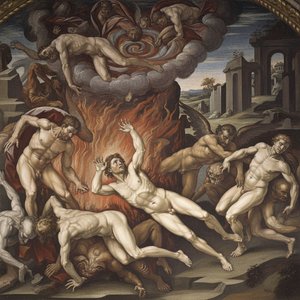
Luca Signorelli: Renaissance Innovation & Dramatic Foreshadowing of Modern Artistic Expression
Explore the revolutionary art of Luca Signorelli, a High Renaissance master renowned for his dramatic frescoes & anatomical precision. Discover his lasting impact on art history and techniques like foreshortening.
Raphael's Masterpieces: 25 Iconic Paintings & Renaissance Art for Your Home
Explore 25 breathtaking Raphael paintings! Journey through the Italian Renaissance with masterpieces like 'School of Athens' & iconic Madonnas. Find museum-quality art reproductions and elevate your home decor on ArtsDot.com.
Uffizi's 25 Masterpieces: Renaissance Art & Timeless Decor Inspiration
Journey through the Uffizi Gallery's 25 most iconic Renaissance artworks! Explore Botticelli, Leonardo da Vinci & Michelangelo’s masterpieces. Find museum-quality art reproductions and curated decor ideas to bring timeless Italian beauty into your home. Discover all masterpieces on ArtsDot.com

Kunsthistorisches Museum's Masterpieces: 25 Art Treasures for Your Home | ArtsDot
Journey through 25 iconic artworks at Vienna's Kunsthistorisches Museum! Explore masterpieces by Raphael, Rembrandt & Vermeer. Discover art history, techniques & find museum-quality reproductions for your home on ArtsDot.com.
25 Klimt Masterpieces: A Journey Through Iconic Art & Decor
Delve into the world of Gustav Klimt with our top 25 masterpieces! Explore his iconic paintings – 'The Kiss,' 'Portrait of Adele,' and more. Discover museum-quality reproductions & curated decor ideas. Explore the full collection online at ArtsDot.com.