 Preview
 Send
Send Share
Share
 Details

 Download
 Similars
 X-Ray
X-Ray Diaporama
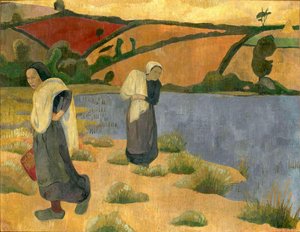
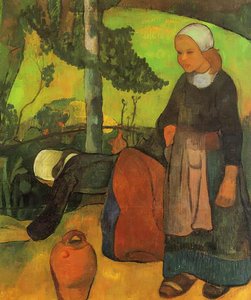
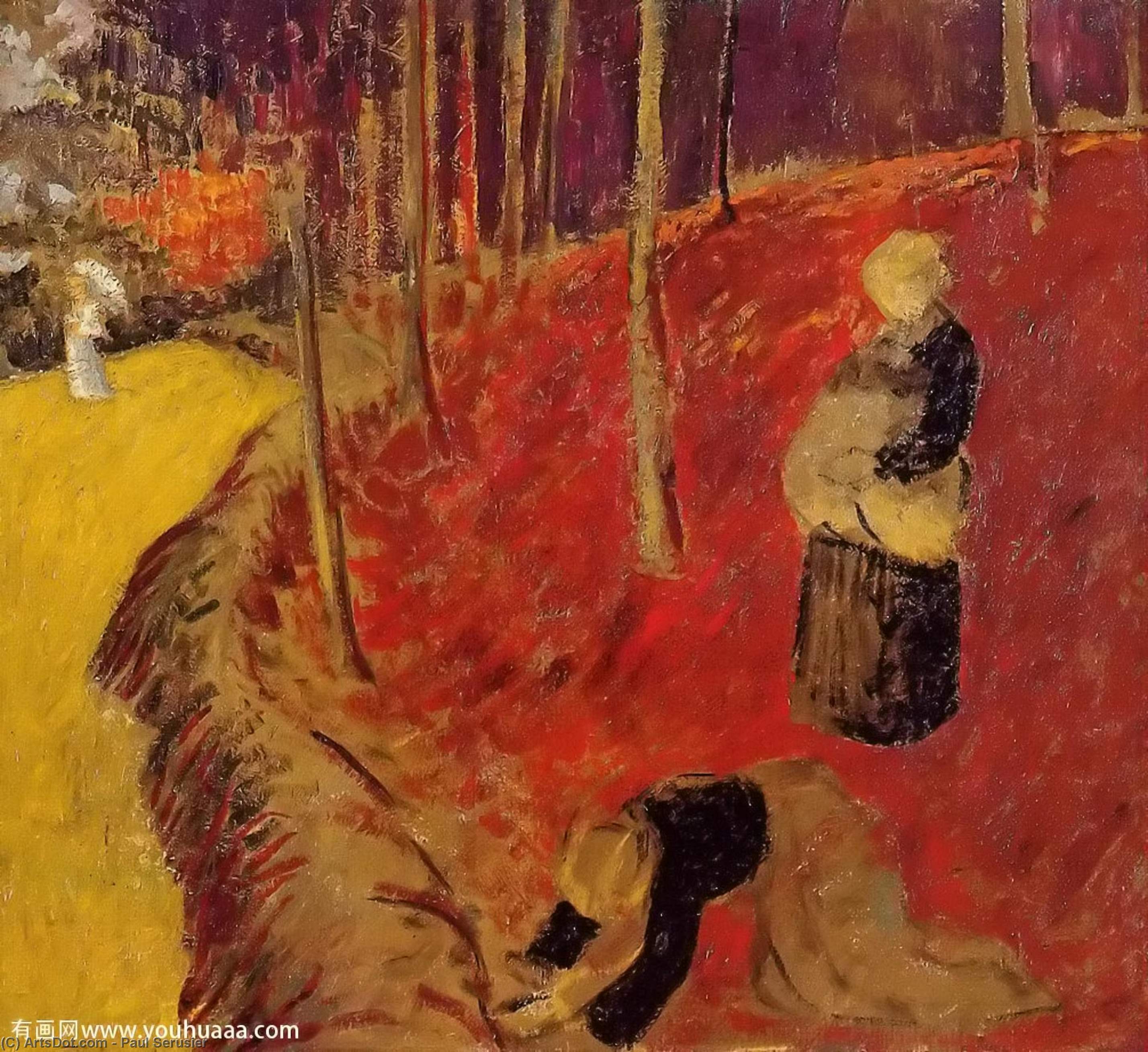
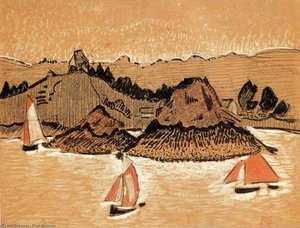
The Fern Harvesters in the Boid d'Amour at Pont Aven


 Read More
Hand Made Oil Reproduction
Hand-painted oil on canvas in your size and frame, made to order by our artists. ( Buy Print Buy Image)




P118B $10

P118H $10

P118W $10

P438Z $10

P508JH $12

P508YH $12

P805H $10

P805Z $10

P919BZ $10

P919G $10

P919XJ $10

P959ZH $10

P968JZ $12

W106C $8

W218G $10

W218JH $8

W218Y $10

W307PJ $10

W316G $10

W316PJ $8

W316Y $10

W398PJ $8

W4111J $10

W500HY $15

W500JH $15

W692G $12

W849H $8

W940BG $15

W953PJ $8




Pick from our preset sizes that match the artwork's original proportions.

You may enter your own dimensions to fit a specific frame or space. If your selected size does not match the original image's proportions, we will either crop the artwork or extend the painting with additional hand-painted elements. A digital mockup will be sent for your approval before production begins.
Please note that the on-screen preview does not reflect the actual cropping or extension. Only the mockup will accurately show the final composition.
While custom sizes are available, we recommend selecting a dimension from the predefined list to preserve the original proportions.
After order, ArtsDot.com team will email client for instructions and provide a mockup preview
Worldwide Delivery () in 3/4 weeks instead of standard 5 weeks. (2 September). No compromise on quality.

Free Worldwide Express Shipping

High-Quality Linen Canvas

Full Shipping Insurance

Customs Tax Refund Guarantee

True Color Matching Guarantee

60-Day Return Policy (Defects Only)

100% Money-Back Guarantee

Bulk Discount Offer
 Glass option is only available in size under 110 CM

The Fern Harvesters in the Boid d'Amour at Pont Aven
Reproduction Medium
Reproduction Size
-


Total Price
$ 263
A Symphony of Color and Nature: The Fern Harvesters in the Boid d'Amour
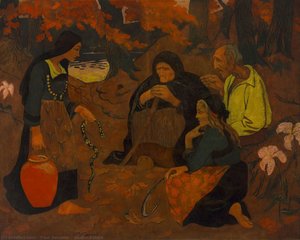
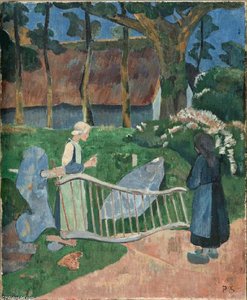
In the quiet, sun-dappled landscapes of Pont Aven, there exists a moment frozen in time, captured with profound emotional depth by Paul Sérusier. The Fern Harvesters in the Boid d'Amour at Pont Aven is not merely a depiction of a rural task; it is an immersive experience into the heart of the Synthetism movement. Created in 1910, this oil on canvas invites the viewer to step into a serene woodland where the boundaries between humanity and nature begin to blur. The scene unfolds with three figures—two women and a man—engaged in the rhythmic, ancestral ritual of gathering berries. There is a palpable sense of peace radiating from the canvas, as if the very air of the French countryside has been distilled into pigment and brushstroke.
The composition is a masterclass in the Synthetist approach, a style that Sérusier helped pioneer alongside luminaries like Paul Gauguin. Rather than striving for photographic realism, the artist employs bold, saturated colors and simplified, geometric forms to evoke the essence of the subject. The background is a striking tapestry of trees, where branches draped in deep reds and vibrant hues create a rhythmic pattern against the landscape. This use of color is not merely decorative; it serves to heighten the emotional resonance of the scene, transforming a simple afternoon of harvesting into a dreamlike, almost mystical encounter with the earth.
The Legacy of a Visionary: Sérusier and the Nabis
To understand the profound impact of this work, one must look toward the historical crucible in which it was forged. Paul Sérusier was a pivotal figure in the avant-garde, a member of the influential group Les Nabis. His artistic journey, shaped by his studies at the Académie Julian and his transformative encounters in Pont Aven, led him to experiment with Cloisonnism—a technique characterized by bold outlines and flat areas of color. In The Fern Harvesters, we see the culmination of these experiments. The way the figures are integrated into the landscape, almost becoming part of the organic geometry of the trees, reflects Sérusier's move toward abstraction and his belief that art should represent a subjective, spiritual truth rather than an objective reality.
For the discerning collector or interior designer, this piece offers more than just aesthetic beauty; it provides a window into a revolutionary era of art history. The painting’s ability to command attention through its structural harmony and vibrant palette makes it an extraordinary centerpiece for any sophisticated space. Whether placed in a contemporary gallery setting or a classic study, the work brings with it an aura of tranquility and intellectual depth. It serves as a reminder of a time when artists dared to redefine the very language of sight, turning the simple act of harvesting into a timeless celebration of life and light.
Related Artworks
Artist Biography
early life and education
paul sérusier, a french painter, was born on november 9, 1864, in paris. he studied at the académie julian, where he became a monitor in the mid-1880s. this marked the beginning of his artistic journey, which would eventually lead him to pioneer abstract art and inspire the avant-garde nabis movement, synthetism, and cloisonnism.artistic career
in the summer of 1888, sérusier traveled to pont-aven, where he joined a small group of artists centered around paul gauguin. under gauguin's close supervision, sérusier painted "the talisman," an extreme exercise in cloisonnism that approximated pure abstraction. this piece showcased his innovative style and willingness to experiment with new techniques. as a post-impressionist painter, sérusier was part of the group les nabis, alongside pierre bonnard, édouard vuillard, and maurice denis. although not as widely recognized as some of his peers, sérusier's contributions to the development of abstract art are undeniable.notable works and legacy
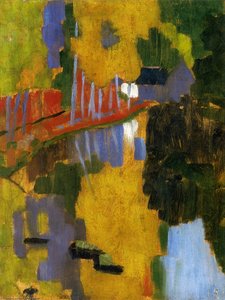
some of sérusier's notable works include:- l'averse (1893), musée d'orsay, paris
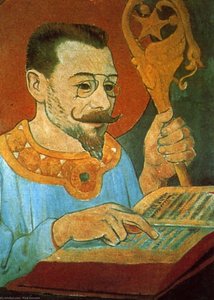
- portrait of paul ranson (1890), musée d'orsay, paris
- melancholy (1890)
- the snake eaters (1894), muzeum narodowe, warsaw
artistic movement and influence
sérusier's work was influenced by cloisonnism, a style characterized by bold and flat forms separated by dark contours. this movement, which emerged in the late 19th century, played a significant role in shaping the development of modern art.- explore more on cloisonnism: the cloisonnism art movement
- discover sérusier's work: paul serusier | ArtsDot.com
- learn about the nabis movement: the nabis art movement

Paul Sérusier
1864 - 1927 , France
Quick Facts
- Artistic Movement Or Style: Post-Impressionism
- Artists Who Influenced This Artist:
- Paul Gauguin
- Maurice Denis
- Date Of Birth: November 9, 1864
- Full Name: Louis-Paul-Henri Sérusier
- Nationality: French
- Notable Artworks:
- The Talisman
- Landscape at the Bois d’Amour
- Place Of Birth: Paris, France
Related Articles
Paul Klee's Masterpieces: Explore 25 Iconic Paintings & Prints | ArtsDot
Journey through Paul Klee's 25 most iconic paintings & prints. Explore his abstract style, Bauhaus influence, and vibrant color palettes. Find museum-quality art reproductions & decor ideas at ArtsDot.com. Discover all masterpieces online.

Cézanne's Masterpieces: 25 Iconic Artworks to Transform Your Space
Journey through 25 iconic artworks by Paul Cézanne – a master of Impressionism and Post-Impressionism. Explore his landscapes, still lifes, and the stories behind these timeless masterpieces. Discover museum-quality reproductions & curated decor at ArtsDot.com.
Paul Sérusier: Pioneering Synthetism & The Nabis’ Symbolic Revolution
Discover Paul Sérusier's pivotal role in the Nabis movement & the birth of Synthetism. Explore 'The Talisman,' his influence on modern art, and a deeper understanding of this symbolic revolution. Expert analysis & insights.

Crimson Threads of Narrative: Exploring Symbolism & Representation in Artworks Featuring the Red Dress
Explore the rich symbolism of the red dress in art history! From ancient power displays to iconic portraits like Cézanne’s 'Madame Cezanne', discover the cultural and artistic significance behind this captivating color. Expert analysis & insights.
Mark Rothko's Masterpieces: 25 Paintings That Define Abstract Expressionism | ArtsDot
Explore 25 iconic Mark Rothko paintings that define Abstract Expressionism. Discover the stories, colors & emotions behind these masterpieces. Find museum-quality art reproductions and curated decor ideas at ArtsDot.com.