 Preview
 Send
Send Share
Share
 Details

 Download
 Similars
 X-Ray
X-Ray Diaporama
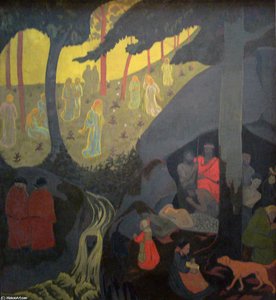
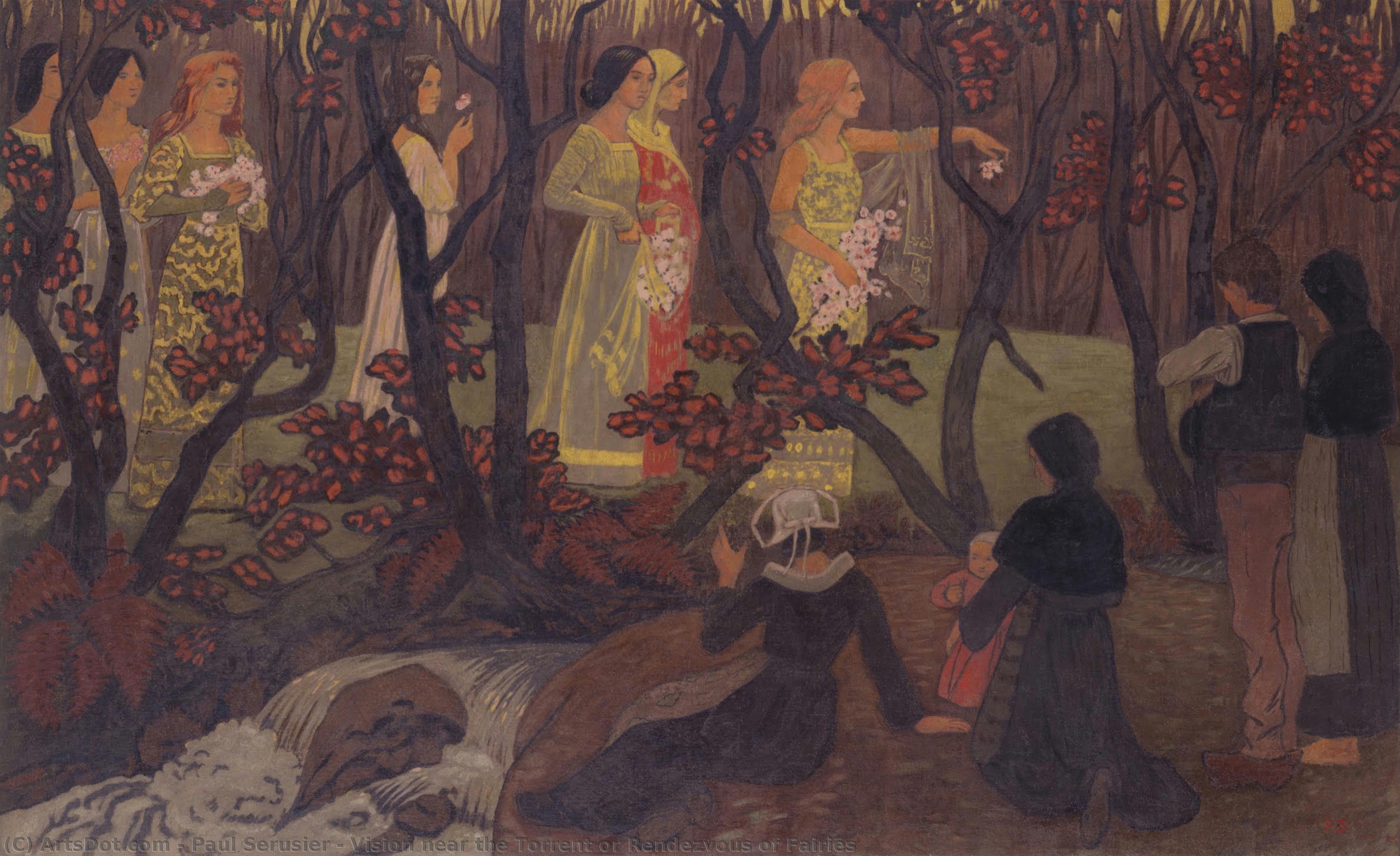
Vision near the Torrent or Rendezvous of Fairies
 Oil
Oil- WallArt
- Post-Impressionism
 1897
1897- 19th Century
 111.0 x 182.0 cm
 Read More
Hand Made Oil Reproduction
Hand-painted oil on canvas in your size and frame, made to order by our artists. ( Buy Print Buy Image)




P118B $10

P118H $10

P118W $10

P438Z $10

P508JH $12

P508YH $12

P805H $10

P805Z $10

P919BZ $10

P919G $10

P919XJ $10

P959ZH $10

P968JZ $12

W106C $8

W218G $10

W218JH $8

W218Y $10

W307PJ $10

W316G $10

W316PJ $8

W316Y $10

W398PJ $8

W4111J $10

W500HY $15

W500JH $15

W692G $12

W849H $8

W940BG $15

W953PJ $8




Pick from our preset sizes that match the artwork's original proportions.

You may enter your own dimensions to fit a specific frame or space. If your selected size does not match the original image's proportions, we will either crop the artwork or extend the painting with additional hand-painted elements. A digital mockup will be sent for your approval before production begins.
Please note that the on-screen preview does not reflect the actual cropping or extension. Only the mockup will accurately show the final composition.
While custom sizes are available, we recommend selecting a dimension from the predefined list to preserve the original proportions.
After order, ArtsDot.com team will email client for instructions and provide a mockup preview
Worldwide Delivery () in 3/4 weeks instead of standard 5 weeks. (16 August). No compromise on quality.

Free Worldwide Express Shipping

High-Quality Linen Canvas

Full Shipping Insurance

Customs Tax Refund Guarantee

True Color Matching Guarantee

60-Day Return Policy (Defects Only)

100% Money-Back Guarantee

Bulk Discount Offer
 Glass option is only available in size under 110 CM

Vision near the Torrent or Rendezvous of Fairies
Reproduction Medium
Reproduction Size
-


Total Price
$ 263
Artwork Description
A Dreamscape of Enchantment: The Magic of Sérusier
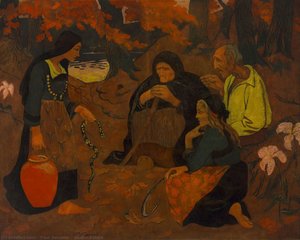
In the delicate interplay of light and shadow within Vision near the Torrent or Rendezvous of Fairies, we are transported to a realm where the boundaries between reality and myth dissolve. Painted in 1897 by the visionary French Post-Impressionist Paul Sérusier, this masterpiece serves as a window into a hidden, idyllic world. The scene unfolds in a lush, verdant forest, populated by ethereal figures—fairies who move with a quiet grace among the moss and ferns. Some figures are captured in moments of deep contemplation, while others lean toward one another in intimate conversation, suggesting a secret gathering far from the eyes of the mortal world. This is not merely a landscape; it is a psychological space where nature and spirit converge.
The composition is enriched by a whimsical abundance of nature's bounty. Scattered throughout the forest floor are vibrant fruits—apples and even the unexpected, playful touch of bananas—which lend a sense of surrealist charm to the setting. These elements act as symbols of fertility, sweetness, and the untamed generosity of the earth. For the discerning collector or interior designer, this painting offers more than just visual beauty; it provides a narrative of peace and harmony. The presence of such lush detail invites the viewer to linger, finding a sense of serenity that can transform any sophisticated living space into a sanctuary of calm.
The Mastery of Cloisonnism and Color
Technically, this work stands as a testament to Sérusier’s pivotal role in the development of modern art. As a founding member of Les Nabis, Sérusier was deeply influenced by the Cloisonnism technique—a style characterized by bold, flat areas of color separated by dark, distinct outlines, much like the stained glass of a cathedral. In this piece, one can observe how the artist uses these structured forms to create depth and rhythm without relying on traditional, heavy shading. The colors are applied with a deliberate, rhythmic intention, where every hue contributes to the overall atmospheric glow of the forest.
The brushwork, while controlled, retains a certain organic vitality that breathes life into the foliage and the soft skin of the fairies. This approach to color and form was revolutionary, moving away from the fleeting impressions of Monet toward a more symbolic and structured way of seeing. For those seeking a high-quality reproduction, it is essential to appreciate how these techniques translate onto canvas; a faithful hand-painted recreation captures the true essence of Sérusier’s layered pigments and the luminous quality of his light, ensuring that the emotional weight of the original—its dreamlike, almost hypnotic pull—is preserved for your home.
An Invitation to Timeless Elegance
Beyond its historical significance, Vision near the Torrent or Rendezvous of Fairies possesses an enduring emotional resonance. It evokes a nostalgia for a lost Eden, a longing for a time when the world felt enchanted and mysterious. This painting does not demand attention through aggression, but rather captures it through a gentle, persistent allure. It is a piece that rewards repeated viewing, revealing new details in the arrangement of fruit or the subtle tilt of a fairy's head each time the eye wanders across its surface.
For the art enthusiast looking to curate a collection, or the designer aiming to infuse a room with a sense of poetic wonder, this work offers unparalleled inspiration. It bridges the gap between the historical avant-garde and contemporary aesthetic tastes, fitting seamlessly into both classical and modern interiors. To possess a reproduction of such a significant moment in art history is to bring a piece of the Nabis movement's soul into your personal environment, fostering an atmosphere of timeless elegance and imaginative depth.
Related Artworks
Artist Biography
early life and education
paul sérusier, a french painter, was born on november 9, 1864, in paris. he studied at the académie julian, where he became a monitor in the mid-1880s. this marked the beginning of his artistic journey, which would eventually lead him to pioneer abstract art and inspire the avant-garde nabis movement, synthetism, and cloisonnism.artistic career
in the summer of 1888, sérusier traveled to pont-aven, where he joined a small group of artists centered around paul gauguin. under gauguin's close supervision, sérusier painted "the talisman," an extreme exercise in cloisonnism that approximated pure abstraction. this piece showcased his innovative style and willingness to experiment with new techniques. as a post-impressionist painter, sérusier was part of the group les nabis, alongside pierre bonnard, édouard vuillard, and maurice denis. although not as widely recognized as some of his peers, sérusier's contributions to the development of abstract art are undeniable.notable works and legacy
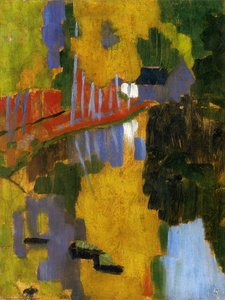
some of sérusier's notable works include:- l'averse (1893), musée d'orsay, paris
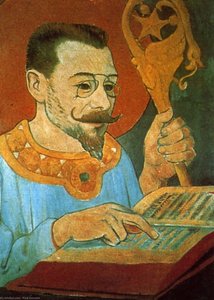
- portrait of paul ranson (1890), musée d'orsay, paris
- melancholy (1890)
- the snake eaters (1894), muzeum narodowe, warsaw
artistic movement and influence
sérusier's work was influenced by cloisonnism, a style characterized by bold and flat forms separated by dark contours. this movement, which emerged in the late 19th century, played a significant role in shaping the development of modern art.- explore more on cloisonnism: the cloisonnism art movement
- discover sérusier's work: paul serusier | ArtsDot.com
- learn about the nabis movement: the nabis art movement
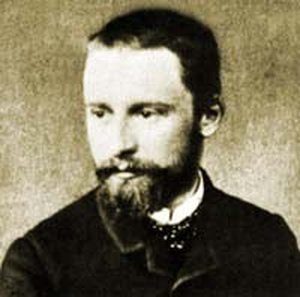
Paul Sérusier
1864 - 1927 , France
Quick Facts
- Artistic Movement Or Style: Post-Impressionism
- Artists Who Influenced This Artist:
- Paul Gauguin
- Maurice Denis
- Date Of Birth: November 9, 1864
- Full Name: Louis-Paul-Henri Sérusier
- Nationality: French
- Notable Artworks:
- The Talisman
- Landscape at the Bois d’Amour
- Place Of Birth: Paris, France
Related Articles
Nature’s Sanctuary: Curating Enchanting Forest Artworks to Transform Your Home into a Serene Woodland Retreat
Transform your home into a serene woodland retreat with enchanting forest artworks. Discover museum-quality oil reproductions and custom landscape commissions designed to bring the peaceful beauty of nature indoors.
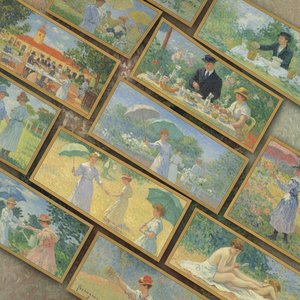
Renoir's Masterpieces: Explore 25 Iconic Paintings & Bring Art Home | ArtsDot
Explore 25 iconic Pierre-Auguste Renoir paintings! Discover the stories behind Impressionist masterpieces like 'Dance at Le Moulin de la Galette' & 'Luncheon of the Boating Party'. Find museum-quality art reproductions and elevate your home decor with ArtsDot.com.
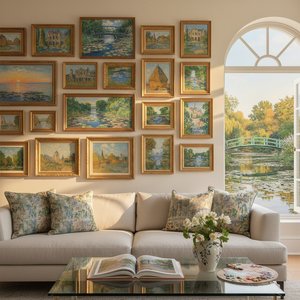
Monet's Masterpieces: 25 Iconic Artworks to Transform Your Home
Journey through 25 iconic Claude Monet masterpieces! Explore Impressionism’s beauty, from Water Lilies to Rouen Cathedral. Discover stunning art reproductions & curated decor ideas – explore the full collection online at ArtsDot.com.

Impressionist Landscapes: 10 Masterpieces for Your Home | ArtsDot
Journey through 10 iconic Impressionist landscapes by Monet, Renoir & Degas. Explore the history, techniques & emotions behind these masterpieces. Find museum-quality reproductions for your home at ArtsDot.com – where art comes to life! Discover all masterpieces on ArtsDot.com

Post-Impressionism's 10 Defining Masterpieces: Art for Your Home |
Journey through Post-Impressionism's 10 defining masterpieces – Van Gogh, Monet & more. Explore iconic paintings, art history & find museum-quality reproductions for your home at . Discover all masterpieces online!