 Preview
 Send
Send Share
Share
 Details

 Download
 Similars
 X-Ray
X-Ray Diaporama
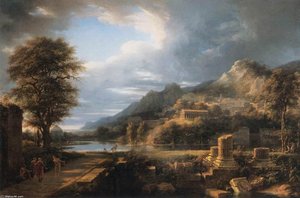
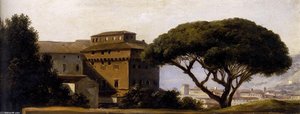
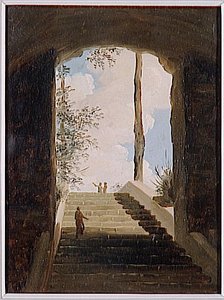
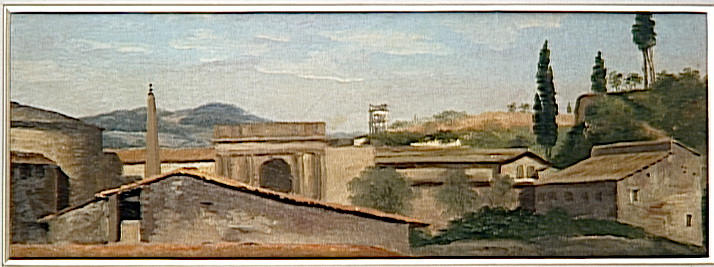
VUE DE LA PORTE DU PEUPLE A ROME


 Read More
Hand Made Oil Reproduction
Hand-painted oil on canvas in your size and frame, made to order by our artists. ( Buy Print Buy Image)




P118B $10

P118H $10

P118W $10

P438Z $10

P508JH $12

P508YH $12

P805H $10

P805Z $10

P919BZ $10

P919G $10

P919XJ $10

P959ZH $10

P968JZ $12

W106C $8

W218G $10

W218JH $8

W218Y $10

W307PJ $10

W316G $10

W316PJ $8

W316Y $10

W398PJ $8

W4111J $10

W500HY $15

W500JH $15

W692G $12

W849H $8

W940BG $15

W953PJ $8




Pick from our preset sizes that match the artwork's original proportions.

You may enter your own dimensions to fit a specific frame or space. If your selected size does not match the original image's proportions, we will either crop the artwork or extend the painting with additional hand-painted elements. A digital mockup will be sent for your approval before production begins.
Please note that the on-screen preview does not reflect the actual cropping or extension. Only the mockup will accurately show the final composition.
While custom sizes are available, we recommend selecting a dimension from the predefined list to preserve the original proportions.
After order, ArtsDot.com team will email client for instructions and provide a mockup preview
Worldwide Delivery () in 3/4 weeks instead of standard 5 weeks. (25 August). No compromise on quality.

Free Worldwide Express Shipping

High-Quality Linen Canvas

Full Shipping Insurance

Customs Tax Refund Guarantee

True Color Matching Guarantee

60-Day Return Policy (Defects Only)

100% Money-Back Guarantee

Bulk Discount Offer
 Glass option is only available in size under 110 CM

VUE DE LA PORTE DU PEUPLE A ROME
Reproduction Medium
Reproduction Size
-


Total Price
$ 263
Artwork Description
Vue de la Porte du Peuple à Rome – A Window Into Romantic Landscape Painting
Pierre Henri Valenciennes’ “Vue de la Porte du Peuple à Rome” isn't merely a depiction of an iconic Roman landmark; it’s a testament to the burgeoning spirit of en plein air painting and a poignant reflection on the artistic currents shaping Europe in the early 19th century. Painted sometime between 1782 and 1784, this oil sketch captures the Porta del Popolo – the Gate of the People – with remarkable immediacy and sensitivity, marking Valenciennes as a pivotal figure in elevating landscape art to new heights.
Composition & Technique: Embracing Atmospheric Perspective
The painting’s horizontal format prioritizes stability and grandeur, placing the monumental obelisk at the center stage against a backdrop of rolling hills and distant mountains. Valenciennes skillfully employs linear perspective to create depth, subtly diminishing the size of buildings as they recede into the distance – a technique championed by artists like Jean Victor Bertin and Achille Etna Michallon during this period. However, what truly distinguishes Valenciennes’ approach is his masterful manipulation of atmospheric perspective. The muted blues and grays dominating the sky and hills convey a palpable sense of weather—likely overcast—enhancing the painting's melancholic beauty and grounding it firmly in the natural world.
Color Palette & Texture: Earthy Hues Reflecting Antiquity
Dominating the color palette are earthy tones – browns, tans, ochres, and subtle greens – mirroring the weathered stone of the Porta del Popolo itself. Valenciennes eschews vibrant hues, opting instead for subdued shades that evoke a feeling of antiquity and timelessness. The artist’s brushstrokes contribute significantly to the painting's textural quality; an impasto technique—thickly applied paint—creates visible ridges on the canvas surface, conveying a palpable sense of physicality and capturing the fleeting effects of light upon the landscape.
Symbolism & Emotional Resonance: A Portrait of Roman Grandeur
More than just a topographical record, “Vue de la Porte du Peuple à Rome” embodies the Romantic fascination with sublime landscapes. The obelisk, a symbol rooted in ancient Egypt and representing imperial power, serves as a focal point, reminding viewers of Rome’s illustrious past. Valenciennes' deliberate choice to depict the scene outdoors—a revolutionary concept at the time—reflects the Romantic movement’s belief in experiencing nature directly and confronting its grandeur with awe and wonder. The painting evokes a profound sense of contemplation and invites us to consider the enduring beauty of Roman history.
Historical Context & Artistic Influences
Valenciennes' work emerged during a period of significant artistic innovation, fueled by the ideals of Neoclassicism and Romanticism. His treatise “Reflections and Advice to a Student on Painting,” particularly his advocacy for ‘landscape portraits,’ formalized the en plein air method and cemented Valenciennes’ legacy as one of the pioneers of modern landscape painting. This artwork stands as a powerful reminder of how art can capture not only visual beauty but also the spirit of an era.
Related Artworks


Artist Biography
early life and training
pierre-henri de valenciennes, a french painter, was born on december 6, 1750. his birthplace is not specified in available records, but his contributions to the art world are well-documented. de valenciennes' early training and education are not extensively recorded, but it is known that he worked in rome from 1778 to 1782, where he made a number of landscape studies directly from nature.contributions to en plein air painting
de valenciennes was influential in elevating the status of en plein air (open-air painting). his work in rome led to the development of his theory, which he outlined in his 1800 treatise reflections and advice to a student on painting, particularly on landscape. this concept introduced the idea of a 'landscape portrait,' where an artist paints a landscape directly while looking upon it, capturing its particular details. this approach allowed de valenciennes to capture the fleeting changes of a landscape due to light and weather.notable students and influence
among his notable students were jean-victor bertin, achille etna michallon, louis étienne watelet, louis-françois lejeune, and the first french panorama painter pierre prévost. de valenciennes' influence on these artists and his contributions to the development of en plein air painting have left a lasting impact on the art world.later life and death
de valenciennes passed away in paris on february 16, 1819. he is buried in the père lachaise cemetery, a famous cemetery in paris known for its notable residents.- view pierre-henri de valenciennes's artwork on ArtsDot.com
- explore the musée des beaux-arts valence, a museum featuring european paintings and sculptures, on ArtsDot.com
- discover more about french art and its history on wikipedia
legacy
pierre-henri de valenciennes's legacy in the art world is undeniable. his pioneering work in en plein air painting has inspired generations of artists, and his influence can still be seen today. through his treatise and his students, de valenciennes has left an indelible mark on the world of art.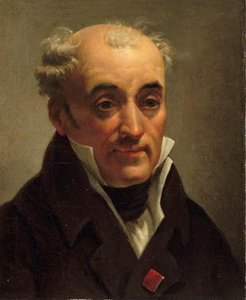
Pierre-Henri de Valenciennes
1750 - 1819 , France
Quick Facts
- Artistic Movement Or Style: En plein air painting
- Artists Or Movements Influenced By This Artist: ['Pierre Chauvin']
- Artists Who Influenced This Artist:
- Jean Victor Bertin
- Achille Etna Michallon
- Date Of Birth: December 6, 1750
- Date Of Death: February 16, 1819
- Full Name: Pierre Henri de Valenciennes
- Nationality: French
- Notable Artworks:
- Village de Nemi
- A LA Villa Borghese Chemin borde d'arbres
- Place Of Birth: Toulouse, France
Related Articles
Henri Matisse's Masterpieces: Explore 25 Iconic Paintings & Art Decor Ideas
Journey through Henri Matisse's 25 most iconic paintings! Explore Fauvism, vibrant colors & the stories behind masterpieces like 'The Dance'. Find museum-quality art reproductions and curated decor ideas to elevate your space. Discover all masterpieces on ArtsDot.com.
Renoir's Masterpieces: Explore 25 Iconic Paintings & Bring Art Home | ArtsDot
Explore 25 iconic Pierre-Auguste Renoir paintings! Discover the stories behind Impressionist masterpieces like 'Dance at Le Moulin de la Galette' & 'Luncheon of the Boating Party'. Find museum-quality art reproductions and elevate your home decor with ArtsDot.com.

Goya's Masterpieces: Explore 25 Iconic Paintings & Art Prints | ArtsDot
Delve into the world of Francisco Goya with ArtsDot. Explore 25 iconic paintings – from 'The Third of May' to his haunting Black Paintings. Discover the stories, techniques & emotions behind these Spanish masterpieces. Find museum-quality art reproductions for your home at ArtsDot.com!

Evocations of Place: A Historical Journey Through Landscape Art
Explore the rich history of landscape art with ArtsDot. Discover renowned artists, movements like Impressionism & Romanticism, and expert guidance for collecting timeless pieces. Find your perfect serene escape today!

Romantic Landscapes: 10 Masterpieces for Your Home | ArtsDot
Journey through 10 Romantic landscape masterpieces by Friedrich, Turner & Cole. Explore emotional art, sublime nature scenes & iconic 19th-century paintings. Find museum-quality reproductions for your home at ArtsDot.com – discover the full collection online!