 Preview
 Send
Send Share
Share
 Details

 Download
 Similars
 X-Ray
X-Ray Diaporama
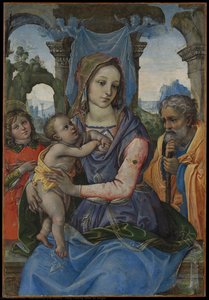
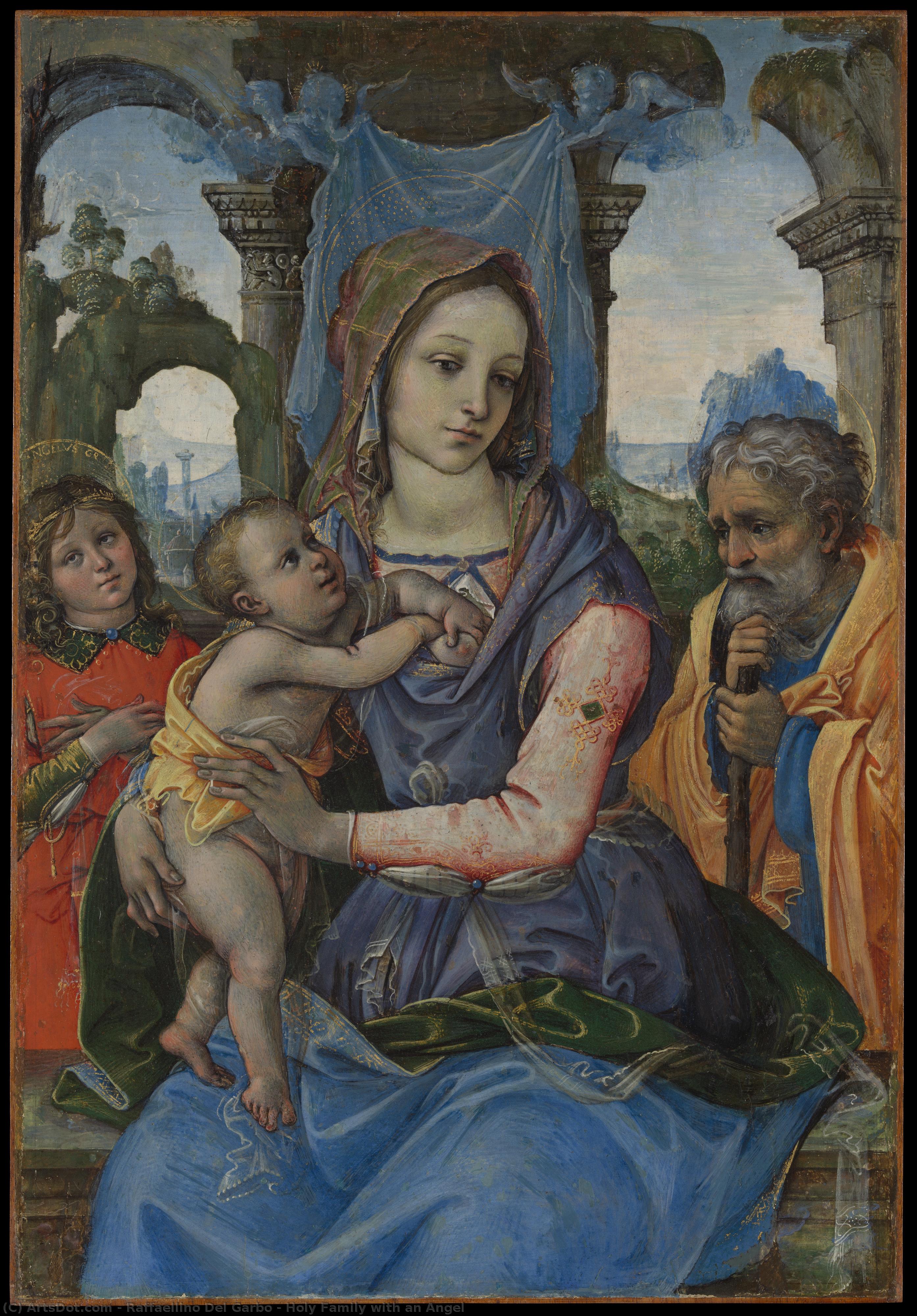
Holy Family with an Angel
 Tempera
- WallArt
- Italian Renaissance
 1490
1490- Renaissance
 56.0 x 38.0 cm
 Metropolitan Museum of Art
 Read More
Giclée / Art Print
Museum-quality giclée or canvas print with fast production and flexible finish options. ( Buy Hand Made Painting Buy Image)




P118B $10

P118H $10

P118W $10

P438Z $10

P508JH $12

P508YH $12

P805H $10

P805Z $10

P919BZ $10

P919G $10

P919XJ $10

P959ZH $10

P968JZ $12

W106C $8

W218G $10

W218JH $8

W218Y $10

W307PJ $10

W316G $10

W316PJ $8

W316Y $10

W398PJ $8

W4111J $10

W500HY $15

W500JH $15

W692G $12

W849H $8

W940BG $15

W953PJ $8




Pick from our preset sizes that match the artwork's original proportions.

You may enter your own dimensions to fit a specific frame or space. If your selected size does not match the original image's proportions, we will either crop the artwork or extend the image with a mirrored or solid-fill edge. A digital mockup will be sent for your approval before production begins.
Please note that the on-screen preview does not reflect the actual cropping or extension. Only the mockup will accurately show the final composition.
While custom sizes are available, we recommend selecting a dimension from the predefined list to preserve the original proportions.
Worldwide Delivery () in 2 weeks instead of standard 4/5 weeks. (1 September)

Free Worldwide Express Shipping

High-Quality Linen Canvas

Full Shipping Insurance

Customs Tax Refund Guarantee

True Color Matching Guarantee

60-Day Return Policy (Defects Only)

100% Money-Back Guarantee

Bulk Discount Offer
 Glass option is only available in size under 110 CM

Holy Family with an Angel
Giclée / Art Print
Reproduction Size
-


Total Price
$ 63
A Symphony of Tenderness: The Divine Intimacy of Raffaellino del Garbo
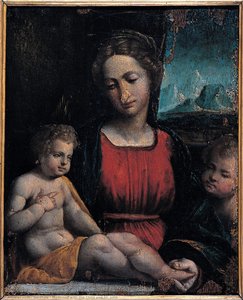
In the quiet corners of Florentine Renaissance art, few works capture the delicate intersection of the sacred and the human as poignantly as Raffaellino del Garbo’s "Holy Family with an Angel." Painted around 1490, this masterpiece serves as a profound window into an era defined by the burgeoning humanist spirit. At first glance, the viewer is drawn into a scene of unparalleled tenderness; the Virgin Mary cradles the infant Jesus with an unwavering compassion that transcends the centuries. The composition is not merely a religious icon but a deeply emotional narrative, where the watchful presence of flanking angels provides a celestial shield around the central figures. This sense of divine protection is balanced by a palpable earthly warmth, making the painting feel less like a distant monument and more like a private, whispered prayer.
The technical brilliance of the work is rooted in the disegno tradition—the Florentine emphasis on precise line and anatomical accuracy. Having trained under the legendary Filippino Lippi, Raffaellino del Garbo infused this piece with his mentor's characteristic "nervous line," a stylistic trait that lends a vibrant, almost rhythmic energy to the figures. The artist employs a cool, sophisticated palette dominated by serene greens and ethereal blues, creating an atmospheric perspective that breathes life into the background. Interestingly, recent examinations of the Virgin’s face have revealed traces of green underpainting, a technical revelation that adds a layer of historical intrigue to the work's physical construction. This mastery of color and form allows the painting to achieve a sense of grandeur despite its intimate, domestic scale.
Symbolism and the Human Element
Beyond its aesthetic beauty, "Holy Family with an Angel" is rich with theological and symbolic depth. A particularly striking element is the depiction of the Virgo lactans—the Virgin offering her breast to the Christ Child. This motif was highly cherished in Renaissance domestic interiors because it emphasizes the biological reality and human vulnerability of the holy figures, bridging the gap between the divine and the mortal. By highlighting this nurturing aspect, Raffaellino invites the viewer into a state of empathy, transforming a theological concept into a relatable moment of maternal love.
The architectural elements surrounding the family—subtly eccentric and classical in nature—further ground the scene in the intellectual climate of the late 15th century. These details suggest a world where the ancient wisdom of antiquity meets the spiritual devotion of the present. For the discerning collector or interior designer, this painting offers more than just decoration; it provides a focal point of contemplative grace. Whether placed in a sunlit study or a formal gallery, a high-quality reproduction of this work brings with it an aura of historical prestige and a timeless emotional resonance that continues to inspire awe in all who behold it.
Related Artworks
Artist Biography
Raffaellino del Garbo: Graceful Precision in Florentine Renaissance Painting
Raffaellino del Garbo (1470-1527), a Florentine painter born Raffaello di Bartolomeo dei Carli, stands as a testament to the refined aesthetic sensibilities of the Italian Renaissance. His nickname, “del garbo,” derived from the Via del Garbo in Florence—where his workshop resided—captures the essence of his artistic approach: understated elegance and meticulous attention to detail. Early Life and Training Raffaellino’s formative years were spent under the tutelage of Filippino Lippi, a pivotal figure in Florentine art who instilled in him a profound understanding of perspective and disegno – the foundational principles of Renaissance painting. Their collaboration lasted until 1490, shaping Raffaellino's initial artistic style and establishing a connection to Lippi’s humanist ideals. This influential mentorship propelled him to Rome, where he joined Lippi’s studio and undertook the monumental task of decorating the chapel of St. Thomas Aquinas (Caraffa Chapel) in Santa Maria sopra Minerva. This commission demanded masterful execution and cemented Raffaellino's reputation for blending classical influences with Florentine tradition. Artistic Style and Works Raffaellino’s oeuvre is characterized by a remarkable blend of tempera and oil paint, reflecting the artistic innovations of his time. He achieved renown for his serene depictions of religious subjects—particularly the Resurrection, originally intended for Monte Oliveto Monastery, now housed in the Galleria dell'Accademia – showcasing a masterful command of color and form. Similarly impressive is “The Miracle of the Loaves,” adorning the refectory of Cesto Convent, demonstrating his ability to convey spiritual emotion through precise observation and skillful technique. Notable masterpieces include "The Coronation of the Virgin," currently residing in the Louvre Museum, and “Madonna and Child with Saints and Donors,” previously displayed at Berlin Museum—each reflecting Raffaellino’s dedication to capturing idealized beauty and conveying profound theological themes. Influences and Legacy Raffaellino del Garbo's artistic vision was undeniably shaped by the humanist spirit of his era, mirroring the broader trends in Florentine art during the High Renaissance. He absorbed lessons from Leonardo da Vinci and Michelangelo, integrating their groundbreaking discoveries into his own practice. Furthermore, Raffaellino mentored Bronzino, fostering a continuation of stylistic excellence within Florence’s artistic milieu. His legacy extends beyond individual artworks; he embodies the enduring pursuit of grace and precision—qualities that define the very essence of Renaissance painting and continue to inspire artists today.Silvano Lodi Collection at Museo Silvano Lodi
The Silvano Lodi Collection, housed in Museo Silvano Lodi in Campione, Italy, offers a captivating glimpse into Raffaellino del Garbo’s artistic output. Featuring numerous paintings executed with tempera on wood—a technique favored by the artist—the collection underscores his commitment to textural richness and luminous color palettes. These works exemplify Raffaellino's signature style: understated elegance combined with meticulous attention to detail, mirroring the aesthetic sensibilities of his contemporaries.Concluding Remarks
Raffaellino del Garbo’s contribution to Florentine Renaissance art is undeniable. He skillfully blended classical ideals with humanist observation, producing images that resonate with timeless beauty and spiritual depth. His enduring influence can be discerned in the works of subsequent generations of artists—a testament to his mastery of technique and his unwavering dedication to capturing the sublime qualities of human experience.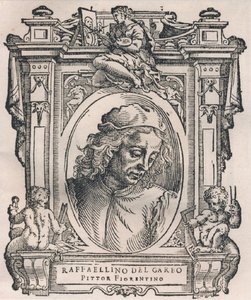
Raffaellino del Garbo
1470 - 1527 , Italy
Quick Facts
- Artistic Movement Or Style: Renaissance
- Artists Or Movements Influenced By This Artist: ['Bronzino']
- Artists Who Influenced This Artist: ['Filippino Lippi']
- Date Of Birth: 1466
- Date Of Death: ca. 1527
- Full Name: Raffaello di Bartolomeo dei Carli
- Nationality: Italian
- Notable Artworks:
- Holy Family with an Angel
- (47 x 30 CM) (1505)
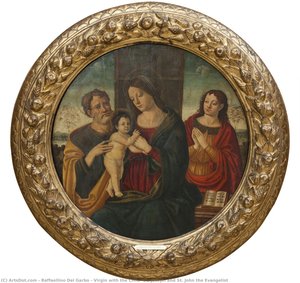
- Virgin with the Child, St. Joseph and St. John the Evangelist
- Place Of Birth: Florence, Italy
Related Articles
Filippino Lippi: Renaissance Innovation Bridging Faith & Humanism
Explore the captivating world of Filippino Lippi, a Renaissance master bridging faith & humanism through innovative art. Discover his key works, influences, and lasting legacy with ArtsDot.
Filippo Lippi: Bridging Renaissance Devotion & Artistic Innovation
Explore the life & revolutionary art of Filippo Lippi, a pivotal Renaissance painter. Discover his masterpieces, influence on Botticelli, and investment potential. Expert analysis at ArtsDot.
Andrea del Sarto: Florentine Grace, Technical Mastery & Artistic Ambition
Explore the life & art of Andrea del Sarto, a Florentine Renaissance master renowned for harmonious compositions & technical brilliance. Discover his frescoes, portraits, and lasting influence on art history.
Cecco del Caravaggio: Rediscovering the Shadowy Genius of Francesco Buoneri
Explore the captivating world of Cecco del Caravaggio (Francesco Buoneri), a pivotal Baroque artist. Discover his dramatic realism, mysterious life, and lasting legacy with ArtsDot's expert analysis.
Mario Sironi: A Poetic of Modern Italian Identity Through Symbolism & Social Commentary
Explore the profound works of Mario Sironi, a key figure in Italian Modernism. Discover his evolution from Futurism to Metaphysical painting and his powerful social commentary. Learn about his legacy at ArtsDot.