 Preview
 Send
Send Share
Share
 Details

 Download
 Similars
 X-Ray
X-Ray Diaporama
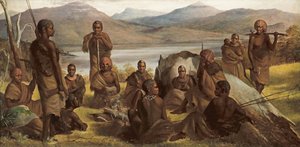
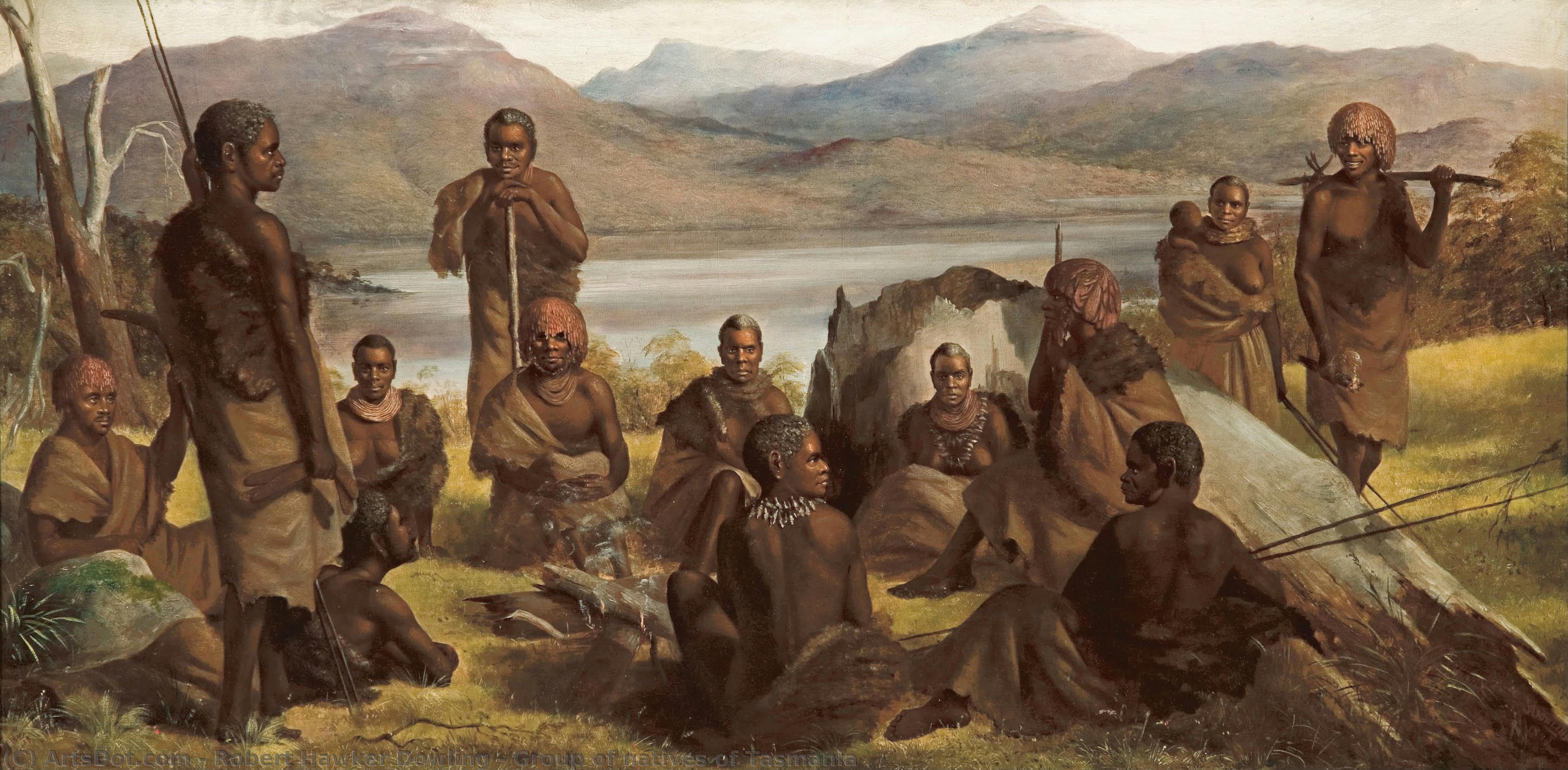
Group of natives of Tasmania
 Oil
Oil- WallArt
- Realism
 1860
1860- 19th Century
 91.0 x 45.0 cm
 Art Gallery of South Australia
 Read More
Giclée / Art Print
Museum-quality giclée or canvas print with fast production and flexible finish options. ( Buy Hand Made Painting Buy Image)




P118B $10

P118H $10

P118W $10

P438Z $10

P508JH $12

P508YH $12

P805H $10

P805Z $10

P919BZ $10

P919G $10

P919XJ $10

P959ZH $10

P968JZ $12

W106C $8

W218G $10

W218JH $8

W218Y $10

W307PJ $10

W316G $10

W316PJ $8

W316Y $10

W398PJ $8

W4111J $10

W500HY $15

W500JH $15

W692G $12

W849H $8

W940BG $15

W953PJ $8




Pick from our preset sizes that match the artwork's original proportions.

You may enter your own dimensions to fit a specific frame or space. If your selected size does not match the original image's proportions, we will either crop the artwork or extend the image with a mirrored or solid-fill edge. A digital mockup will be sent for your approval before production begins.
Please note that the on-screen preview does not reflect the actual cropping or extension. Only the mockup will accurately show the final composition.
While custom sizes are available, we recommend selecting a dimension from the predefined list to preserve the original proportions.
Worldwide Delivery () in 2 weeks instead of standard 4/5 weeks. (22 August)

Free Worldwide Express Shipping

High-Quality Linen Canvas

Full Shipping Insurance

Customs Tax Refund Guarantee

True Color Matching Guarantee

60-Day Return Policy (Defects Only)

100% Money-Back Guarantee

Bulk Discount Offer
 Glass option is only available in size under 110 CM

Group of natives of Tasmania
Giclée / Art Print
Reproduction Size
-


Total Price
$ 63
Collectible Description
A Window into a Vanished World
In the quiet, evocative strokes of Robert Hawker Dowling’s 1860 masterpiece, Group of natives of Tasmania, we are invited to witness a profound moment of human connection frozen in time. This expansive composition, measuring 91 x 45 cm, serves as much more than a mere portrait; it is a sweeping panoramic narrative that captures the essence of a community gathered by the tranquil waters of the Tasmanian landscape. The painting presents thirteen individuals, men and women alike, arranged with a rhythmic grace that suggests both a formal gathering and a spontaneous moment of shared existence. As they stand against a backdrop of distant, mist-touched mountains, the viewer is drawn into a scene where the boundaries between humanity and the natural world seem beautifully blurred.
Dowling, a colonial artist whose journey began in the verdant landscapes of Essex before finding his soul in the rugged beauty of Australia, utilizes a technique that balances meticulous detail with an atmospheric softness. Each figure is rendered with a dignity that commands respect, their traditional attire captured with a sensitivity to texture and form. The presence of symbolic objects—a bowl, a knife, a spear—adds layers of cultural depth, hinting at the daily rhythms, survival, and ceremonial importance of the tools held by these people. Through his masterful use of light and shadow, Dowling breathes life into the skin tones and the rugged terrain, creating a sense of depth that pulls the observer into the very heart of the assembly.
The Art of Colonial Documentation and Emotion
To look upon this work is to engage with the complex history of the 19th century. As an artist trained under the likes of Thomas Bock, Dowling possessed a keen eye for portraiture, yet in this piece, he transcends the boundaries of traditional studio work to create a landscape of human sociology. The painting captures a sense of communal strength and quiet resilience. There is a palpable emotional weight in the way the figures are positioned; some stand in intimate proximity, suggesting familial bonds, while others occupy the periphery, creating a sense of vast, open space that mirrors the untamed wilderness surrounding them. This interplay between the intimacy of the group and the grandeur of the Tasmanian wilderness creates a tension that is both haunting and deeply moving.
For the discerning collector or interior designer, this reproduction offers an unparalleled opportunity to introduce a piece of profound historical significance into a curated space. The horizontal format makes it an ideal centerpiece for a long gallery wall or a commanding presence above a mantle, where its muted, earthy tones can harmonize with sophisticated, organic decor. Beyond its aesthetic value, the painting serves as a conversation starter—a window into a lost era that invites contemplation on heritage, identity, and the enduring spirit of community. Owning such a work is not merely about decorating a room; it is about preserving a fragment of history through the timeless medium of fine art.
Related Artworks
Artist Biography
a colonial artist's journey
robert hawker dowling, a prominent australian colonial artist, was born in essex, england in 1827. as the youngest son of rev. henry dowling and his wife elizabeth, née darke, he was brought to launceston, tasmania with his parents in 1839. this marked the beginning of his artistic journey.early training and career
dowling received lessons from thomas bock and frederick strange, which laid the foundation for his future as a portrait painter. in 1850, he advertised his services as a portrait painter, signaling the start of his professional career.notable works and exhibitions
* between 1859 and 1882, dowling exhibited 16 pictures at the royal academy, with additional works showcased at the british institute. * his portraits of notable figures such as sir henry loch, dr. james moorhouse, and francis ormond are particularly noteworthy.legacy and later life
dowling's time in launceston and later in melbourne was marked by his prolific output of portraits. eventually, he returned to london, where he passed away in 1886.- view robert hawker dowling's artworks on ArtsDot
- explore the top 5 famous artists of all time to understand the broader context of colonial artists like dowling.
- discover more about the royal academy's history and its impact on artists like dowling through this article on chelmsford museum, united kingdom.
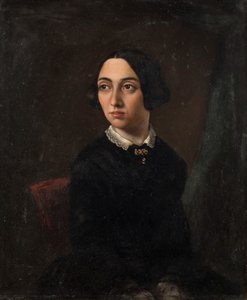
robert hawker dowling
1827 - 1886 , United Kingdom
Quick Facts
- Artistic Movement Or Style: Romanticism, Pre-Raphaelite
- Artists Or Movements Influenced By This Artist:
- Eugène Delacroix
- Romanticism
- Artists Who Influenced This Artist:
- Raphael
- Michelangelo
- Dürer
- Emanuel Swedenborg
- Date Of Birth: November 28, 1757
- Date Of Death: August 12, 1827
- Full Name: William Blake
- Nationality: British
- Notable Artworks:
- Songs of Innocence
- Songs of Experience
- The Marriage of Heaven and Hell
- Jerusalem
- Place Of Birth: London, England
Related Articles
The Enduring Legacy of Formal Portraiture: Power, Identity & Artistic Exploration
Explore the rich history of formal portraiture & its enduring power to capture identity and shape perception. Discover investment-worthy artworks, expert appraisals, and custom reproduction services at ArtsDot.
The Grandeur of Presence: Exploring Representations of Stately Bearing in Western Portraiture
Explore the art of stately bearing in Western portraiture with expert analysis of Renaissance & Baroque masterpieces. Discover symbolism, techniques, and the legacy of iconic portraits – a guide for discerning collectors.
The Enduring Gaze: Portraiture's Historical & Psychological Evolution
Explore the rich history of portraiture with expert analysis from ArtsDot. Discover iconic Renaissance masterpieces, symbolism & techniques that shaped identity. Find museum-quality art for your collection.
The Enduring Gaze: A Historical & Artistic Exploration of Portraiture Across Cultures
Explore the rich history of portraiture with ArtsDot.com! Discover symbolism, techniques & master artists from antiquity to modern times. Expert insights for art collectors.
The Enduring Gaze: A Historical & Artistic Exploration of Portraiture Across Movements
Explore the rich history of portraiture with ArtsDot.com! Discover iconic masterpieces, influential artists & movements. Expert analysis for collectors and enthusiasts. Find your perfect artwork today.